

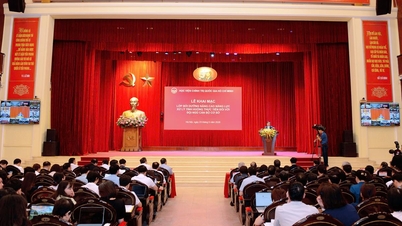
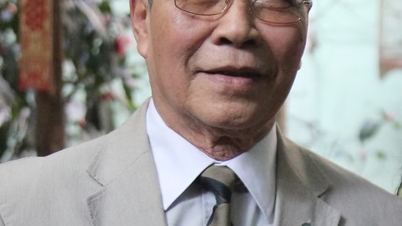
Mr. Pham Thanh Ngai, Chairman of the People's Committee of Dong Thap province, said that adjusting the provincial planning is very urgent, creating a legal and strategic foundation for a new Dong Thap. With a larger territory, population, and potential after the merger (with Tien Giang), it also places higher demands on governance and development.
Mr. Ngai also frankly acknowledged that even the best planning is only the beginning; the true value lies in the realization phase, the determination, consistency, and creativity in organizing and implementing it. It is a long and arduous journey to turn these strategic ideas into infrastructure, livelihoods, and a better quality of life for the people.
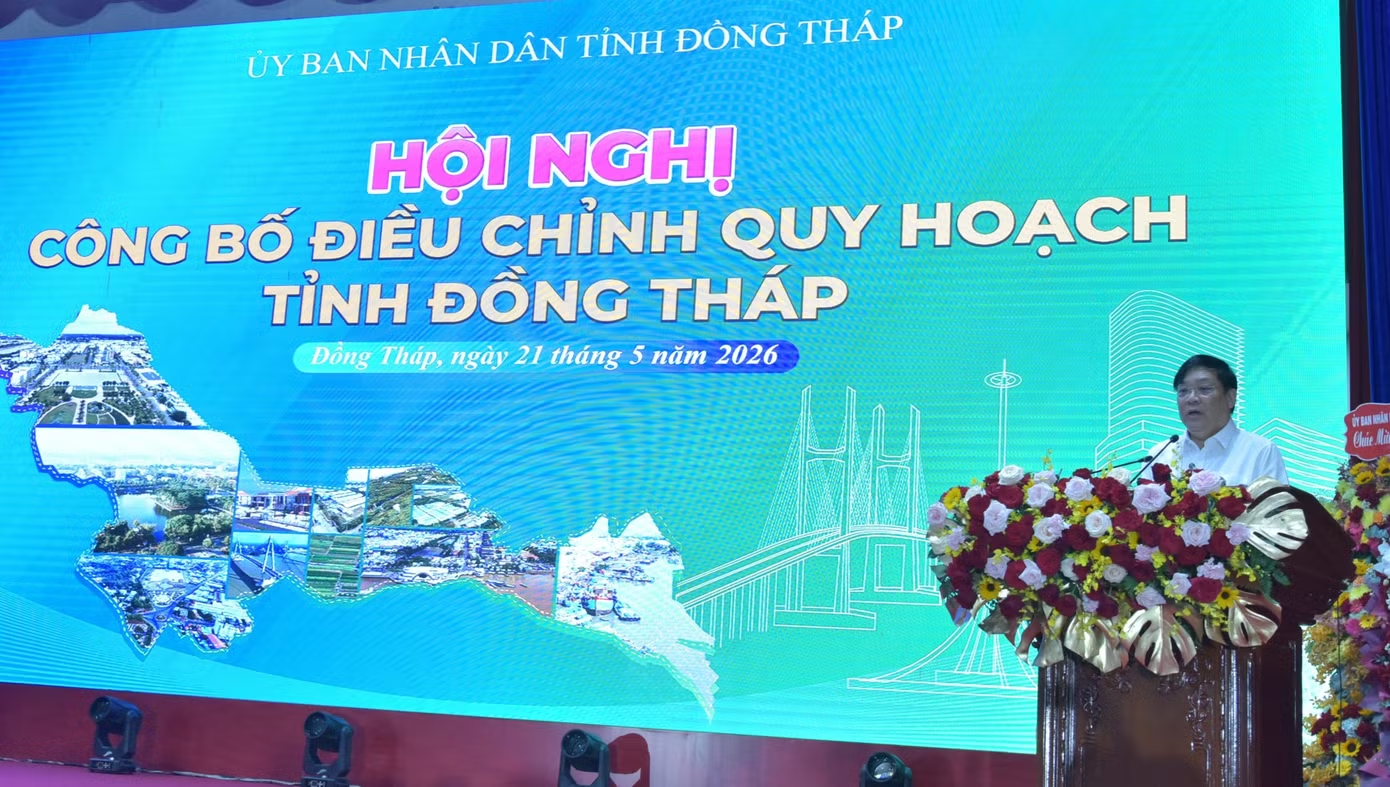
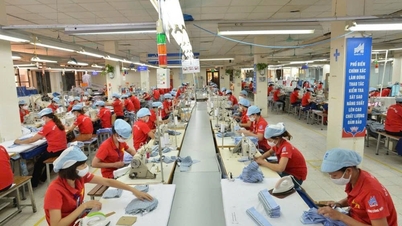
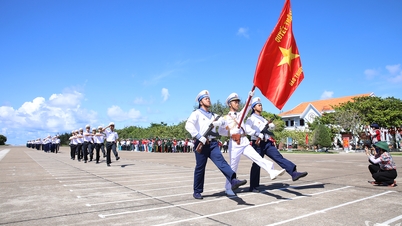
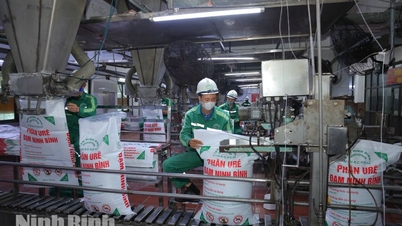
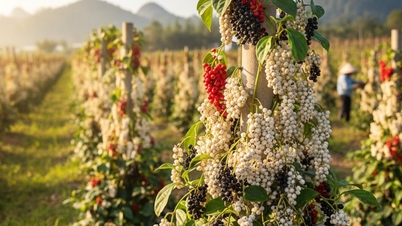
The revised planning of Dong Thap province for the period 2021-2030, with a vision to 2050, aims to become a province with rapid, modern, and sustainable industrial development by 2030. It also aims to be a pioneer in building an ecological agriculture , a modern rural area, and civilized farmers, ranking among the leading developed localities in the Mekong Delta region. Furthermore, it seeks to develop Dong Thap's culture and people comprehensively; improve people's living standards, promote socio-cultural progress, and ensure national defense and security.
Economically , the average annual economic growth rate (GRDP) over the five-year period (2026-2030) is projected to reach 9.5%, with a target of 10% per year. GRDP per capita is expected to reach VND 155 million by 2030. Export turnover is projected to reach USD 14.8 billion by 2030.
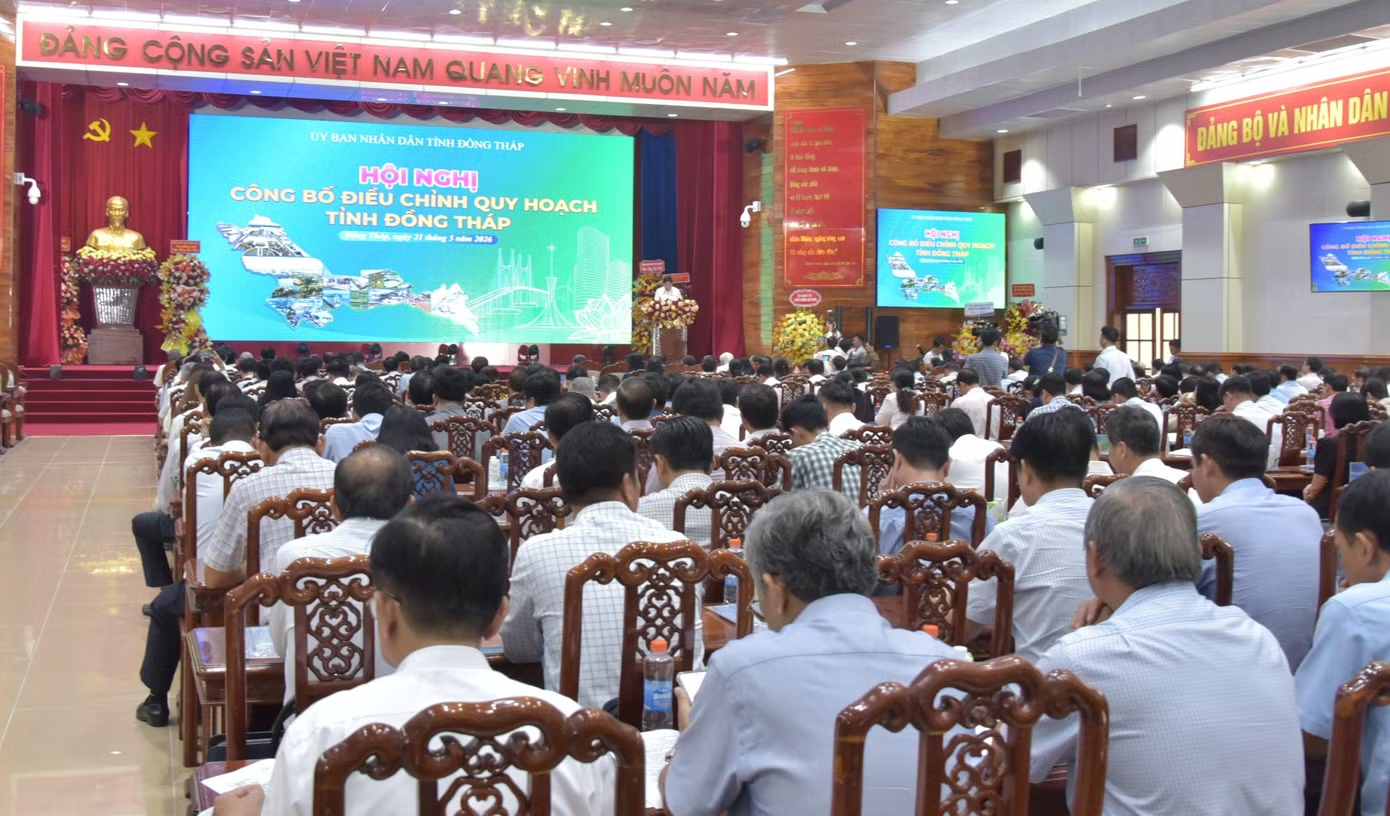
By 2050, Dong Thap aims to become a modern agricultural and ecotourism center of the region, ranking among the top in the country in several areas of agriculture and advanced industrial development. Dong Thap will become a "livable place".
Dong Thap province has oriented its development towards five socio-economic zones, including: the central zone along the Tien River; the zone south of the Tien River and north of the Hau River; the Dong Thap Muoi ecological agricultural economic zone; the marine economic zone; and the border socio-economic zone.
Regarding the provincial administrative center, after 2030, research should be conducted on relocating it to a new area (the former Cai Be - Cai Lay district area), when the necessary conditions and resources are met.
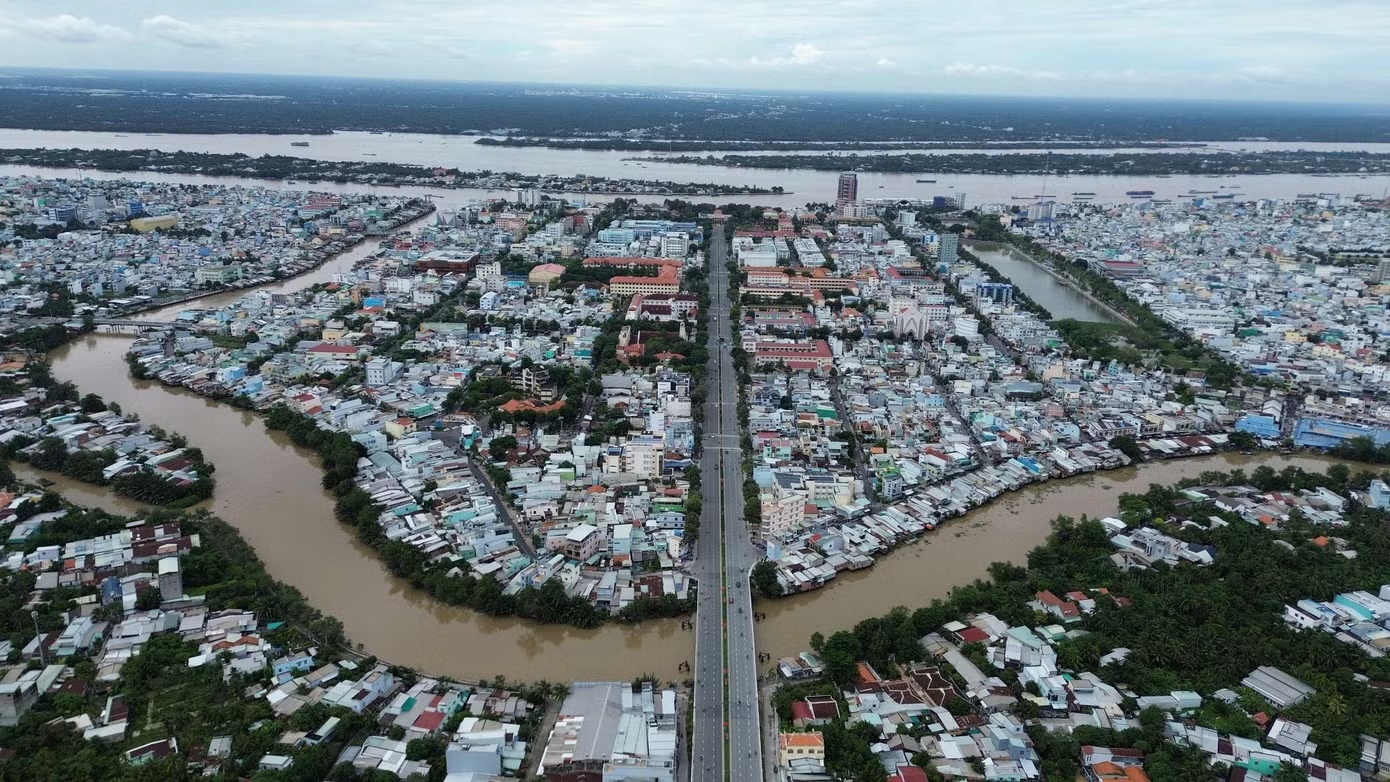
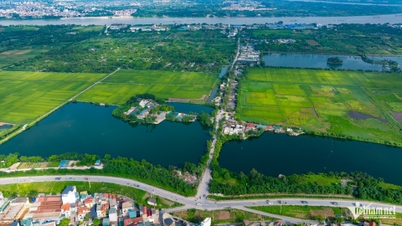
According to the plan, the Cai Be - Cai Lay area is identified as a new dynamic region because it lies on the vital transportation axis connecting Ho Chi Minh City with the Mekong Delta. This area is greatly benefiting from the gradually completed system of expressways (vertical and horizontal) and key national highways.
Currently, the administrative center of Dong Thap province is located in My Tho ward, about 160km from the border communes. If it is moved to the Cai Be - Cai Lay area, this distance will be reduced by almost half, helping to improve management efficiency and comprehensive connectivity between regions within the province.
To achieve these goals, the plan identifies a focus on developing a synchronous, modern, and climate-change-adaptive transportation infrastructure, with an emphasis on cross-border and multimodal logistics infrastructure, transforming Dong Thap into a transit hub for the Mekong sub-region.
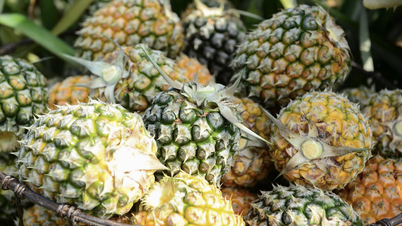
Dong Thap province prioritizes the implementation of key transportation projects connecting Ho Chi Minh City with the Mekong Delta region. It also focuses on developing a modern, high-tech, ecological agricultural sector linked to processing industries, value chains, and export markets. This is coupled with building a high-quality workforce, concentrating on fields such as information technology, healthcare, education, logistics, post-harvest technology, agricultural automation, environmental engineering, and food technology.
After merging with Tien Giang, the new Dong Thap province will have an area of over 5,900 km², with a population of over 4.2 million people.
Source: https://tienphong.vn/dong-thap-quy-hoach-5-vung-kinh-te-chien-luoc-post1845325.tpo















































































Comment (0)