TPO - According to agricultural experts, burying rice straw in waterlogged soil generates methane gas, causes organic poisoning, and degrades the soil. Burning straw, on the other hand, is like "burning money," because straw contains nutrients that are beneficial to the soil if properly processed and returned to the fields.
TPO - According to agricultural experts, burying rice straw in waterlogged soil generates methane gas, causes organic poisoning, and degrades the soil. Burning straw, on the other hand, is like "burning money," because straw contains nutrients that are beneficial to the soil if properly processed and returned to the fields.
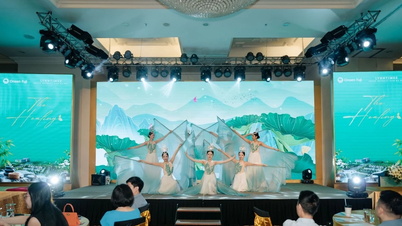
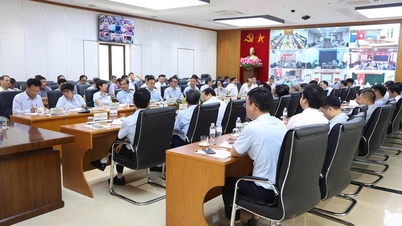
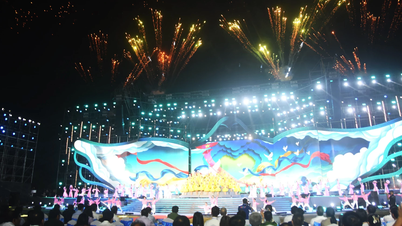
On the morning of October 25th, a workshop on linking the rice value chain to contribute to the implementation of the 1 million hectare high-quality rice project was held in Hau Giang.
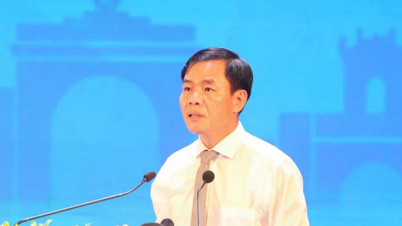
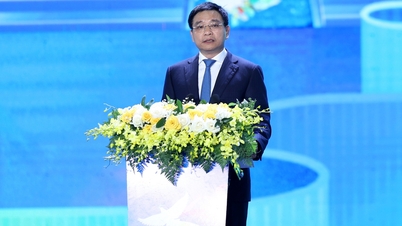
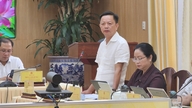
Mr. Truong Canh Tuyen, Permanent Vice Chairman of the People's Committee of Hau Giang province, said that Hau Giang was selected by the Ministry of Agriculture and Rural Development (MARD) to launch the Project on Sustainable Development of 1 million hectares of high-quality, low-emission specialized rice cultivation associated with green growth in the Mekong Delta region (the Project), at the end of 2023.
"The project not only brings direct benefits to rice farmers but also contributes to the goal of minimizing the negative impacts of climate change, reducing greenhouse gas emissions, and enhancing the value of the rice supply chain in a sustainable way," Mr. Tuyen said.
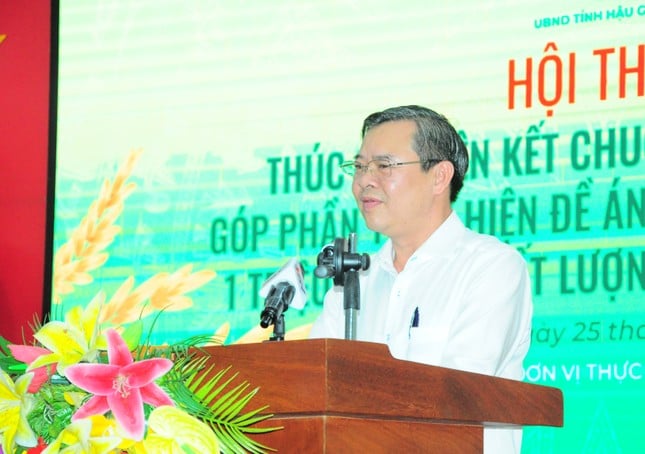 |
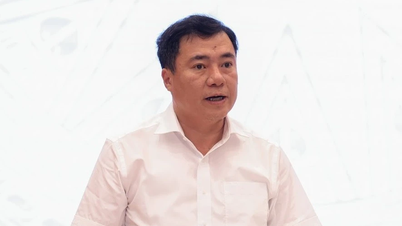
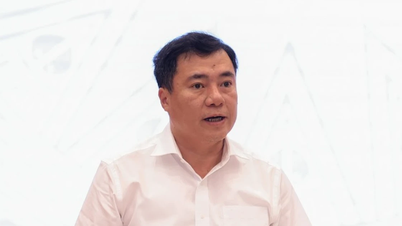
Mr. Truong Canh Tuyen - Standing Vice Chairman of the People's Committee of Hau Giang province. Photo: CK. |


Citing data from pilot models of the Summer-Autumn crop project recently implemented in Can Tho, Tra Vinh, and Soc Trang, Mr. Le Thanh Tung - Deputy Director of the Department of Crop Production, Ministry of Agriculture and Rural Development - stated that the average yield of the model reached 64.5 quintals/hectare, an increase of about 5 quintals/hectare compared to areas outside the model (59.8 quintals/hectare). In addition, greenhouse gas emissions decreased by more than 4.7 tons/hectare compared to traditional farming; seed usage decreased by 30-50%; and fertilizer use decreased by 30-70 kg of nitrogen/hectare…
Mr. Tung reiterated that the project's objective is not to sell carbon credits; the ultimate goal is to reduce production costs, increase value, increase profits, create linkages along the industry chain (reorganize production), adapt to climate change, and promote green growth.
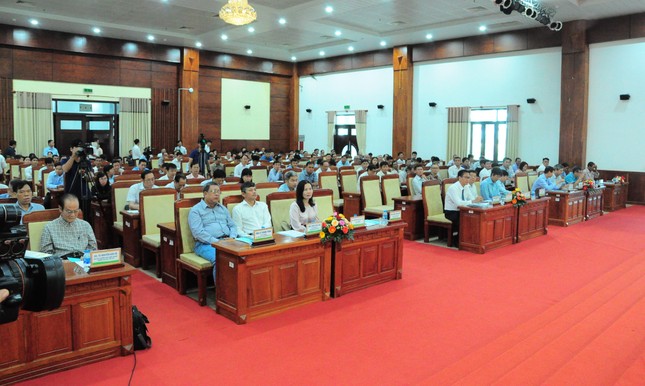 |
A view of the workshop. Photo: CK. |
Regarding emission reduction measurement, Associate Professor Dr. Mai Van Trinh - Director of the Institute of Agricultural Environment, Ministry of Agriculture and Rural Development - said that the Mekong Delta region has high potential for emission reduction. With the 1 million hectare high-quality rice project, it is necessary to reduce fertilizer use, avoid or limit the burying of fresh straw, and collect and compost straw to use as fertilizer in the fields…
Professor Nguyen Bao Ve, former Head of the Faculty of Agriculture at Can Tho University, argues that burying rice straw in waterlogged soil creates organic acids, which then generate methane gas, causing organic poisoning and soil degradation.
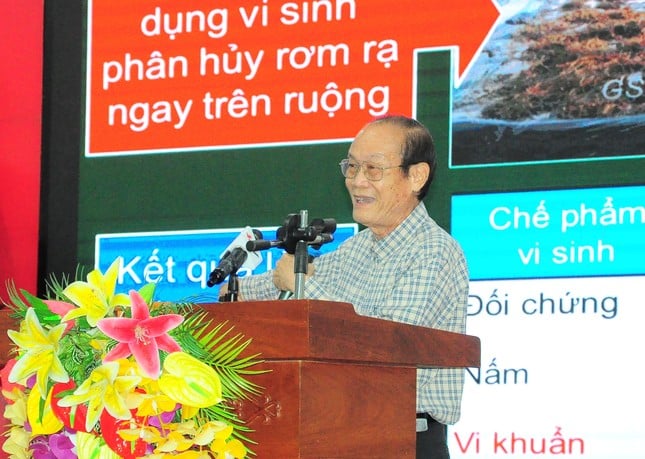 |
Professor Nguyen Bao Ve shared his insights at the conference. Photo: CK. |
According to Mr. Ve, burning straw is equivalent to "burning money," while selling straw is like "selling blood," because straw contains nutrients that are good for the soil if processed and returned to the fields. However, making organic fertilizer from straw and returning it to the soil requires a lot of labor and machinery. The proposed solution is to use combine harvesters to chop the straw and spread it evenly over the rice fields. Then, apply microorganisms to decompose the straw and immediately bury them in moist soil for effective microbial activity.
Mr. Ve also advised using slow-release fertilizers, sowing in clusters to bury fertilizer in the reducing layer, avoiding over-fertilization, and using fertilizers specifically designed for rice. In addition, alternating wet and dry irrigation and draining water between seasons will help reduce emissions; reduced emissions through reduced fertilizer use, reduced pests and diseases, reduced pesticides, and reduced costs...
Source: https://tienphong.vn/dot-rom-la-dot-tien-post1685479.tpo