

On a May day, Cancun International Airport (Mexico) was bustling with international travelers, handling hundreds of flights daily, despite temperatures reaching 37 degrees Celsius. Most visitors headed to resorts within Cancun, while others branched out to smaller cities surrounding the area, including Valladolid – a stopover for travelers visiting Chichen Itza, a 1,000-year-old Mayan city.
These photos were taken by Minh Duc, a tourist from Ho Chi Minh City, during his trip to explore Mexico.
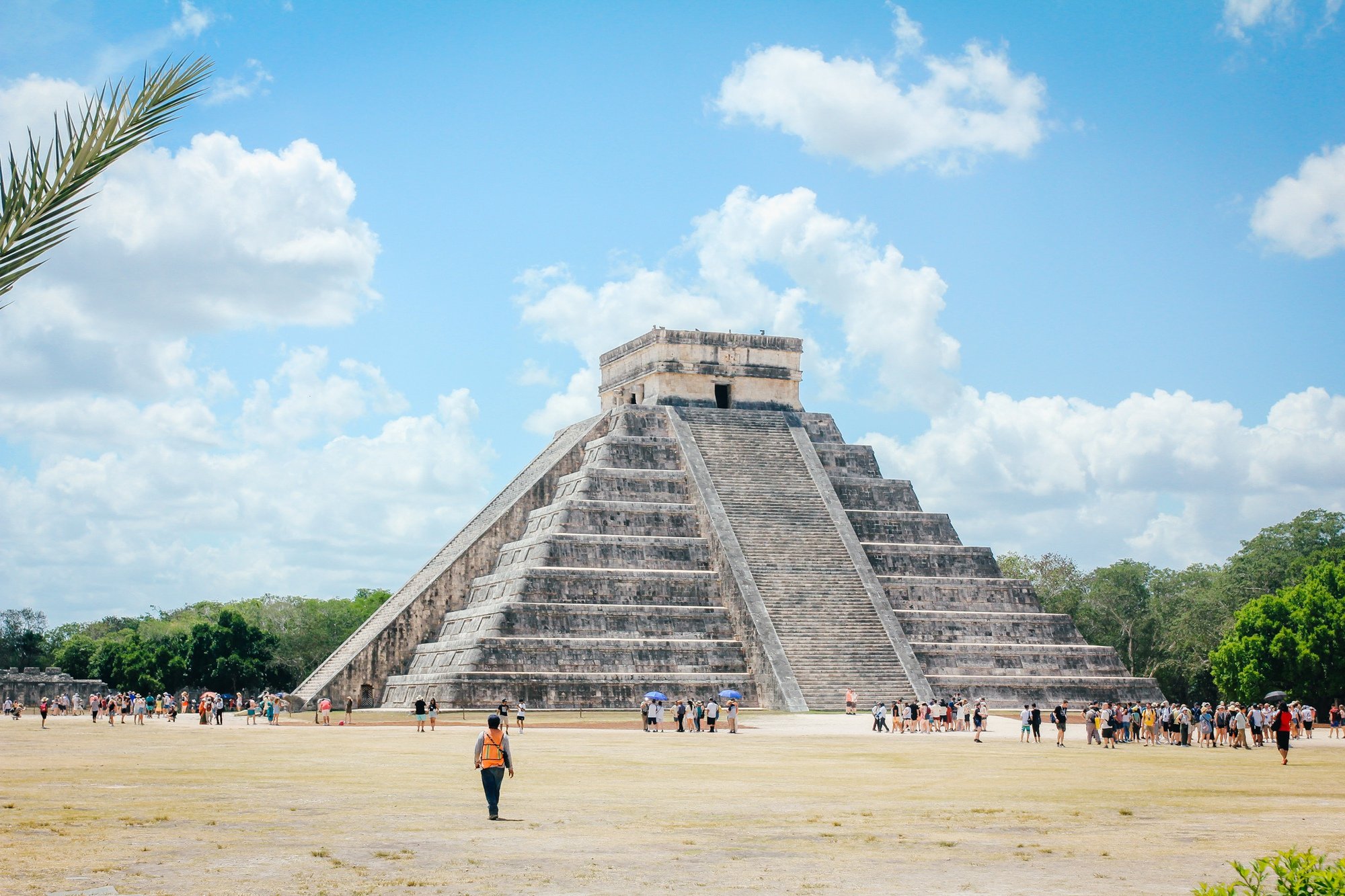
Chichen Itza has a rather expensive entrance fee, around 800,000 VND, almost double the price of a ticket to the Taj Mahal in India, but it is still cheaper than Machu Picchu in Peru.
To reach Chichen Itza, visitors can depart from Cancun, a distance of approximately 250 km, or about a 3-hour drive. Therefore, most visitors from Cancun arrive in Chichen Itza around midday when the temperature is high and there are many tourists. I chose to depart from Valladolid, located 40 km from Chichen Itza, taking a local bus from Valladolid at 7 am. It only took a little over 40 minutes to reach Chichen Itza, where I waited in line until it opened at 8 am.
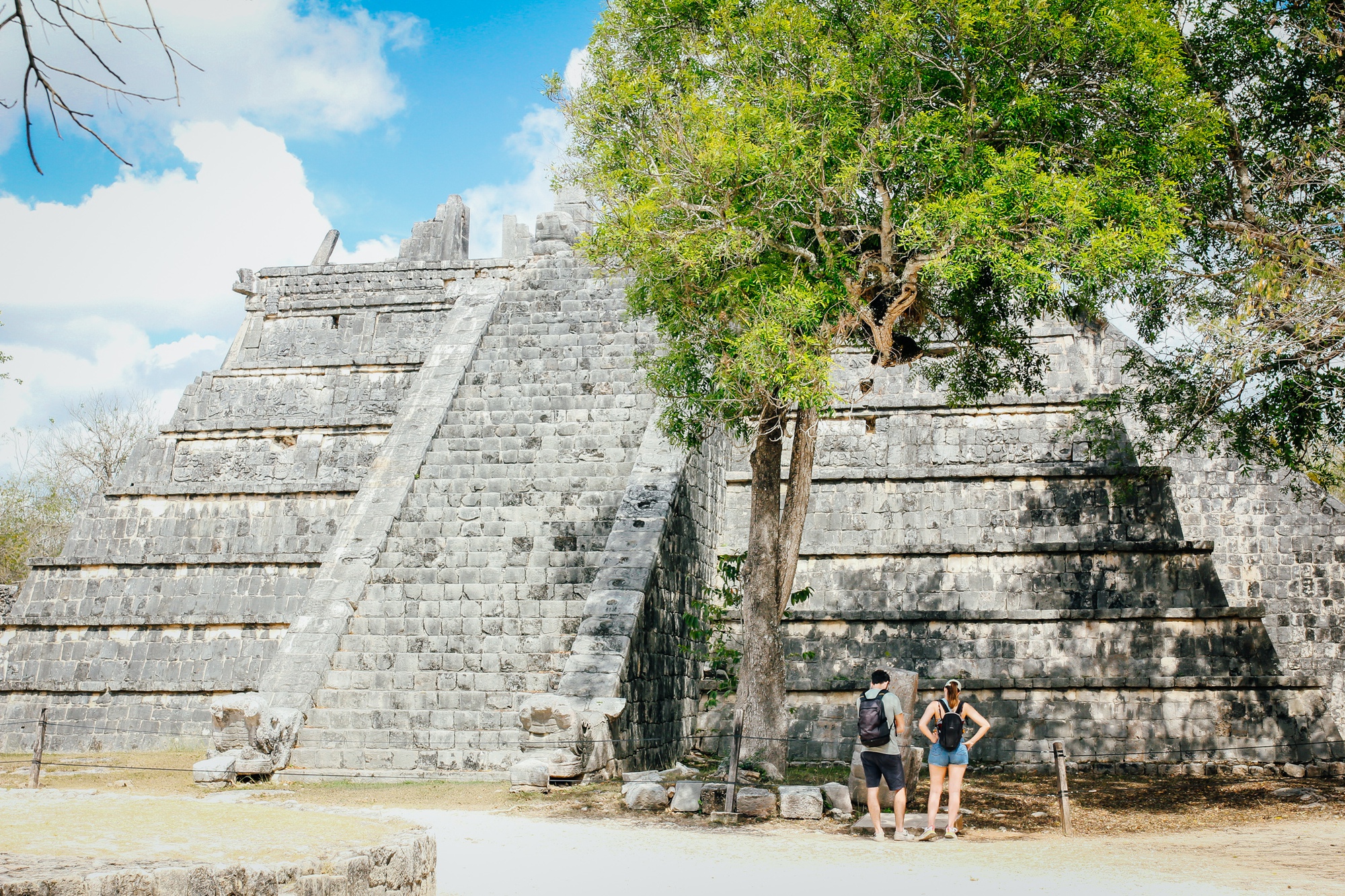
In ancient Mayan, Chichen Itza means "At the mouth of the well of Itza." This ancient city was formed and developed during the pre-Columbian period on the Yucatan Peninsula, Mexico, and was one of the largest ancient cities in Central America at that time.
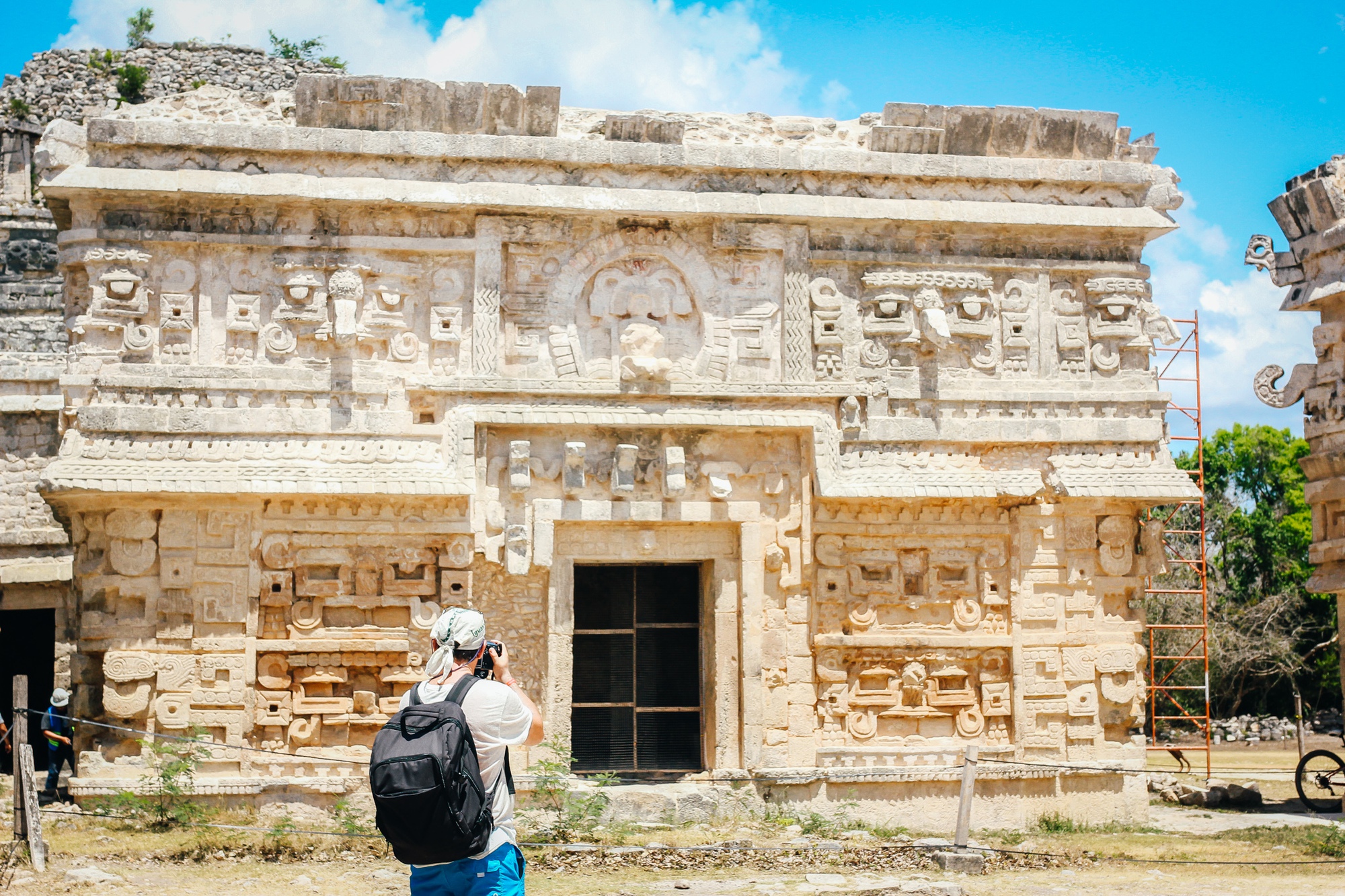
Chichen Itza was discovered in 1841 by an American explorer named John Lloyd Stephens. From 1841 until the end of the 20th century, the area was continuously studied by American and Mexican scientists and anthropologists.
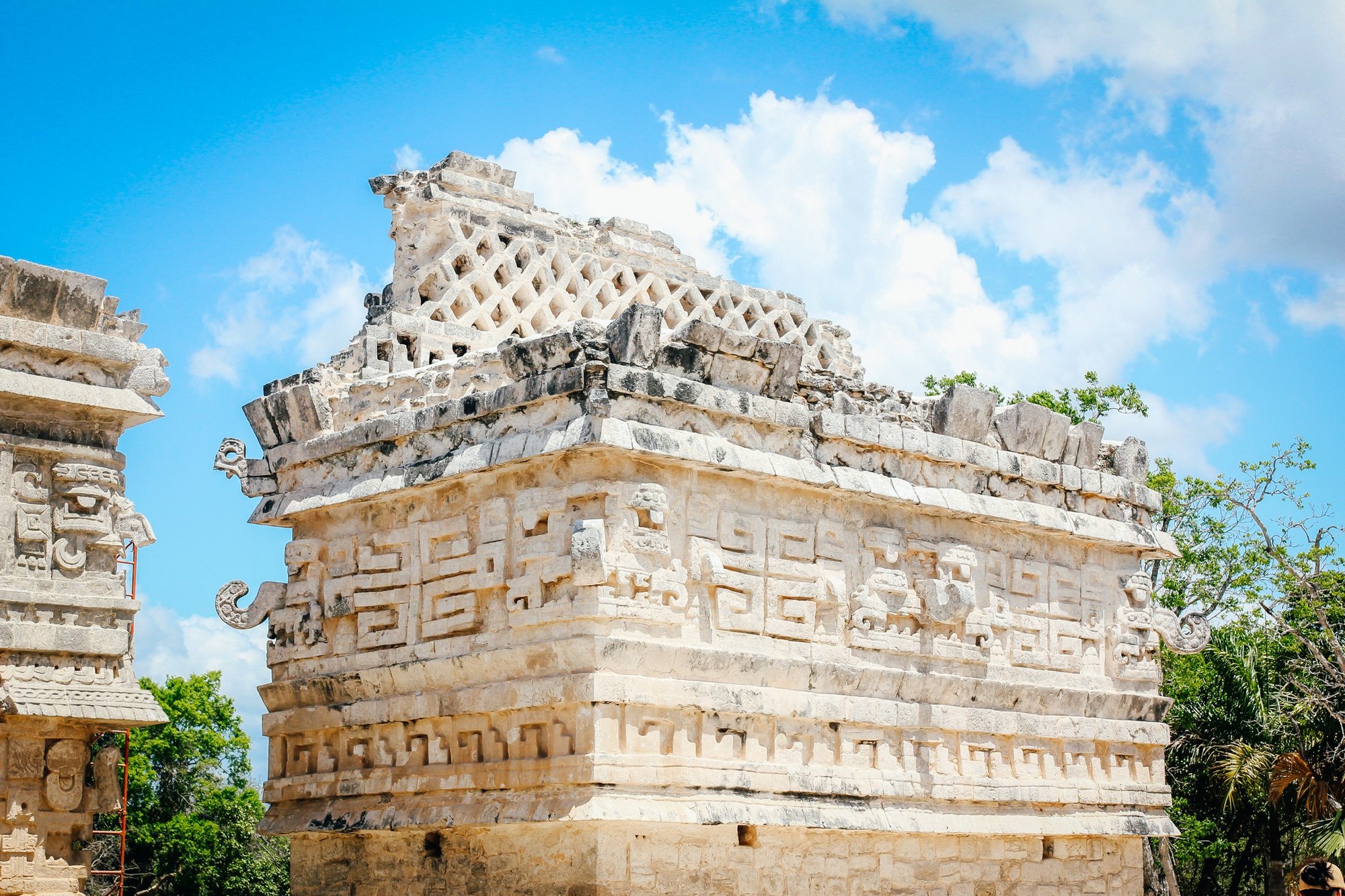
According to researchers, many structures at Chichen Itza remain undiscovered. Restoration and excavation activities are still ongoing at the site.
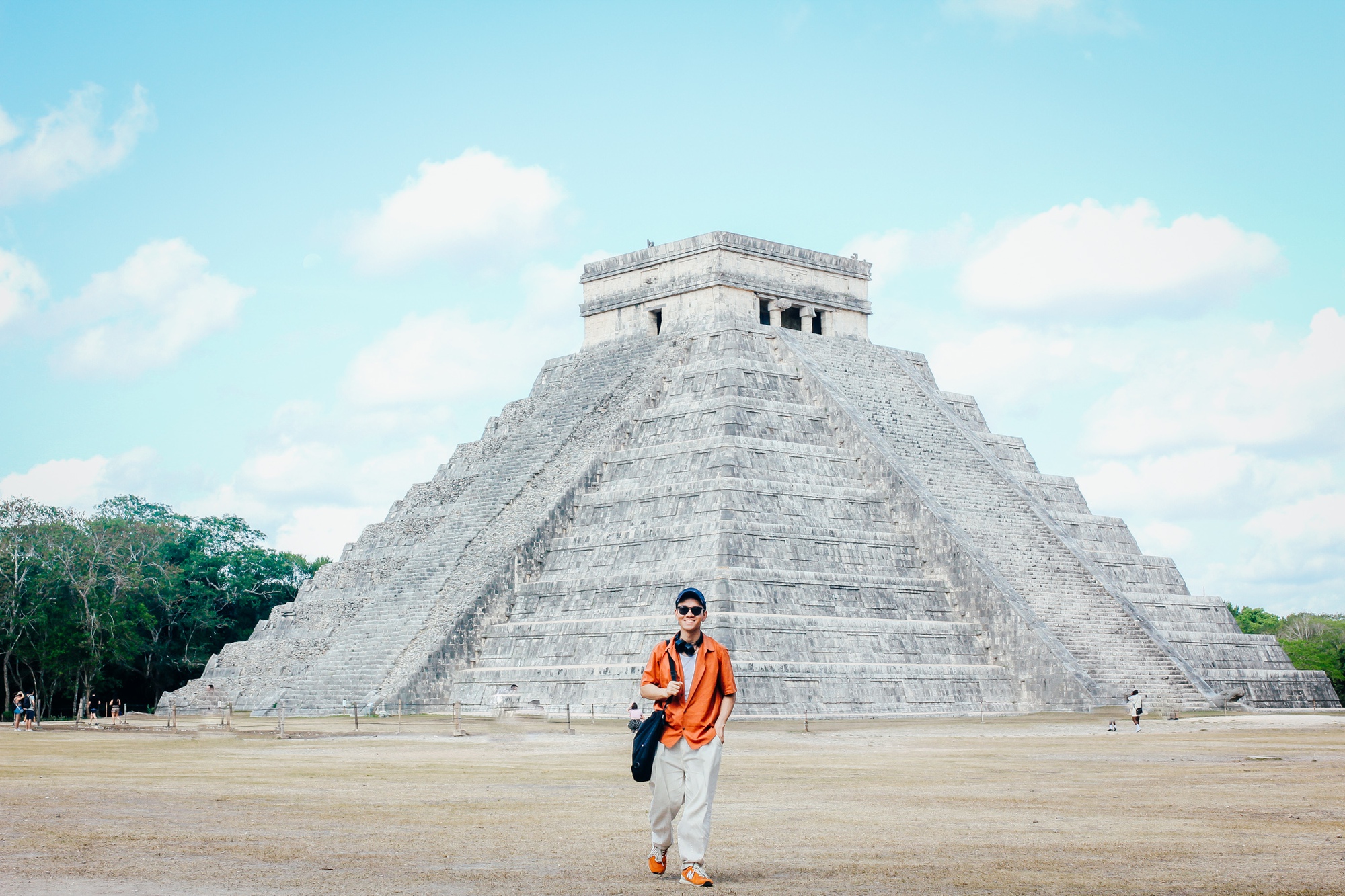
Visitors typically need about 3 hours to explore the entire Chichen Itza archaeological site. However, when mentioning Chichen Itza, many people immediately think of the El Castillo pyramid – also known as the Kukulkan temple, the most iconic structure of Chichen Itza with its impressive architecture.
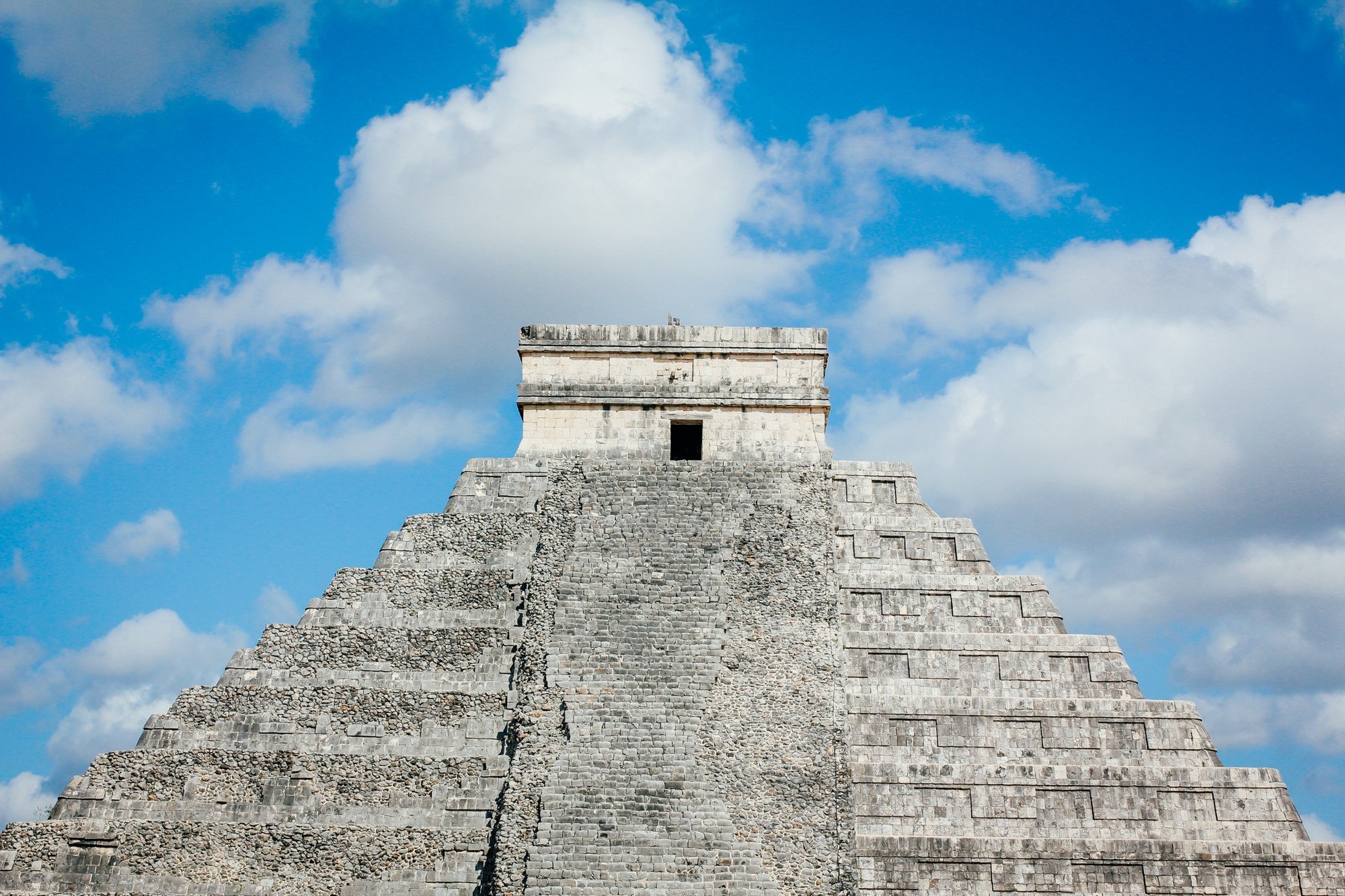
The Kukulkan Temple is associated with the Mayan creator god Kukulkan. The pyramid has four sides, each with 91 steps, totaling 364 steps plus the top, making a total of 365 steps – equivalent to the number of days in a solar year. On the spring and autumn equinoxes each year, the sun shining down on the pyramid creates the visual effect of a giant serpent winding from the top to the base. The structure holds significant value in architecture, art, and astrology within ancient Mayan culture.
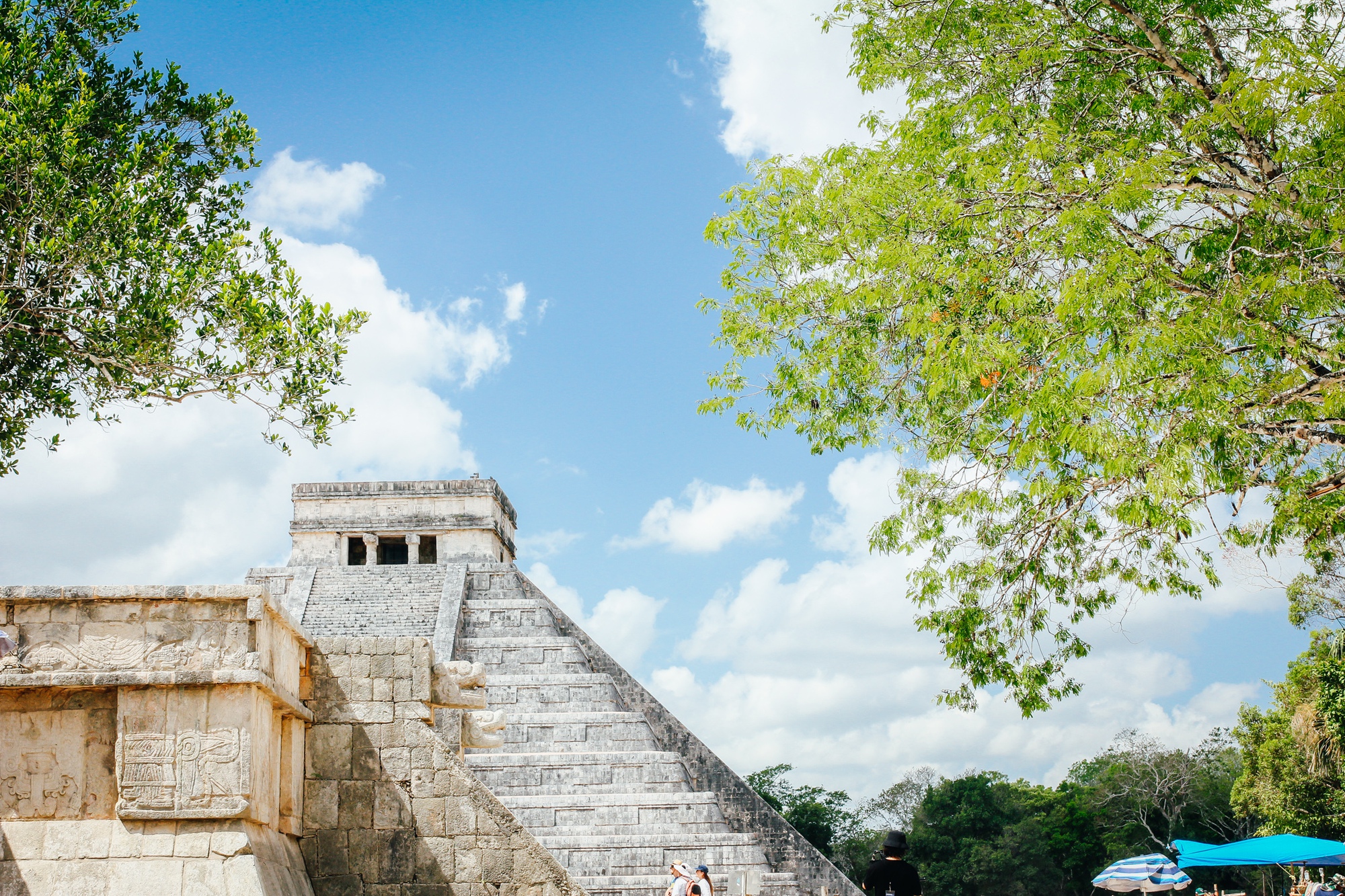
Previously, tourists could climb Kukulkan Temple, but for safety reasons, Chichen Itza has fenced off Kukulkan Temple to prevent tourists from climbing it.
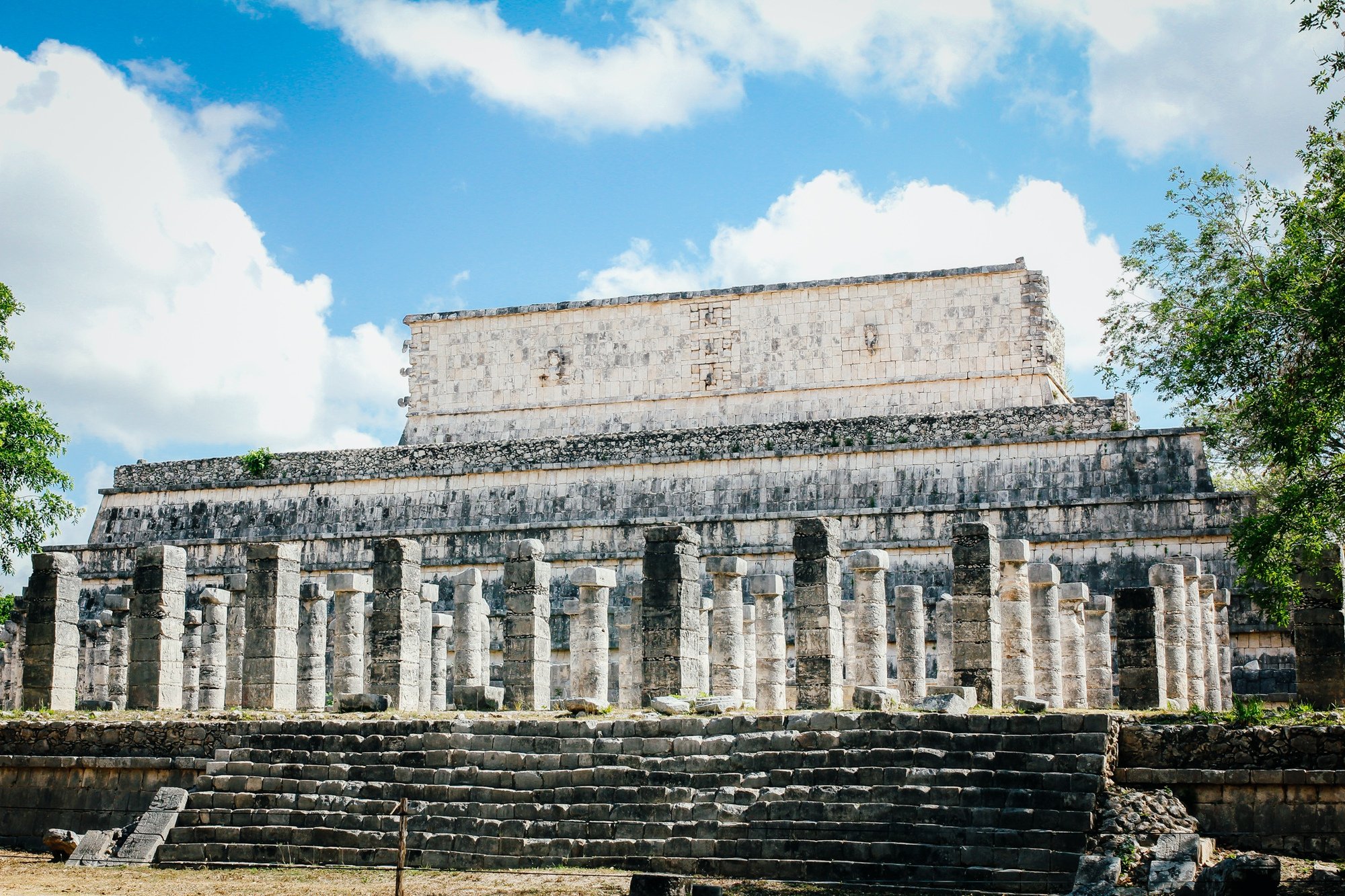
Besides Kukulkan Temple, the Temple of the Warriors is also a prominent structure in Chichen Itza. The building has four sides, decorated with elaborate carvings, and surrounded by a group of a thousand columns.
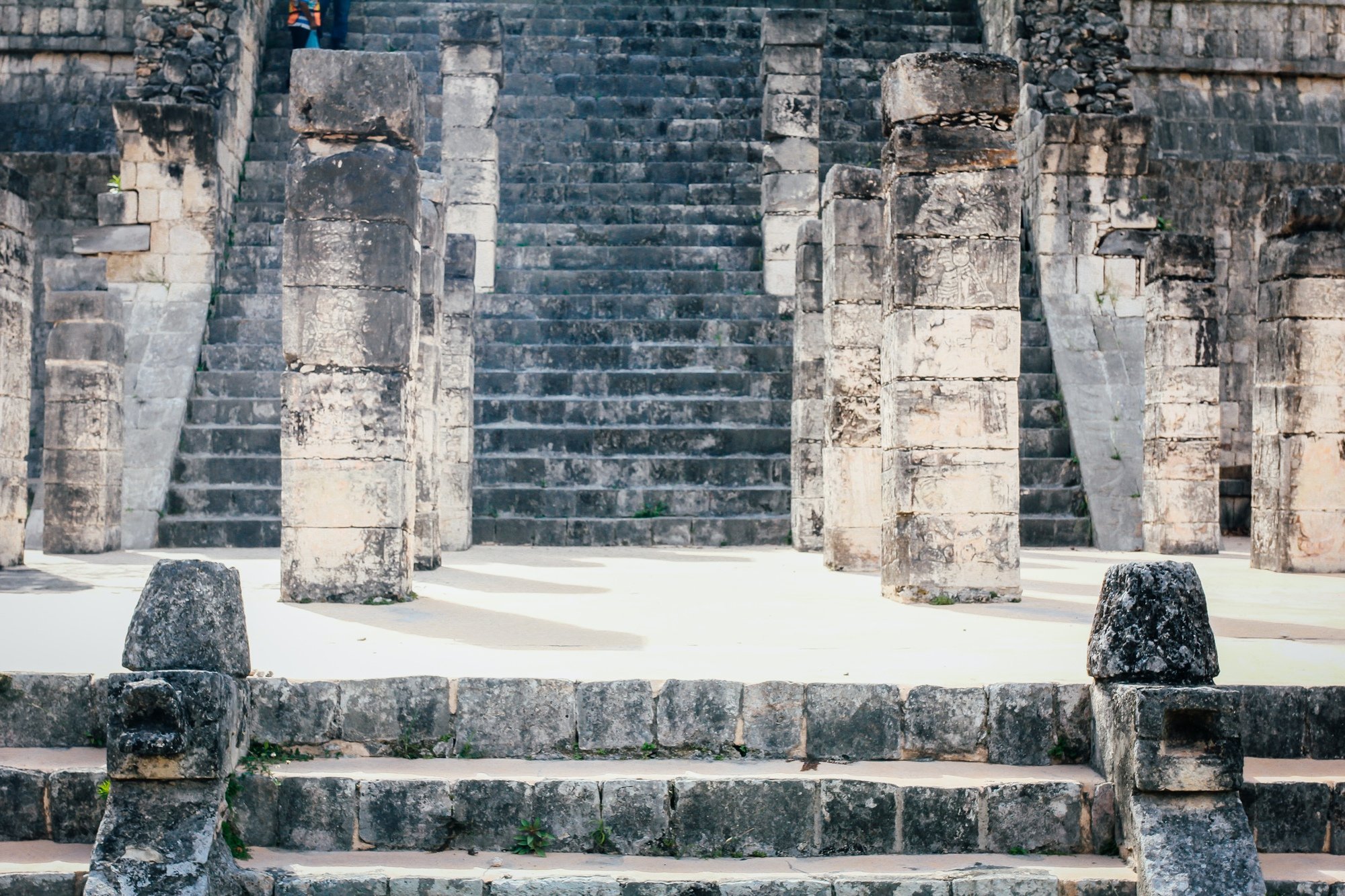
Beyond its architectural value, the Temple of Warriors helps researchers better understand the social structure, religious beliefs, and ritual practices of the ancient Maya.
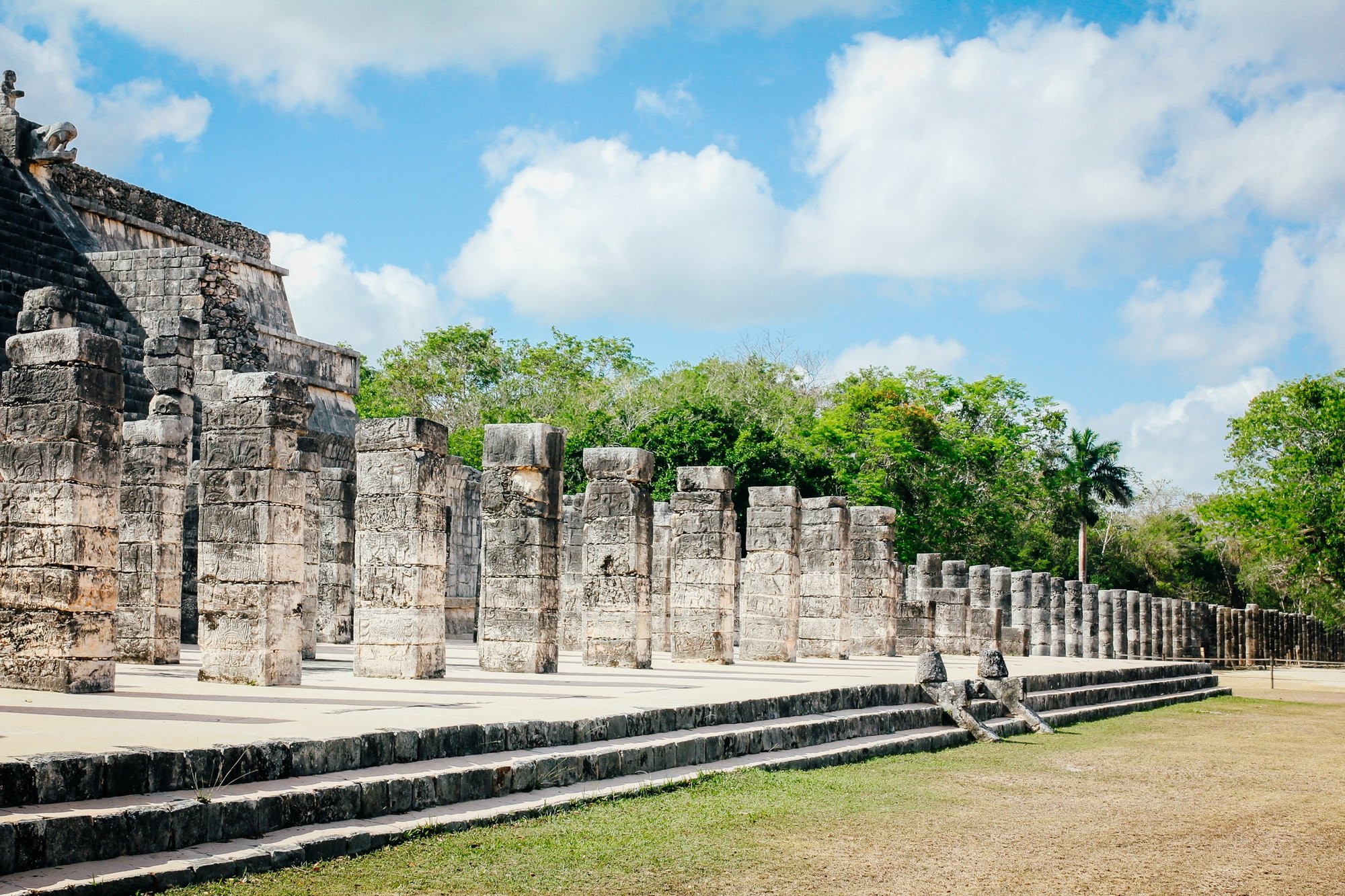
When visiting Chichen Itza, tourists cannot miss the Great Ball Court – a sporting arena of the ancient Maya. Beyond its purely sporting significance, the Great Ball Court also holds religious and political meaning. Players must use their hips, knees, or elbows to guide a solid rubber ball through a circle of stones suspended overhead.
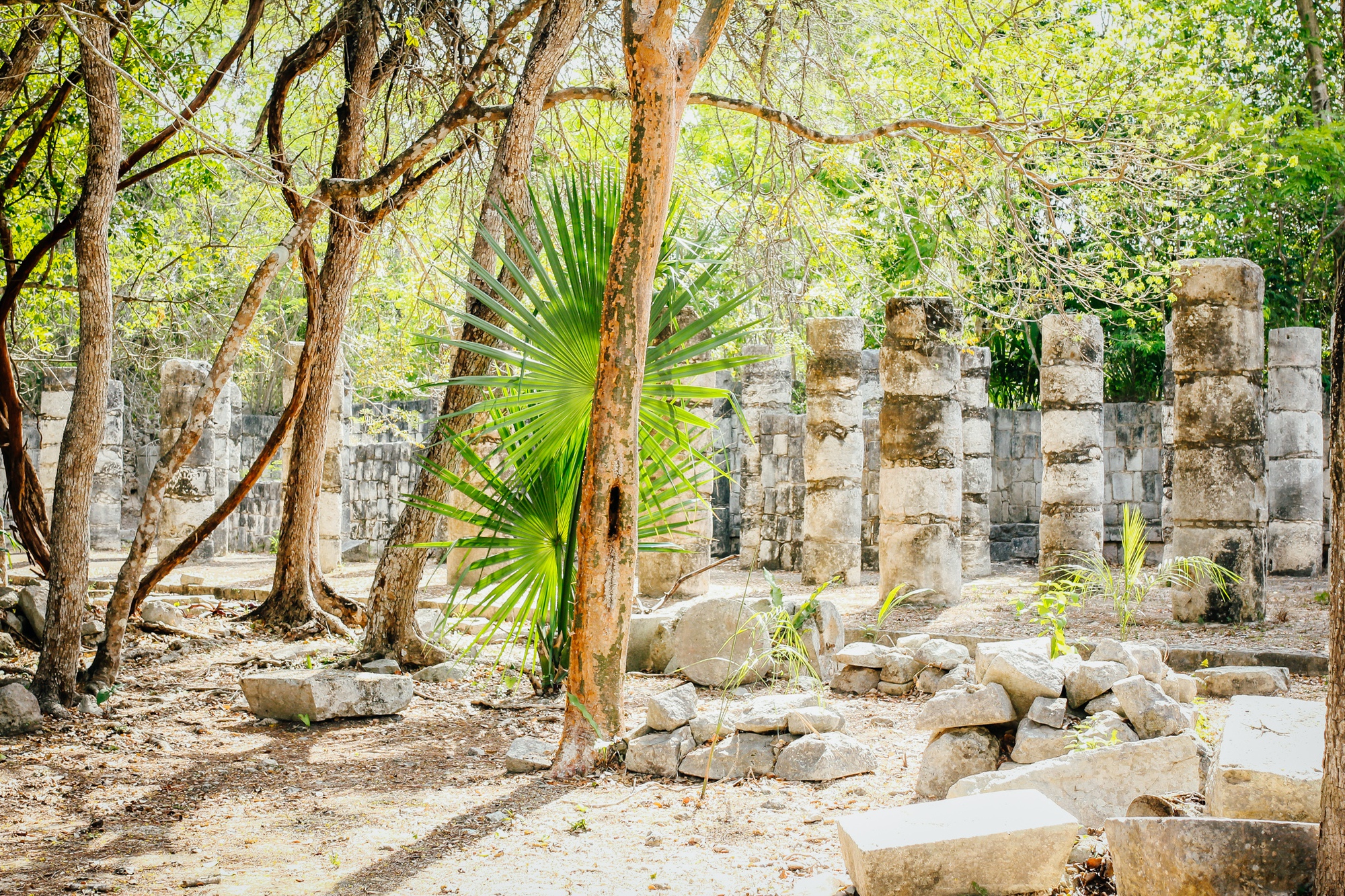
The game holds symbolic significance in Mesoamerican culture, representing the struggle between darkness and light, life and death. It was believed that the outcome of the game could influence harvests, rainfall, or the prosperity of the community.
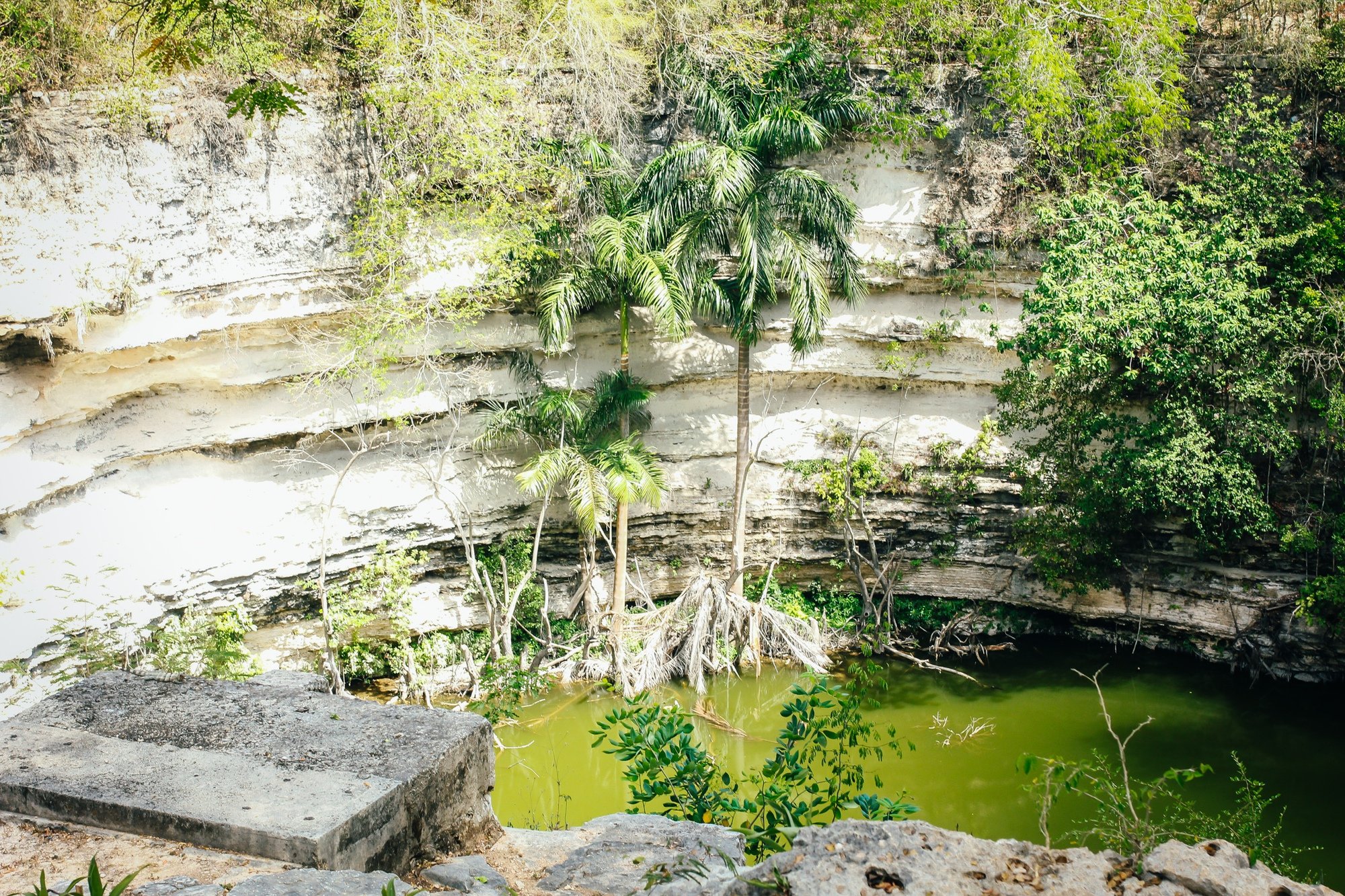
A unique natural feature closely associated with Mayan culture is the presence of sinkholes (cenotes). Essentially, these served as water sources for the people of the Yucatan region. Sagrado is one of the most important cenotes in the Chichen Itza archaeological complex. However, many theories suggest that human sacrifice once took place here, as human bones have been found beneath the Sagrado cenote.
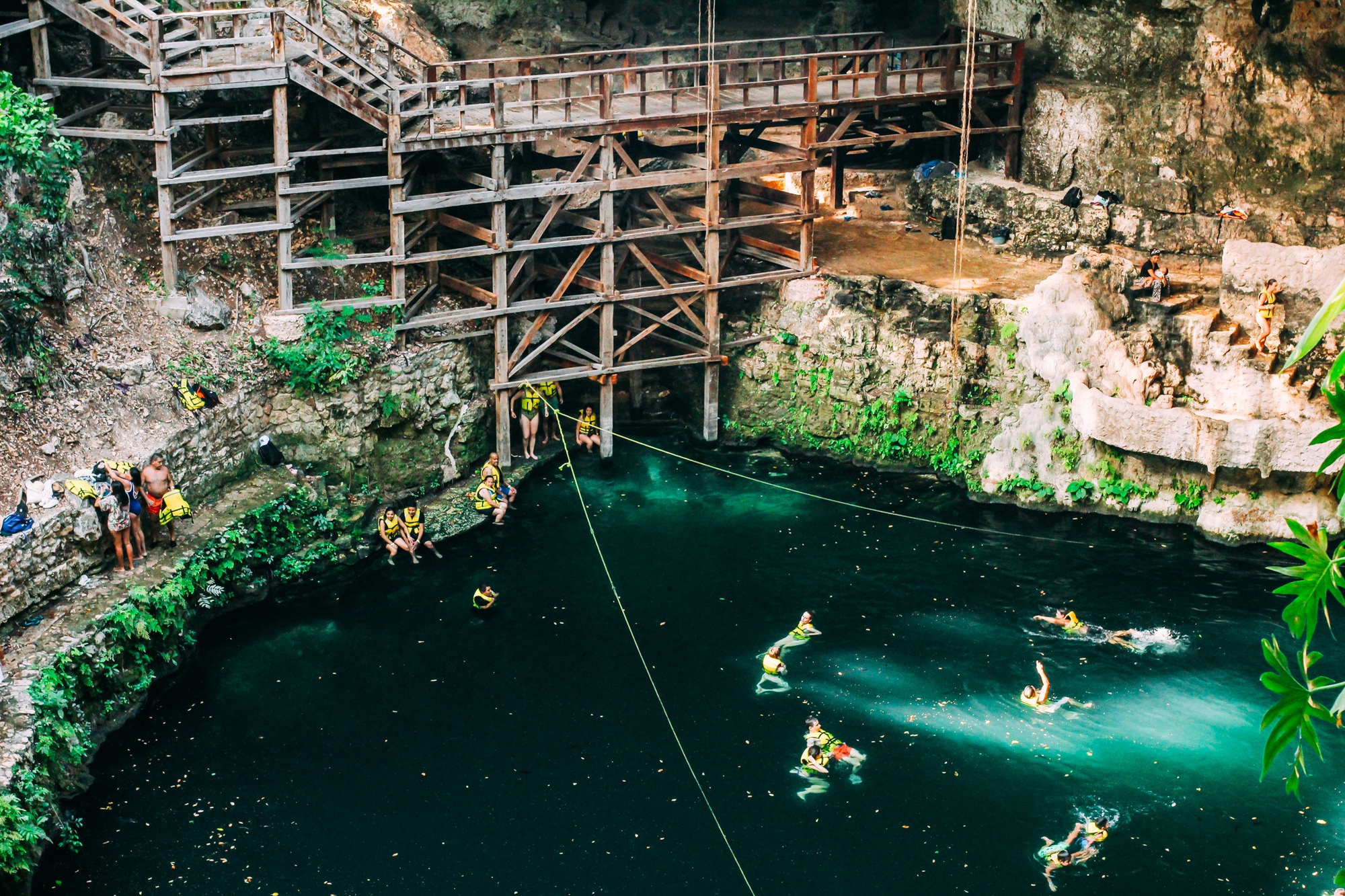
Today, the cenotes in the Yucatan region have become tourist attractions where visitors can swim.
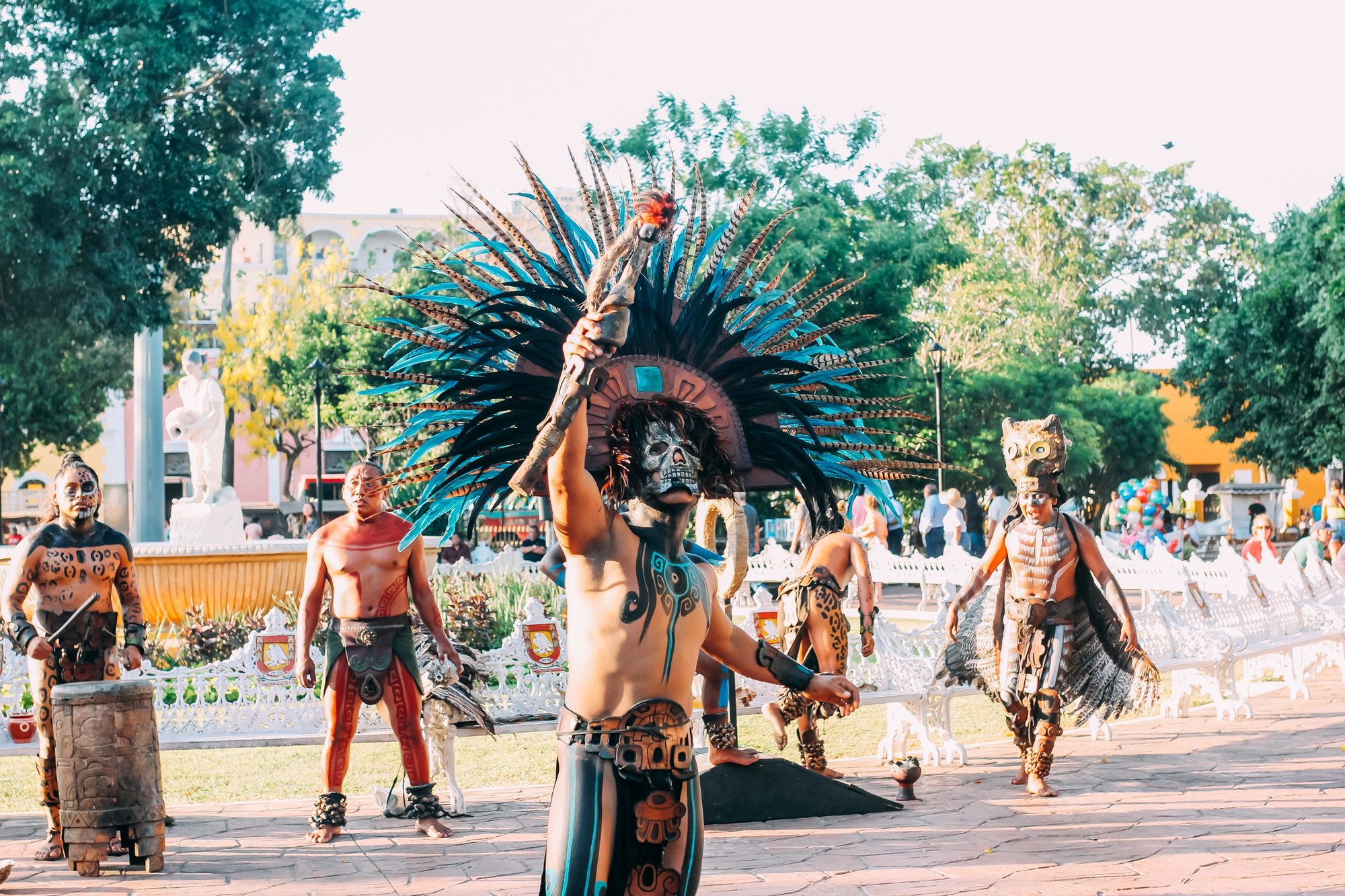
Besides visiting the main historical sites within the Chichen Itza complex, visitors can spend time shopping for souvenirs. At any building within the complex, visitors can find stalls selling handicrafts and decorative items characteristic of Mayan culture in particular and Mexican culture in general.
It is estimated that Chichen Itza attracts nearly 3 million visitors from around the world each year, making it one of the most popular tourist destinations in Mexico and Central America.
Source link

![[Photo] Prime Minister Pham Minh Chinh presides over a meeting on private sector economic development.](/_next/image?url=https%3A%2F%2Fvphoto.vietnam.vn%2Fthumb%2F1200x675%2Fvietnam%2Fresource%2FIMAGE%2F2025%2F12%2F20%2F1766237501876_thiet-ke-chua-co-ten-40-png.webp&w=3840&q=75)

![[Photo] Prime Minister Pham Minh Chinh presides over the conference announcing the establishment of the International Finance Centre in Vietnam.](/_next/image?url=https%3A%2F%2Fvphoto.vietnam.vn%2Fthumb%2F1200x675%2Fvietnam%2Fresource%2FIMAGE%2F2025%2F12%2F21%2F1766309817714_ndo_br_dsc-3400-jpg.webp&w=3840&q=75)





































































Comment (0)