

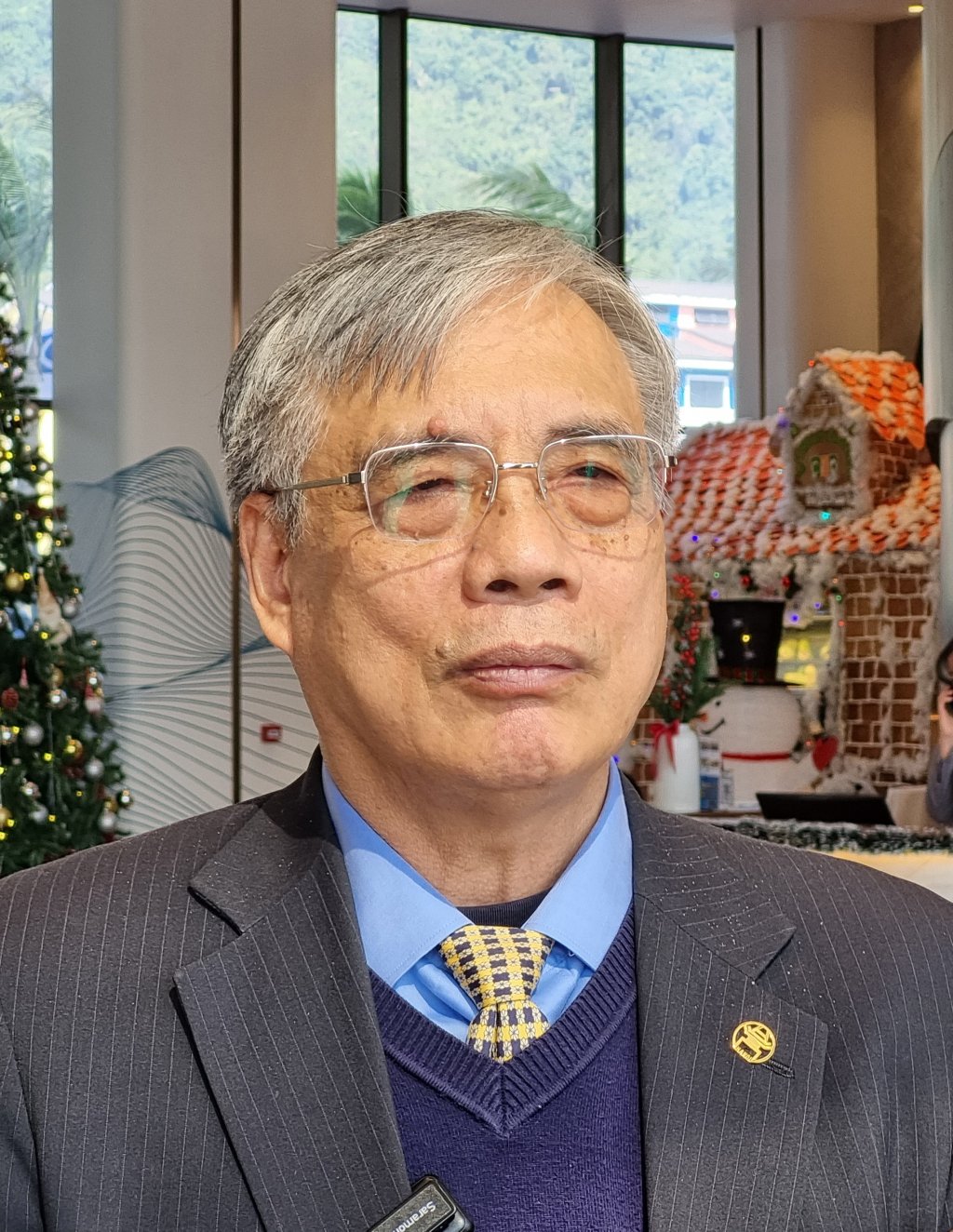
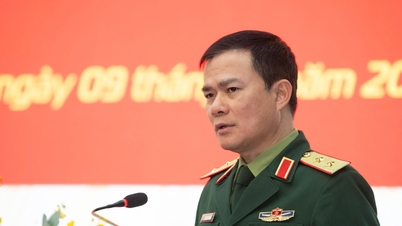
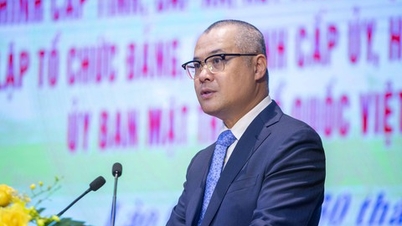
With his extensive knowledge and rich practical experience, Associate Professor Dr. Tran Dinh Thien (pictured) , former Director of the Vietnam Institute of Economics , highly appreciated the opinions of many scientists and experts at the heritage economics workshop held in Van Don at the end of 2024. In a conversation with reporters, he had frank discussions and offered many ideas on how to exploit and promote the value of heritage sites in Quang Ninh to their full potential.
- Sir, some argue that heritage is a unique asset. So, what special mechanisms are needed to harness this unique asset?
For a long time, heritage has been a source of pride, cared for, and preserved, but it hasn't been considered a source of capital. Essentially, heritage is a burden, requiring investment rather than a means of generating income. Now, reversing that perspective and treating it as a source of capital immediately makes it special. However, for temples, pagodas, and other intangible cultural heritage sites to become resources and drivers for development, improving living standards and creating a brand for the locality and the country, special and unique conditions, mechanisms, and efforts are needed.
This can be considered a fundamental transformation. Furthermore, for this special type of capital to become a valuable resource, it must be ensured by its relevance to the modern era. For example, for heritage to generate revenue, it must be globally connected; tourism confined to a single village will not be profitable. Similarly, technology must be advanced enough to promote and convey images of the past to the future so that people will understand it. This approach aims to guide our policies and attitudes towards this special type of capital and resource in an unconventional way, rather than following conventional methods.
So, given what Quang Ninh currently has and what it possesses, is the time ripe for Quang Ninh to consider developing its economy from its cultural heritage?
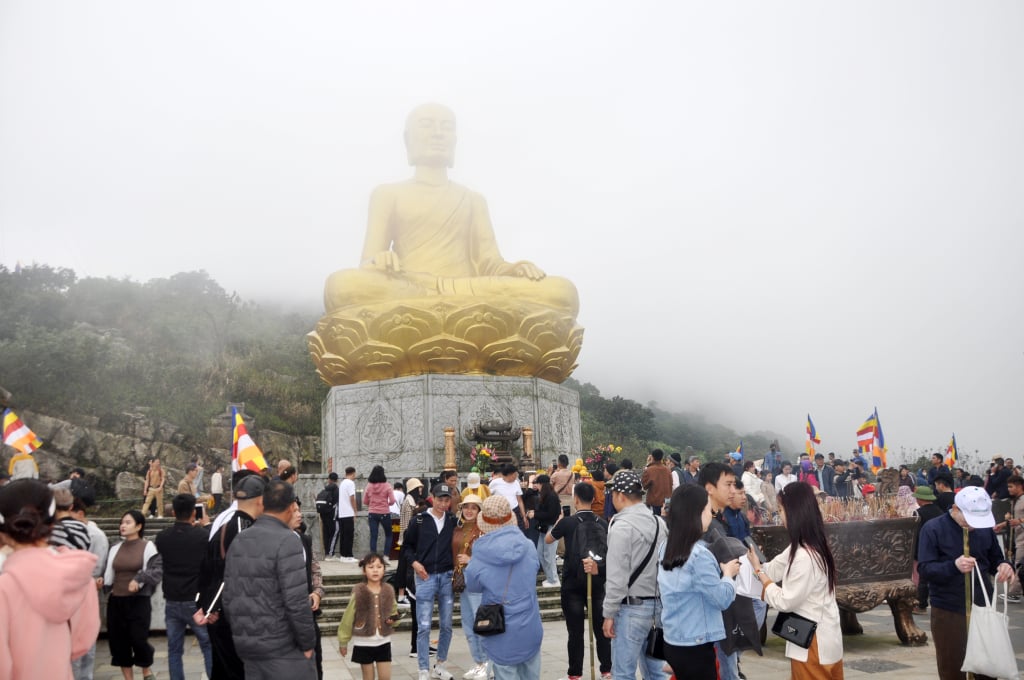
+ In our country, over the past 10-15 years, with the tourism boom, many heritage sites have become valuable resources, although the way they are utilized isn't perfect everywhere. However, it's clear that Vietnamese people are very quick to adapt; the momentum, the approach, and the friendliness of the people have made these heritage sites shine. Many localities have developed tourism very well, making Vietnam a shining example of heritage tourism on the world tourism map.
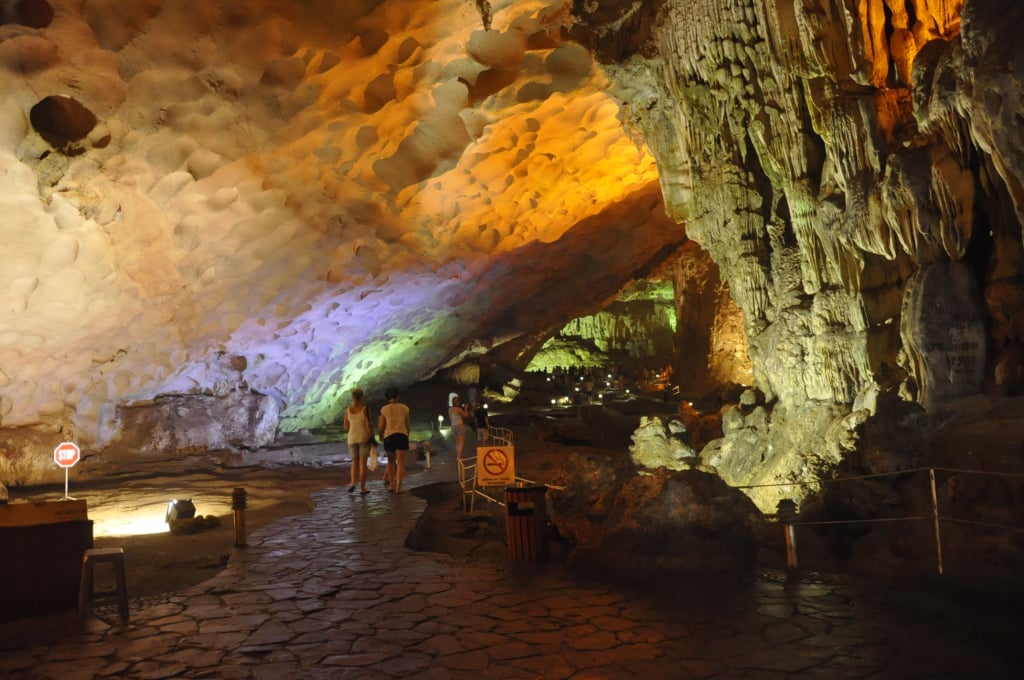
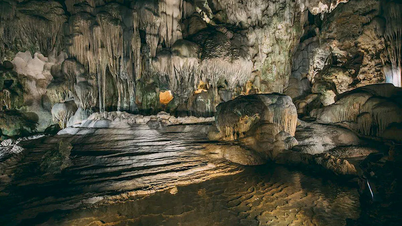
In that picture, Quang Ninh stands out as a particularly bright spot, because its tourism assets are essentially rare and extraordinary heritage sites. We have Ha Long Bay, which has been recognized several times as a World Heritage Site and Wonder. These titles affirm that we possess a precious asset not only for the country but for humanity.
Quang Ninh often uses the concept of convergence and development. Here, it means converging resources; we find ways to gather what we lack. Financial resources and tourism resources are a unique characteristic. The heritage sites of Yen Tu, the Tran Dynasty, and Bach Dang are unparalleled advantages, integrated with the natural heritage of the three bays of Ha Long, Lan Ha, and Bai Tu Long – a combination unmatched anywhere else. The only problem is that we lack the strength and the true understanding of how to transform these values into real competitive advantages, bringing about development commensurate with their potential. Therefore, I say that the vision is insufficient, the investment is inadequate, and the national attention is not up to par.
What does "not up to par" mean? This isn't just Quang Ninh's personal asset; it belongs to the nation. The nation needs resources and policies in place, and only then will those resources truly shine, and only then will they bring value.
By converging resources and leveraging advantages, the benefits will undoubtedly be enjoyed by the people of Quang Ninh, who rightfully deserve to be the first to benefit, as this is their very land. Not only that, the entire country will benefit, and the world will benefit, because we share this beauty with the world, and international tourists pay to experience it. This is how we approach the issue of promoting the value of our heritage; it has existed for a long time, but now it has become our strength, and we must take responsibility for it.
I think that Quang Ninh's approach over the past few decades in shifting its development orientation from brown to green, with a focus on tourism, is aimed at leveraging its extremely valuable and rare potential. With pioneering and groundbreaking solutions, we hope to see a significant transformation in the coming period. Now that the country is aware of this, I believe Quang Ninh's heritage has even more opportunities to flourish.
- What pioneering and groundbreaking solutions do you expect Quang Ninh to implement, specifically in which areas?
+ For example, if you want to develop tourism, the prerequisite is that the city must be beautiful. Now, Ha Long city is starting to become beautiful, but it's still not truly up to par. Or, you have to find ways to connect with the world. Of course, it's connected to the world now, but it's not yet convenient. For example, Van Don airport hasn't been fully utilized; it doesn't have many aircraft or international flight routes... This is not just a story for Van Don airport, but for the whole country. From recognizing the importance of Ha Long and Quang Ninh, Van Don airport must truly be up to international standards before it can be considered a world-class airport.
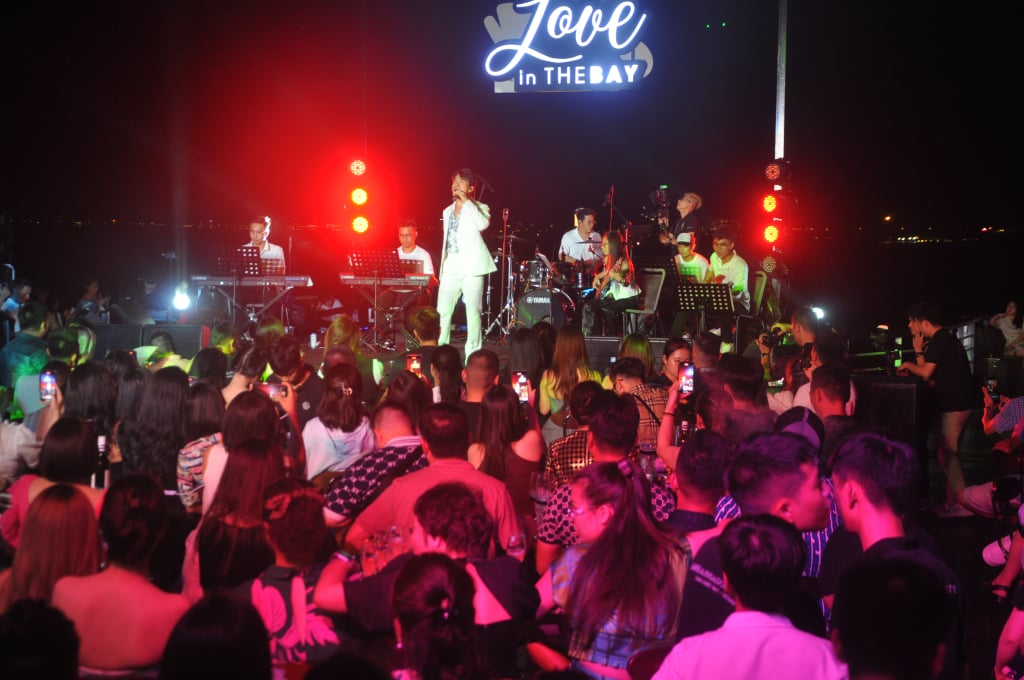
And is the workforce sufficient? It's probably still at a very low level. We need to upgrade our services to attract tourists who are worthy of Quang Ninh's beauty, not just any kind of visitor. Everyone has the right to come here and enjoy themselves, but they must treat Quang Ninh with the right attitude. Mass tourism, which lowers the quality of Quang Ninh's tourism, is unacceptable. To achieve this, we need mechanisms and policies for businesses. Businesses must know how to operate, not just randomly invite groups of tourists with very low spending, wasting resources here.
We want the approach to start from the central government, considering Quang Ninh's role from a national perspective. The first step should be a vision, followed by a strategy, and then implementation solutions such as attracting businesses, for example, a strategy to connect Ha Long with other tourist destinations. Then there's urban development, human resource strategies, etc. I believe that when businesses come, they will proactively propose specific solutions and take action to ensure the proper exploitation of Quang Ninh's heritage values.
- The development of heritage tourism, such as Ha Long Bay, currently faces many obstacles related to mechanisms and policies. So, in your opinion, how can these obstacles be removed to develop it on a larger scale or to serve high-end tourists?
Developing tourism is extremely difficult, even more so than developing industry. Therefore, first of all, let alone developing tourism on the scale of Quang Ninh, doing it the right way and in the right style is already very difficult. It requires meticulous planning and specific solutions. That's why our Party calls it a key sector; we must focus on it, adopt a different attitude towards the tourism industry, one that is commensurate with its role and mission for this country, as defined by the Party and the State.
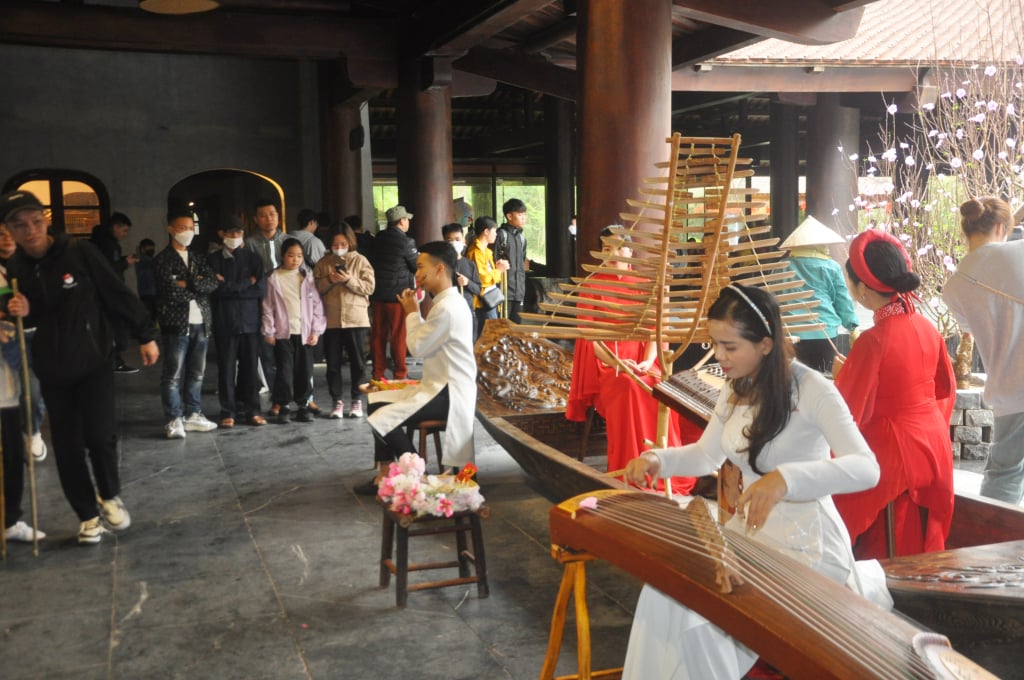
Secondly, tourism development is a national mission for Quang Ninh. Developing Ha Long Bay, Bai Tu Long Bay, Yen Tu... and connecting this entire complex to Hai Phong is a national mission, not just a matter for Quang Ninh alone. However, for a long time, the development of these areas has been treated almost exclusively as Quang Ninh's responsibility. Therefore, to achieve this, a unique system of policies and mechanisms is needed, unlike that of a mountainous province, a poor province, or a lowland province. These are national assets, so the policies and mechanisms to support, protect, and promote them must be different from those of other provinces.
That's the first factor to identify. The specifics of that solution system are still a long way off, but creating that difference will transform the entire image of Vietnamese tourism, generating a huge impact and showcasing an incredibly wonderful national image. For example, to put it simply, for Van Don Airport to truly live up to its status as a proper international airport, it needs its own mechanisms and policies. Other places might have reservations, but given its role and the mission Quang Ninh is undertaking, it must be...
Secondly, resources must also be increased. What are these resources? They should allow Quang Ninh to be more proactive and creative in approaching international investors, in transforming this entire urban chain into something truly unique, like Dubai, for example... That's the approach needed. If it's just general mechanisms and policies, it will be restrictive and not encouraging. Giving Quang Ninh more autonomy, self-determination, self-action, and self-responsibility, befitting its national and international stature, is the only way to seize opportunities; otherwise, they will be lost.
Thank you for the conversation!
Source



















































Comment (0)