

 |
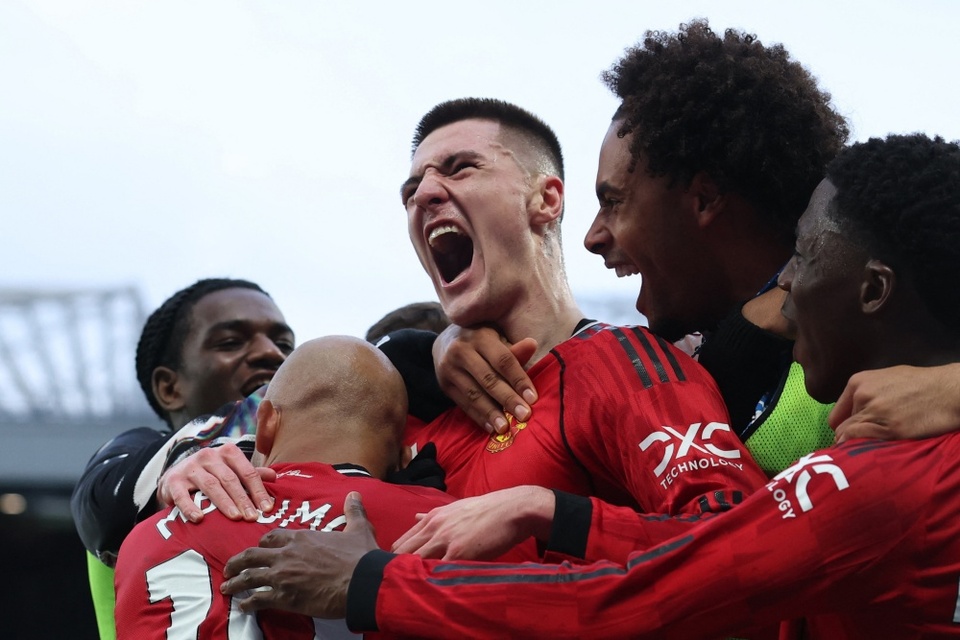
Sesko scored the winning goal for Manchester United against Fulham last weekend. |
When Michael Carrick took over as interim manager, Manchester United shifted their playing style towards a more pragmatic and safer approach. This adjustment immediately impacted a name with high expectations: Benjamin Sesko.
The Slovenian striker unexpectedly lost his starting place, ceding the center forward position to Bryan Mbeumo. For many, this was a sign that Sesko was no longer a priority. But in reality, the story at Old Trafford is much more complex and has a longer history.
Carrick needs results, not experiments.
In the first three games under Carrick, Sesko started on the bench. This wasn't a personal decision, but reflected the interim manager's clear priority: winning first.
Carrick chose Bryan Mbeumo for the center-forward role because of his consistency, off-ball movement, and good link-up play with Bruno Fernandes, who was moved to play as a number 10. That choice quickly proved effective.
MU played more neatly, with less risk, and most importantly, they earned points. Given that Carrick only managed the team for a short time, he didn't have much room for long-term experimentation. Putting faith in Mbeumo was the least risky option, especially when the club needed to quickly stabilize after a period of turmoil on the coaching bench.
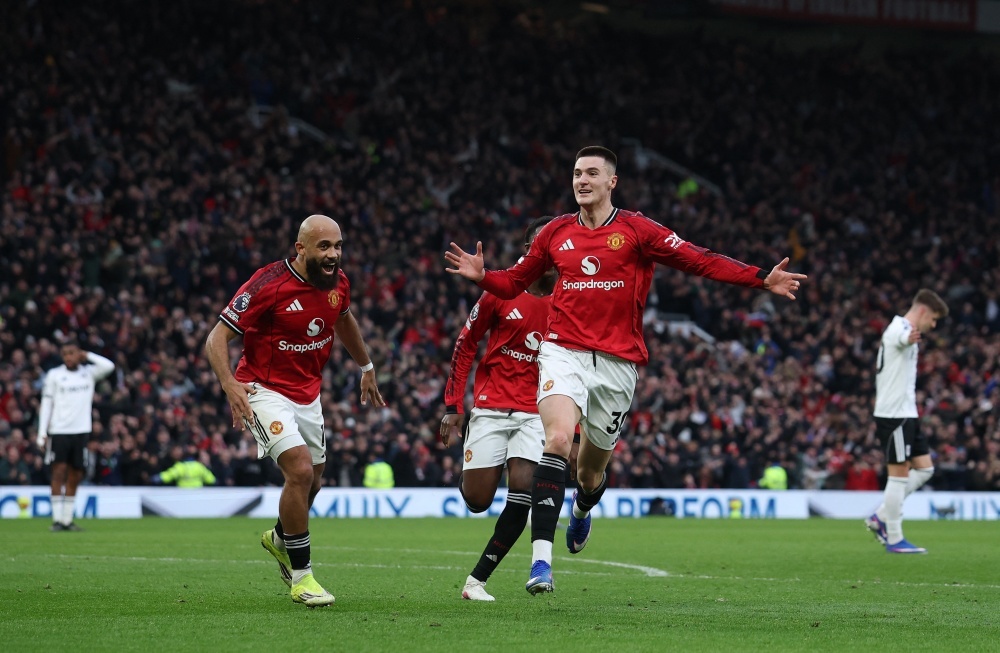 |
Sesko was just a reserve player under Carrick. |
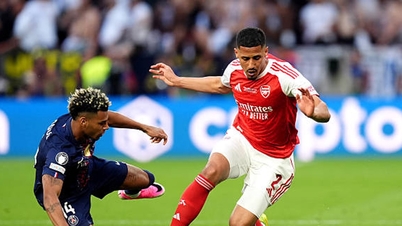
Sesko thus became a substitute option. He wasn't used in the win against Manchester City, and only came on for a few minutes against Arsenal. However, in the match against Fulham, that role took on a different meaning.
Sesko came on as a substitute in the second half and it was he who scored the winning goal in injury time, securing all three points for MU. A moment that served as a reminder that the 22-year-old striker is far from gone.
MU still sees Sesko as part of their future.
The most important factor lies in how Manchester United perceives Sesko internally. Speaking on the Talk of the Devils podcast, journalist Andy Mitten affirmed that the club still highly values the Slovenian striker. According to Mitten, Sesko is seen as a long-term player with the potential to become "a truly top-class striker."
That observation helps clarify the line between short-term tactical decisions and long-term goals. Carrick used Mbeumo because he needed immediate results, not because Sesko lacked ability or had been removed from the plans.
In fact, having a striker like Sesko available to come off the bench gives MU more options to decide matches, especially during deadlock situations.
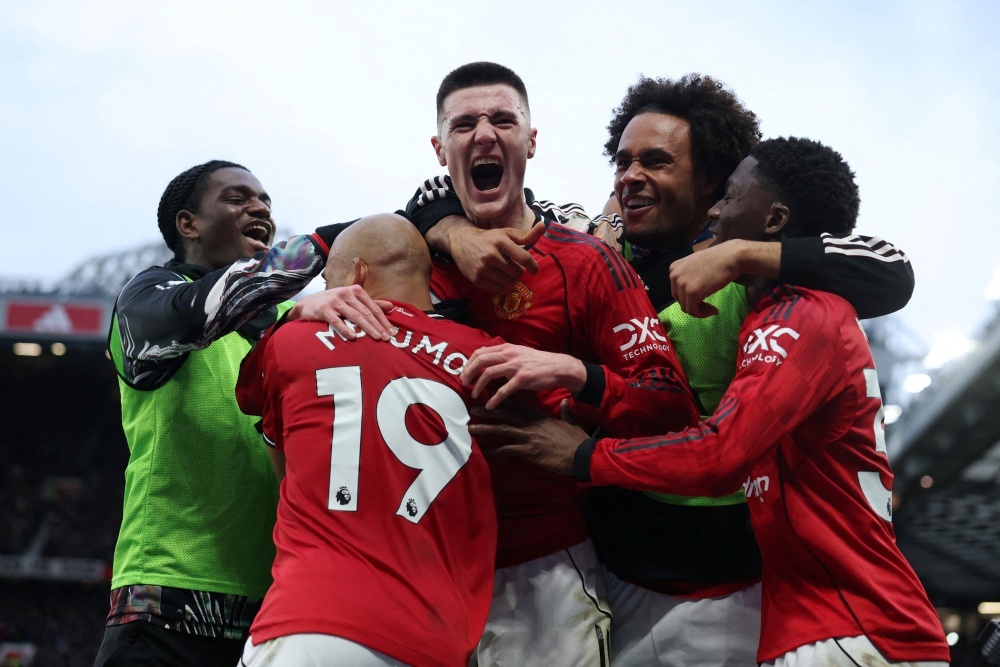 |
So far, Sesko has scored 6 goals in 21 appearances across all competitions since joining from RB Leipzig. |
So far, Sesko has scored 6 goals in 21 appearances across all competitions since joining from RB Leipzig. That's not exactly explosive, but it's not disappointing either for a young player still adjusting to the Premier League environment and the pressure at Old Trafford. More importantly, Sesko has shown he can make a difference, even when not starting.
Sesko's story under Carrick therefore accurately reflects the current state of MU: the team needs pragmatism to overcome a period of instability, but must still maintain a long-term vision. Sesko may not be the first-choice option right now, but he is still part of the future plans.
For a young striker, sometimes learning patience, accepting a reserve role, and seizing every small opportunity is a necessary stepping stone to maturity.
Carrick is doing what he needs to do: prioritizing results. Manchester United are also doing what they believe is right: not rushing to judge Sesko based on just a few appearances as a substitute.
Between the short-term and long-term, MU's challenge now isn't to choose one over the other, but to find a way for both to coexist. And Sesko, if he continues to impress as he did against Fulham, still has plenty of room to move forward.
Source: https://znews.vn/ghe-du-bi-khong-noi-het-cau-chuyen-cua-sesko-post1624882.html



![[Photo] General Secretary and President To Lam and the President of the Philippines hold talks.](https://vphoto.vietnam.vn/thumb/1200x675/vietnam/resource/IMAGE/2026/06/01/1780286997787_anh-man-hinh-2026-06-01-luc-11-09-43.png)








































































Comment (0)