According to the National Children's Hospital, since the beginning of the year, more than 1,200 children with hand, foot, and mouth disease have visited the hospital for examination, with nearly 500 children requiring hospitalization. Of these, 20-30% were infected with the EV71 virus strain.
"The two most common causative agents of hand, foot, and mouth disease are Coxsackie virus A16 (CA16) and Enterovirus 71 (EV71). While CA16 infections usually present with mild symptoms and can be managed and treated at home, EV71 causes more severe illness with many dangerous complications such as encephalitis, meningitis, myocarditis, pneumonia, pulmonary edema, respiratory failure, and circulatory failure, which can be fatal if not treated promptly," said Dr. Nguyen Van Lam, Director of the Center for Tropical Diseases at the National Children's Hospital.
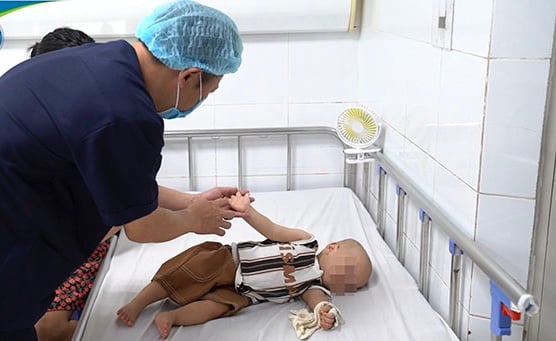
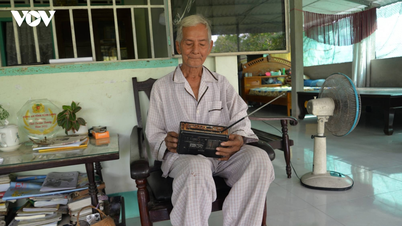
Dr. Nguyen Van Lam examines a child with hand, foot, and mouth disease.



At the Center for Tropical Diseases, among the pediatric patients with severe hand, foot, and mouth disease receiving inpatient treatment, AN (26 months old, from Bac Giang) was admitted with a persistent high fever, numerous red rashes on her hands, feet, and mouth, and frequent seizures. The child had developed complications of encephalitis due to hand, foot, and mouth disease.
AN's mother shared: "Earlier this year, my child had hand, foot, and mouth disease with symptoms of fever and mouth sores, but she recovered after a few days of home treatment. So this time, the family didn't think she would be so seriously ill. Fortunately, thanks to timely treatment, AN is now alert and preparing to be discharged from the hospital."
Sharing the same ward as AN was MQ (12 months old, from Vinh Phuc). About two days before admission, MQ showed symptoms of high fever, fussiness, and poor appetite, but her parents thought it was just teething fever and didn't take her to the doctor. When the child started to have seizures and frequent vomiting, the family took her to the National Children's Hospital. There, MQ was diagnosed with hand, foot, and mouth disease caused by the EV71 strain, with complications of encephalitis.
Do not self-treat based on prescriptions found online.
According to MSc-Dr. Do Thi Thuy Nga, Deputy Head of the General Internal Medicine Department, Center for Tropical Diseases, National Children's Hospital, the two most common complications of hand, foot, and mouth disease are neurological complications and respiratory and circulatory failure.



"However, this year our department has received more children with neurological complications, the most typical of which is encephalitis. Because families recognize the symptoms early, the children admitted to the hospital are usually alert, without significant disturbances in consciousness, but they already show signs of startling, especially at the beginning and end of sleep; in addition, there are also symptoms of tremors in the limbs, unsteady gait…," Ms. Nga noted.
Because hand, foot, and mouth disease progresses rapidly and unpredictably, when a child is diagnosed with the disease, families should take them to medical facilities for advice on care, how to recognize severe symptoms, and thus receive timely treatment. Parents should not self-medicate based on information found online, as this could worsen the child's condition.
Source link


![[Photo] Prime Minister Le Minh Hung presides over the thematic session on promoting science and technology development and innovation.](https://vphoto.vietnam.vn/thumb/1200x675/vietnam/resource/IMAGE/2026/06/23/1782207872934_ndo_br_dsc-1724-jpg.webp)