Many people feel tired of meat after meals high in animal protein or simply want to reduce their meat intake. However, this doesn't mean the body will lack iron and protein. In fact, many plant-based foods also contain significant amounts of these two important nutrients, helping to maintain health while enriching the diet.
According to Harvard Health, protein is essential for building and repairing muscles, supporting the immune system, and many other vital bodily functions. Meanwhile, iron is a necessary mineral for creating hemoglobin—the component that carries oxygen in the blood.
Iron deficiency can cause fatigue, impaired concentration, dizziness, and anemia. Therefore, even if you reduce your meat intake, you still need to ensure you get enough of these two nutrients from other food sources.
Soybeans and soybean products
Soybeans are considered one of the highest quality sources of plant-based protein. Products such as tofu and soy milk contain significant amounts of protein. In addition, soybeans are also a rich source of iron. One cup of cooked soybeans can provide nearly 9 mg of iron, meeting a large portion of the daily iron requirements for many adults.
Tofu also has the advantage of being easy to prepare into many different dishes, from savory to vegetarian.
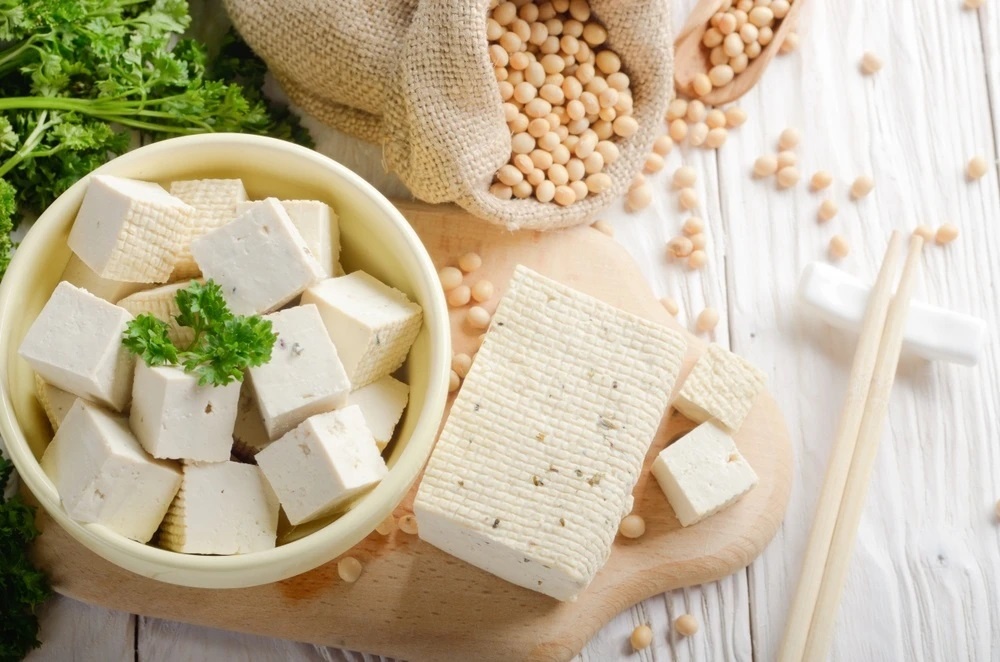 |
Tofu and other soy products are a good source of iron and protein. Photo: Cook For Your Life. |
Lentils
Lentils are a common food in many healthy diets. This legume is rich in protein, fiber, and iron. One cup of cooked lentils can provide over 6 mg of iron along with a significant amount of protein, helping to promote satiety and support cardiovascular health.

Lentils can be used to make soup, salads, or combined with other vegetables in everyday meals.
Pumpkin seeds
Not only are pumpkin seeds a familiar snack, but they also contain plenty of protein, iron, magnesium, and healthy fats.
These seeds can be added to yogurt, salads, or eaten directly as a nutritious snack. They are a suitable option for those who want to boost their nutrition without consuming excessive amounts of meat.
Dark green leafy vegetables
Dark green leafy vegetables such as spinach, kale, collard greens, and collard greens are quite good sources of plant-based iron.
However, iron from plants is generally more difficult to absorb than iron from meat. Therefore, experts recommend combining green vegetables with foods rich in vitamin C such as oranges, tangerines, guavas, strawberries, or bell peppers to increase the body's ability to absorb iron.
Quinoa and whole grains
Quinoa is one of the few plant-based foods that contains all the essential amino acids, so it's often referred to as a complete protein source. In addition to protein, quinoa also provides iron, fiber, and many beneficial minerals. Furthermore, whole grains contribute to iron and energy intake.
Egg


If you're not a strict vegetarian, eggs are a high-quality source of protein that can partially replace meat in your diet. They also contain all the essential amino acids, and are a good source of vitamins, minerals, healthy fats, and antioxidants.
Dairy products
Milk, cheese, and yogurt are rich in protein, calcium, and other essential nutrients. Greek yogurt is a great choice because it's high in protein as well as nutrients like calcium, vitamins, and minerals. Dairy products can be high in saturated fat, so choose low-fat dairy products and limit the amount of cheese you eat.
Source: https://znews.vn/thuc-pham-giau-sat-va-protein-post1662364.html



![[Photo] Prime Minister Le Minh Hung presides over the thematic session on promoting science and technology development and innovation.](https://vphoto.vietnam.vn/thumb/1200x675/vietnam/resource/IMAGE/2026/06/23/1782207872934_ndo_br_dsc-1724-jpg.webp)