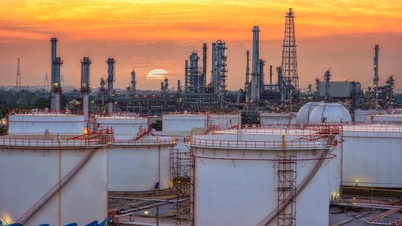
Lock During the session, Brent crude oil prices fell 3.37 % to $87.33 per barrel – the lowest level since early March. Meanwhile, prices... WTI oil also Oil prices fell 3.23% to $84.88 per barrel, the lowest since mid-April.
However, Iranian officials insist the document has not yet been signed and some important details are still under discussion. Iranian media outlets report that the discussions are currently focused on nuclear and economic issues, while the missile program is not within the scope of negotiations.
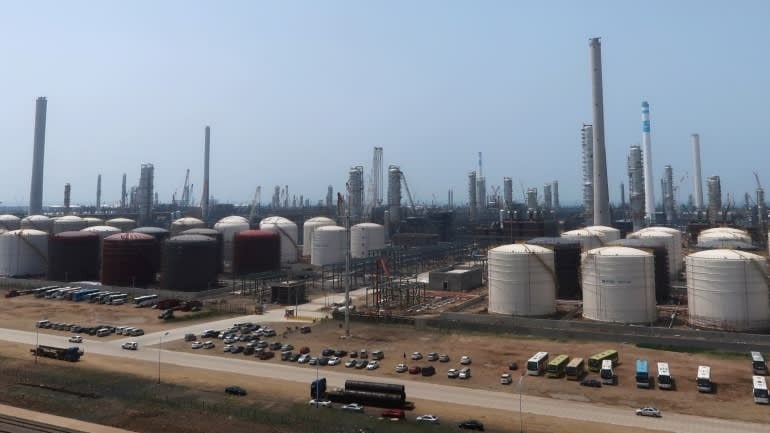
Another factor contributing to the weakening oil prices is the expectation that the Strait of Hormuz – the shipping route for about 20% of global oil and liquefied natural gas (LNG) – could soon resume normal operations if tensions ease.


In recent weeks, the risk of disruptions to shipping via Hormuz has created a significant " geopolitical risk premium" for oil prices. However, the market is now beginning to gradually eliminate this premium as the likelihood of reaching a diplomatic agreement is assessed as higher.
Nevertheless, many experts believe the risks have not completely disappeared. Oil inventories in many parts of the world remain low, and even if an agreement is reached, fully restoring oil flows may take more time.
ING analysts believe the market could face a turning point at the end of July if supply is not fully restored. At that point, seasonal demand combined with low inventories could cause oil prices to rebound , possibly even reaching the $120-$130 per barrel range .
From a long-term perspective, Goldman Sachs has just lowered its forecast for the average Brent crude oil price in 2027 to around $80 per barrel due to increased global supply and slower demand growth. Despite this, Therefore, Goldman Sachs still expects prices to remain above average in 2025 due to commercial oil stockpiling by OECD countries and the security risk premium associated with potential supply disruptions .
Meanwhile, OPEC has lowered its forecast for global oil demand growth in 2026 to 970,000 barrels per day from its previous forecast of 1.17 million barrels per day, marking the second consecutive downward revision.
However, this group of oil-producing countries also believes that demand will eventually recover. OPEC forecasts that world oil demand in 2027 will increase by 1.73 million barrels per day, 190,000 barrels per day higher than its previous forecast.
Source: https://baoninhbinh.org.vn/gia-xang-dau-hom-nay-136-lao-doc-brent-cham-day-hon-3-thang-260613053545068.html

![[Photo] Prime Minister Le Minh Hung presides over the thematic session on promoting science and technology development and innovation.](https://vphoto.vietnam.vn/thumb/1200x675/vietnam/resource/IMAGE/2026/06/23/1782207872934_ndo_br_dsc-1724-jpg.webp)