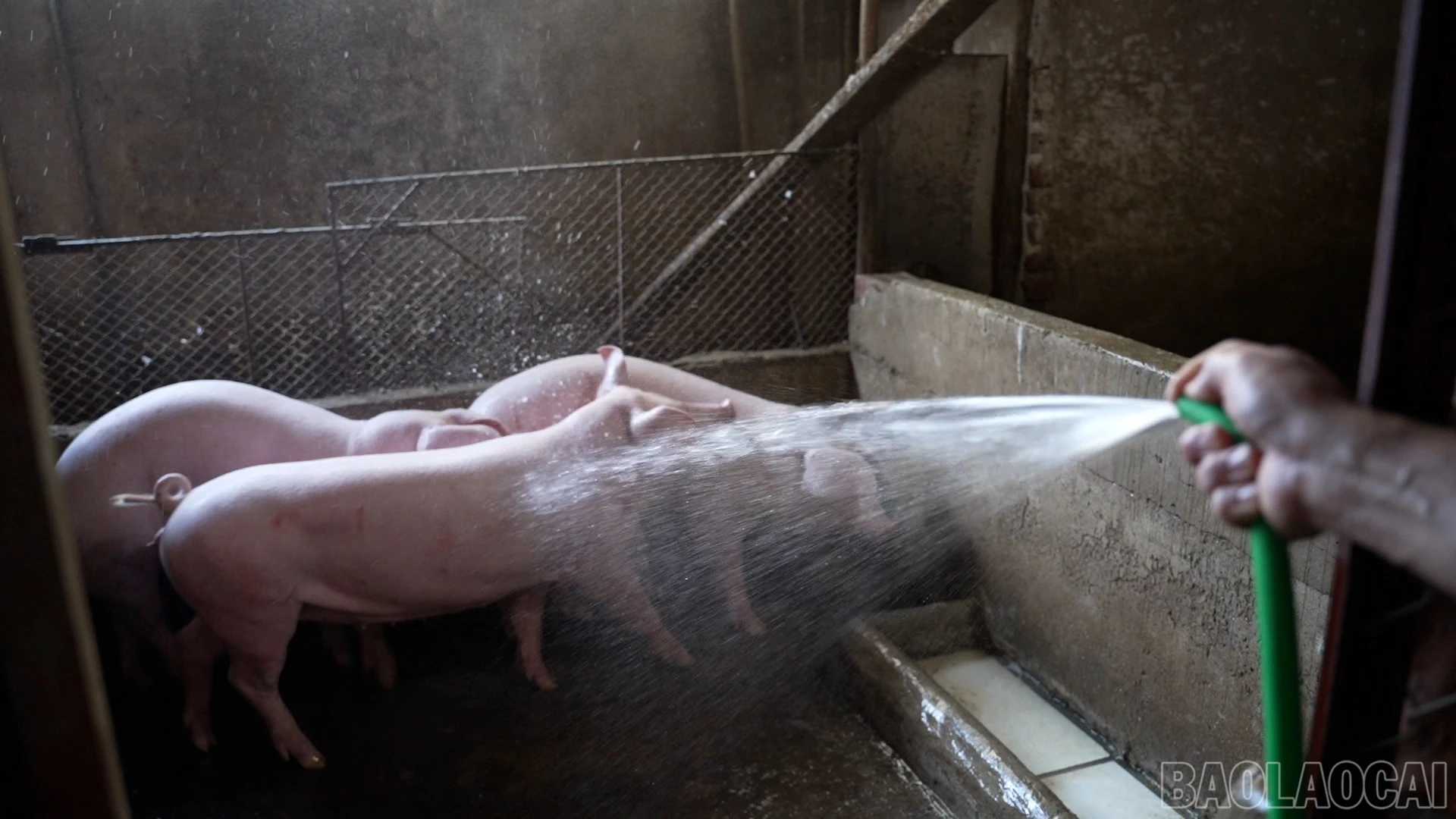
With a total pig population of nearly 1.19 million, livestock farming continues to be an important production sector in Lao Cai province. However, the resurgence of African swine fever in many localities has significantly impacted the production activities of the people.
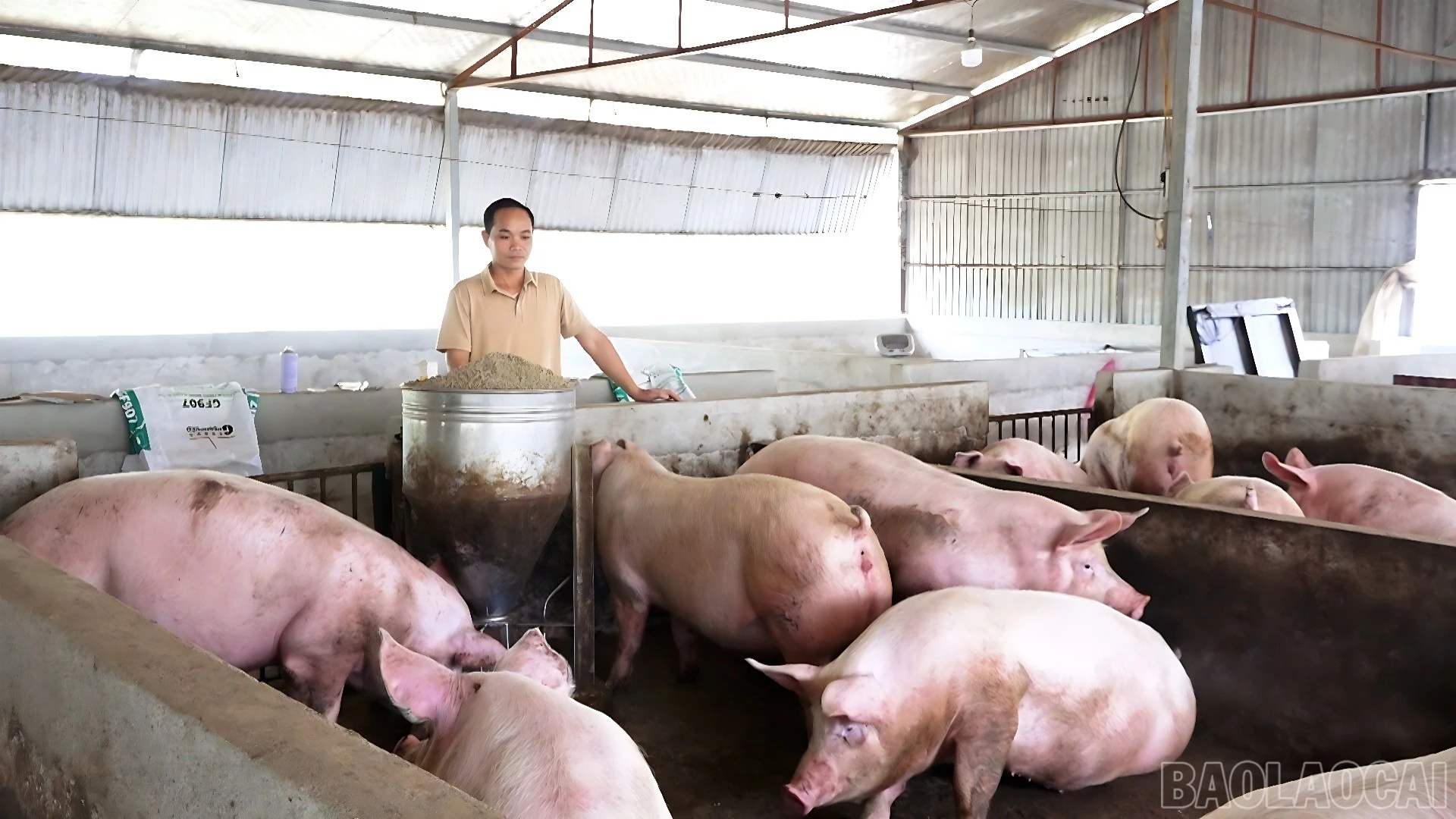
In Gia Hoi commune, the outbreak of African swine fever, which began in March 2026, has had a significant impact on livestock farmers. As soon as the disease appeared, many households proactively strengthened measures to protect their herds.
Mr. Lo Van Tuan's family in Nam Vai village currently raises 5 breeding sows and 20 fattening pigs ready for market. During the period when the disease outbreak was complicated, the family regularly cleaned the pigpens.
Mr. Tuan shared: "Our family regularly sprays disinfectant, sprinkles lime powder, and cleans the livestock pens to minimize the risk of disease outbreaks. We are also paying more attention to controlling who enters and leaves the livestock area."

Not only in Gia Hoi, but in many other localities, livestock farmers are also being cautious about restocking their herds. Many households have prepared barns, feed sources, and necessary conditions, but are still closely monitoring the disease situation before expanding the scale of their farming.
The proactive participation of the public is becoming a crucial factor in limiting damage when an epidemic occurs.

According to Mr. Ha Van Hung, Vice Chairman of the Gia Hoi Commune People's Committee: For many years, the locality has not experienced any outbreaks of African swine fever, so people have become complacent in disease prevention. In addition, small-scale household farming still accounts for a large proportion, and many pigpens are rudimentary, located near houses and transportation routes, posing a potential risk of disease spread.
In reality, on-site observations show that people still fail to report signs of disease in their livestock in a timely manner. Some cases involve selling sick pigs or improperly disposing of dead pigs, increasing the risk of spreading pathogens into the environment.
At the end of 2025, Hanh Phuc commune experienced an outbreak of African swine fever, causing significant losses. According to statistics from the commune's Economic Department, 477 pigs, with a total weight of over 25 tons, had to be culled to prevent the spread of the disease.
Behind those figures are abandoned barns, farmers' accumulated capital wiped out by disease, and the livelihoods of many families severely affected.
Mr. Giàng A Pàng, head of Bản Công village, Hạnh Phúc commune, said: "For people in the highlands, livestock farming is an important source of income, so each outbreak of disease causes significant economic losses."
In Hanh Phuc, African swine fever not only caused losses to individual livestock farmers but also served as a warning to localities that are restocking and expanding their herds. Even a single lapse in disease prevention and control can wipe out the fruits of people's labor in a short time.
To control the disease, local authorities and relevant departments have focused on implementing various solutions such as strengthening disease surveillance at the grassroots level, guiding people on hygiene, disinfecting livestock facilities, handling outbreaks, and disseminating information on biosecurity measures in livestock farming.
For households needing to restock their livestock, preparing barns, carrying out disinfection and sterilization, and ensuring biosecurity conditions must be prioritized.
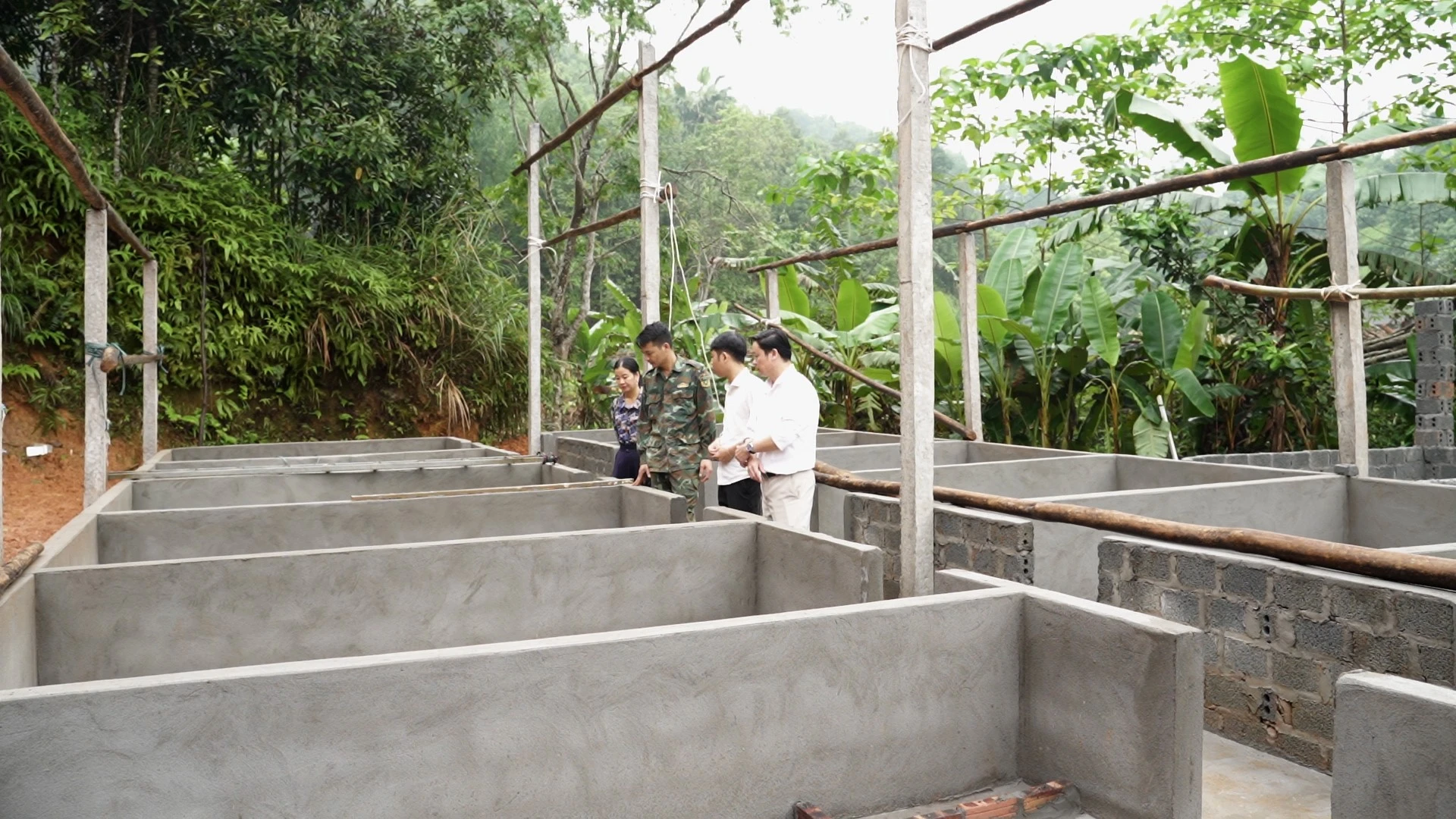



African swine fever remains a major challenge for the livestock industry. However, in localities where people proactively prevent the disease and local authorities decisively implement containment and treatment measures, losses can be reduced.
Maintaining hygiene in pigpens, regularly disinfecting, not concealing outbreaks, not selling sick pigs, promptly reporting any unusual signs, and exercising caution in restocking are practical solutions to limit the risk of disease spread.
For Lao Cai province, protecting nearly 1.19 million pigs also means protecting the livelihoods of thousands of households and maintaining the stability of the livestock industry. Amidst the outbreak, the proactive efforts of the people and decisive solutions from the grassroots level are becoming an important "shield" to protect the livestock, minimize losses, and stabilize production.
Source: https://baolaocai.vn/giu-dan-vat-nuoi-giua-vung-dich-post901365.html





































![[Image] Ho Chi Minh City: Ma Lang area, Chicken-Rice Market about to change its appearance](https://vphoto.vietnam.vn/thumb/1200x675/vietnam/resource/IMAGE/2026/06/25/1782377698627_ndo_br_m1-jpg.webp)