

Tourism has no turning back.
In his opening remarks at the workshop, journalist Nguyen Ngoc Toan, Editor-in-Chief of Thanh Nien Newspaper, affirmed that international tourists play a crucial role in the overall revenue structure of the tourism industry, bringing in a large source of income for the country. The current situation is even more urgent than when Vietnam reopened after controlling the pandemic more than a year ago.
"Just like real estate, tourism is both an input and an output for many sectors and industries. The absence of international tourists, who account for a large proportion of tourism revenue, has prevented airlines, service providers, accommodation providers, and shipping companies from recovering, despite a surge in domestic tourists last year. Therefore, it can be affirmed that international tourists are the savior for the recovery of the tourism industry and the economic revival. However, Vietnam was one of the first countries in Southeast Asia to reopen after the Covid-19 pandemic, yet it has the lowest tourism recovery rate compared to other countries in the region. This is an issue that those working in tourism must seriously consider," journalist Nguyen Ngoc Toan emphasized.
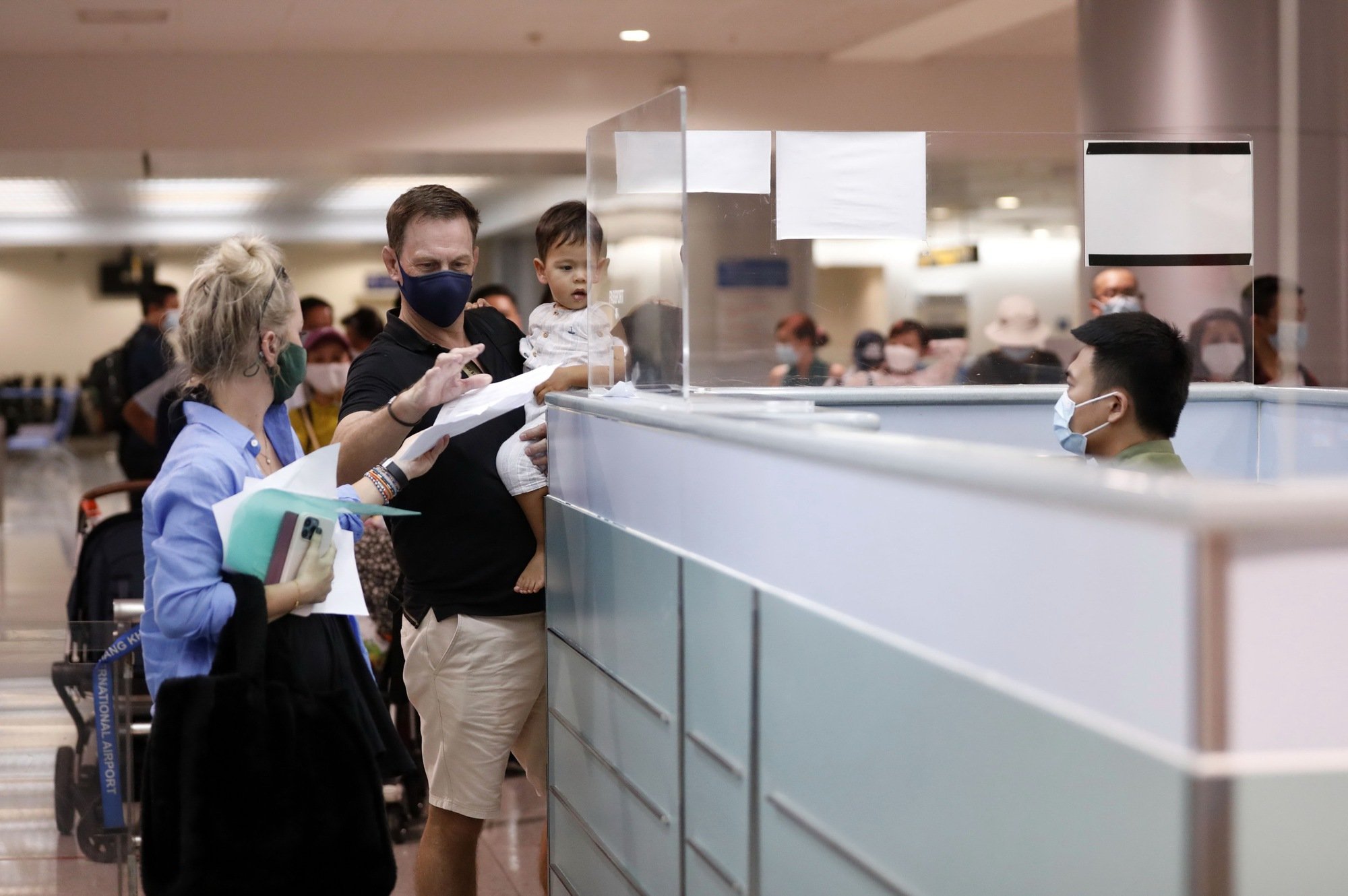
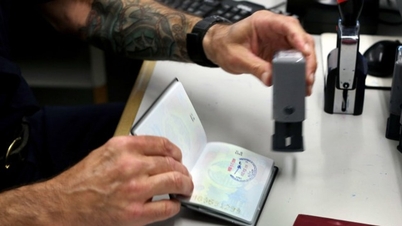
International passengers go through immigration procedures at Tan Son Nhat International Airport.
To further clarify the urgency of attracting international tourists to Vietnam , Dr. Luong Hoai Nam, a member of the Tourism Advisory Council, cited the following example: Before the pandemic, Vietnam received only half the number of international tourists as Thailand. This is a sad comparison considering our many tourism potentials and advantages, especially our rich natural, cultural, and historical heritage. After the pandemic, the number of international tourists entering Vietnam continued to fall to only one-third of Thailand's. This year, if we are not careful, there is a risk of even further decline. This reality forces us to worry, not just feel disappointed. Because if we continue to decline, the Vietnamese aviation and tourism industries are in great danger. Thousands of tourism businesses, hotels, attractions, and entertainment venues are facing heavy losses, mounting debts, and job cuts due to a lack of international tourists.
Similarly, all of our country's airlines are currently mired in losses and debt. Specifically, Vietnam Airlines has accumulated losses of over 34,000 billion VND, with negative equity of over 10,000 billion VND, and is at risk of delisting. Its subsidiary, Pacific Airlines, has accumulated losses of over 10,000 billion VND, three times its equity. Bamboo Airways, which has only been operating for a short time, has been hit by the Covid-19 pandemic, and its previously positive image has faded; it recently announced accumulated losses of over 16,000 billion VND. Even Vietjet Air, after more than 10 years of reporting profits, incurred a loss of 2,170 billion VND in 2022.
"Tourism has no turning back now. Rescuing international tourism is not only about saving tourism businesses, airlines, and primary and secondary resort real estate investors, but also about creating more sales opportunities and increasing income for poor street vendors. With each international tourist, the opportunity for the children selling souvenirs in Sa Pa to sell increases, and this also creates opportunities for the poor to escape poverty," Mr. Nam said.
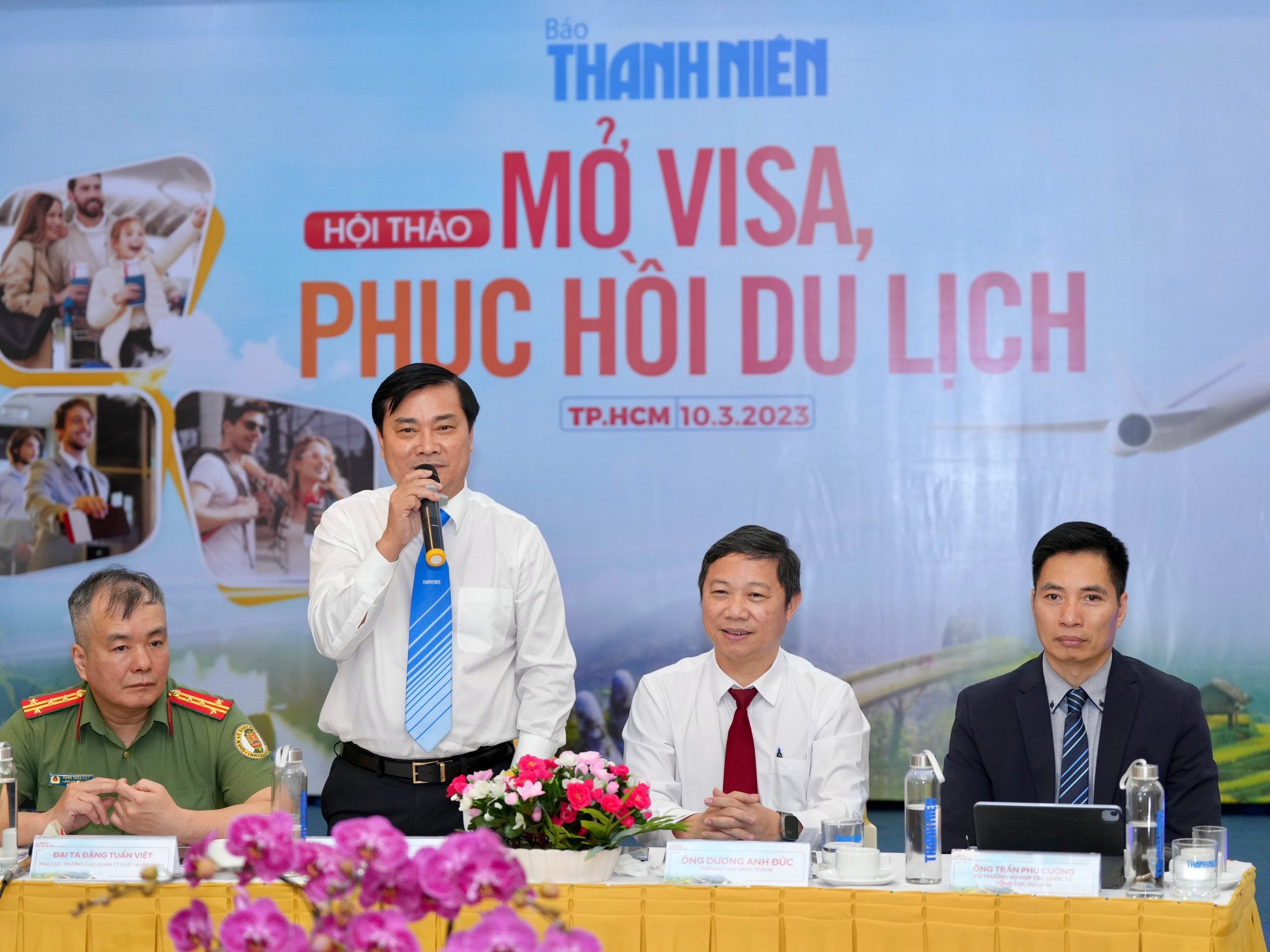
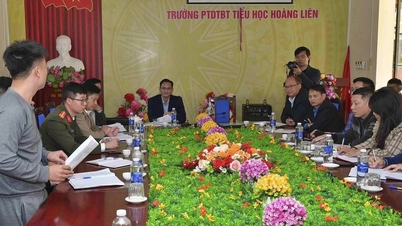
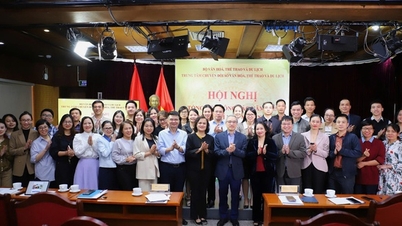
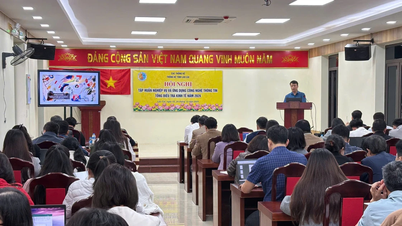
The seminar "Opening Visas, Restoring Tourism," organized by Thanh Nien Newspaper on the morning of March 10th, attracted a large number of participants from management agencies, ministries, and businesses. (Photo:
A visa is the first door you have to open.
Identifying the reasons why Vietnamese tourism is lagging behind, Ms. Tran Nguyen, Deputy General Director of Sun World Group - Sun Group, affirmed that "visas are the first gateway." The World Tourism Organization and the World Travel and Tourism Council have pointed out that the ease of granting entry visas can increase the number of international tourists by 5-25% annually. Therefore, when returning to the tourism race after the Covid-19 pandemic, to create a competitive advantage, a series of destinations have proactively leveraged visa policies.
According to Ms. Nguyen, Thailand has extended the length of stay from 30 to 45 days, and from 15 to 30 days; Taiwan has reinstated the eVisa Quan Hong policy targeting tourists traveling in groups through travel agencies with simple and quick procedures; South Korea has resumed the multiple-entry visa type allowing visitors to stay for 30 days, with no limit on the number of entries and exits within 5 years… To date, Malaysia and Singapore have waived visa requirements for 162 countries, the Philippines (157 countries), Japan (68 countries), South Korea (66 countries), Thailand (64 countries)…
The aforementioned countries mostly issue and allow entry via e-visas with a stay duration of up to 6 months and multiple entries. Meanwhile, Vietnam only grants visa exemptions to 24 countries through unilateral and bilateral agreements. E-visas are issued to 80 countries but are limited in the number of border crossings allowing foreigners to enter. The typical stay duration is only about 15 days and allows single entry.
"Countries have changed very rapidly. With open and flexible visa policies, along with numerous campaigns to attract international tourists, the competition for market share among international visitors is becoming increasingly fierce. Therefore, Vietnam's visa policy is at a disadvantage in terms of the number of visa-exempt countries, the issuance of e-visas, the duration of visa exemptions, and the types of visas. If it doesn't adjust promptly, appropriately, and flexibly, Vietnam 's tourism industry could very well continue to lag behind," warned Ms. Tran Nguyen.
This is also a concern of Mr. Trinh Ngoc Thanh, Deputy General Director of Commercial Affairs at Vietnam Airlines. During the process of promoting tourism and participating in tourism promotion fairs, he realized that with the same opportunities presented and within the Southeast Asian region, tourists will choose the country that offers the easiest visa process. Some ASEAN countries, such as Thailand, have seen a doubling of tourist numbers by waiving visa requirements.
"Based on our experience in the aviation industry, countries with visa-free entry and direct flights have seen passenger numbers double within three years, not just increase by an average of 5-10%. The Indochina tourism promotion program, with Vietnam as a key focus, is facing visa bottlenecks. We propose considering visa exemptions, multiple-entry visas, or coordinated visas for the three Indochina countries – this is truly necessary," Mr. Thanh emphasized.
Sharing his personal experience of recently entering a developed European country, Mr. Do Xuan Quang, Deputy General Director of Vietjet Air, said: "They have two entry points; one requires a wait of over 3 hours, while the other allows passengers to pass through quickly thanks to the application of visa and immigration technology. This illustrates the need for Vietnam to apply technology to visa issuance. Procedures and policies need to be proactive, but currently, Vietnam is lagging behind the demands and requirements of development."
Mr. Quang assessed that Vietnam 's immigration procedures are too slow, and this needs to be improved through automation. To develop tourism, the visa issue needs to be addressed, especially by extending visa validity periods.
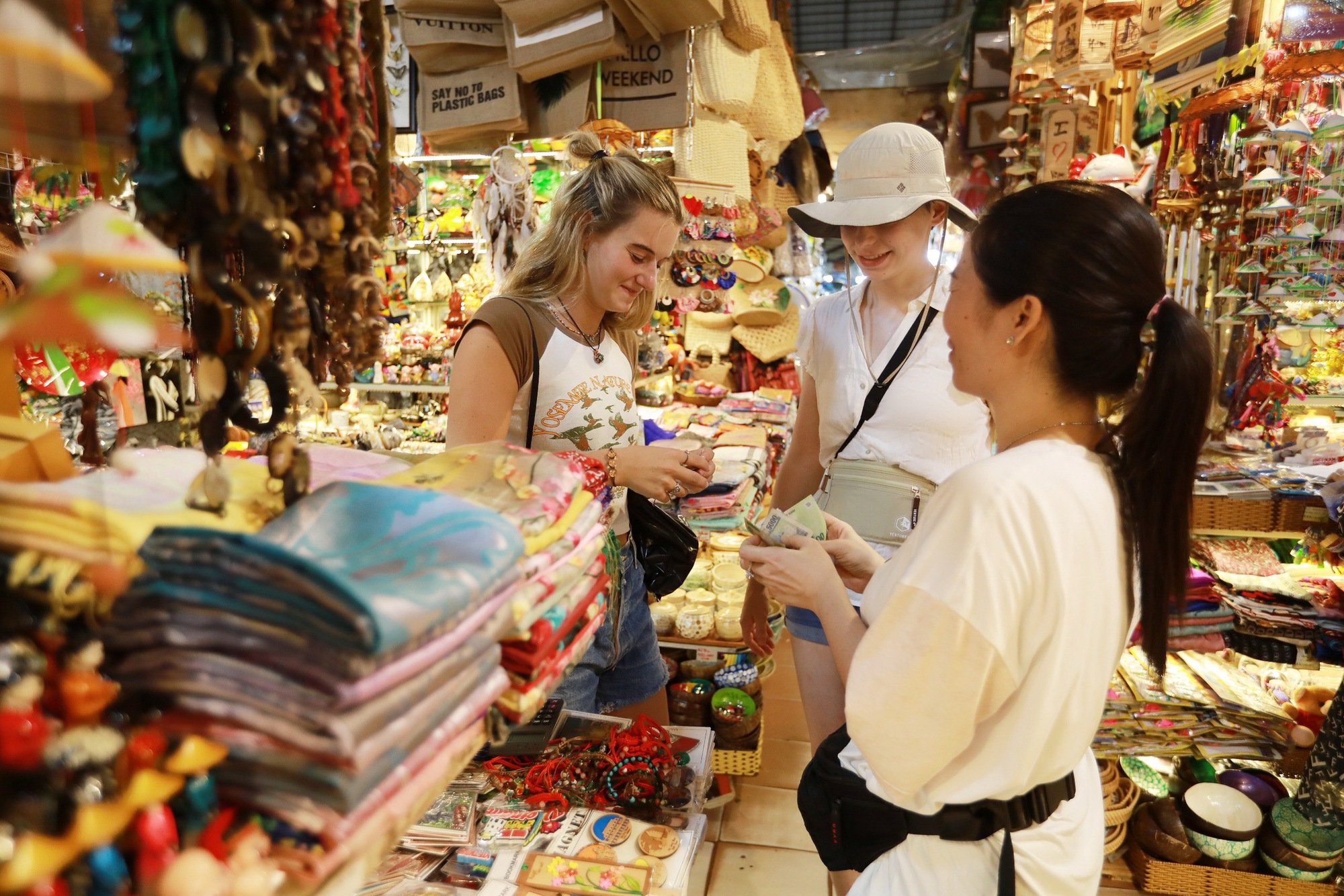
Foreign tourists shopping at Ben Thanh Market.
Now that the doors are open, what can you do to get customers to open their wallets?
While affirming that opening the visa door is an urgent matter, Mr. Johnathan Hạnh Nguyễn, Chairman of the Inter Pacific Group (IPPG), raised the question: Once tourists arrive, the even more important issue is how to encourage them to spend more money. Citing statistics from World Data on the history of international tourists visiting Southeast Asian countries from 2008 to 2019, Mr. Johnathan Hạnh Nguyễn stated that in terms of the number of international tourists annually, Vietnam 's growth rate has surpassed Indonesia to reach the top 4 in Southeast Asia. However, while other countries have generally maintained average revenue per tourist, Vietnam is on a downward trend, falling from 5th to 6th place. The total spending of tourists in Vietnam is only 40% compared to Thailand and significantly lower than Singapore, Indonesia, Malaysia, South Korea, Japan, etc.
Mr. Johnathan Hạnh Nguyễn analyzed: Among the various types of tourism, Vietnam has been developing most popular types of tourism, namely resort tourism and experiential tourism, mainly thanks to the availability and advantages of natural conditions and cultural diversity. However, Vietnam is still very limited in the two emerging tourism trends of health tourism and shopping-entertainment tourism. Meanwhile, the potential for these two types of tourism is enormous. This is also the "bottleneck" for increasing tourist spending. For example, Singapore, with an area only equivalent to Phu Quoc Island in Vietnam , has chosen to focus heavily on four types of tourism to develop: shopping, entertainment, business tourism, and experiential tourism. Singapore has become a shopping paradise because it is a tax-free island nation. As a result, the number of international tourists visiting Singapore and the average spending per tourist in Singapore far exceed that of Vietnam .
Meanwhile, Mr. Johnathan Hạnh Nguyễn affirmed that all countries with developed tourism industries, such as Thailand, South Korea, Japan, China, and around the world like the US and European countries, use the factory outlet model (shopping malls selling discounted goods during off-season) to attract tourists, increase spending, and boost tourism revenue. Currently, the government is considering establishing a policy mechanism for a duty-free zone in the trade and tourism sector. If implemented, Vietnam will have the first factory outlets in the region, with retail prices as low as in the US or Milan (Italy). Tourists from neighboring countries will flock to Vietnam to shop, leading to a surge in other services and a significant leap forward for the tourism industry.
Furthermore, according to him, attracting international tourists to Vietnam cannot be achieved by a single airline or travel agency/hotel; it requires collaboration between duty-free shops and businesses serving the tourism industry. Accordingly, airlines would partner with travel agencies to reduce airfares and bring tourists to duty-free shopping centers. For each tour group, the duty-free shop operator would subsidize 10% for the travel agency.
"Duty-free shops on the street will offer many conveniences, such as giving tourists more time to shop and access to a wider variety of goods because the street space is much larger than at the airport. Therefore, revenue is guaranteed to be very good. We have implemented this model in South Korea and Japan. At Lotte Shopping Center in Seoul (South Korea), sales revenue reached $10 billion USD. If 10% of that is allocated to travel companies, they would receive up to $1 billion USD in financial support. This is a huge resource for travel agencies to quickly recover. International tourists will flock to Vietnam , and airlines, hotels, and restaurants will immediately recover," Mr. Jonathan Hanh Nguyen emphasized.
Strongly supporting the model of linkages between businesses in the tourism ecosystem, Mr. Nguyen Quoc Ky, Chairman of the Board of Directors of Vietravel Corporation, affirmed that linkage is the "key" to Thailand's success in reducing tour prices. Besides visas, this is one of the key factors in competing and attracting tourists after the pandemic. He also proposed that the National Assembly and the Government should quickly amend laws and enact groundbreaking, open policies on visas. For example, regulations allowing visa approval for the first 15 days of stay, with automatic visa extensions after 15 days; accepting Quan Hong visas like those in Taiwan or group visas like those in Japan; and piloting visa exemptions of up to 6 months for some key markets...
Extend visa-free entry to 5 years.
Visa requirements are one of the key obstacles to attracting international tourists to Vietnam. Therefore, the city proposes that the Government direct relevant ministries and agencies to expand the scope of visa eligibility and extend the visa-free period from 15 days to at least 30 days. Similarly, instead of single-entry visas, multiple-entry visas should be granted, as many tourism businesses in Ho Chi Minh City are interested in creating collaborative tours, significantly increasing added value. Furthermore, the visa exemption policy should be extended to 5 years to allow tourism agencies, businesses, and partners to develop more stable and long-term market exploitation plans. Some small changes can be made immediately, such as registering a new, easily memorable domain name for the eVisa system and upgrading the website to include multiple languages. If these measures are implemented decisively, they will immediately improve Vietnam's image with tourists, starting from the initial entry point.
Mr. Duong Anh Duc, Vice Chairman of the People's Committee of Ho Chi Minh City
Relax visa requirements and increase length of stay to attract international tourists.
Following the impact of the Covid-19 pandemic, the tourism industry received attention from relevant departments and localities, which proposed many policies and solutions to the Government. As a result, the tourism industry recovered relatively quickly. However, this recovery was not uniform between domestic and international tourists, primarily driven by domestic visitors. Yet, domestic tourists spend only about 40-50% of what international tourists spend. This leaves restaurants and hotels still facing difficulties.
Therefore, it is necessary to consider removing visa policy restrictions, increasing the length of stay, and avoiding situations where tourists are in Vietnam but their visas expire, forcing them to travel to neighboring countries to extend them, thus limiting the attractiveness of Vietnam as a destination for tourists. Visas are the first step in encouraging and motivating the tourism industry to develop. We hope the Ministry of Public Security and the Ministry of Foreign Affairs will pay more attention to advising the Government on policies to remove visa restrictions. At the same time, we hope for a comprehensive solution for the tourism ecosystem, with policies to remove obstacles and promote tourism recovery.
Ms. Nguyen Thi Anh Hoa, Director of the Ho Chi Minh City Department of Tourism
We need more expedited visa services.
Currently, we are targeting high-end tourists and solo travelers, as this trend is becoming increasingly popular and contributes significantly to tourism revenue. However, many current visa regulations are not as flexible as they were before the Covid-19 pandemic. Flexibility in visa issuance also needs to change to better meet the needs of foreign visitors.
Therefore, we need to allocate more human resources and pay more attention to meeting the demand for fast, same-day visa processing for tourists. At the same time, Vietnam needs a policy to expand the list of visa-exempt countries, expedite visa processing, and prioritize visa applications to make the process easier and smoother. There should be a mechanism for visa applications at multiple branches, such as in Hanoi and Da Nang, not just concentrated in Ho Chi Minh City. Furthermore, we need to offer services for same-day visa processing and more specific regulations regarding the conditions under which tourists can apply independently in emergency situations.
Mr. Vo Viet Hoa, Inbound Director of Saigontourist Travel Service Company
Continuously petitioning regarding visa policies.
The Vietnam National Administration of Tourism has identified tourism as an inter-regional industry requiring the collaboration of ministries, localities, businesses, and even local communities. Once tourists know about Vietnam, they will apply for visas, then travel to Vietnam by air, sea, or rail. After entering Vietnam, tourists will access destinations, services, and tourism products, so inter-sectoral and inter-local coordination is essential.
Regarding visa issues, the 15-day stay period is insufficient for long-distance travelers, so it needs to be extended. The Ministry of Culture, Sports and Tourism has made several proposals to relax visa policies. Our view is that visas are not the bottleneck, but compared to other countries, even those in the region, our competitiveness is weaker. Therefore, solutions are needed to improve competitiveness in services and visas. The list of visa-exempt countries should also be considered for expansion to include important countries, especially India and Australia… There have also been proposals for visa-on-arrival, extending visa validity, and expanding e-visas… We hope the Ministry of Public Security will approve these.
Mr. Tran Phu Cuong, Director of the International Cooperation Department, Vietnam National Administration of Tourism
Beware of fake eVisa websites.
Currently, citizens of 13 countries are exempt from visa requirements to enter Vietnam for a stay of 15 days regardless of purpose. After this period, the police can extend the temporary stay. In addition, foreigners entering tourist areas and border economic zones are exempt from visas for 30 days. Furthermore, Vietnam has implemented an electronic visa (eVisa) system with a 30-day temporary stay period, with results available within 3 days. The eVisa fee is 25 USD, payable directly to the Ministry of Finance's account. However, there have been instances of fake websites using foreign accounts to collect high eVisa fees and even disrupt Vietnam's electronic visa service.
Furthermore, the Ministry of Public Security is issuing Vietnamese tourist visas valid for up to 90 days. Upon arrival at border checkpoints, the law stipulates that police or border guards will stamp a confirmation of a 30-day stay, after which international visitors can request an extension of up to 90 days. Simultaneously, Vietnam is also implementing a visa exemption policy for people of Vietnamese origin and their families, allowing for a temporary stay of up to 6 months... We acknowledge the contributions from businesses and experts and will continue to incorporate them into amendments to several articles of the Immigration Law as soon as possible, with streamlined procedures.
Colonel Dang Tuan Viet, Deputy Director of the Immigration Department, Ministry of Public Security
Airlines are waiting for visa restrictions to be eased so they can "take off".
While 2019 was a peak year, the tourism industry welcomed 18 million visitors, and the aviation industry transported approximately 40 million international passengers. Of these, tourists accounted for about 70% of air passengers. This shows the significant impact of the tourism industry on aviation. Upon the recovery of international flights, the total passenger volume on all routes reached approximately 12 million, with 3 million of those being tourists. Thus, the ratio of tourists using air travel has decreased to 50/50, compared to the previous 70/30.
This year, the aviation industry aims for 34 million international visitors, approximately 80% of the 2019 figure. As of February, the total number of international visitors was 2.3 million, equivalent to 67% of the 2019 figure. Calculations suggest this number could reach over 70% by April and is expected to recover to around 90% of the 2019 figure by the end of the third quarter. However, these are just projected figures; achieving them largely depends on the actual number of international visitors to Vietnam and the crucial issue of visa liberalization.
Mr. Bui Minh Dang, Deputy Head of Passenger Transport Department, Vietnam Civil Aviation Authority.
Source link



















































Comment (0)