

The Chinese astrological system of 12 animals is based on the lunar calendar, but these animals are also linked to the five elements, together creating a 60-year cycle with different combinations. Babies born in 2014 and 2026 are both born in the year of the horse, but the 2014 baby is a wood horse, and the babies born in the following years will be fire horses.
In Japan and many other countries, it is believed that girls born in the Year of the Fire Horse are often stubborn and somewhat aggressive. According to this superstitious belief, girls born in the Year of the Fire Horse will be hot-tempered, have unhappy marriages, and may negatively influence their fathers and husbands.
The stigma against girls born in the Fire Horse years in Japan persists to this day. During the Fire Horse years of 1846 and 1906, Japan saw birth rates decline by 6-8% compared to surrounding years. The last year with a high birth rate, 1966, was also the year that birth rates dropped significantly: 21-24%, with the increasing availability of contraception and abortion.

The Year of the Fire Horse is often associated with a decline in birth rates in Japan due to the stigma linked to girls born in that year.
PHOTO: ANNA PETEK
So what is the fate of these "firehorse" girls? Will the stigma against them lead to fewer marriages, or lower-quality marriages? Or, conversely, does having fewer children mean less competition and actually provides an economic advantage for women?
Hiroyuki Yamada, a professor of economics at Keio University and author of a book published in 2025 on culture and development economics, has made some astonishing findings: Girls born in 1966 are virtually indistinguishable from their peers.
Previously, in a 2013 paper, Yamada used nationwide surveys of women collected by the Household Economic Research Institute in the 1990s. When examining those surveyed who were born between 1964 and 1968, he found no evidence that women faced disadvantages in marriage, educational attainment, or purchasing power after marriage.
A prejudice strong enough to alter Japan's demographics seems to have little impact on the lives of these very women. Why?
One reason for this difference lies in the fact that in the 1960s, when Fire Horse children were conceived, arranged marriages accounted for nearly half of all first marriages. Perhaps parents, fearing their daughters would be judged by their future in-laws and matchmakers based on their zodiac signs, tried to avoid trouble for their daughters by not having children.
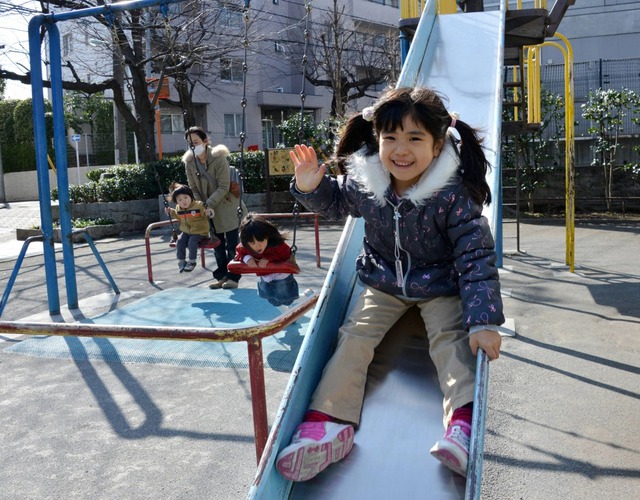
Modern advancements and a general lack of awareness about the "hinoe uma" curse in the present day could lead to a different outcome in 2026.
UK: AFP
However, by the 1990s, when women born in the Year of the Fire Horse were in their late 20s and early 30s, marriages based on love accounted for 80% of first marriages. The data suggests that stigma was less significant, or perhaps even nonexistent, in marriages based on love.
"The impact of superstitions about birth signs on reproductive behavior in 1966 may have been due to the high rate of arranged marriages at the time," Yamada told The Japan Times. "Parents worried that their daughters might face similar difficulties in marriage in the future."
With birth rates already declining sharply, will 2026 see another sharp drop in Japan, given it being the Year of the Fire Horse? This seems unlikely at present. However, the reality is that zodiac signs still influence fertility decisions across East Asia, impacting population size. In Hong Kong, despite declining birth rates annually, there were significant increases in births in 1988 and 2000 – both years of the Dragon, a zodiac animal considered lucky and powerful. In Taiwan, birth rates have seen temporary surges in all Dragon years since 1976. China's birth rate has also declined for decades, but the country saw a dramatic increase in the number of Dragon births in 2012 and 2024.
Source: https://thanhnien.vn/vi-sao-nguoi-nhat-dinh-kien-voi-nam-ngua-lua-185251222112314517.htm

![[Image] Nearly 125,000 Hanoi students completed the Literature exam for the 10th grade entrance exam.](https://vphoto.vietnam.vn/thumb/1200x675/vietnam/resource/IMAGE/2026/05/30/1780117233041_ndo_br_thiet-ke-chua-co-ten-2-png.webp)

































































































Comment (0)