Over 18,000 hectares have been planted.
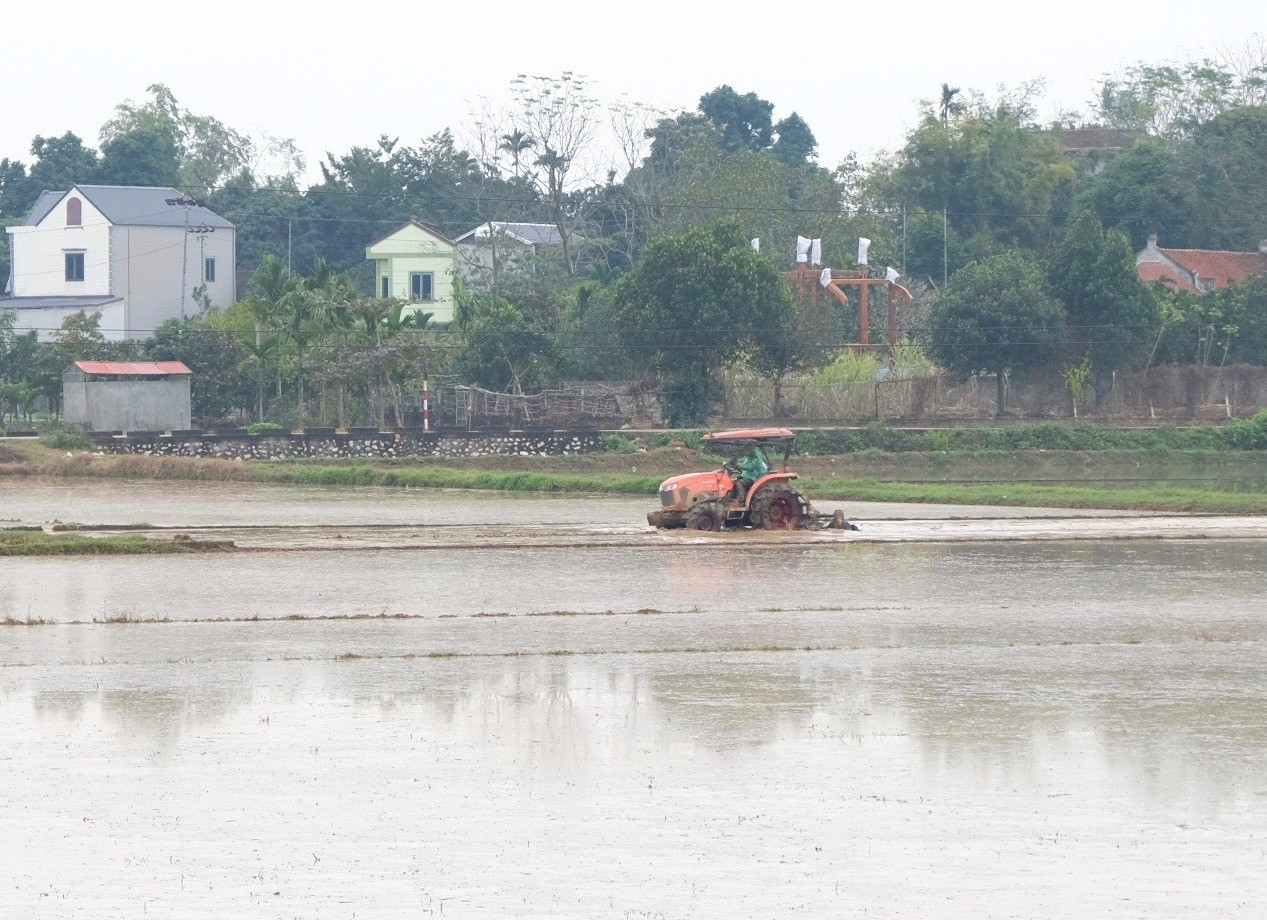
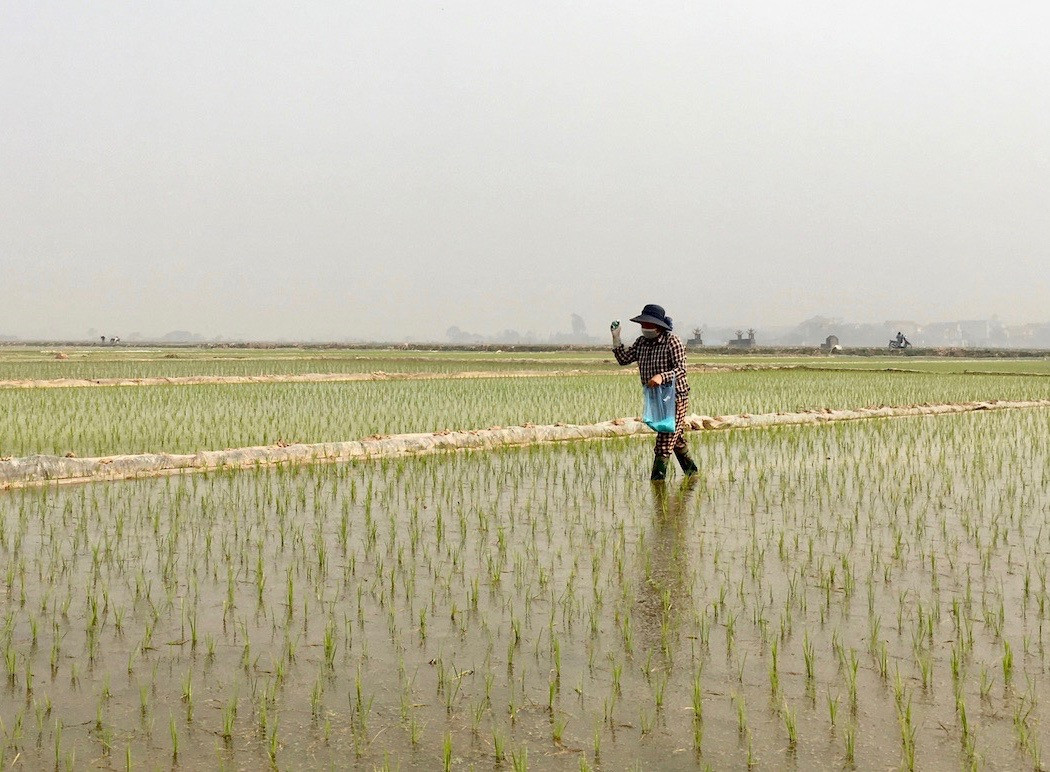
These days, the atmosphere in Trung Gia commune is one of intense activity as farmers prepare for the summer crop. They rush to the fields very early to avoid the heat. Everyone has a task to do, from preparing seedlings to planting rice.
According to Bui Thuy Ngan, Head of the Economic Department of Trung Gia Commune, the entire commune aims to plant over 1,000 hectares of rice this year. To date, farmers have basically completed preparing the seedlings and are proceeding with planting in many areas with sufficient water.
Along with Trung Giã commune, the progress of rice cultivation for the summer crop is being accelerated in other localities in Hanoi. According to statistics as of June 24th, more than 3,000 hectares of rice seedlings have been sown, concentrated in the communes of: Cổ Đô, Bất Bạt, Phúc Lộc, Tam Hưng, Mỹ Đức, Phúc Sơn, Sóc Sơn, Trung Giã…
Local farmers are also actively going to the fields to sow and plant. Currently, the area of rice already planted has reached over 18,043 hectares, equivalent to about 27.1% of the plan for the entire 2026 crop season. Some communes have a high rate of rice planting, such as Quang Oai, Bat Bat, Tam Hung, Dai Xuyen, Phuc Son, Trung Gia…
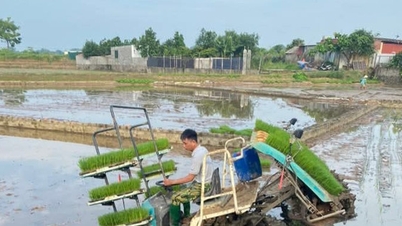
Notably, alongside traditional planting methods, Hanoi's agricultural sector, in coordination with local authorities, is promoting mechanization and machine-based rice planting in production. Currently, the area of machine-planted rice in the communes reaches approximately 2,225 hectares.
Proactive pest and disease control

Along with accelerating the planting of the summer rice crop, the Hanoi agricultural sector is also paying close attention to and diligently directing the work of caring for and controlling pests and diseases affecting rice. This is an extremely important task to improve rice yield and ensure growth targets are met.
Observations in several localities indicate that rats and golden apple snails are currently causing damage to some areas of early-planted rice. Although the impact is still relatively mild, the weather conditions in late June and early July 2026 are expected to potentially lead to an increase in pest and disease outbreaks.
To ensure good crop growth and development, and to minimize damage caused by unfavorable weather and pests, Deputy Head of the Hanoi Department of Crop Production and Plant Protection, Vu Thanh Quynh, said that the unit is coordinating with localities to strengthen field inspections and monitor the damage caused by the two-spotted stem borer on seedlings, rats, golden apple snails, etc., in order to provide timely and effective control guidance.
Continue to urge people to promptly prepare the land on areas where rice has been harvested; disseminate information and provide guidance on soil treatment techniques using biological products (Trichoderma, AT-YTB, etc.) to quickly decompose rice straw, limit organic poisoning, and prevent the spread of pests and diseases to the summer rice crop.
Representatives from the Hanoi Plant Protection and Crop Production Department also requested that localities focus on directing and urging people to plant rice in the summer crop season to ensure it is done within the correct timeframe (concentrated planting from June 20th to July 5th). At the same time, they urged maximum utilization of available land to expand production, absolutely preventing fields from being left fallow or abandoned for the entire season.
Local authorities are actively guiding farmers in planting and caring for the summer rice crop. According to Hoang Thi Ha, Vice Chairman of the People's Committee of Da Phuc commune, the commune is intensifying efforts to encourage people to plant rice in the early morning and late afternoon, avoiding planting when outdoor temperatures are too high to ensure safety for people and crops; and absolutely refraining from applying nitrogen fertilizer during intensely hot days.
Under the guidance of Hanoi's agricultural sector, many localities are gradually expanding the area applying the improved rice intensification system (SRI), while also applying technical advancements in cultivation and pest control to aim for a successful harvest.


Some recommendations for caring for rice plants in the 2026 cropping season.
1. For seedlings: Always keep the field sufficiently moist after sowing. When the seedlings are young, maintain a deep water level to submerge the roots, creating a protective cushion for the developing root system.
2. For newly transplanted rice fields: Maintain a water level of 2-3cm on the field surface, thin out seedlings to ensure proper density, apply fertilizer promptly combined with weeding and stirring the mud to encourage early tillering and eliminate weeds.
Source: https://hanoimoi.vn/ha-noi-gieo-cay-het-dien-tich-lua-mua-khong-de-ruong-bo-hoang-1208821.html




![[Photo] Prime Minister Le Minh Hung presides over the thematic session on promoting science and technology development and innovation.](https://vphoto.vietnam.vn/thumb/1200x675/vietnam/resource/IMAGE/2026/06/23/1782207872934_ndo_br_dsc-1724-jpg.webp)