

Whenever Hanoi is mentioned, one cannot forget the image of ancient temples, nestled amidst the bustling urban life yet retaining a sense of tranquility and serenity. Over the centuries, despite the many changes in modern society and the influence of contemporary life on every tree and street, the spiritual values of these temples have endured, becoming an indispensable part of Hanoi's culture. The journey of preserving and restoring these architectural works is not simply about material preservation, but also about recreating and protecting the soul of a bygone era.
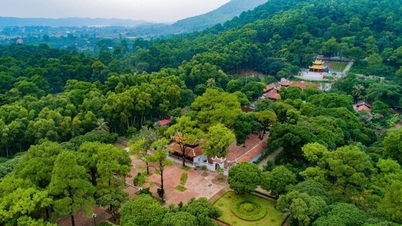
Tran Quoc Pagoda, nestled peacefully on a small peninsula in West Lake, is one of Hanoi's oldest pagodas. Built in the 6th century during the Ly Dynasty, it was initially named "Khai Quoc." After several name changes and renovations, it was renamed Tran Quoc during the Le Trung Hung period. It attracts Buddhists with its serene beauty and unique architectural and artistic values. The pagoda is designed in the traditional Vietnamese architectural style, featuring numerous shrines, stupas, and a tranquil, deeply Buddhist atmosphere.
Through countless historical ups and downs, Tran Quoc Pagoda still stands firm as a witness to time. Preservation work is carried out regularly and meticulously, from restoring ancient Buddha statues to reconstructing the exquisite carvings on the pillars and roof tiles. Every line, every detail carries stories of the past, evoking memories of a glorious cultural period of the nation.
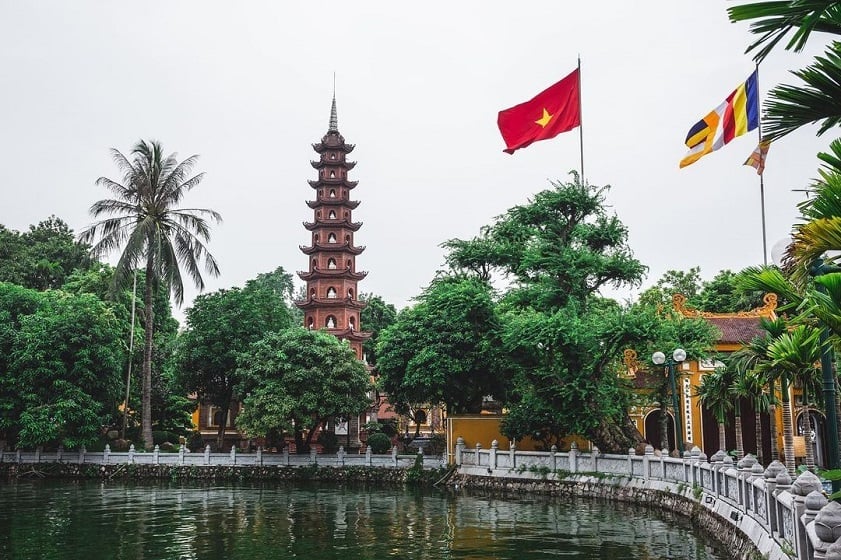
Tran Quoc Pagoda – a historical and cultural symbol of Hanoi. Photo: Collected
Located not far southwest of Tran Quoc Pagoda, the One Pillar Pagoda has become a symbol of history and culture in Hanoi, immortalized in poetry and literature. Its unique architecture is likened to a lotus flower blooming in the middle of a lake. This pagoda is not only a symbol of Vietnamese Buddhism but also a source of pride for the capital. Seen from afar, the One Pillar Pagoda resembles a lotus flower rising, symbolizing the purity and resilience of the nation's culture. However, over time, the pagoda has suffered significant damage, both from natural disasters and war. The restoration of the One Pillar Pagoda has always been a priority for experts both domestically and internationally, with the aim of preserving its original beauty from the Ly Dynasty. Conservation projects are carried out meticulously, striving to restore damaged architectural elements while maintaining the spirit and historical value of the structure.
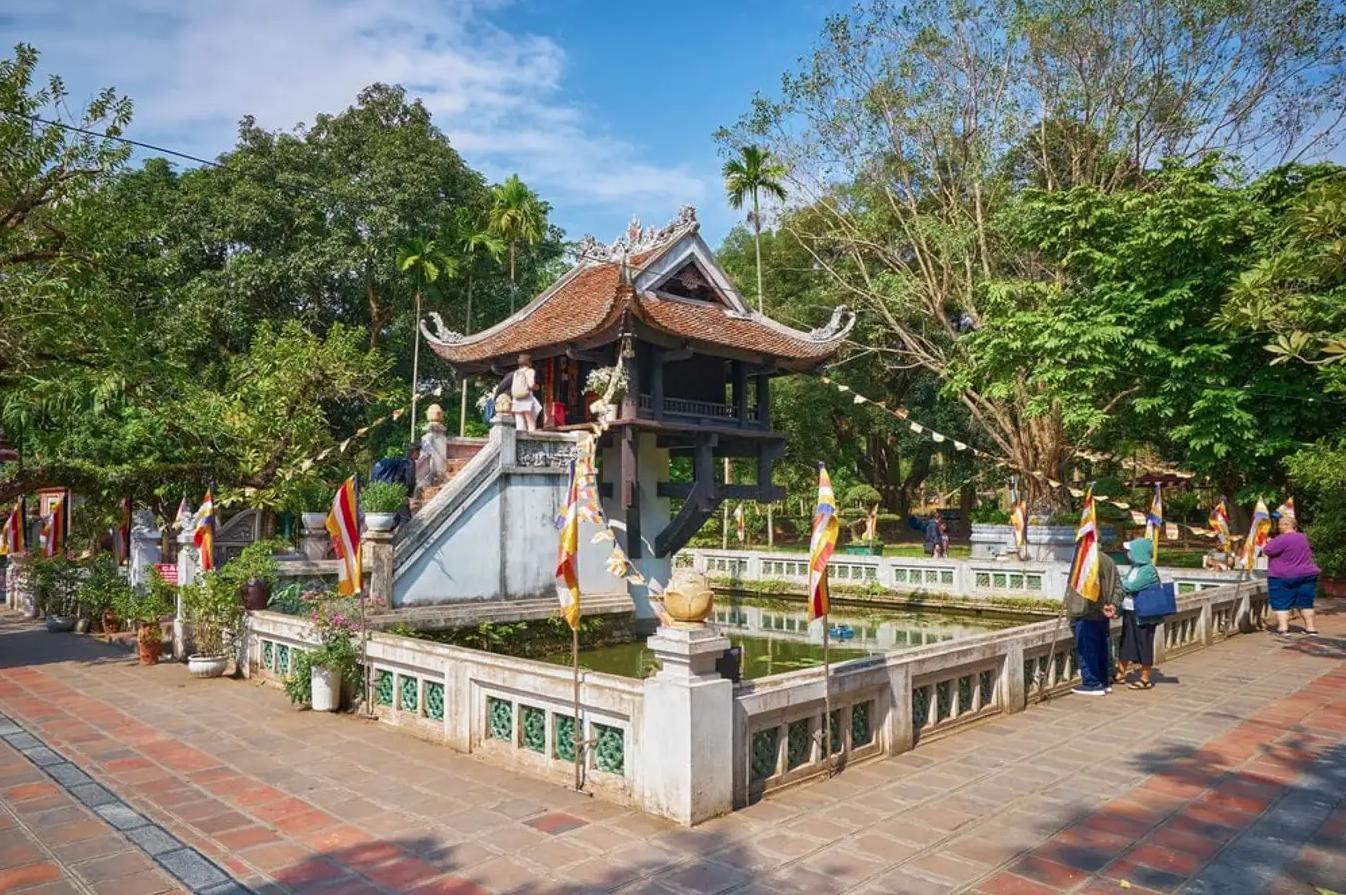
One Pillar Pagoda - an ancient pagoda with unique architecture. Photo: Collected
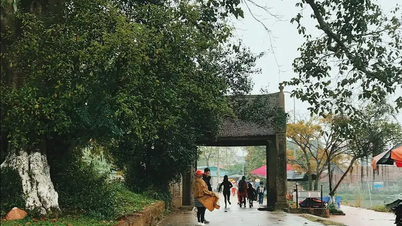
Located on Quan Su Street, Quan Su Pagoda is considered the center of Vietnamese Buddhism and the venue for many important Buddhist events nationwide. Built in the 15th century, Quan Su Pagoda bears the imprint of a glorious cultural period, with its simple yet majestic architecture. Through various historical periods, the pagoda has been preserved intact, from its architecture to its spiritual values. Preservation efforts at Quan Su Pagoda are not limited to safeguarding ancient artifacts, but also aim to maintain a sacred spiritual space where Buddhists and visitors can come to find peace and pray. Recent renovations have restored the pagoda's original beauty, with its traditional colors and architectural details deeply rooted in history.

The gate of Quan Su Pagoda. Photo: Collected
However, preserving ancient temples in Hanoi is not always a smooth process. Many small temples, nestled amidst bustling streets, are heavily impacted by urbanization. These temples face both the risk of deterioration and being overshadowed by surrounding modern structures. The restoration of these small temples requires not only attention from authorities but also the collective effort of the community to protect these invaluable legacies of our ancestors.
Amidst the relentless flow of time, ancient temples in Hanoi quietly endure, like precious gems of the capital. The restoration and preservation of these structures is not just the responsibility of one person, but a shared mission of the entire nation in safeguarding and promoting cultural values. Looking back, it is clear that the preservation of architectural heritage in Hanoi is not merely about preserving physical structures, but also a journey of preserving and transmitting the essence of a rich and enduring culture that has spanned generations. These ancient temples, with their serene beauty, have become repositories of the nation's soul, places where future generations can reflect upon and cherish the past.
The journey of preserving ancient temples in Hanoi continues. The tireless efforts of the community, researchers, architectural experts, and individuals have contributed to safeguarding these precious cultural values, spreading from the present to future generations. With their rich history, these ancient temples in Hanoi are not only the heritage of the capital but also a source of national pride, serving as living witnesses to a glorious period in Vietnamese cultural history.
![[Photo] Prime Minister Pham Minh Chinh presides over a meeting on private sector economic development.](/_next/image?url=https%3A%2F%2Fvphoto.vietnam.vn%2Fthumb%2F1200x675%2Fvietnam%2Fresource%2FIMAGE%2F2025%2F12%2F20%2F1766237501876_thiet-ke-chua-co-ten-40-png.webp&w=3840&q=75)





































































Comment (0)