

Currently, water levels in reservoirs and dams in Ha Tinh province are only averaging about 50 to 60% of their designed capacity. To ensure irrigation water for production, irrigation companies and local authorities are balancing water resources and regulating them appropriately.
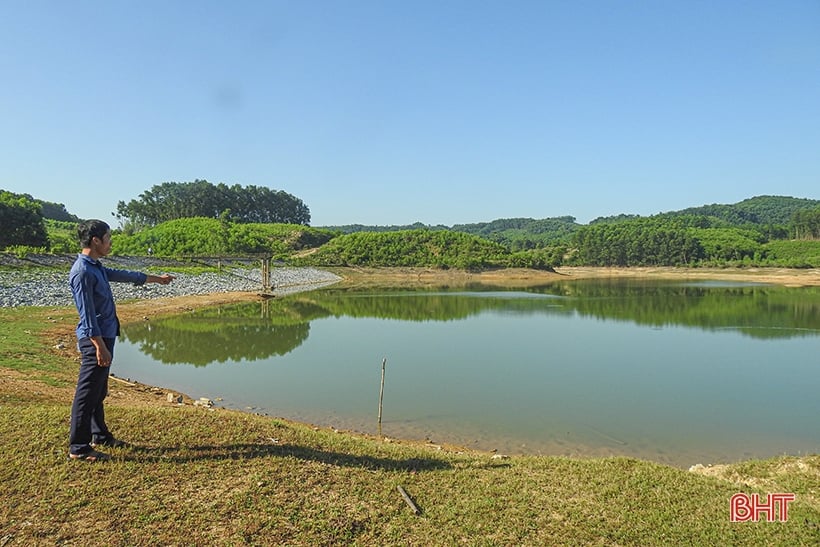
The water level at Mung Dam (Dien My commune, Huong Khe district) has dropped significantly.
The area at the end of the canal is high and steep.
In Huong Khe district, rainfall has been limited since April, causing water levels in reservoirs and dams to drop, posing a risk of localized water shortages for the summer-autumn crop production.
According to Mr. Phan Ky, Vice Chairman of the People's Committee of Huong Khe district, for reservoirs and dams managed by Nam Ha Tinh Irrigation Company Limited, the remaining capacity is about 60-70% of the design capacity; reservoirs and dams managed by the local authorities have a capacity of 40-60%.
In particular, some lakes and dams, such as the Con Song and Con Soi reservoirs, have not reached their designed water levels, posing a risk of water shortages for agricultural production in the coming period. Downstream communes of the Khe Tay canal, such as Huong Giang and Loc Yen; and downstream communes of the Song Tiem canal, such as Huong Long, Huong Binh, and Hoa Hai, are currently in drought alert zones.
The Nam Ha Tinh Irrigation Company Limited manages 33 irrigation works serving over 20,000 hectares of summer-autumn rice in the localities of Ky Anh district, Ha Tinh city, Thach Ha, Cam Xuyen, and Huong Khe. Based on the company's water balance, the system of reservoirs and dams is basically sufficient to meet the irrigation needs for the summer-autumn crop.
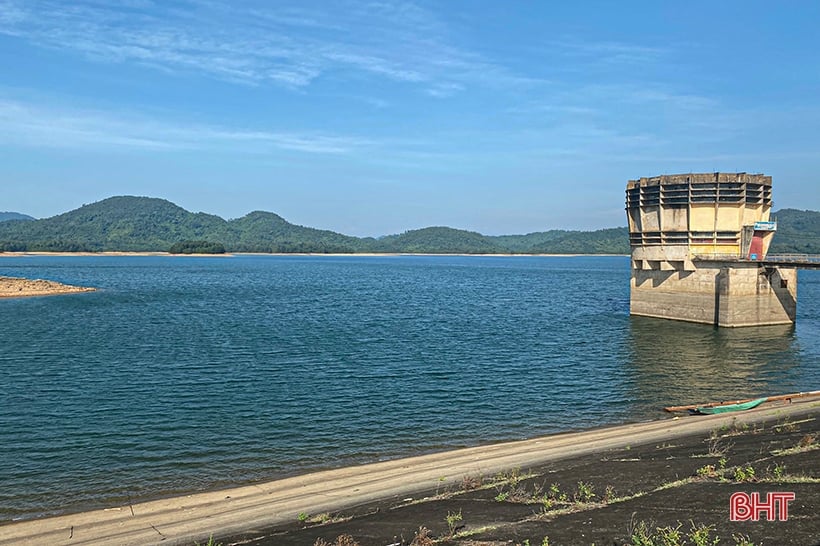
Ke Go Lake is currently providing irrigation for over 13,000 hectares per crop season in Cam Xuyen and Thach Ha districts and Ha Tinh City.
However, according to Mr. Dang Hoa Binh , Head of the Technical Management Department of Nam Ha Tinh Irrigation Company Limited, if the drought continues with high temperatures as it is now, it is predicted that some small reservoirs and dams such as Mung Dam, Khe Tay Dam, Song Tiem Dam (Huong Khe), Moc Huong Dam, and Nuoc Xanh Lake (Ky Anh district)... will face water shortages. Along with that, the high rate of evaporation will force irrigation companies to extend irrigation hours, and the progress of water supply to localities will also be somewhat affected.
According to Tran Duc Thinh, Head of the Irrigation Sub-Department (Department of Agriculture and Rural Development): “Under unfavorable weather conditions, with prolonged heatwaves and low rainfall, there is a risk that approximately 1,000 hectares of summer-autumn rice crops will face water shortages. The areas experiencing shortages are mainly concentrated at the end of canals, in the high-lying areas of the Song Tiem, Khe Tay, Moc Huong dams, Dong Ho reservoir, and some local pumping stations such as: Kim Hoa commune (Huong Son district) drawing water from Hoi Nam; Ky Khang and Ky Phu communes drawing water from the Nha Le River (Ky Anh district); and communes drawing water from the Quen River (Cam Xuyen district)...”
Not only is drought threatening, but the risk of early saltwater intrusion is also looming. Forecasts indicate that this year, with low tides, salinity could reach the Duc Xa sluice gate (Duc Tho district), about 8 km from the Trung Luong sluice gate. This will make it difficult to draw water from the La River to supply the Nghen River for irrigation and drought relief. Relevant units are regularly monitoring salinity levels to develop appropriate solutions.
According to information from the Ha Tinh Meteorological and Hydrological Station, due to the influence of the El Nino phenomenon, 2023 was one of the hottest years on record. This also caused a rainfall deficit throughout the province, ranging from 25% to 50%. Forecasts indicate that in July, the heatwave will continue, and low rainfall will cause a rapid decrease not only in water reserves in reservoirs, dams, and surface runoff from rivers and streams, but also in groundwater levels. |
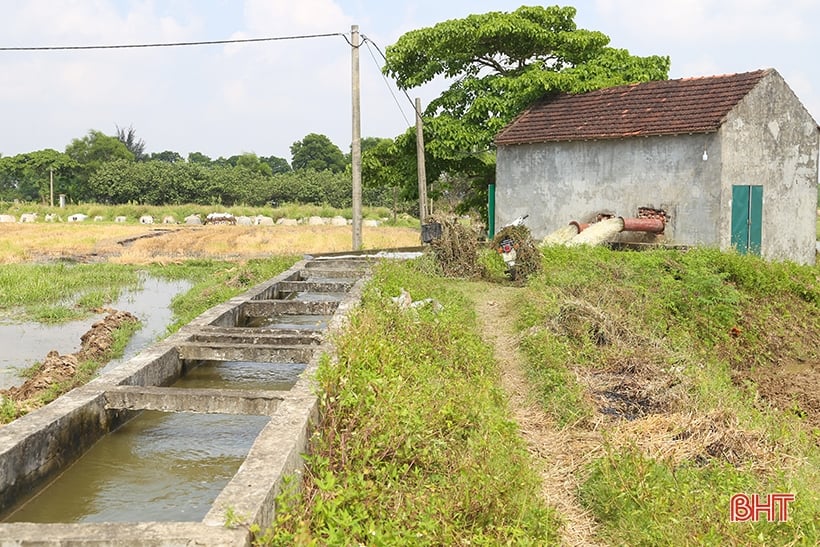
Localities have begun irrigating the summer-autumn rice crop.
Flexible irrigation water management to combat drought.
In response to this situation, irrigation companies have coordinated with local authorities to proactively develop drought prevention plans for each irrigation system, while simultaneously operating, regulating, and distributing water rationally and economically.
Mr. Ho Thanh Hai, Deputy Head of the Planning Department (Bac Ha Tinh Irrigation Company Limited), said: “The company started the second irrigation cycle for the summer-autumn crop on June 13th with a flow rate of 20-25 m³ /s; prioritizing irrigation in remote and high-altitude areas first; and organizing water distribution to communes at the end of the canals to ensure production. The unit also proactively implemented solutions such as: for the Nghen River basin irrigation area, we will balance the water resources of Ngan Truoi Lake to operate water release appropriately to ensure supply for the area under the Linh Cam system, creating a source of drought relief for the Nghen River region.”
In case of severe drought and high saltwater intrusion, the Trung Luong and Duc Xa sluice gates must be closed to implement the plan of releasing water from Ngan Truoi Lake into the Linh Cam canal to create a source for the Nghen River through the sluices on the main Linh Cam canal, overflowing the San Dam in the Middle Canal system, and releasing water into drainage channels such as drainage channel 21, Cho Giay, and the 19/5 canal…”.

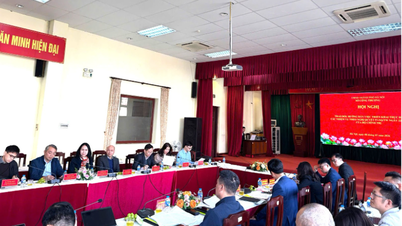
The working group from the Department of Agriculture and Rural Development inspected the water supply situation and drought prevention measures in the localities.
As for the Huong Khe irrigation area, the Nam Ha Tinh Irrigation Company Limited, together with the local authorities, will integrate the irrigation systems of the reservoirs: Da Bac, Da Han, and Dap Ho into the Tien River irrigation system; the irrigation systems of Nuoc Do and Cha Cham reservoirs into the Khe Tay dam irrigation system; dredge sediment in front of the Tien River dam; and plan to purchase pumps to pump stagnant water from some reservoirs when necessary to combat drought...
The sector organized inspection teams to assess the water supply situation for production and daily life in localities; advised the Provincial People's Committee to issue a directive to instruct localities, relevant departments and agencies, and irrigation management companies to focus on implementing drought prevention measures.
Priority solutions include: reviewing and balancing water resources appropriately, changing crop structures in water-scarce areas; proactively allocating local budgets to implement urgent measures to prevent and combat drought and saltwater intrusion; dredging and reinforcing canals, repairing and maintaining water intake gates, irrigation pumping stations, ponds, and wells; clearing waterways, building temporary dams to retain water, installing water intake equipment to ensure smooth operation and adequate water flow; and deploying permanent personnel to regulate water appropriately...
Deputy Director of the Department of Agriculture and Rural Development Pham Dang Nhat
Thai Oanh
Source

























































































Comment (0)