


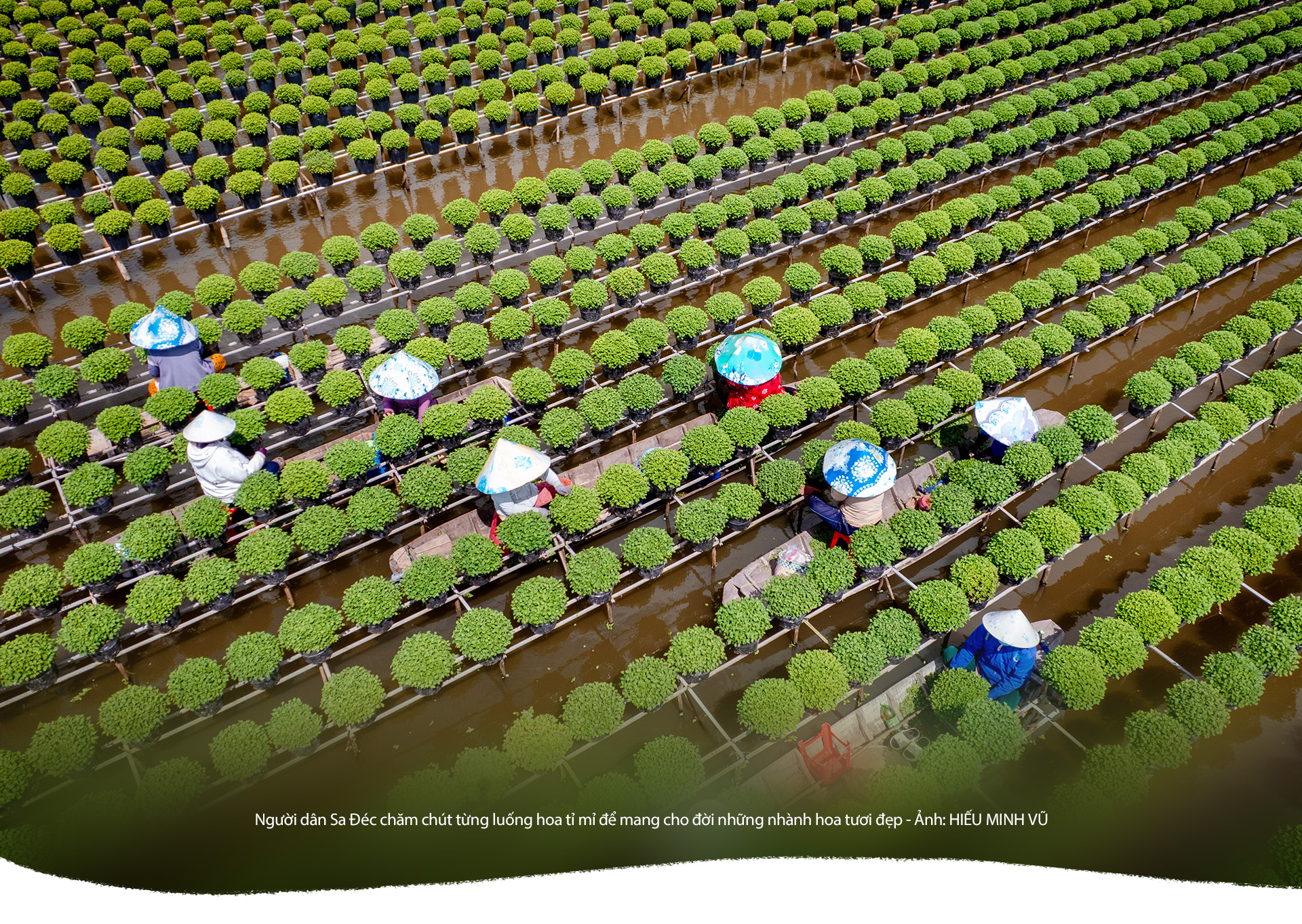
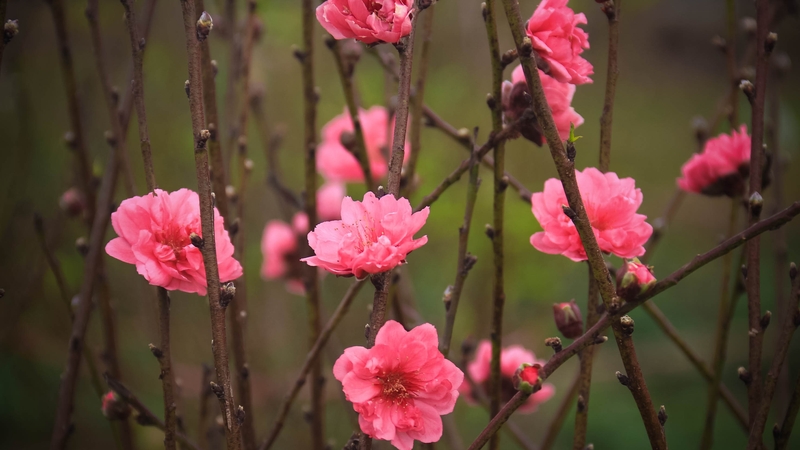
Amidst the dazzling lights and flowers of Sa Dec at night, the 2nd Sa Dec Flower and Ornamental Plant Festival in 2025 (from December 27, 2025 to January 4, 2026) not only opens a festival season but also offers a glimpse into the more than a century-long journey of a traditional craft village.
From flower farms along the riverbanks to innovative economic thinking, Sa Dec flowers are entering a new phase – where heritage is awakened, people play a central role, and the future is built.
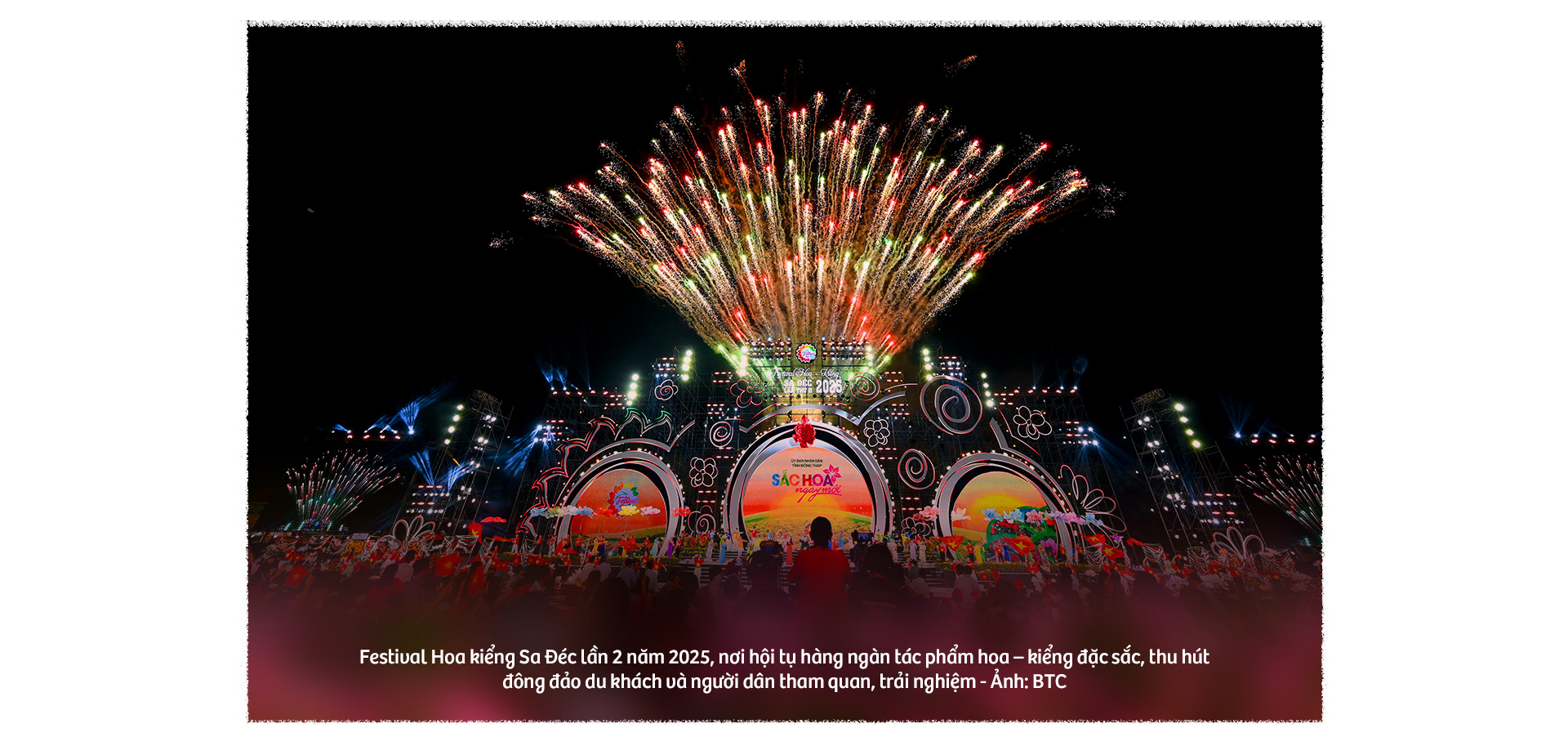
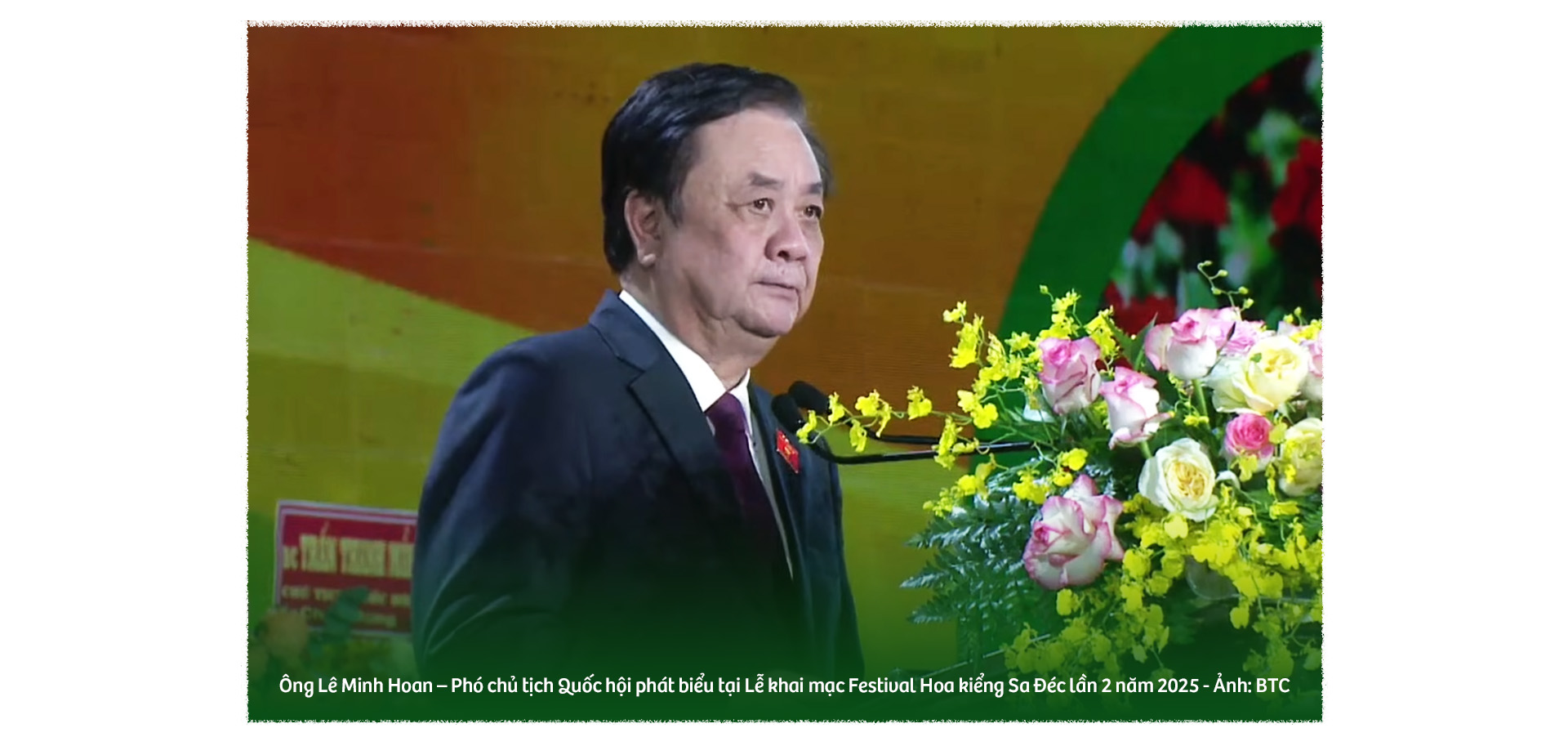
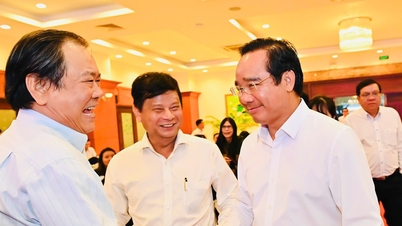
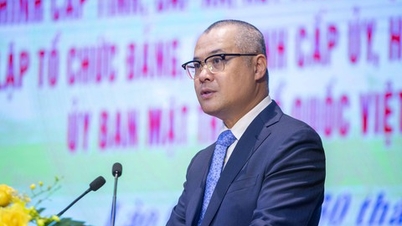
Speaking at the opening ceremony of the 2nd Sa Dec Flower and Ornamental Plant Festival, Vice Chairman of the National Assembly Le Minh Hoan did not dwell on numbers or achievements, but began with a statement that hinted at the depth of culture:
"The flowers of the earth bring fragrance and color to life. The flowers of life bring fragrance and color to flowers. Amidst the dazzling lights of Sa Dec, as the fragrance of flowers drifts on the breeze, tonight we are not only inaugurating a festival of love for the land, love for flowers, and love for people, but also opening a door back to the realm of memories."
According to him, amidst the vibrant floral display today, the Festival is not only a cultural and tourism event, but also an opportunity for the community to "return to the memories" of the flower-growing profession that has taken root for over a hundred years along the Sa Giang River.
According to Mr. Le Minh Hoan, the flowers of Sa Dec do not grow in enclosed greenhouses but bloom amidst rain and sunshine, the flood season, and even the difficult years of the country.
"Each flower that blooms is a moment when the farmer bows down to the earth, looks up to the sky, and learns patience" – that patience gives Sa Dec flowers their "soul".
Perhaps that's why Sa Dec flowers are not only beautiful but also have a soul.
The souls of fathers and mothers awaken from the dawn.
The souls of those calloused hands still cherish each potted plant.
The spirit of successive generations preserves the craft not only for livelihood but also out of love and compassion.
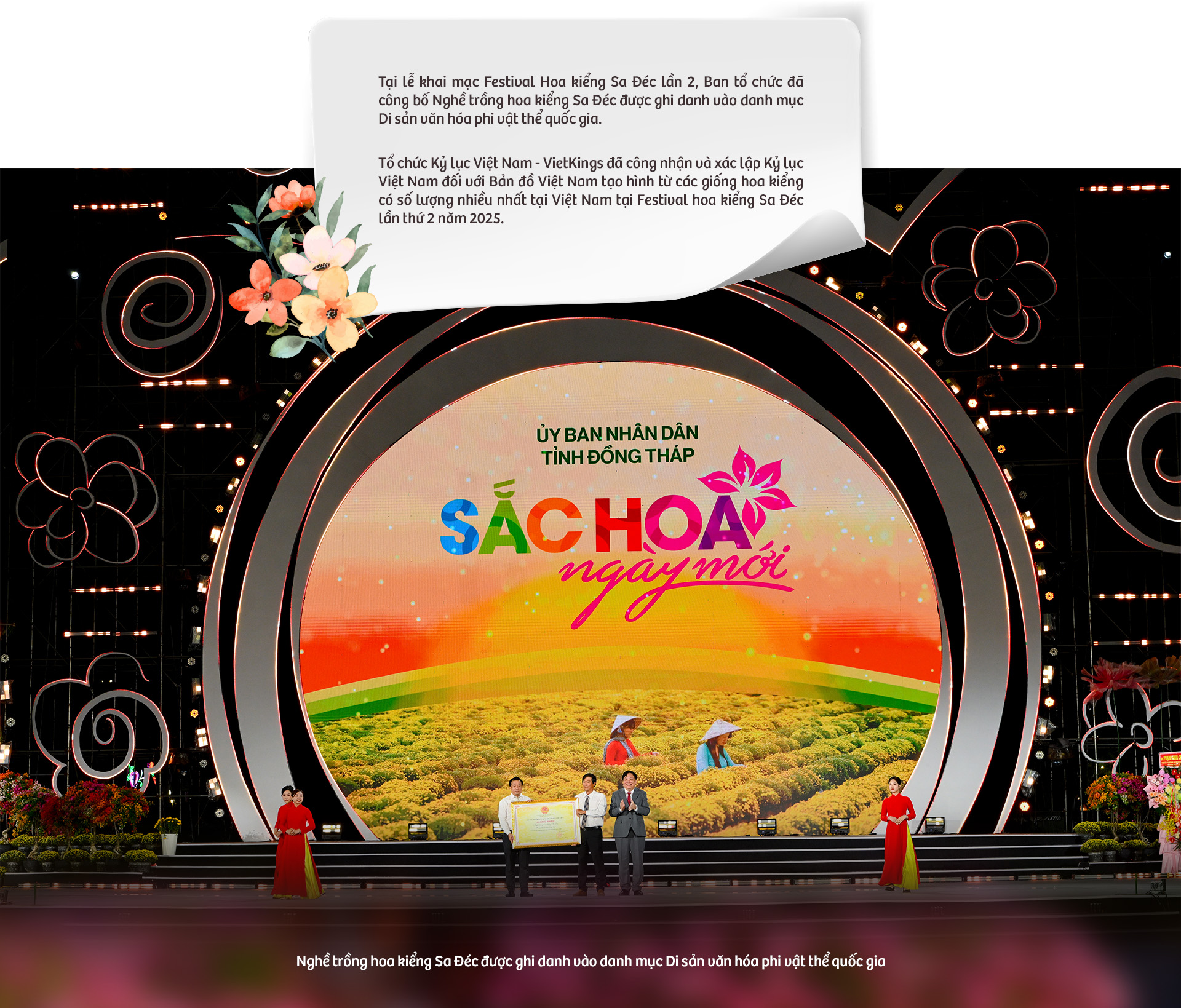
On the occasion of Sa Dec's ornamental flower cultivation being recognized as an intangible cultural heritage, the Vice Chairman of the National Assembly expressed gratitude to the flower village community – those who have silently beautified life, persistently clinging to their profession even when the market fluctuates and risks are always lurking.
According to Mr. Le Minh Hoan, Sa Dec ornamental flowers today are not only sold at Tet markets or spring flower festivals, but have also entered new spaces: experiential tourism, installation art, landscape design, public spaces, aesthetic education, and creative industries.
"A flower, if sold only in its pot, has limited value. But when you add a story, an experience, a memory, or a work of art to it, its value cannot be measured in money."
That is the creative economy – where flowers don't just bloom on the ground, but in people's minds.
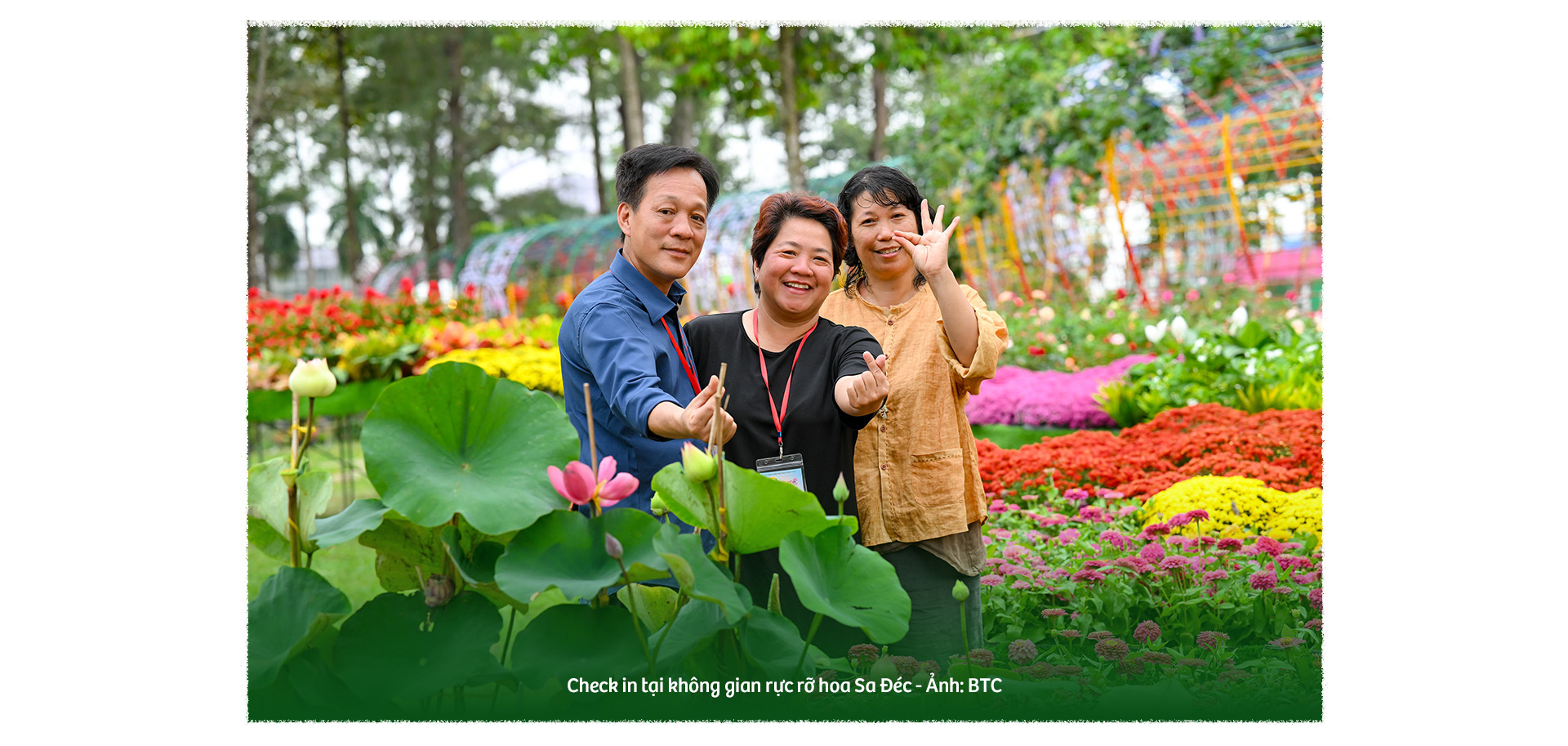
He hopes that Sa Dec will not only be remembered as a "flower village," but will become a creative space for ornamental plants – a place where young people find entrepreneurial opportunities, where artists find inspiration, and where tourists not only take photos and leave, but stay to understand and feel.
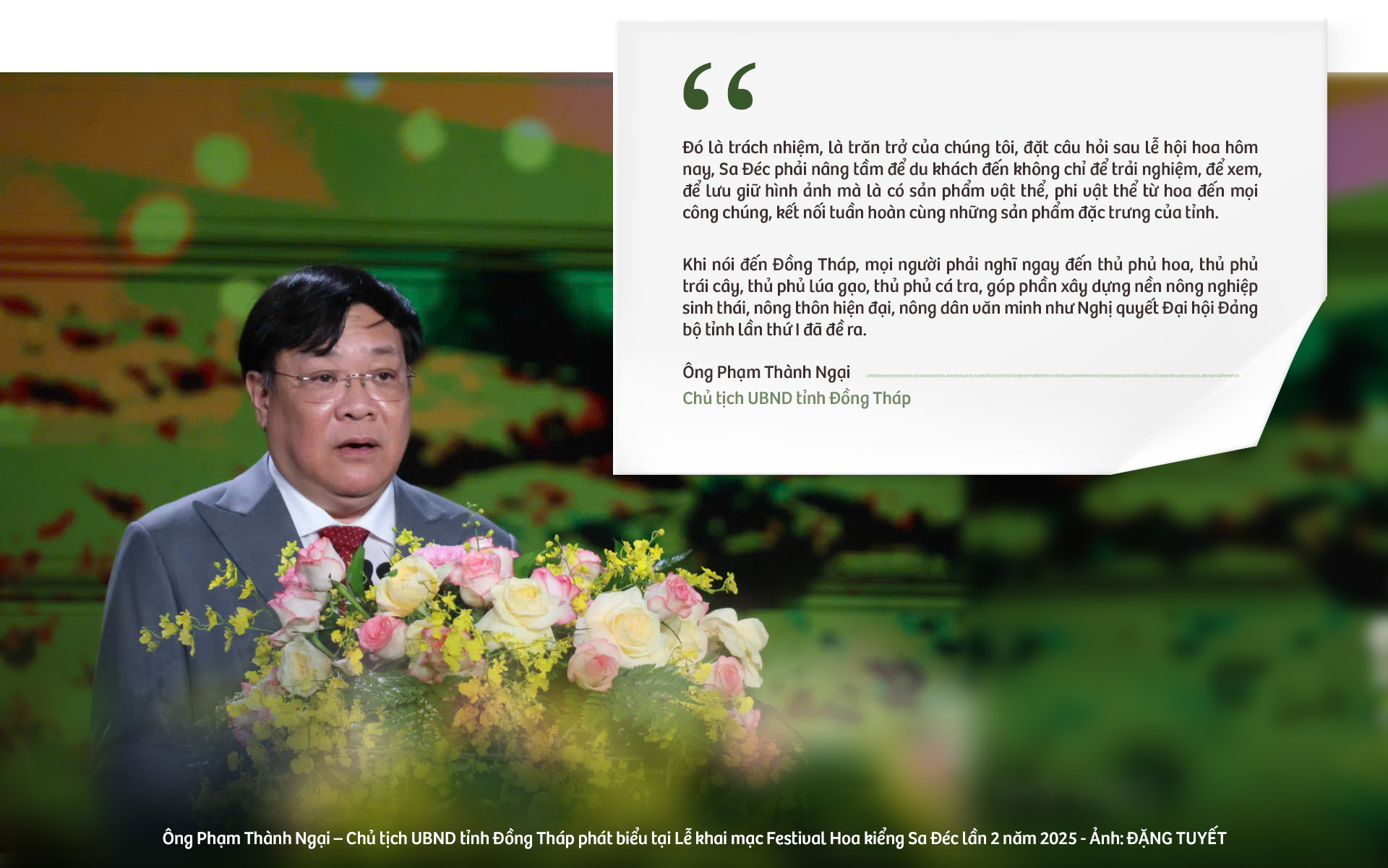
According to the Chairman of the People's Committee of Dong Thap province, Pham Thanh Ngai, from a humble flower village by the river, Sa Dec has today transformed into the largest ornamental flower production center in the Mekong Delta, with over 2,000 varieties, supplying tens of millions of products annually, and gradually aiming towards the international market.
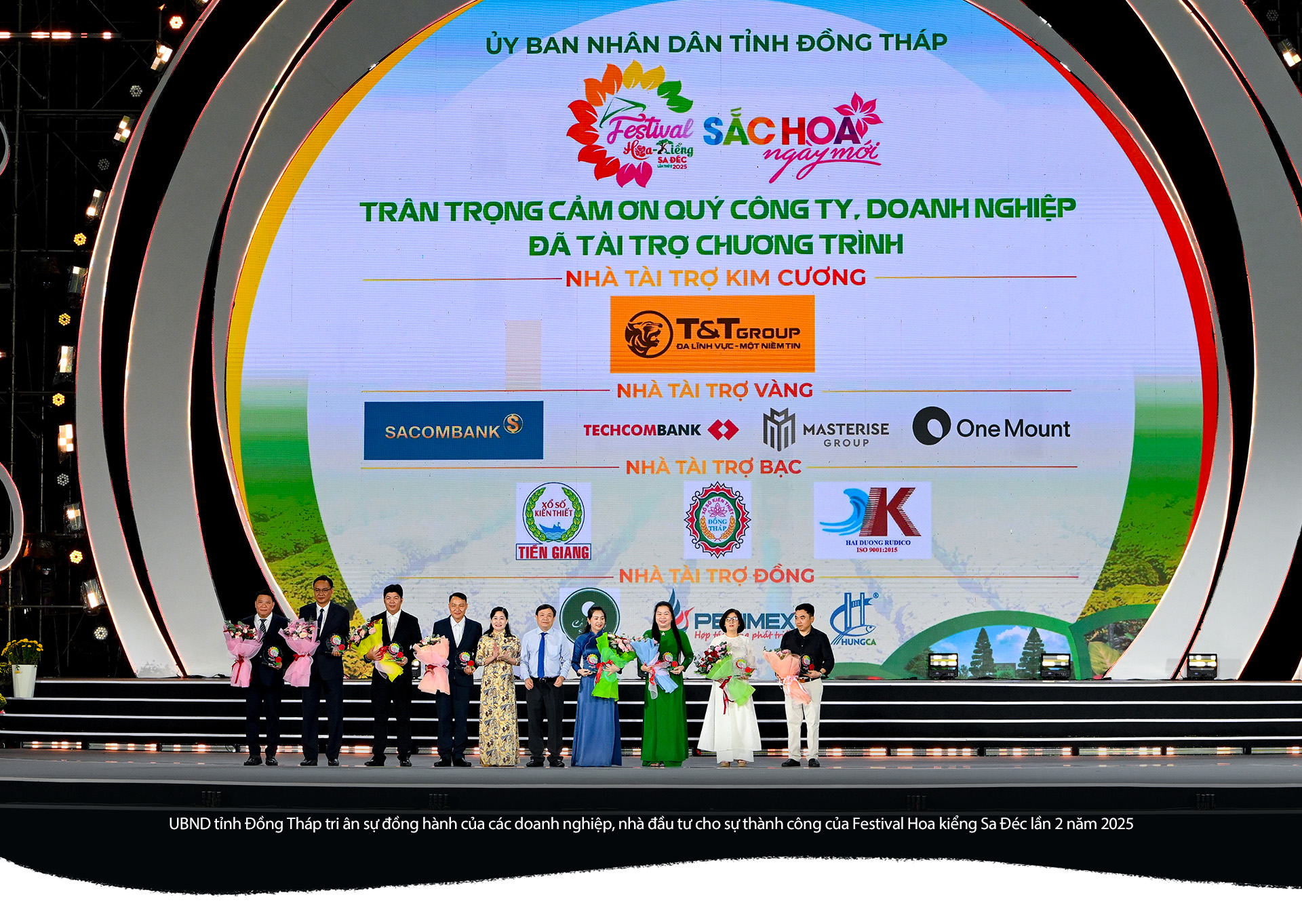
The 2nd Sa Dec Ornamental Flower Festival, with the message "Colors of Flowers for a New Day," is not only a celebration of flowers, but also a commitment from the government and community to elevate the value chain of the ornamental flower industry, linking agriculture with technology, culture, and sustainable tourism.
The Chairman of the People's Committee of Dong Thap province was particularly impressed with Mr. Le Minh Hoan's perspective on the generations of flower growers:
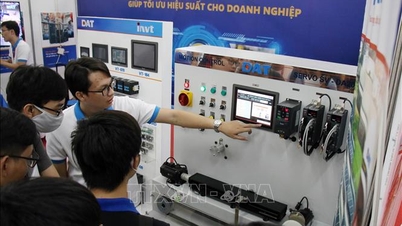
The first generation sowed seeds with their hands; the second generation paved the way with economic thinking; the third generation flourished through art and had high hopes for future generations; and the fourth generation must lead with science, technology, and innovation.
"It is our responsibility and our concern to ask ourselves, after today's flower festival, that Sa Dec must elevate itself so that tourists come not only to experience, to see, and to capture images, but also to have tangible and intangible products derived from flowers available to the general public, creating a circular connection with the province's characteristic products."
"When people think of Dong Thap, they immediately think of the flower capital, the fruit capital, the rice capital, the catfish capital, contributing to building an ecological agriculture, a modern rural area, and civilized farmers as outlined in the Resolution of the 1st Provincial Party Congress ," Mr. Ngai emphasized.
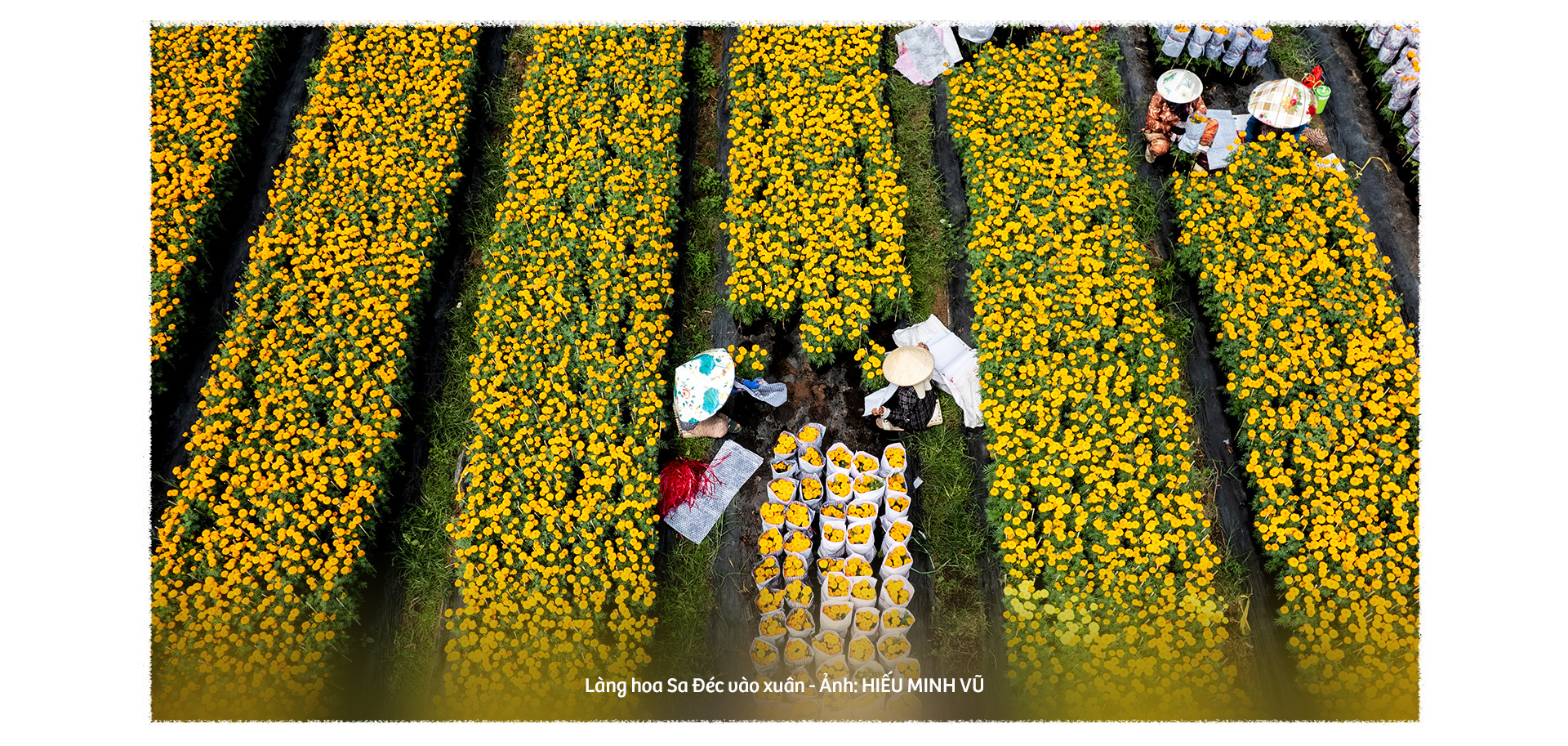
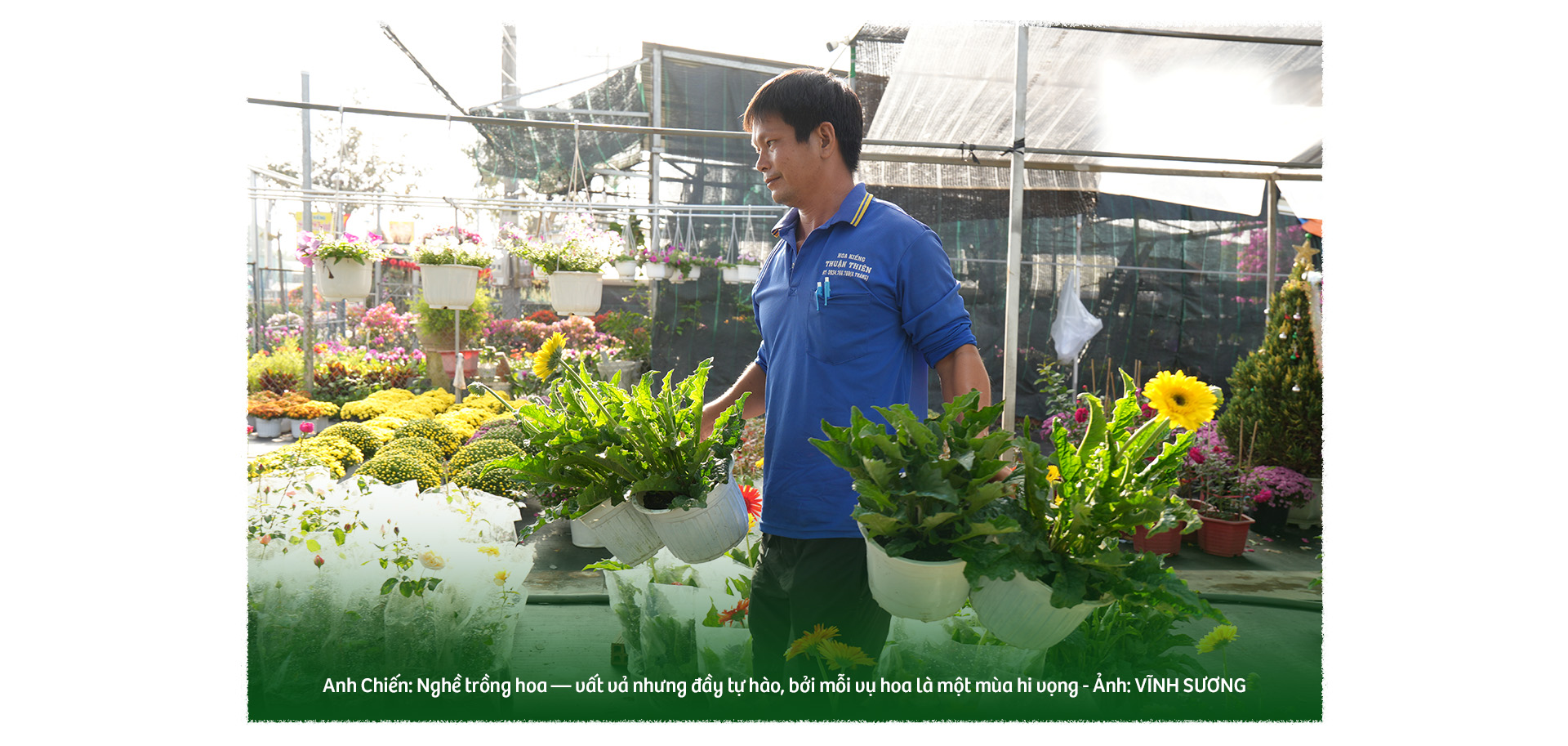
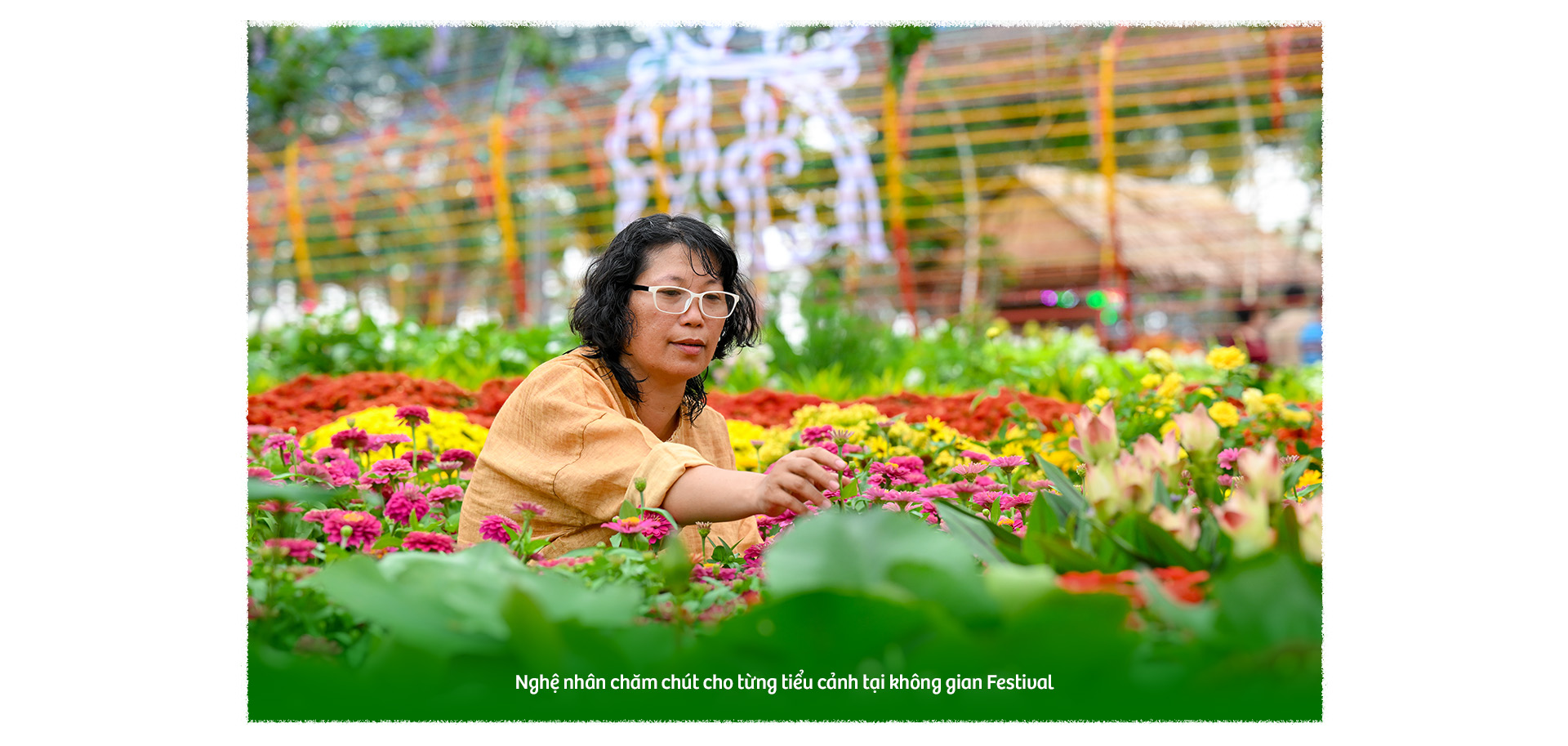
The festival brings color and joy, while the Sa Dec flower village is preserved by the perseverance of the flower growers – people who accept unpredictable seasons, high costs, and uncertain markets in exchange for one constant: the opportunity to make a living from their craft.
According to Mr. Chien (owner of Chien Thao flower garden), his childhood memories are linked to the smell of the soil, the flower trellises, and the image of his father quietly and diligently tending to the rose and marigold rows every morning.
As a child, he spent his time playing and never imagined he would pursue a career in flower cultivation. As he grew older, he took on various jobs before realizing that the most familiar place was the one he longed to return to.
"Now, flowers are not just a means of livelihood, but have become an integral part of me ," Chiến shared after returning to his family's flower garden after more than ten years of dedication.
Continuing the tradition of flower cultivation, Ms. Pham Thi Kim Bong was born and raised in a family with many generations of flower growers. Her farming experience didn't come from books, but was accumulated through each flower season and each time she accompanied her mother to the garden to care for the plants.
For her, growing flowers today is not simply about maintaining a familiar job, but about preserving a part of her family's memories.
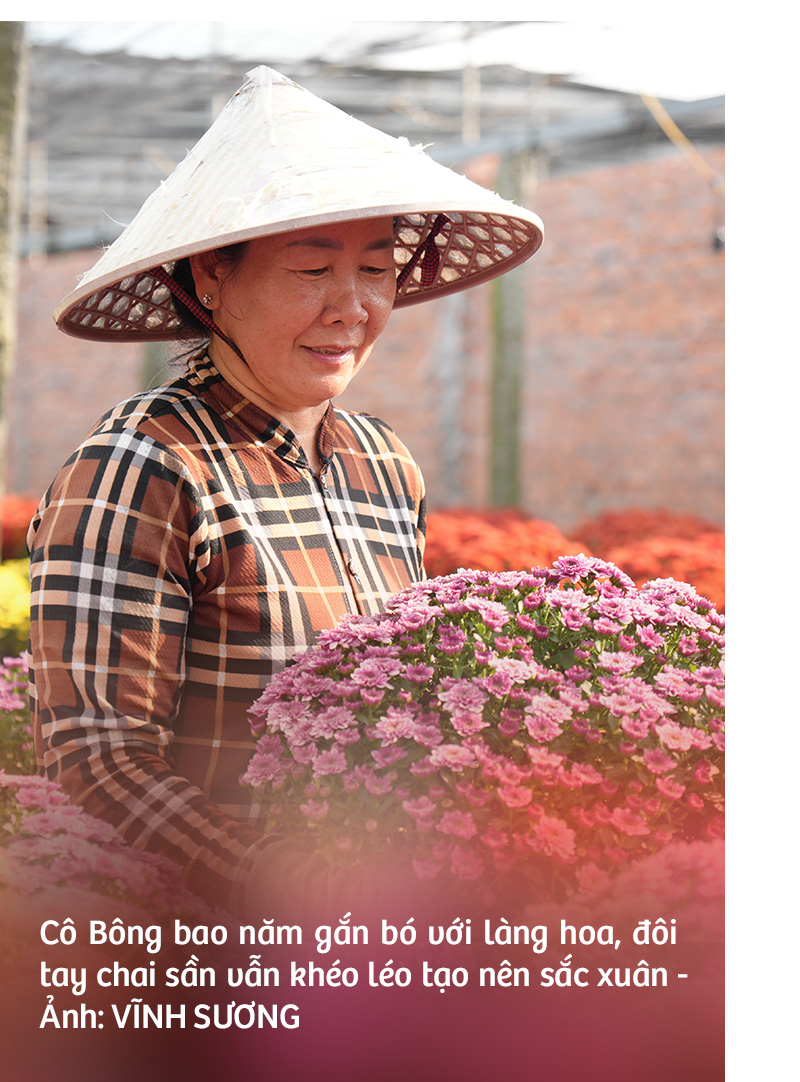
"Growing flowers is a continuation of my parents' profession. Besides traditional varieties, I grow many new types and apply new techniques to cultivate them more efficiently," said Mrs. Bong.
From stories like these, the Sa Dec flower village is preserved not only through techniques or markets, but also through the quiet continuity between generations.
Each bonsai tree, each flower pot, carries the imprint of those who came before and the beliefs of those who remain – so that the flower-making craft does not remain in memory, but continues to live in the present and move into the future.
As Deputy Speaker of the National Assembly Le Minh Hoan shared: flowers teach people to live slowly, to live kindly, to live in harmony with nature, and to be patient. A beautiful bonsai tree can sometimes take decades to shape, just as a traditional craft village needs time to accumulate depth.
The flowers of Sa Dec may travel far, but their roots must remain – in the small canals, the ancient gardens, and in the way the people of Sa Dec treat the land, the water, and each other.
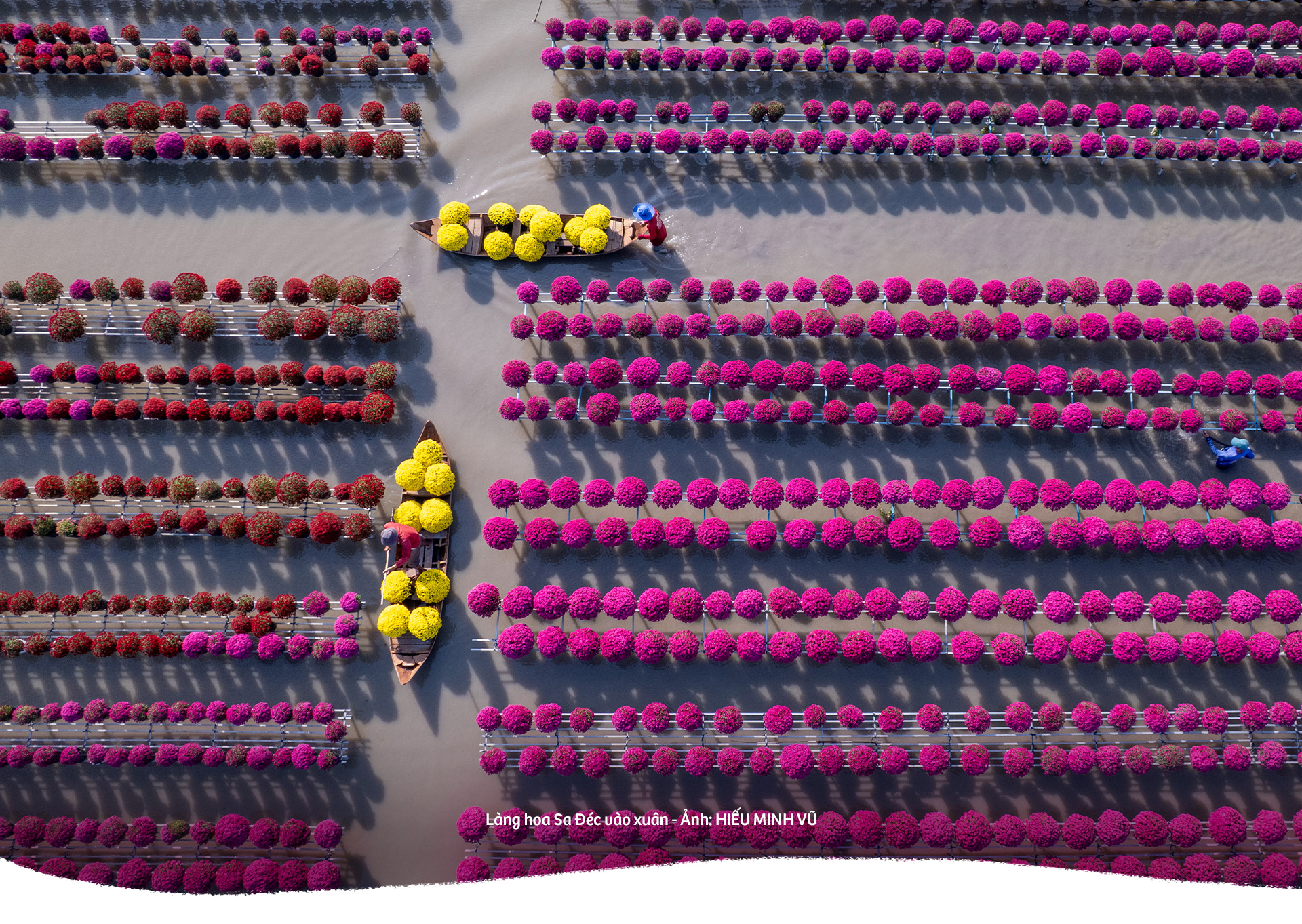
At the deeper levels of Sa Dec's flower economy lies the world of bonsai – where time is molded in every branch and leaf. As the fifth generation continuing his family's ornamental plant tradition, Mr. Nguyen Phuoc Loc grew up surrounded by bonsai trees, familiar with the task of winding wires and pruning branches since he followed his mother to the garden.
Having been involved in the profession since 1986, for over 30 years, he has become one of the people who have contributed to preserving and developing the art of bonsai shaping in Sa Dec.
Currently the owner of the Sa Dec Bonsai Museum, Mr. Loc preserves the essence of traditional bonsai art, where many works are highly valued – a testament to the artistic value of Vietnamese bonsai.
Not content with just collecting, he was concerned about the long-term development of bonsai and believed that its greatest advantage lay in the natural conditions.
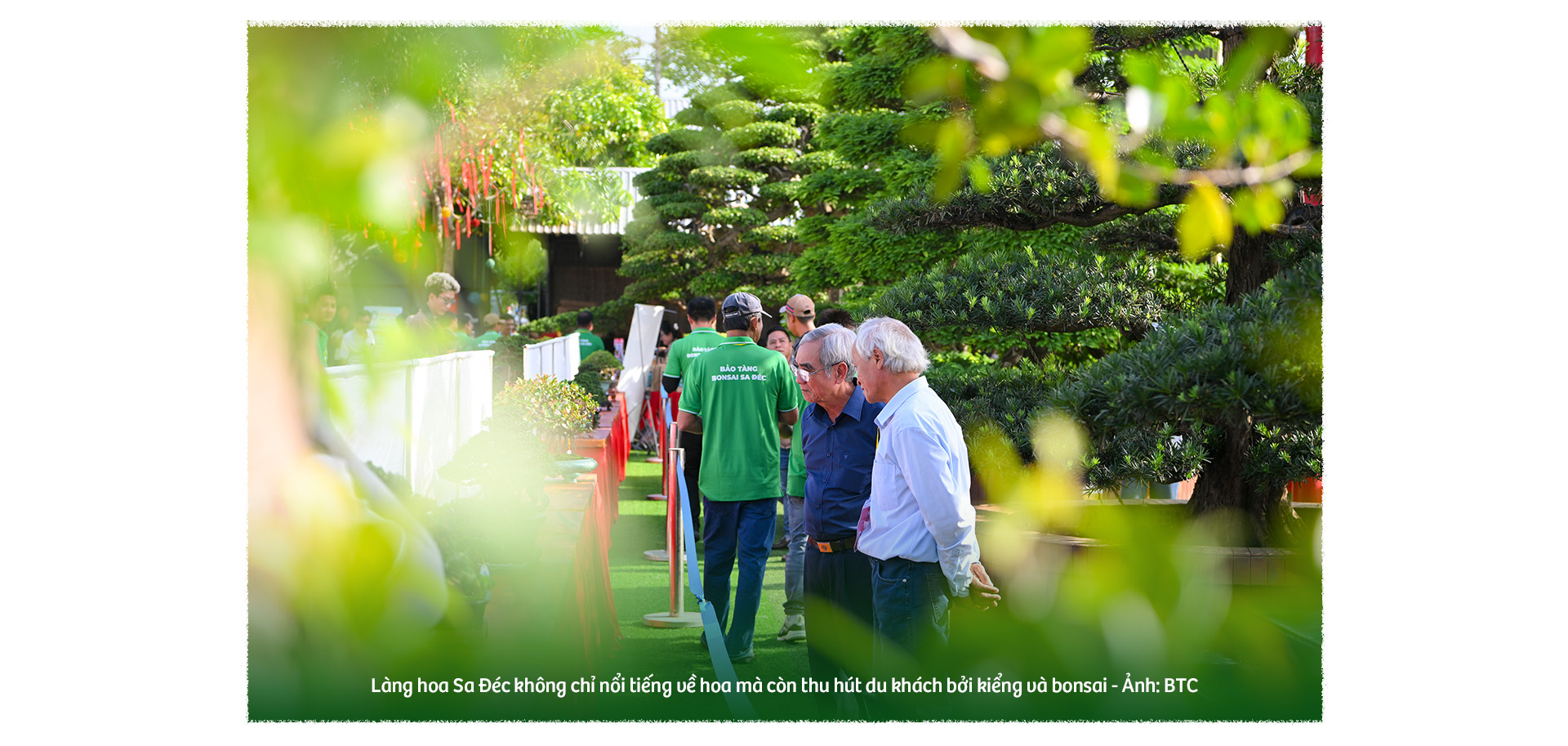
"Sa Dec possesses rare advantages: it is not affected by salinity, has a stable climate, and requires a much shorter time to cultivate bonsai trees compared to many other places. It has all the 'favorable conditions' for Vietnamese bonsai to enter the world ," Mr. Loc emphasized.
Simultaneously, he opened training classes for the younger generation, teaching them everything from hair styling and maintenance techniques to a long-term career mindset aimed at achieving a stable income.
Therefore, the dream of exporting bonsai is not just his own, but a shared aspiration: to build a brand of Vietnamese bonsai that is rustic, refined, and rich in identity, so that one day Vietnamese bonsai will have a worthy presence at major auctions and exhibitions around the world.
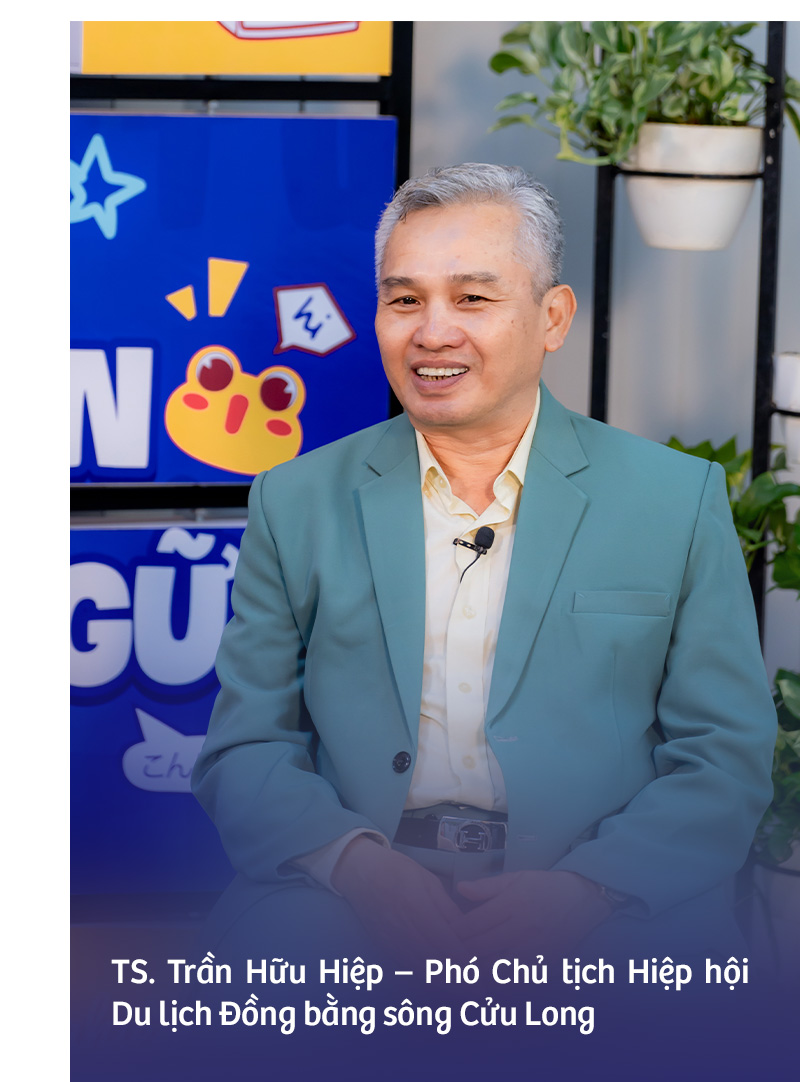
According to Dr. Tran Huu Hiep, Vice President of the Mekong Delta Tourism Association, the assessment by Vice Chairman of the National Assembly Le Minh Hoan has opened up a new approach for Sa Dec ornamental plants, moving beyond seasonal production associated with the Tet market.
According to him, ornamental plants should be viewed as part of the service economy, the creative economy, and the aesthetic economy, where value lies not only in buying and selling but also in experience, emotions, and cultural identity.
"Sa Dec flowers are not just for sale, but also to tell the story of history, people, and a lifestyle in harmony with nature ," Mr. Hiep emphasized, arguing that this would transform the flower village into a vibrant, profound, and sustainable cultural space.
To ensure the long-term economic development of flower villages, Dr. Tran Huu Hiep suggests shifting from a single-sector mindset to an ecosystem-based approach, connecting flower cultivation with tourism, services, landscape design, and cultural activities.
Flower village tourism shouldn't just stop at sightseeing and taking photos; it must create genuine experiences such as flower cultivation, vocational training, and aesthetic education – while simultaneously equipping flower growers with tourism skills and the ability to tell the story of their traditional craft.
He also noted that sustainable development cannot be separated from environmental factors and livelihoods. Flower cultivation needs to make rational use of land and water resources, adapt to climate change, and, more importantly, ensure stable income so that flower growers have confidence and pride in their profession.
Assessing its potential, Dr. Tran Huu Hiep affirmed that Sa Dec could absolutely become the "Da Lat of the Mekong Delta" if it knew how to harmoniously combine agriculture, tourism, and creative economy.
At that time, Sa Dec flowers not only bloomed brilliantly during Tet (Lunar New Year), but also created stable, sustainable, and long-term economic value for the locality and the entire region.
Deputy Speaker of the National Assembly Le Minh Hoan believes that the beauty of Sa Dec flowers lies not only in their color or shape, but also in the patience, gentleness, and love for the land passed down from generation to generation.
"Sa Dec flowers may travel far, but their roots must remain here, in the small canals, in the old gardens, in the way the people of Sa Dec treat the land, the water, and each other," said Mr. Le Minh Hoan.
Based on that foundation, he suggested that the leaders of Dong Thap should confidently embark on a journey of innovation to form a heritage economy. Sa Dec is not only home to flower villages, but also to flour villages, temples, ancient houses, old villas, and old brick kilns; and more broadly, the ancient villages of Dong Hoa Hiep, Tan Thuan Dong Island, Thoi Son Island, and My Phong flower village…
"All of these resources are still intact and need to be carefully nurtured to prevent them from being disrupted, in order to create jobs and livelihoods for the community. By doing that well, Dong Thap will be different ," Mr. Le Minh Hoan hoped.
The festival will eventually come to an end, but the spirit of Sa Dec flowers is expected to continue to spread for a long time in every policy decision, every development project, and in the choices of the younger generation, so that future festivals will not only be a celebration of flowers, but also a celebration of the community, created and benefited from by the community itself.
Content: VAN BINH - TRUONG KIEN - VINH SUONG
Image: VB
Design: HAI PHI
Tuoitre.vn
Source: https://tuoitre.vn/hoa-kieng-sa-dec-giu-goc-re-mo-loi-tuong-lai-20260102082124039.htm











































Comment (0)