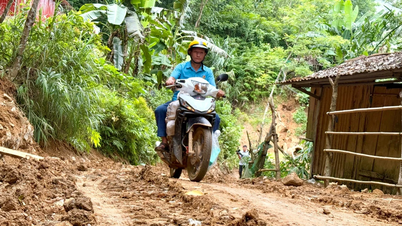
Few could have imagined that just 8 months ago, this place was a desolate wasteland, littered with rubble after the devastating floods caused by the remnants of Typhoon No. 10 in October 2025. From those ruins, with unwavering determination and a spirit of unity, the people of Duong Quy have written a story of revival on their homeland's fields.
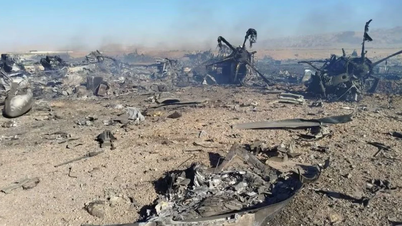
Devastation after the devastating flood.
The people of Tong Phay still cannot forget that terrifying night of heavy rain and flooding. The torrential rain lasted for hours, causing water from upstream to rush down in torrents. In just one night, the rice fields, ready for harvest, were swallowed up by the raging floodwaters. Rocks and soil from the mountains flowed down with the flood, covering the fields.
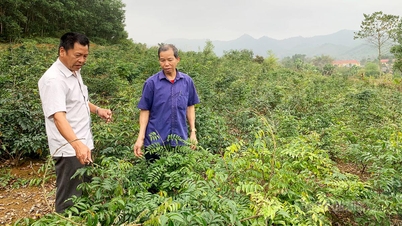
Mr. Le Van Thuy, who has spent decades working in agriculture, still remembers the moment he saw his fields wiped out. “At that time, all I saw was rocks, mud, and sand covering everything in a white blanket. All the hard work I had put in throughout the season was lost. Many people in the village stood speechless, unable to say a word,” he shared.
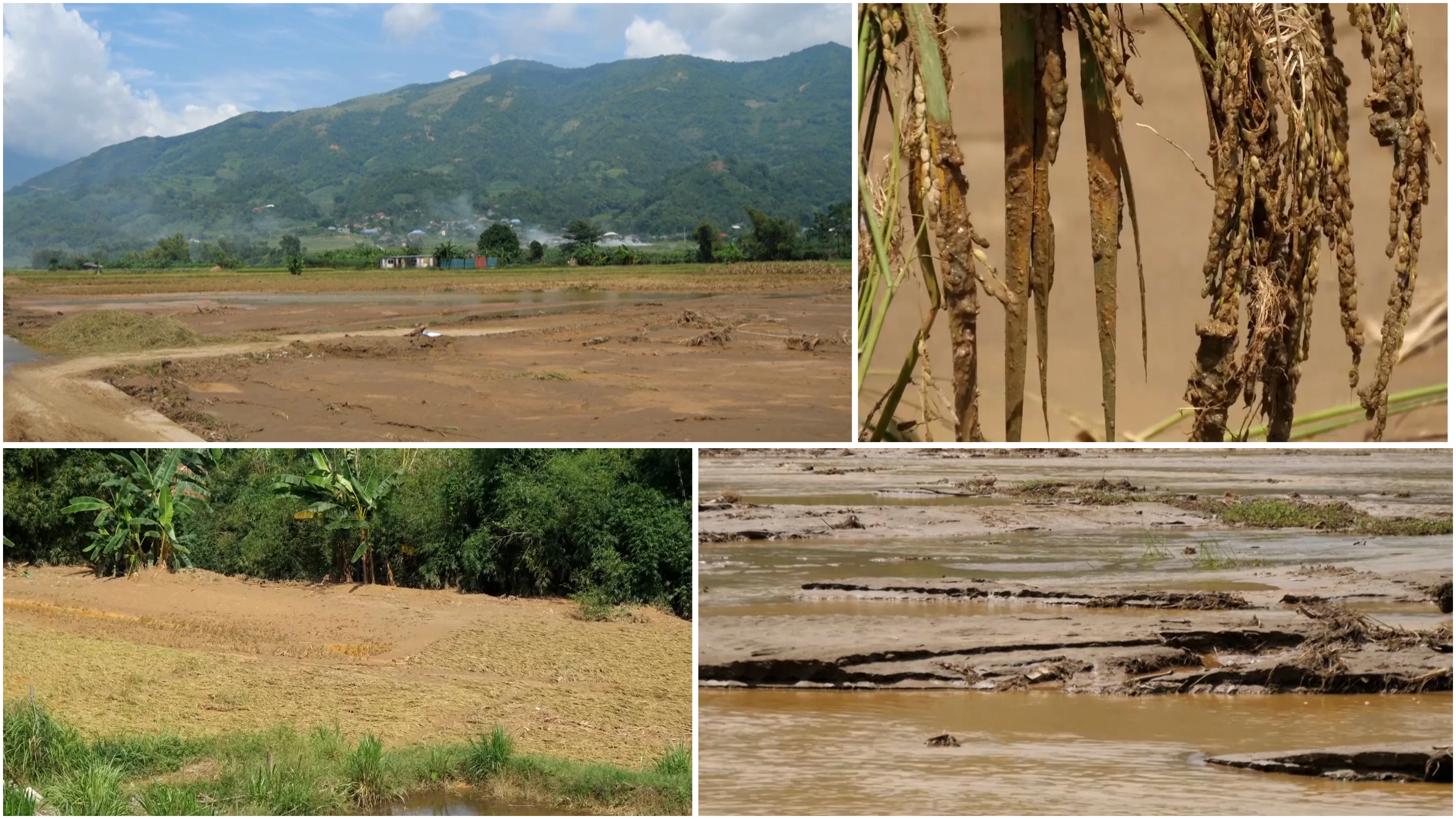
It's not just Mr. Thuy's family; dozens of other households in Tong Phay are facing a similar situation. The rice paddies, which were the main source of livelihood for the people, have been completely buried. Large areas of cultivated land have been deformed, their original shape unrecognizable.
After the flood, the landscape here was shrouded in a gray haze. Uneven stretches of rocky, barren land were visible. Many believed it would take years to restore production. The worries about livelihoods, about food and clothing during the lean season weighed heavily on the people.
Don't let land lie dormant.
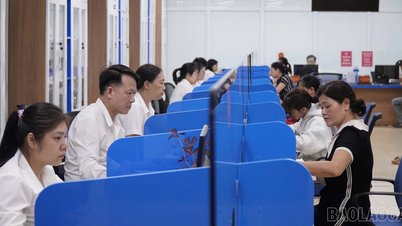
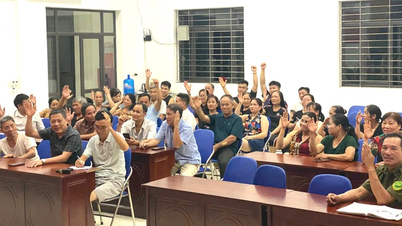
But the people of Duong Quy refused to surrender to the natural disaster. Immediately after the devastating flood, the local government coordinated with support forces to help people overcome the consequences. Village meetings were held continuously to discuss plans for reclaiming the fields and restoring production. Groups of people carrying hoes, shovels, and machinery went to the fields to clear the soil and rocks. During those days, the Tong Phay fields were bustling with manpower and machinery from early morning to late afternoon, in an atmosphere of urgent labor. People contributed their labor and effort. Those with excavators helped those without. Calloused hands continued to dig and level every square meter of land.
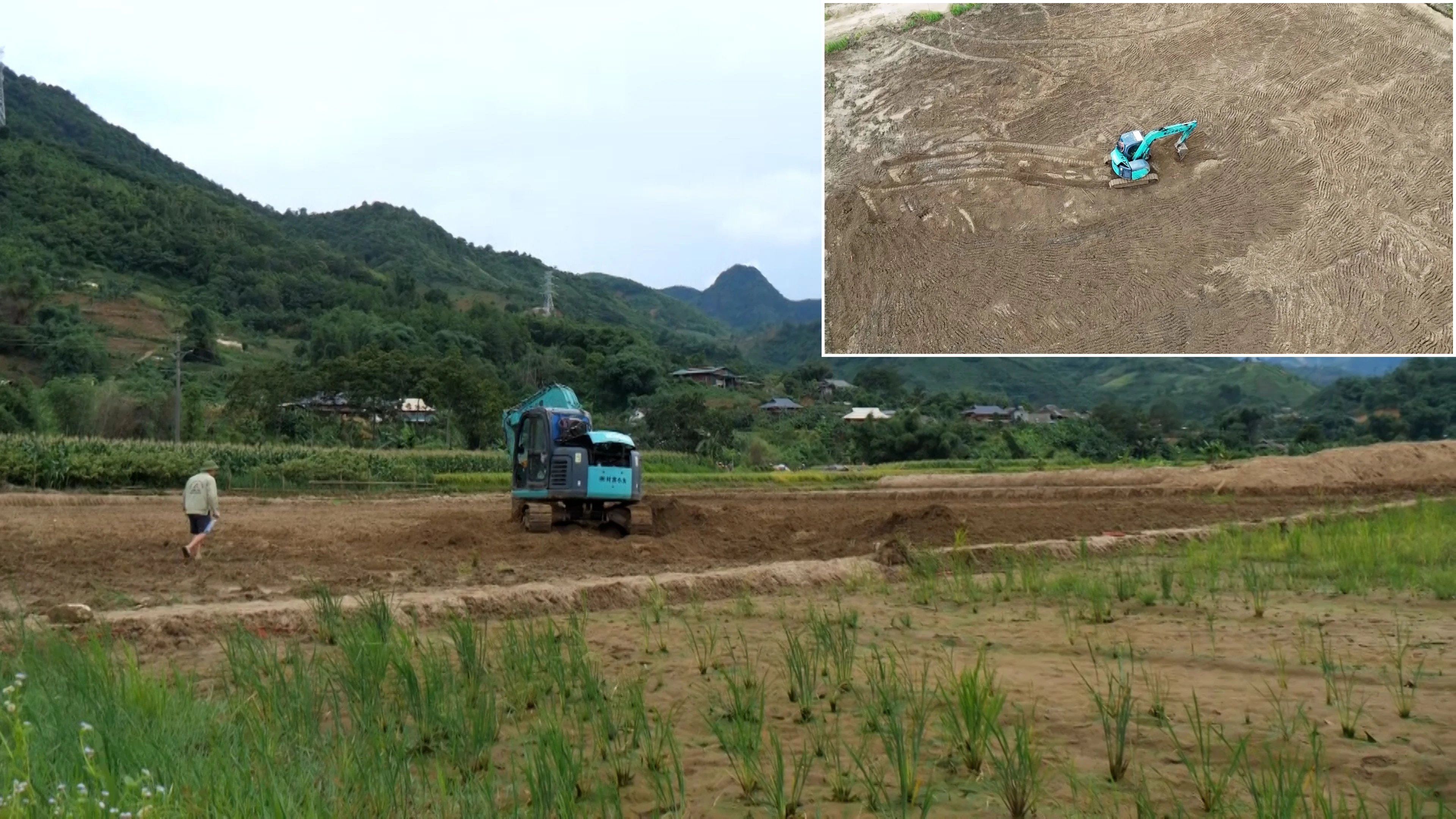

Mr. La Duc Hiep, head of Tong Phay village, said that after the flood, the most valuable thing was the solidarity of the people. “There were days when the villagers worked from morning until late at night before returning home. Everyone was determined to save the fields, because they are the livelihood of the entire village. It was this unity that helped us overcome the most difficult period,” Mr. Hiep shared.
In areas where recovery is possible, people are focusing on reclaiming land to replant crops. For areas heavily buried by mud and rocks, the local authorities are guiding residents to switch to more suitable crops. The recovery process doesn't happen overnight. It requires months of diligent work in reclaiming land, bringing in water, sowing seeds, and caring for the plants. Each green rice sprout emerging from land once devastated by floods carries the hope of the people.
The golden season of faith
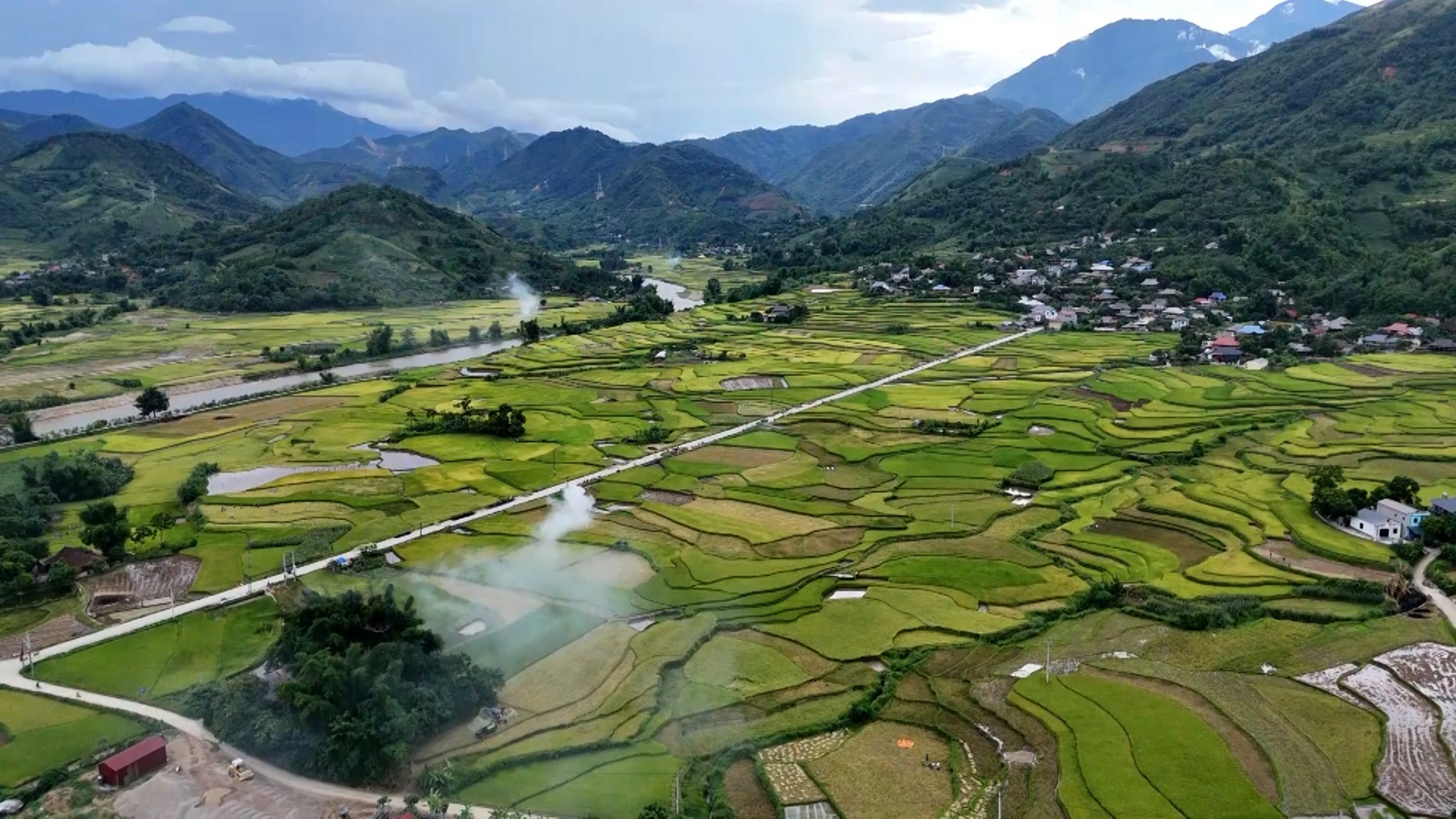
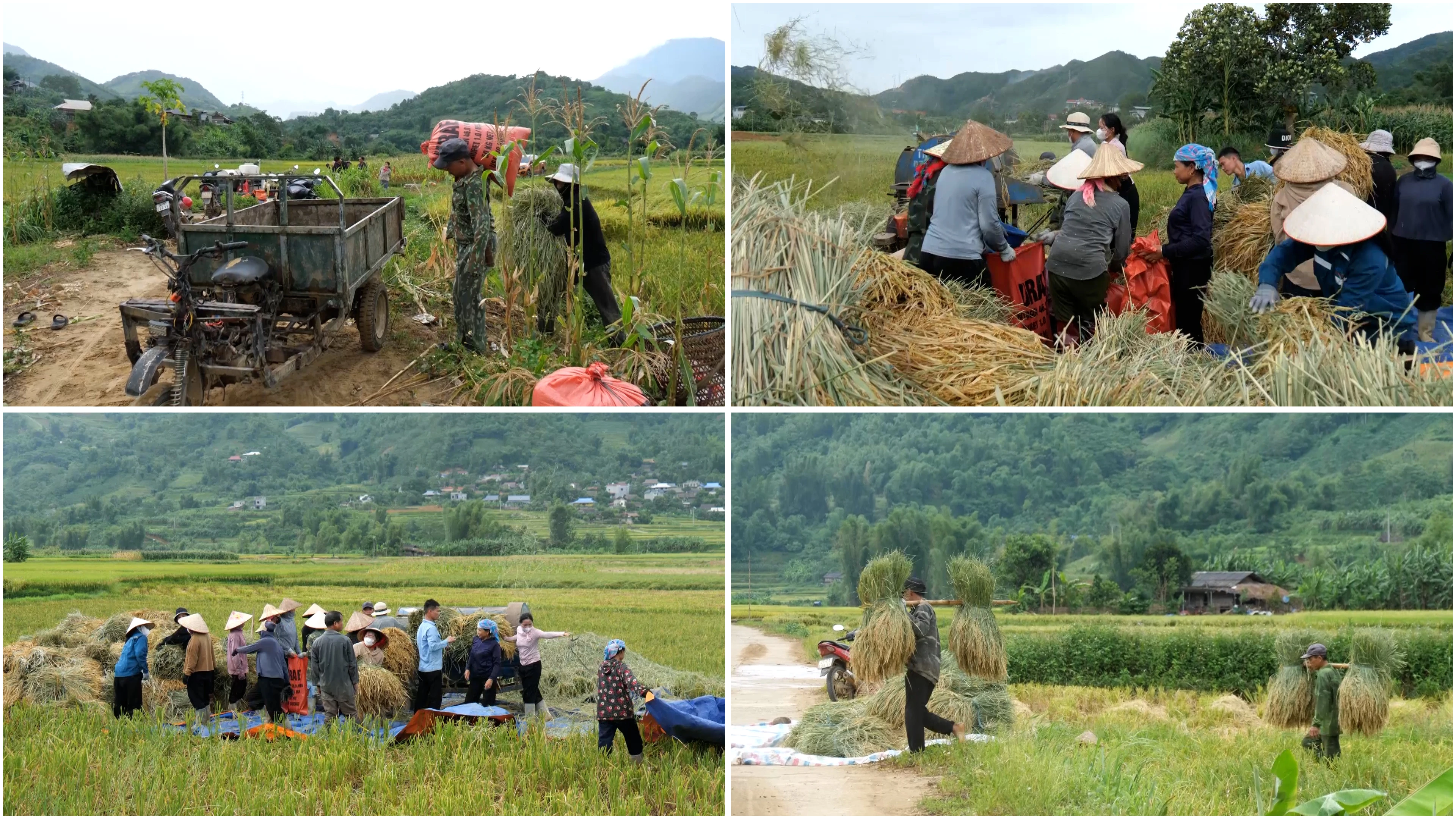
The hardships and struggles are now behind us, so that today, standing amidst the Tong Phay rice fields, it's hard to recognize any trace of the natural disaster of yesteryear. The ripening rice paddies stretch endlessly like a golden carpet covering the valley. A gentle breeze blows, causing the heavy-laden rice stalks to sway in shimmering golden waves under the sun. The harvest is bustling and full of excitement. The sound of harvesting machines blends with the joyful laughter and chatter, creating a cheerful symphony of a bountiful harvest.
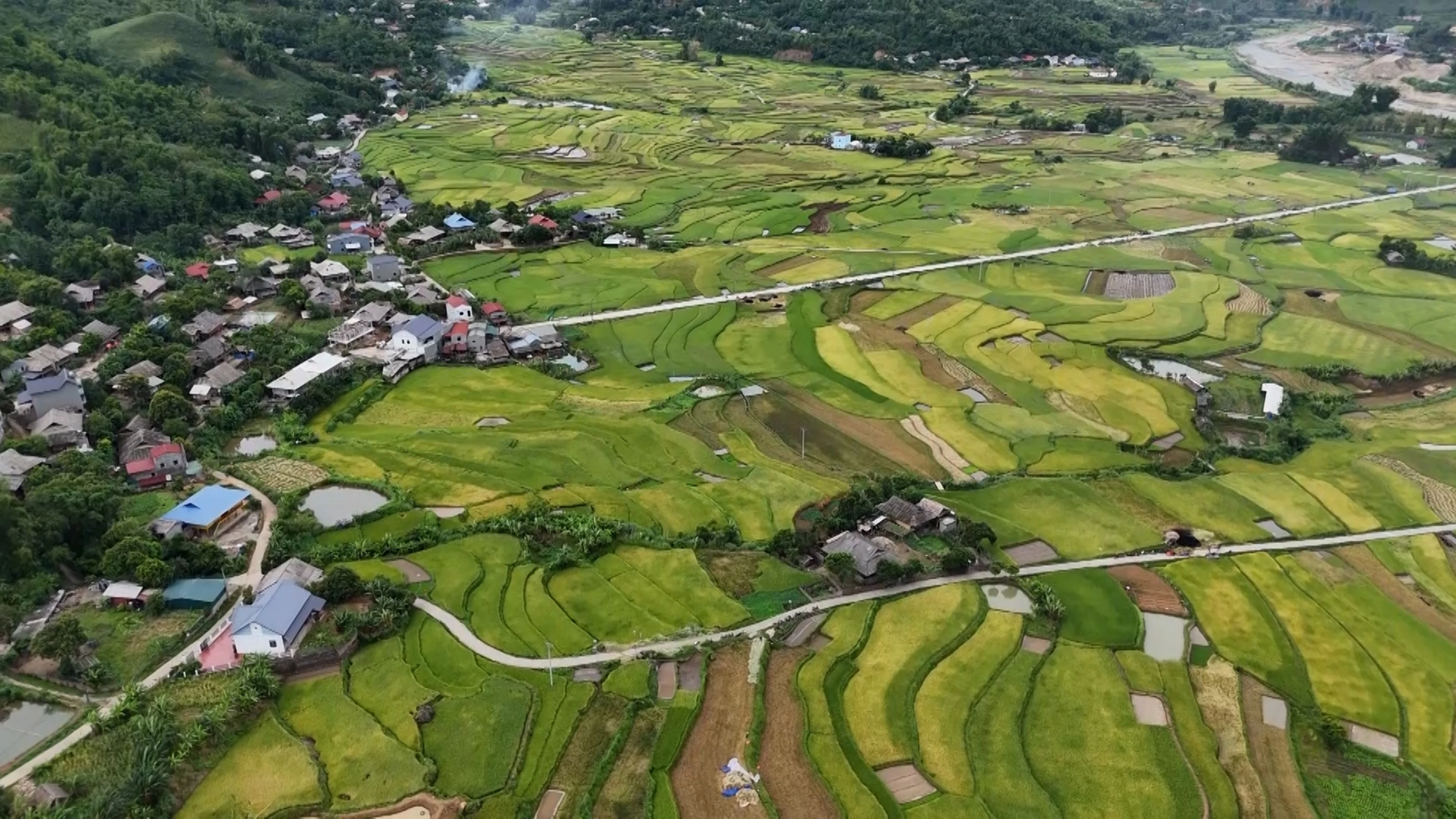
On his family's rice field, Mr. Le Van Thuy couldn't hide his joy as the first sacks of rice were loaded onto the embankment. Holding the golden rice stalks in his hands, he shared: "This year the rice is growing well. Seeing the field turn from green to golden like this makes me very happy!"
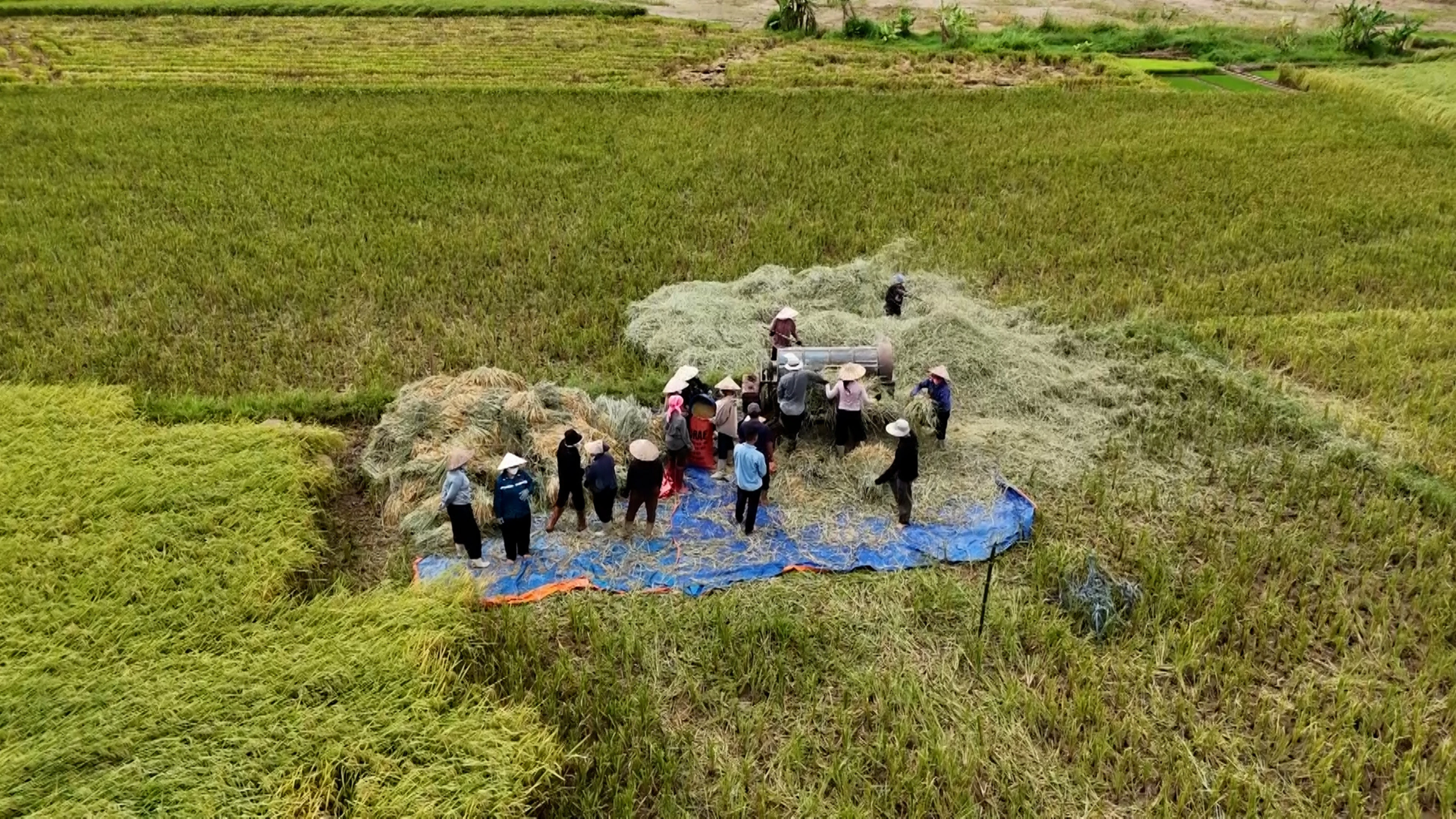
The people's eyes shone with happiness. It wasn't just the joy of a bountiful harvest, but also the joy of triumphing over adversity. From fields once completely buried under mud, now the heavy ears of rice have become a vivid testament to the indomitable spirit of the people.
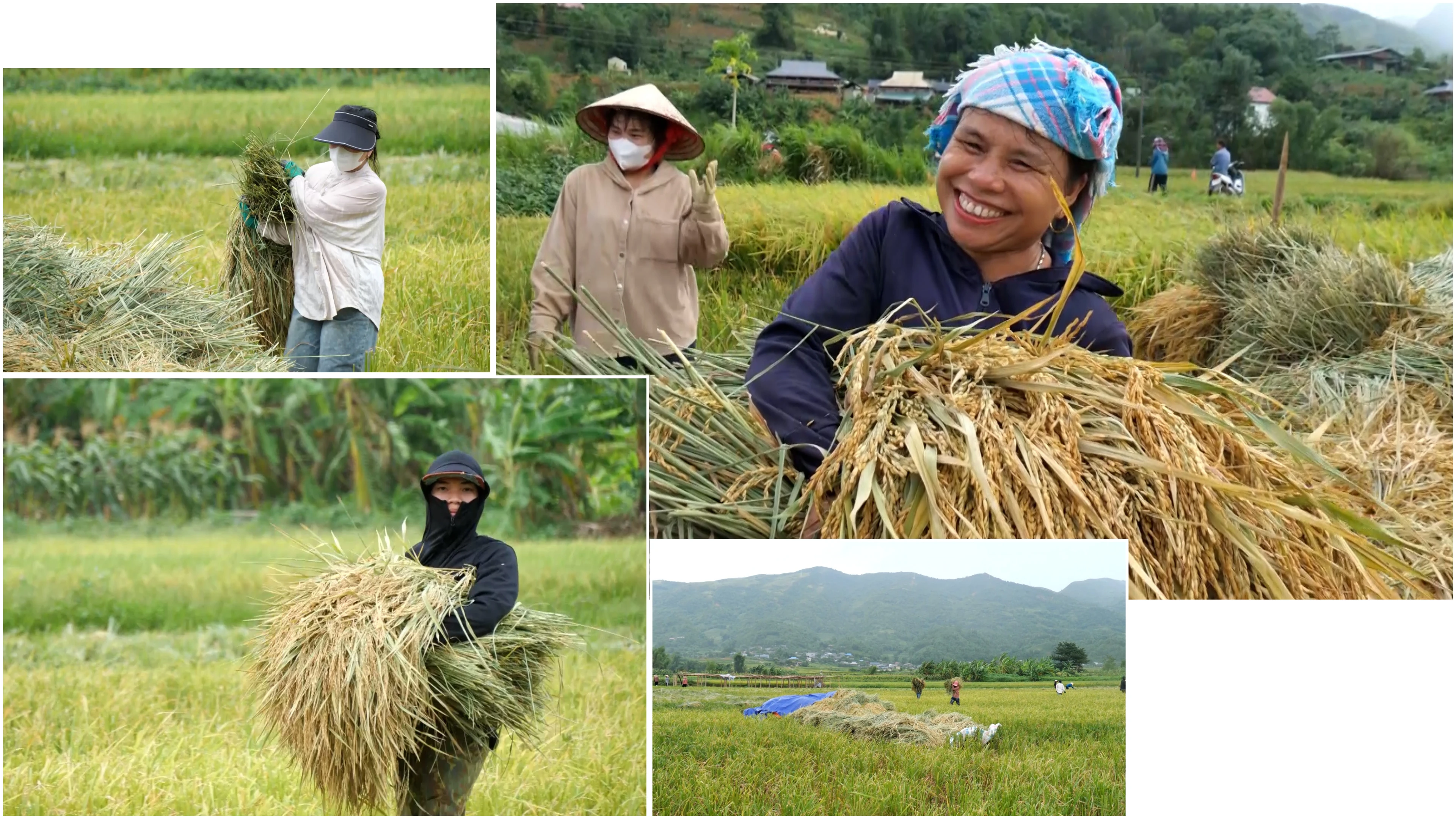
For the more than 80 households in Tong Phay, this year's harvest holds a more special meaning than any previous one. Each grain of rice harvested is imbued with the sweat, effort, and months of persistent hard work.
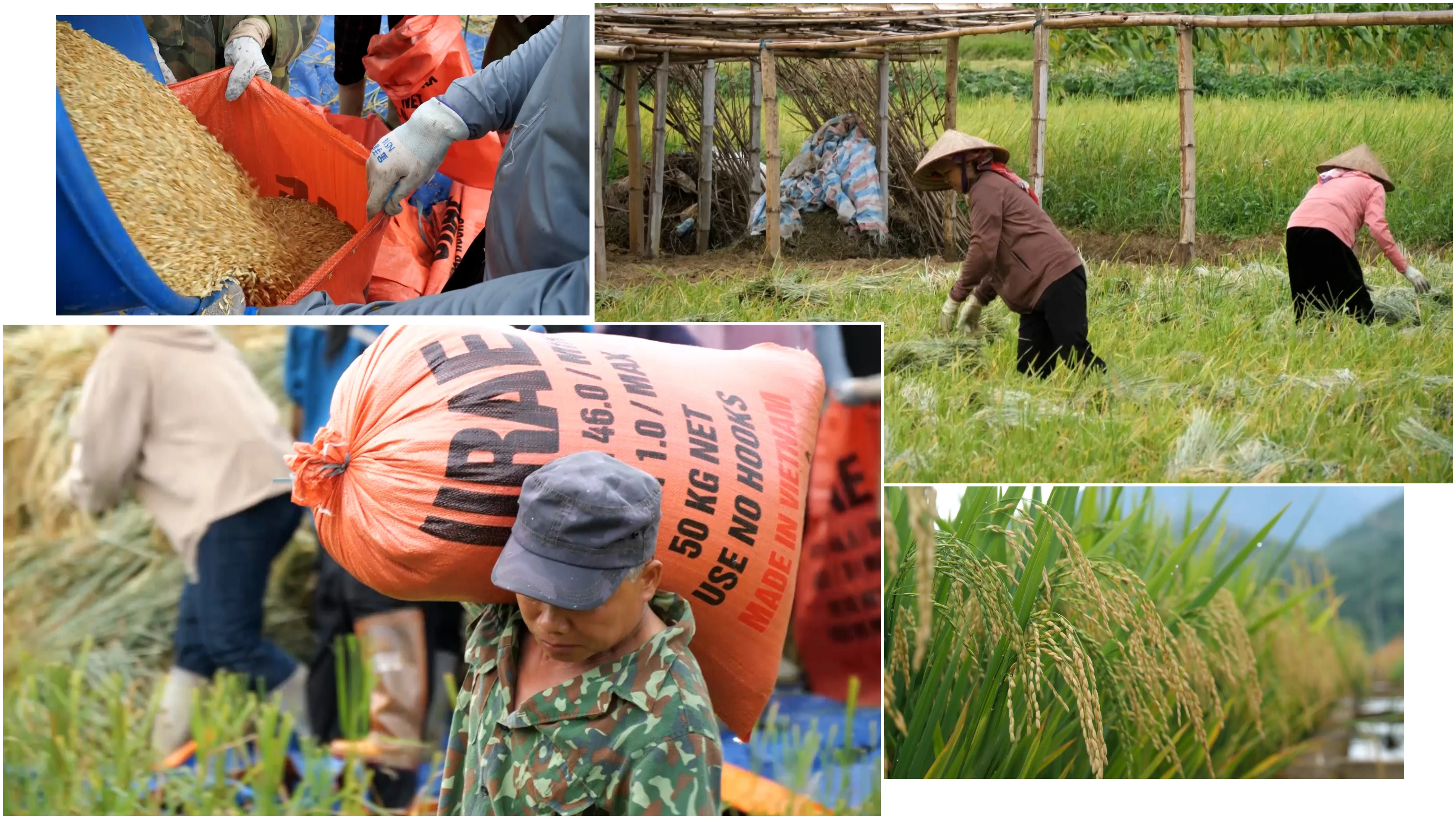

Although the fields have recovered, the issue of long-term livelihoods in the face of increasingly complex natural disasters remains a top concern for local authorities.
According to Mr. Pham Duc Huan, Chairman of the People's Committee of Duong Quy commune, the locality has determined that restoring production must be linked to the transformation of crop structure to improve adaptability.
Late in the afternoon, as the last rays of sunlight bathed the hillsides in golden light, trucks loaded with rice left the fields one after another. Throughout the stilt houses of Tong Phay village, laughter and chatter filled the air. Sacks of freshly harvested rice were brought to the drying yards, signaling the arrival of a bountiful harvest. The villagers shared that the value of hard work and sharing only truly became clear after the floods. Natural disasters may sweep away property and destroy fields, but they cannot extinguish the indomitable spirit of the people here.
Source: https://baolaocai.vn/hoi-sinh-tren-canh-dong-sau-lu-post902185.html
![[Image] Paris's oldest bridge goes viral after transforming into a giant cave.](https://vphoto.vietnam.vn/thumb/1200x675/vietnam/resource/IMAGE/2026/06/24/1782283441197_ndo_br_dsc05314-jpg.webp)
![[Photo] Prime Minister Le Minh Hung presides over the thematic session on promoting science and technology development and innovation.](https://vphoto.vietnam.vn/thumb/1200x675/vietnam/resource/IMAGE/2026/06/23/1782207872934_ndo_br_dsc-1724-jpg.webp)