

(GLO) - In the past, ethnic minority communities in the Central Highlands often had a very unique way of educating their children: relying on the community. The role of the community in educating and shaping children's personalities is so important that some researchers have stated: "It is difficult to clearly distinguish whether the function of educating children belongs to the family or society."
The people of the Central Highlands have always dreamed of having many children and grandchildren. This is understandable because Central Highlands society in the past often experienced conflicts between ethnic groups; production was low, and medical facilities were rudimentary, so the situation of "having children but not being able to raise them" still occurred. Meanwhile, the premise that "a large village is a strong village, a large family means a full granary" means that the birth of a new member is always considered a precious asset.
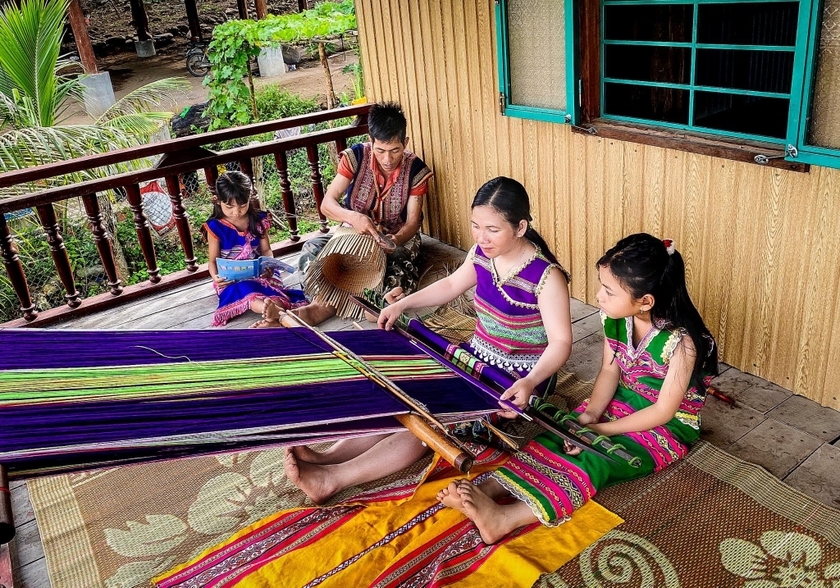 |
The family is where the fine values of the Vietnamese nation are passed down. Photo: Provided by the family. |
Besides adhering to numerous taboos and rituals before and after a child's birth, caring for and raising them is always done with utmost care and tenderness. It is very rare to see people, especially women, whipping their children or scolding them harshly. With children who are too young to understand, they only use gentle persuasion, and at most, threats. With older children, parents use gentle guidance or set a good example through their actions. The family's educational role is primarily crucial during this period, and the mother's role is often more important than the father's, especially for daughters.
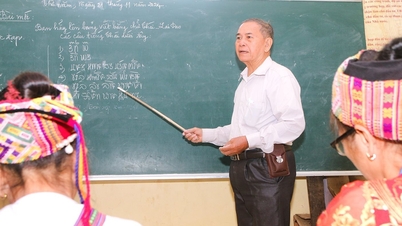
However, by the time a child reaches about 6 or 7 years old, the family's educational role has almost entirely given way to the community. Children, especially boys, would feel ashamed if they were still clinging to their mothers at this age. Girls would learn the traditional tasks of their gender from their older sisters and aunts. Boys would go to the communal house to sleep with the village boys, receiving guidance and instruction from their elders and senior villagers in all the tasks traditionally associated with men.
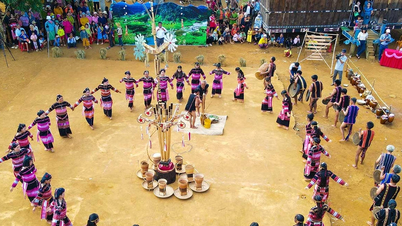
In every community, there are always enough "teachers": from important tasks like house building, hunting, playing gongs, and carving tombstones, to smaller tasks like weaving and crafting household items. Night after night, under the flickering fire of the communal house, these "teachers" readily impart their knowledge and guidance to the younger generation selflessly, never demanding any material compensation.
Not only were these community teachers taught the skills to perform daily tasks in the village, but they also played a crucial role in shaping the character of the younger generation. During community gatherings at night, anyone with bad behavior would not escape everyone's notice. Therefore, rice left in the field huts, buffaloes and cows left in the forest, beehives in the trees… each person used them as they pleased, and nothing was ever stolen.
Some argue that the reason ethnic minorities in the Central Highlands in the past did not engage in vices like theft and fraud was due to strict penalties. They fail to see that a large part of the reason is the role of community education. The result is that everyone in each community is aware of avoiding wrongdoing and living according to common standards. The legacy of previous generations is continued like an unbroken stream, not necessarily passed down from father to son.
Source link













































































Comment (0)