Once the flames of war truly subside, Iran may be in a better financial position than it was before the conflict broke out.
The 14-point memorandum between Iran and the US includes the release of frozen assets, a significant easing of sanctions, the establishment of a large-scale investment fund, and permission for Tehran to export oil.
Although many details remain to be clarified, these financial incentives could provide the necessary resources for Iran to rebuild its potentially lucrative but long-underutilized economy .
Iran, one of the largest economies in the Middle East, has received virtually no foreign direct investment for the past four decades due to being excluded from global capital markets because of sanctions.
This country possesses the world's second-largest natural gas reserves and the fourth-largest oil reserves. In addition, Iran has a highly educated workforce of over 92 million people, a diverse industrial base, and significant untapped potential in the petrochemical, mining, tourism, and agricultural sectors.
The impetus from oil exports
Most importantly, and with the most immediate impact, the memorandum helps restore Iran's key economic engine: oil exports.
Once sanctions are lifted, Iran will be free to sell its oil. The country will be able to export around 2 million barrels of oil per day, about one-third more than pre-war levels, according to Jorge Leon, Director of Geopolitical Analysis at the consulting firm Rystad.
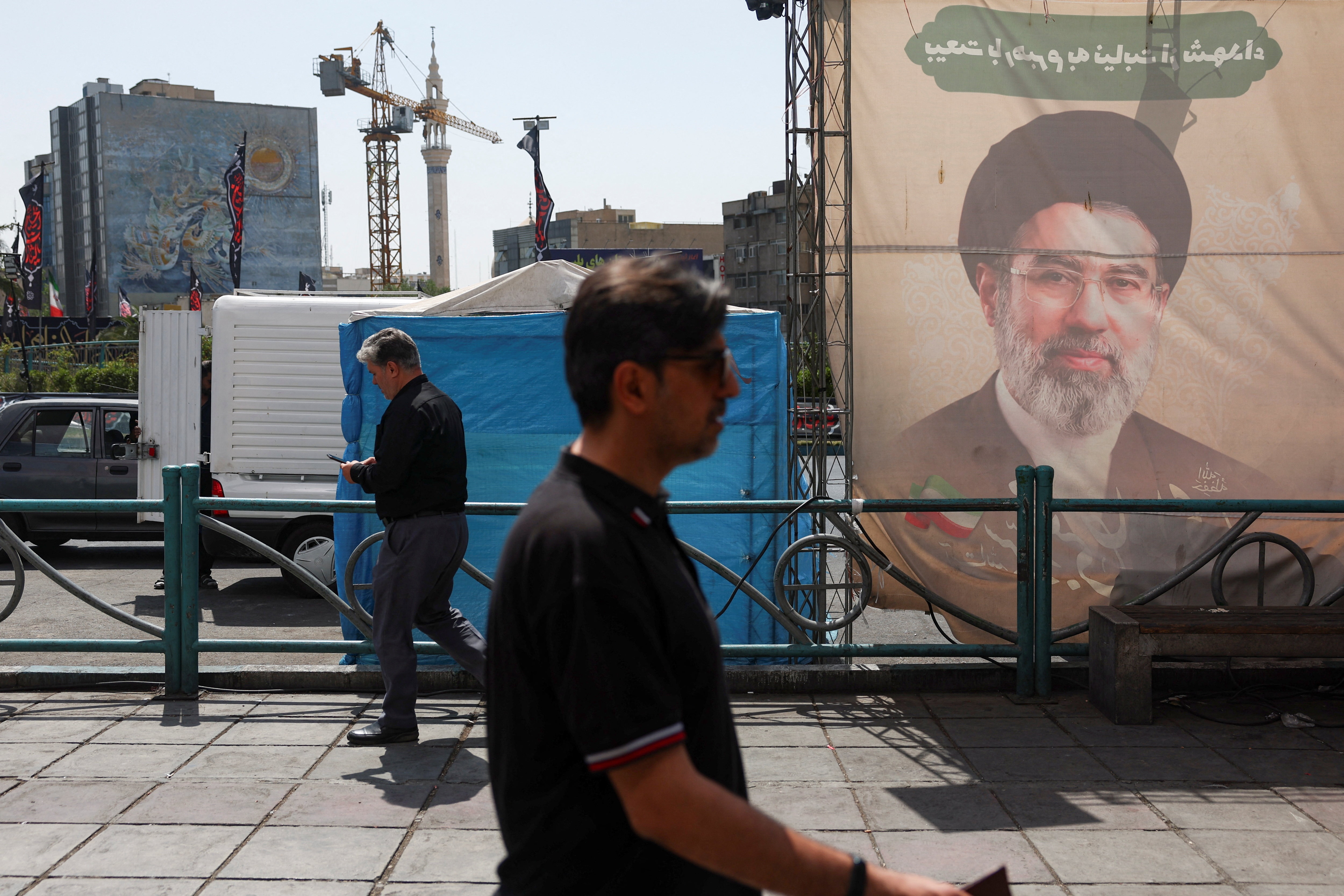 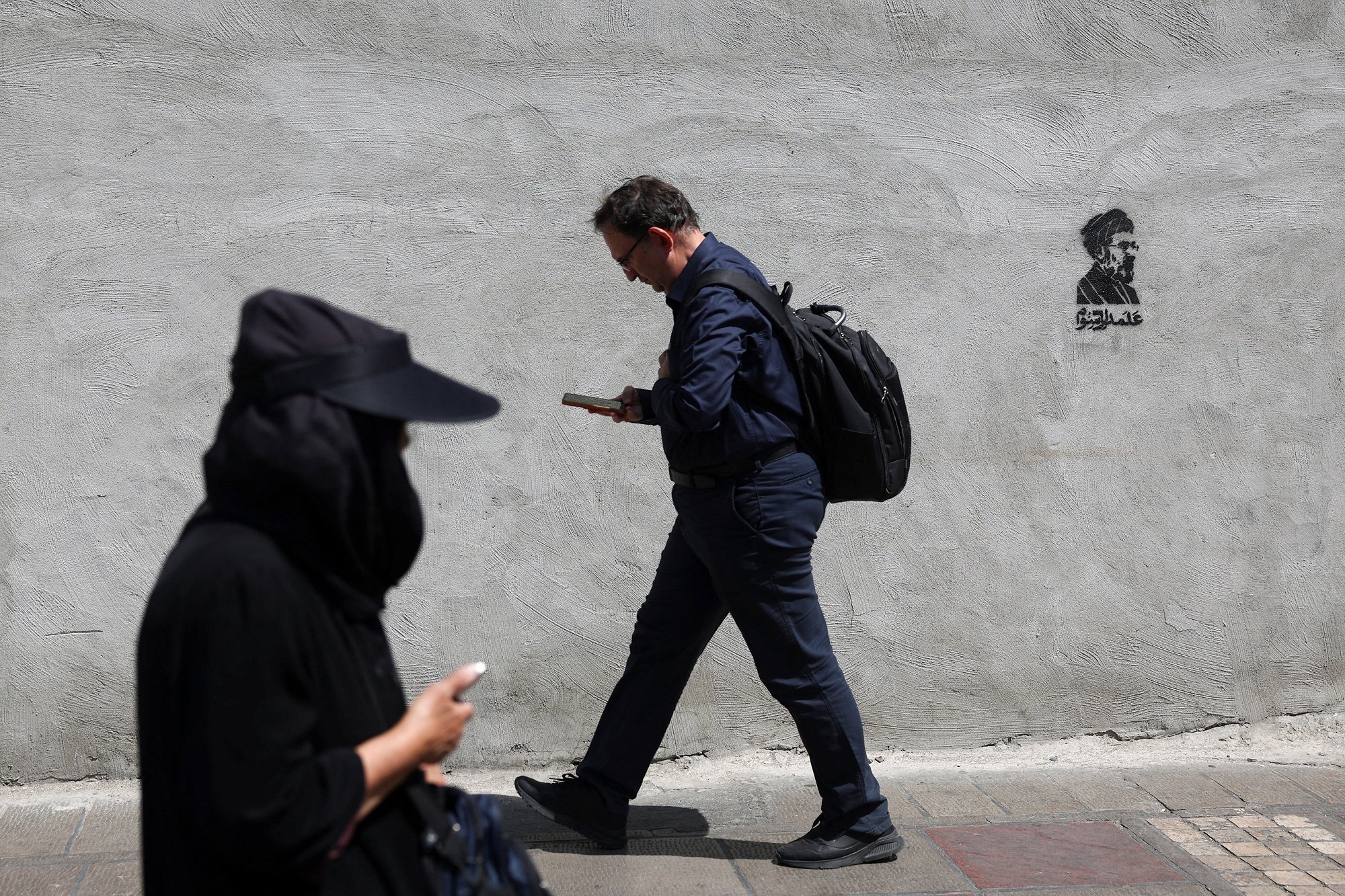 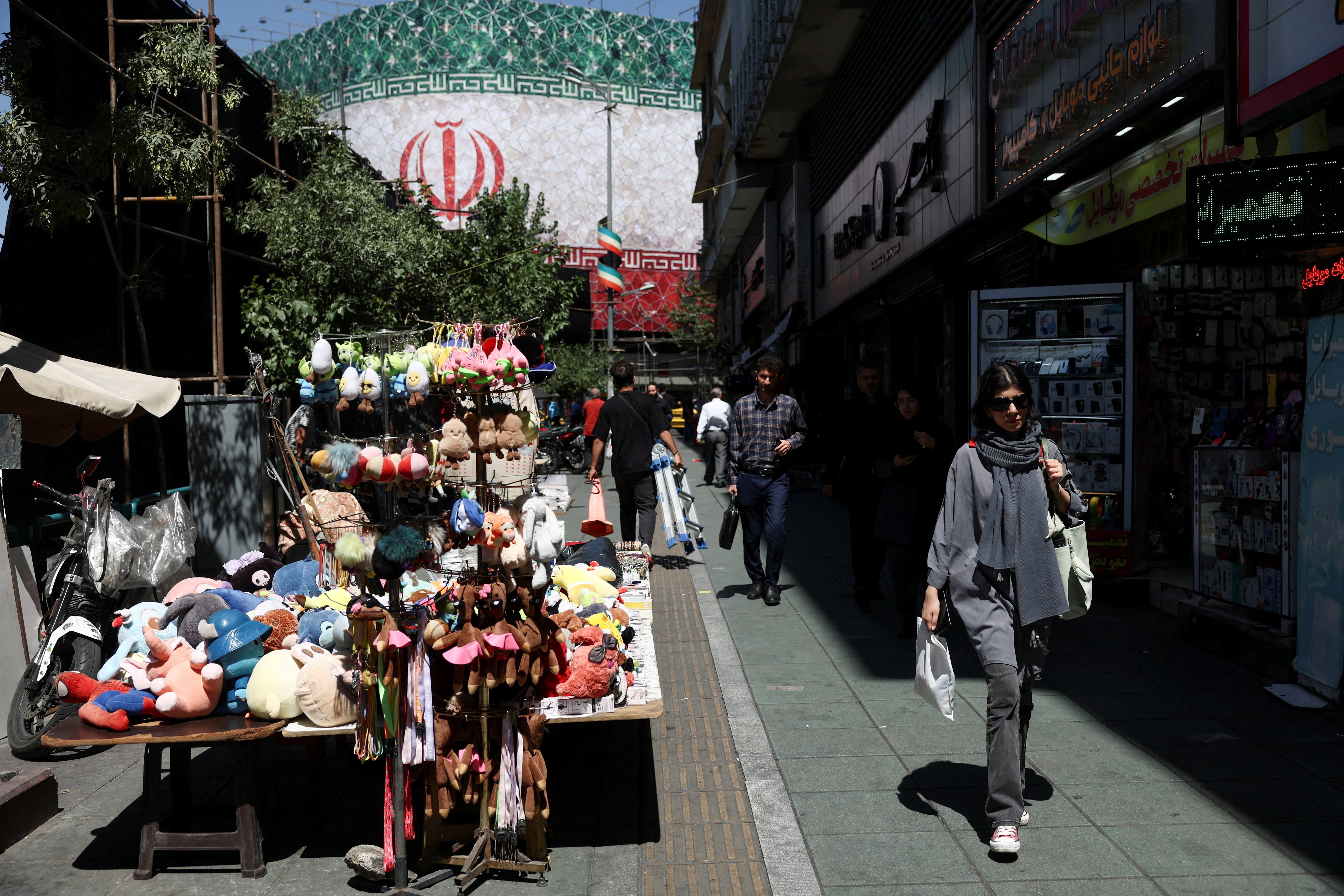 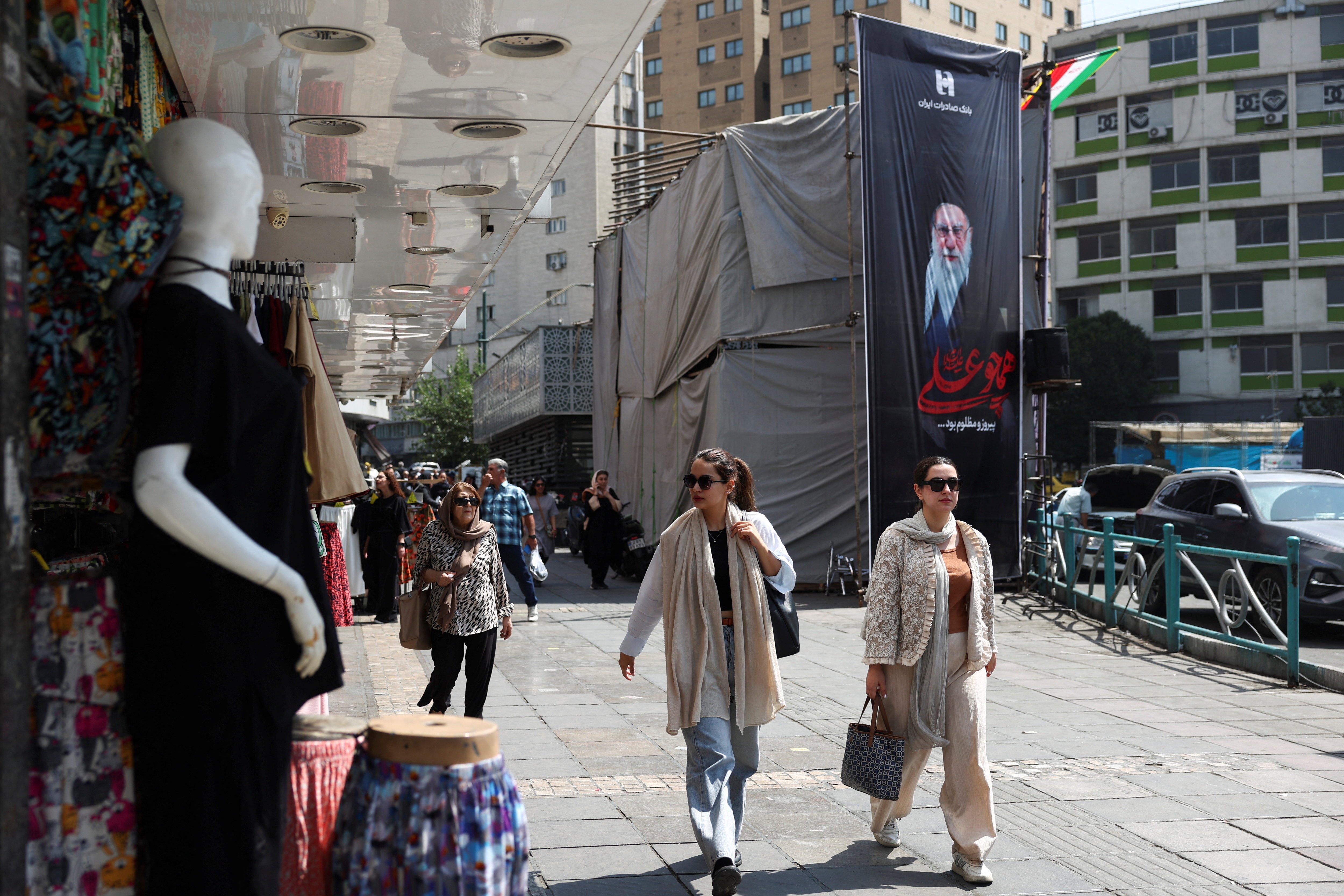 |
Life in Iran is gradually returning to its old rhythm. Photo: Reuters . |
Furthermore, because the transactions are conducted legally, Iran will no longer have to sell oil at the deep discounts it previously received. "This seems like a pretty good deal for Iran," Leon commented.
According to the U.S. Energy Information Agency (EIA), approximately 50% of the Iranian government's revenue comes from oil exports.
For many years, to circumvent US sanctions, Iran has relied heavily on "shadow fleets" to sell oil, thus limiting its customer base. The US blockade in recent months has even further halted Iran's oil exports.
Iran's oil exports have shown signs of improvement. According to maritime tracking firm TankerTrackers, Iran successfully exported 3.8 million barrels of oil through the Strait of Hormuz this week after the US agreed to end its naval blockade.
Currently, Tehran has also agreed to allow ships to pass through the Strait of Hormuz free of charge for 60 days. After this period, Iran may resume charging a fee of approximately $1 per barrel of oil transported through the strait, bringing in about $2 million from each oil tanker passing through this shipping lane.
Release frozen assets

Iran could quickly restore its cash flow if the U.S. releases more than $100 billion of its assets currently frozen in banks around the world.
Although the timing and scope of implementation have not been clarified, the memorandum states that Iran's frozen funds and assets will be made available "in full" for the use of the Central Bank of Iran.
According to Frederic Schneider, a non-resident senior research fellow at the Middle East Council, the country is estimated to have between $124 billion and $167 billion in frozen assets, equivalent to about a quarter of its pre-war economy.
Gregory Brew, an Iran and energy analyst at Eurasia Group, said the most accessible source of capital for Iran currently is the approximately $12 billion held in Qatar.
Iran has long demanded access to the vast majority of its frozen assets before accepting any deal. However, a U.S. official told CNN on June 15 that “no frozen funds will be released unless Iran fulfills its commitments.”
$300 billion investment fund
The memorandum also paved the way for the establishment of a $300 billion investment fund, a resource that is expected to play a crucial role in Iran's post-war reconstruction.
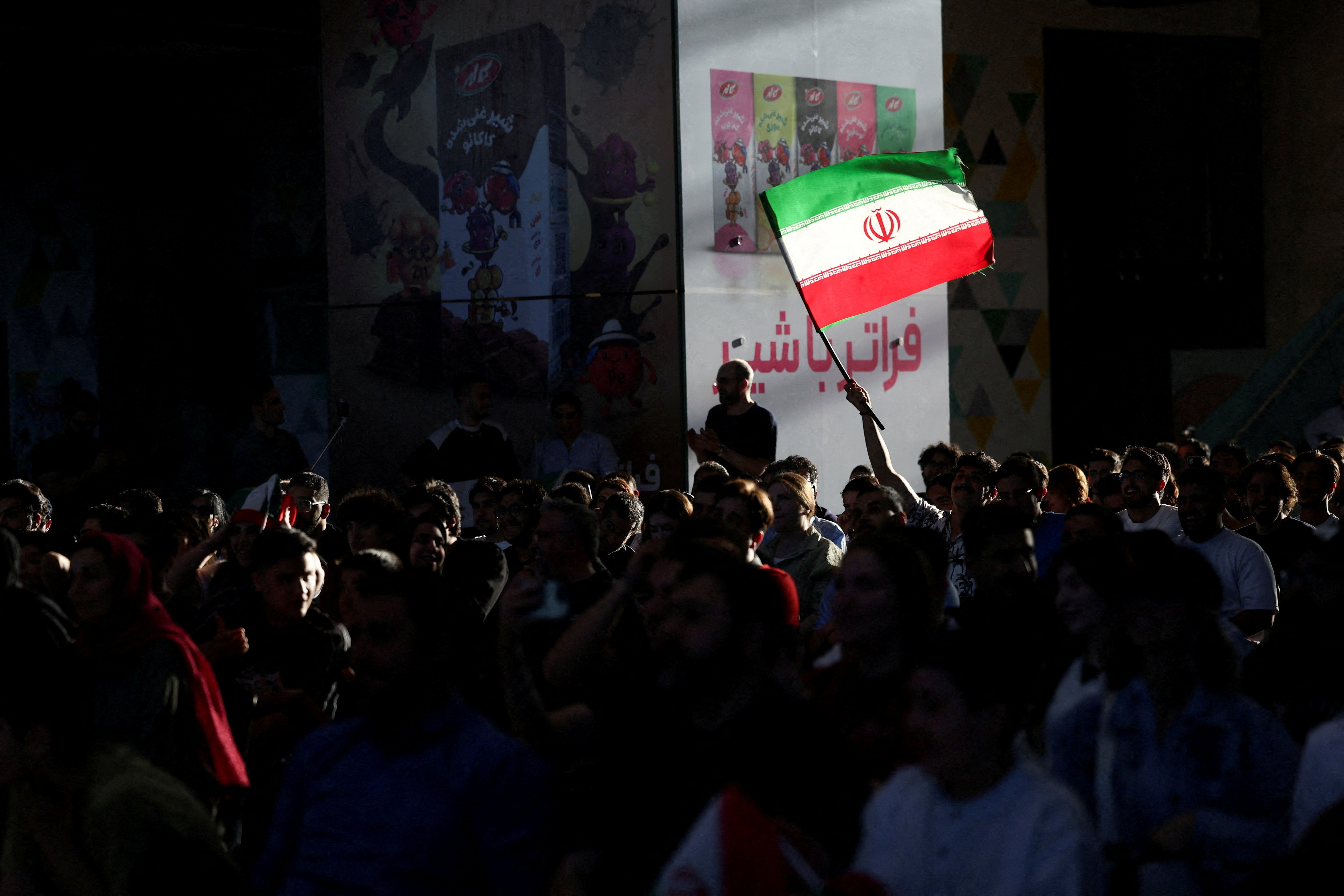    |
These days, the joy of many Iranians is watching their national team compete in the World Cup. Photo: Reuters . |
US and Israeli airstrikes have destroyed much of Iran's infrastructure, including steel mills and petrochemical facilities. Iranian officials estimate the damage at around $270 billion , although the accuracy of this figure has not yet been verified.
Speaking to reporters on the sidelines of the G7 summit on June 17, President Trump said that countries and donors would be able to participate in investing in Iran's economic reconstruction. However, he doubted that foreign investors would soon be interested in investing in the Iranian market.
"If they want to do it, that's fine. But I think it will be quite a while before they can assess how Iran is behaving," Trump said.
However, a source familiar with the memorandum's process told Reuters that more than half of the fund's value had already received commitments from companies.
Sources indicate that businesses based in the US, Gulf Arab states, Asia, South America, and Africa have pledged to participate in the funding. The committed investments span various sectors including energy, logistics, manufacturing, and transportation.
Tehran initially demanded $400 billion in compensation from the US for war-related damages, but Washington refused. Subsequently, the idea of establishing this investment fund emerged.


If all goes well, Iran could use investment funds, frozen assets, or revenue from oil exports to upgrade its dilapidated oil and gas infrastructure, thereby increasing its competitiveness in the global market.
Easing sanctions
Lifting sanctions on Iran could free up its businesses and banks to trade goods and access financial services with the rest of the world. This would make foreign financial institutions more willing to cooperate with Iran.
Lifting sanctions on foreign investors who cooperate with Iran would mark a major shift in nearly five decades of U.S. policy.
President Trump and members of his administration have stated that sanctions will only be lifted if Iran complies with its commitments, including obligations related to ending its nuclear program.
All of the aforementioned benefits remain optimistic possibilities, as they depend on whether the memorandum is sustainably implemented and whether subsequent rounds of negotiations lead to a final agreement. However, the current framework shows the potential to significantly improve Iran's financial position.
Source: https://znews.vn/iran-sap-giau-to-post1660877.html

![[Image] Ho Chi Minh City: Ma Lang area, Chicken-Rice Market about to change its appearance](https://vphoto.vietnam.vn/thumb/1200x675/vietnam/resource/IMAGE/2026/06/25/1782377698627_ndo_br_m1-jpg.webp)

![[Photo] General Secretary and President To Lam receives Palestinian Ambassador Saadi Salama](https://vphoto.vietnam.vn/thumb/1200x675/vietnam/resource/IMAGE/2026/06/25/1782365384740_a1-bnd-9423-8322-jpg.webp)
![[Image] Schools organize meetings and introduce teaching models to students admitted to grade 10.](https://vphoto.vietnam.vn/thumb/1200x675/vietnam/resource/IMAGE/2026/06/25/1782368077271_ndo_br_z7970052192242-1ec8daeb77a6eed1a4e9f58c564ddd3e-jpg.webp)