SGGP 20/10/2023 19:13
No longer used for entertainment purposes, deepfakes are increasingly being exploited by cybercriminals as a tool for fraud… and deepfake scams will increase in number and become more diverse and sophisticated.
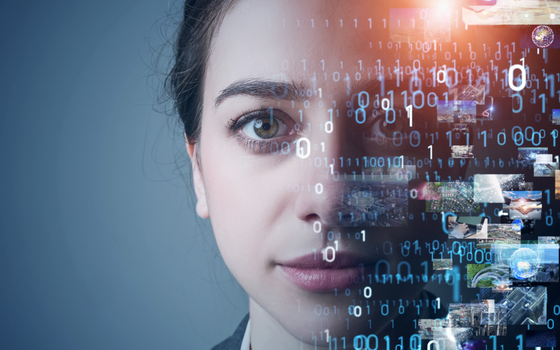 |
| Kaspersky predicts that deepfake scams will increase in number and become more diverse and sophisticated. |
After researching darknet forums, where cybercriminals frequently operate, Kaspersky concluded that many criminals are using deepfakes for fraud, to the point that demand far exceeds the supply of deepfake software currently available on the market.



Kaspersky experts predict that deepfake scams will increase in number and become more diverse and sophisticated. These range from providing a high-quality, professionally produced impersonation video to using celebrity images in fake live streams on social media and promising to double the amount victims have sent them.
Although AI is being misused by criminals for malicious purposes, individuals and businesses can still leverage AI to identify deepfakes and minimize the chances of successful scams. Kaspersky shares solutions for users to protect themselves from deepfake scams:
AI content detection tools: These AI-generated content detection software programs use advanced AI algorithms to analyze and determine the extent to which image, video, and audio files have been edited.
AI content is watermarked: Watermarks serve as identifying marks in images, videos, etc., helping authors protect the copyright of their AI works. However, this tool can become a weapon against deepfakes because it can help trace the origin of the platform that created the AI.
Content traceability: Because AI collects vast amounts of data from various sources to create new content, this method aims to trace the origin of that content.



Video validation: This is the process of verifying that the video content has not been altered from its original state. This is the process that video creators are most concerned about.
"Deepfake has become a nightmare for women and society. Cybercriminals." "Currently, they are exploiting artificial intelligence (AI) to superimpose victims' faces onto pornographic images and videos, as well as in propaganda campaigns. These methods aim to manipulate public opinion by spreading misinformation or even damaging the reputation of organizations or individuals. We urge the public to be vigilant against this threat," said Ms. Vo Duong Tu Diem, Regional Director of Kaspersky Vietnam.
Source
![[Image] Schools organize meetings and introduce teaching models to students admitted to grade 10.](https://vphoto.vietnam.vn/thumb/1200x675/vietnam/resource/IMAGE/2026/06/25/1782368077271_ndo_br_z7970052192242-1ec8daeb77a6eed1a4e9f58c564ddd3e-jpg.webp)
![[Photo] General Secretary and President To Lam receives Palestinian Ambassador Saadi Salama](https://vphoto.vietnam.vn/thumb/1200x675/vietnam/resource/IMAGE/2026/06/25/1782365384740_a1-bnd-9423-8322-jpg.webp)
![[Image] Ho Chi Minh City: Ma Lang area, Chicken-Rice Market about to change its appearance](https://vphoto.vietnam.vn/thumb/1200x675/vietnam/resource/IMAGE/2026/06/25/1782377698627_ndo_br_m1-jpg.webp)



















![[Video] Weather forecast for tonight and tomorrow, June 26, 2026: Northern Vietnam to end heatwave from tomorrow, Central Vietnam to continue experiencing a heatwave.](https://vphoto.vietnam.vn/thumb/402x226/vietnam/resource/IMAGE/2026/06/25/1782392692278_thumb-dem-png.webp)