

The Outline of Vietnamese Culture is the first programmatic and strategic document on culture of our Party. In the context of a country that had not yet achieved independence, with a length of less than 1,500 words, the Outline of Vietnamese Culture outlined the correct path to opening up an independent and progressive culture; rallied intellectuals and artists to follow the revolution; and created the strength to crush the enslaving and reactionary cultural policies.


Going back in history, in early 1943, the Soviet Red Army's victory at Stalingrad changed the course of World War II. Within Vietnam, the Party and the Viet Minh Front had taken root among the masses and were generating new impetus for the revolutionary movement.
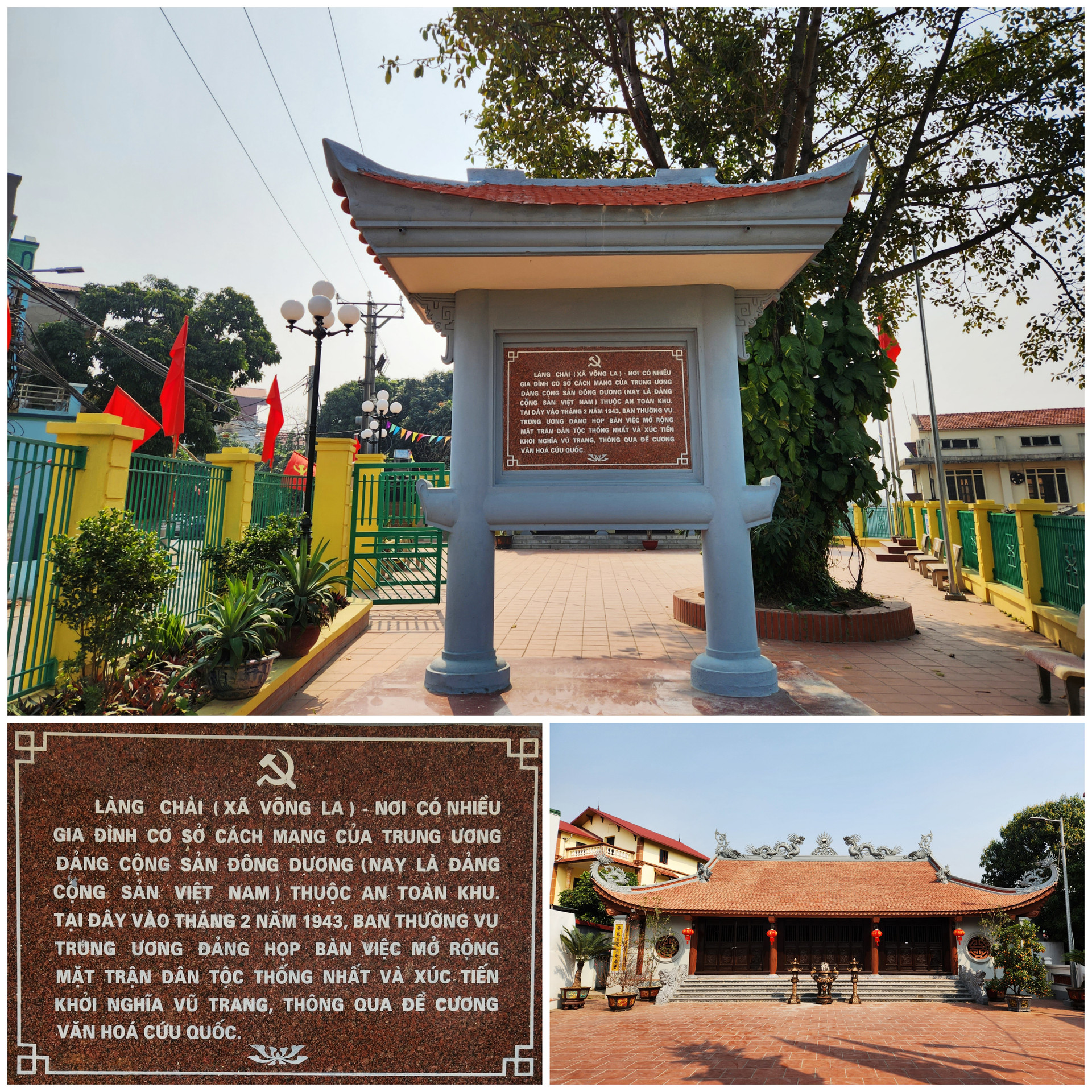
Amidst significant changes in the world and within the country, from February 25th to 28th, 1943, in the fishing village (now Vong La commune, Dong Anh district, Hanoi), the Standing Committee of the Central Committee of the Indochinese Communist Party met to discuss expanding the Viet Minh Front and preparing for armed uprising. The conference advocated for an alliance with all patriotic parties and groups inside and outside the country to strengthen national unity and liberate the Indochinese peoples from Japanese and French rule; and to support the Soviet Union. The conference adopted the Outline on the Ideological and Cultural Revolution in Vietnam (abbreviated as the Vietnamese Cultural Outline), drafted by General Secretary Truong Chinh. The conference also decided to establish National Salvation Cultural Associations in the cities.
At this time, the Japanese fascists used cultural activities as a tool to distract our people from the path of national salvation. The Japanese empire propagated Greater East Asia Co-Prosperity Sphere, proclaiming that both Vietnamese and Japanese people were "yellow-skinned," and that the Japanese army's arrival in Indochina was to liberate colonial peoples from "white" colonialism. Many intellectuals and artists, lacking discernment, actively cooperated with and supported the insidious reactionary policies of the Japanese fascists.
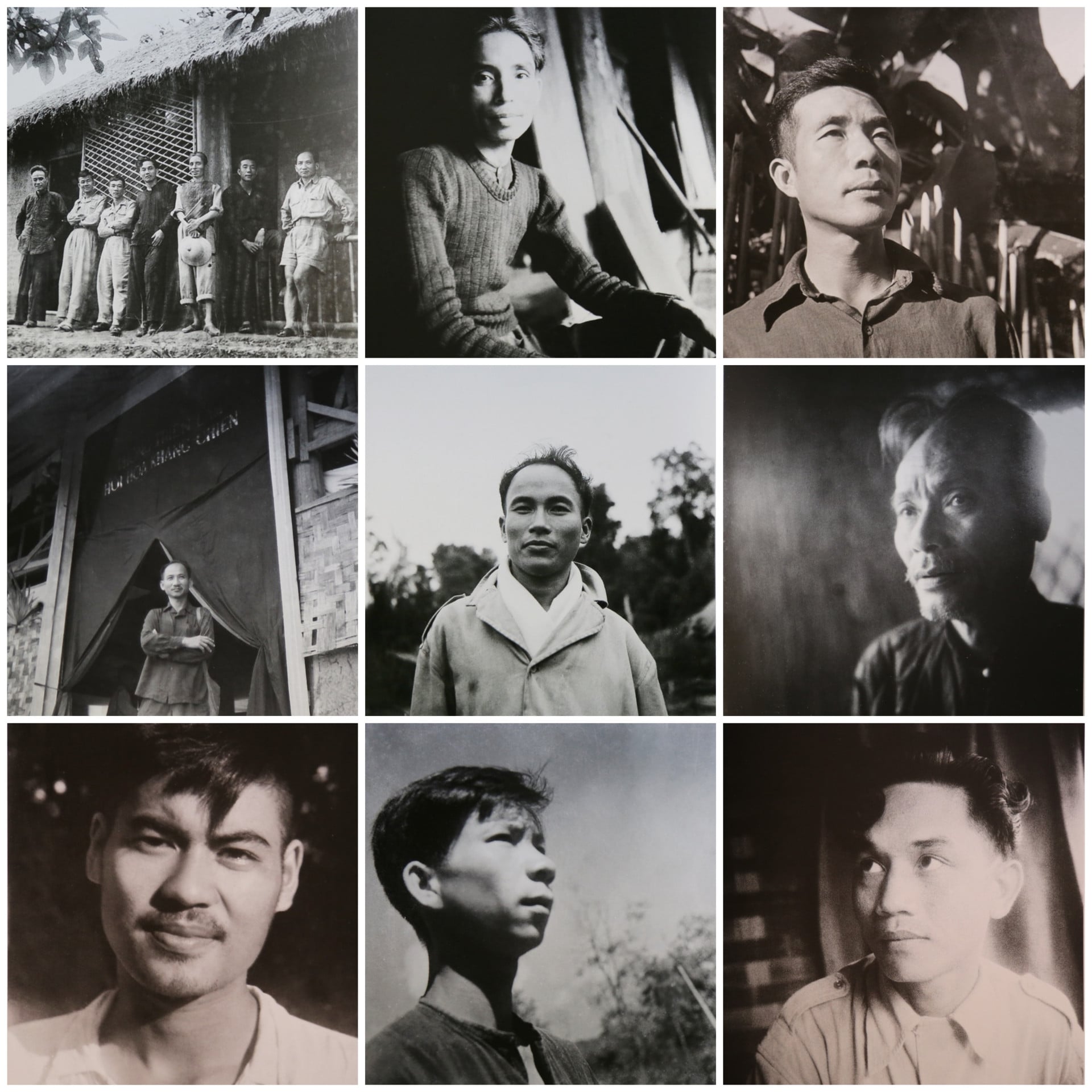
At the time the Outline was created, the intellectual and artistic community numbered less than 500,000 people, a small percentage of the total population of over 22 million. In an era of cultural exchange and adaptation, influenced by both European and Asian influences, they possessed a deep understanding of Eastern and Western cultures, both ancient and modern, and were later considered the "golden generation." This group held a crucial position, representing the elite of society, capable of organizing, leading, attracting, and guiding the masses. However, their awareness, political understanding, and organizational skills were still limited.
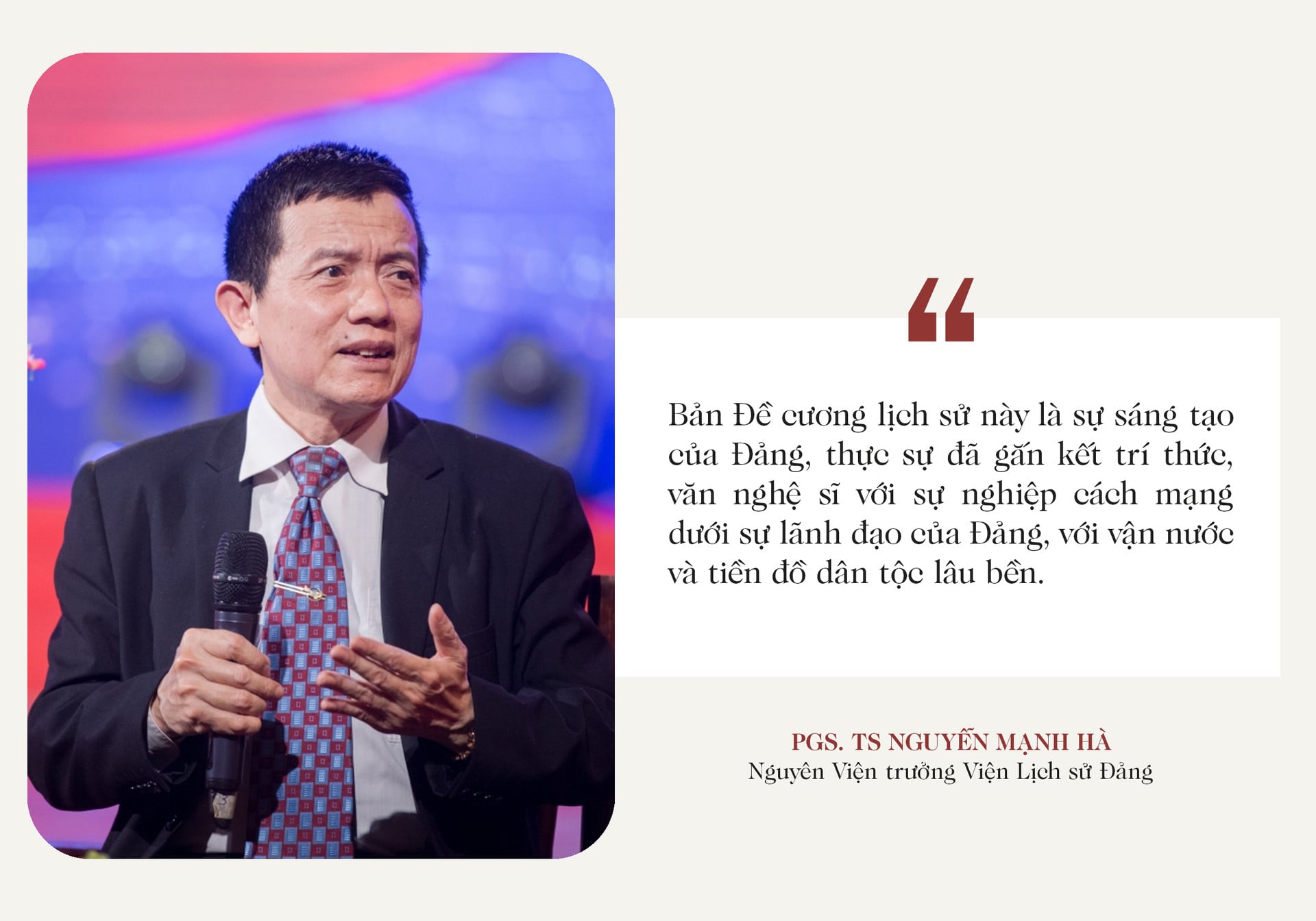
Recognizing that the majority of Vietnamese intellectuals and artists possessed a fervent patriotic spirit, a deep hatred of foreign invaders and reactionary feudalism, and a desire to use their talents to serve the nation and its people, the Outline of Vietnamese Culture outlined the correct path: To liberate creative capacity and pave the way for cultural progress, it was first necessary to regain national independence. The Party clearly stated the task of intellectuals and artists to participate in the national democratic revolution, especially the cultural revolution (a constituent part of the national democratic revolution along with the political and economic revolutions), and to build a new culture. The Party mobilized intellectuals and artists to unite with the entire people under the Party's leadership; linking intellectuals with workers and peasants. The Outline contributed to isolating the enemy, gaining more allies for the revolution, expanding the national united front against Japan and France, and mobilizing more patriotic and progressive forces to save the country.

The Outline of Vietnamese Culture was highly relevant and practical, demonstrating the power of culture to win hearts and minds and mobilize the masses, especially in a situation where the Party anticipated the imminent emergence of an uprising to seize power. Within just two years, the Outline made a significant contribution to uniting nationalistic cultural forces, with the National Salvation Cultural Association as its core, and guiding them in the struggle to join the entire nation in achieving the success of the August Revolution of 1945, ushering in a new era in the history of our country.
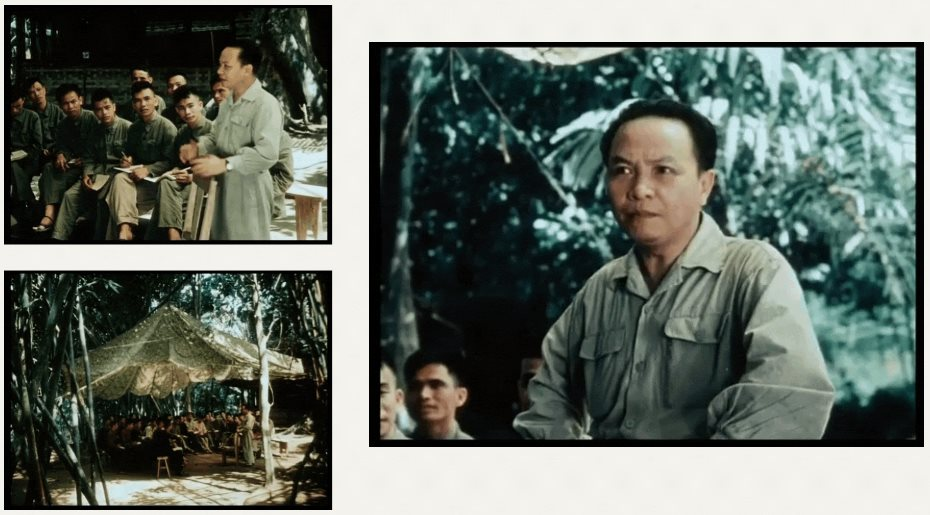
The National Salvation Cultural Association was founded in April 1943, operating alongside other organizations of the Viet Minh Front. Initially, it comprised artists and writers who were Party members or enlightened by communist ideals, such as Hoc Phi, Nguyen Huy Tuong, Nam Cao, Nguyen Hong, To Hoai, Nguyen Dinh Thi, and Nhu Phong… actively working under the Party's direction through cadres like Le Quang Dao and Tran Do. Gradually, many famous intellectuals and artists, initially opposed to the Party's cultural line, also joined the Association.
When reputable intellectuals and artists joined the revolution, the masses trusted and supported the Viet Minh, creating a combined strength of the entire nation. Therefore, with only over 5,000 core party members, our Party successfully led the entire nation in carrying out the General Uprising.
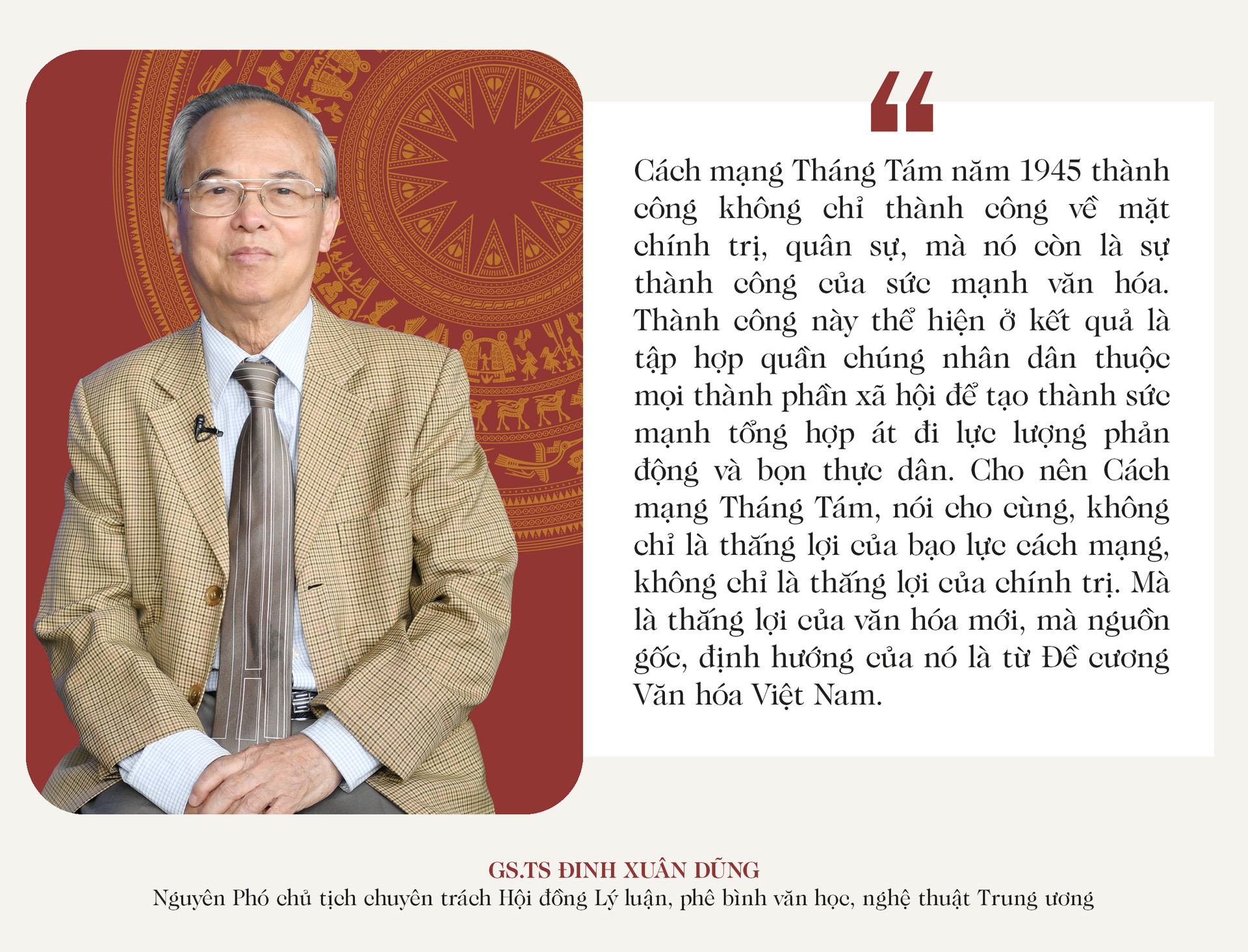
The harmful effects of colonial culture and education, with its enslaving nature, had taken deep root. The Outline of Vietnamese Culture proposed solutions, and also urgent tasks for Vietnamese Marxist cultural figures, to engage in struggle in three areas: ideology, scholarship, and arts; following three principles of movement: "nationalization, scientification, and popularization." With the motto "when culture penetrates the masses, it acts as a material force," the Association propagated and guided cultural and artistic creation with the motto: "Combating fascist-feudal, regressive, enslaving, ignorant, and deceptive culture; promoting new democratic culture." This was extremely important because the prevailing cultural and artistic doctrines and schools at that time focused on personal life and psychology without paying attention to social issues, especially class struggle; they were overly inclined towards exploring forms in the direction of art for art's sake. They were also used by the Japanese fascists and French colonialists as a "pipe dream" to deceive intellectuals and artists into believing that independence could be achieved through reformist, non-violent revolution.
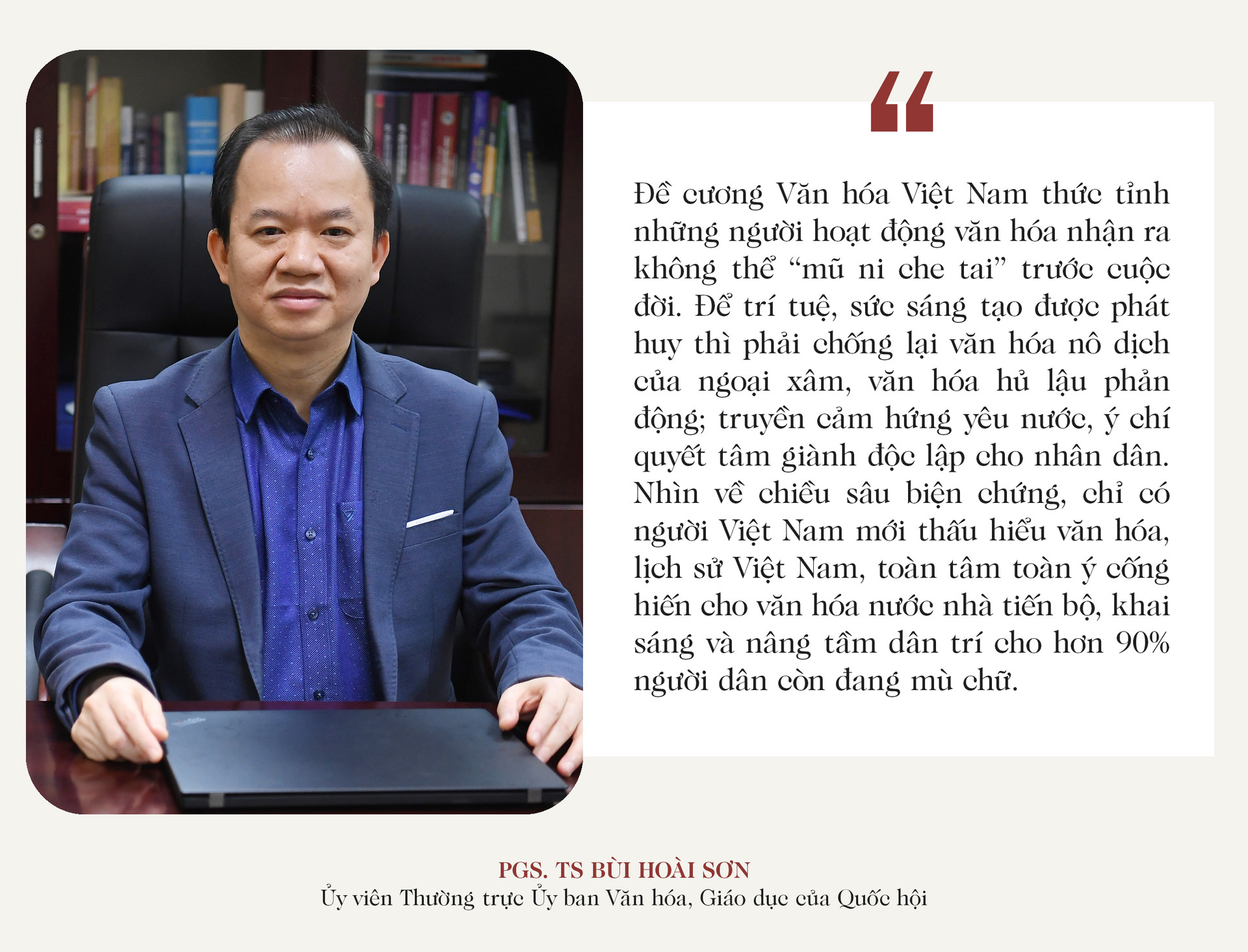
Thanks to its clear policies and guidelines, the National Salvation Cultural Association actively organized many rich and creative activities such as lectures, publishing books and newspapers, and its members engaged in political, social, and cultural activities, which had a significant influence on society and facilitated the nationwide general uprising. After the establishment of the Democratic Republic of Vietnam, facing both internal and external enemies, the National Salvation Cultural Association continued to develop its position, calling for international support for the revolutionary cause of the Vietnamese people. It organized cultural weeks in Hanoi, held propaganda events for the first National Assembly elections, participated in the "New Life" movement, and promoted the popular literacy campaign. By the time the nationwide resistance war broke out (December 19, 1946), the Association's members, along with government agencies, moved to Viet Bac to participate in the nation's protracted resistance war as cultural fighters.

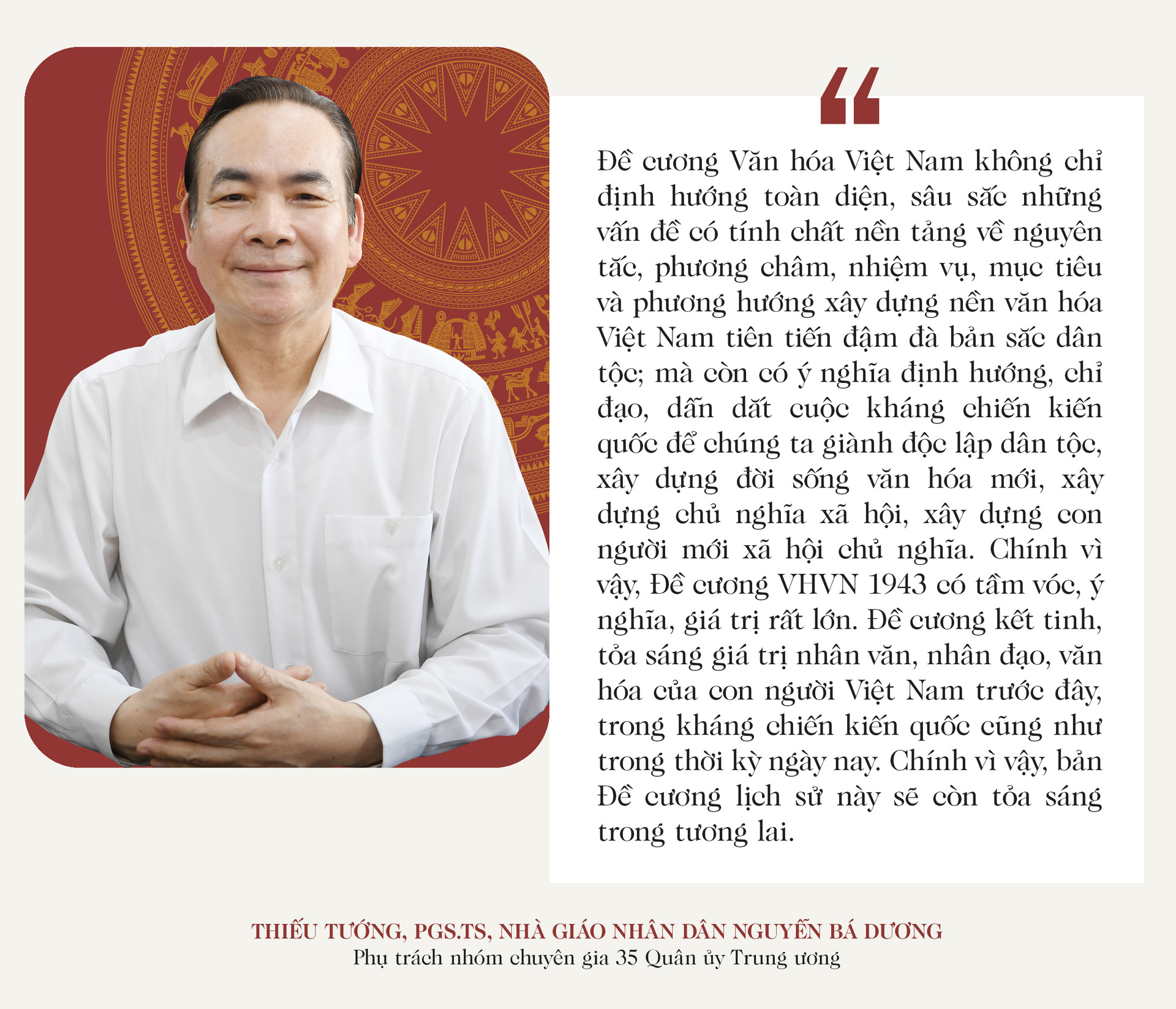
With the correct and practical guidelines of the Vietnamese Cultural Outline, the intellectual and artistic community truly transformed themselves to "find their way" (to use the words of writer Nguyen Dinh Thi), becoming the vanguard of the revolution in society. Culture, therefore, truly played its role in reforming society in the early days of the democratic republic. This is what the poet Song Hong (the pen name of General Secretary Truong Chinh) predicted in his poem "Being a Poet," written in June 1942: "Using the pen as a lever to change the regime / Each verse: bombs and bullets to destroy tyranny."

Resolution 33-NQ/TW on building and developing Vietnamese culture and people to meet the requirements of sustainable national development (2014) emphasizes: “Culture is the spiritual foundation of society, the goal and driving force of sustainable national development. Culture must be placed on par with economics, politics, and society.” Many people, due to insufficient research, mistakenly believe this is the first time the Party has highlighted the importance of culture. In reality, Resolution 33 only reaffirms points similar to those in the Outline of Vietnamese Culture: “The cultural front is one of the three fronts (economic, political, and cultural) where communists must operate”; “It is not enough to just make a political revolution; we must also make a cultural revolution”; “Only by leading the cultural movement can the Party influence public opinion, and the Party's propaganda be effective.”

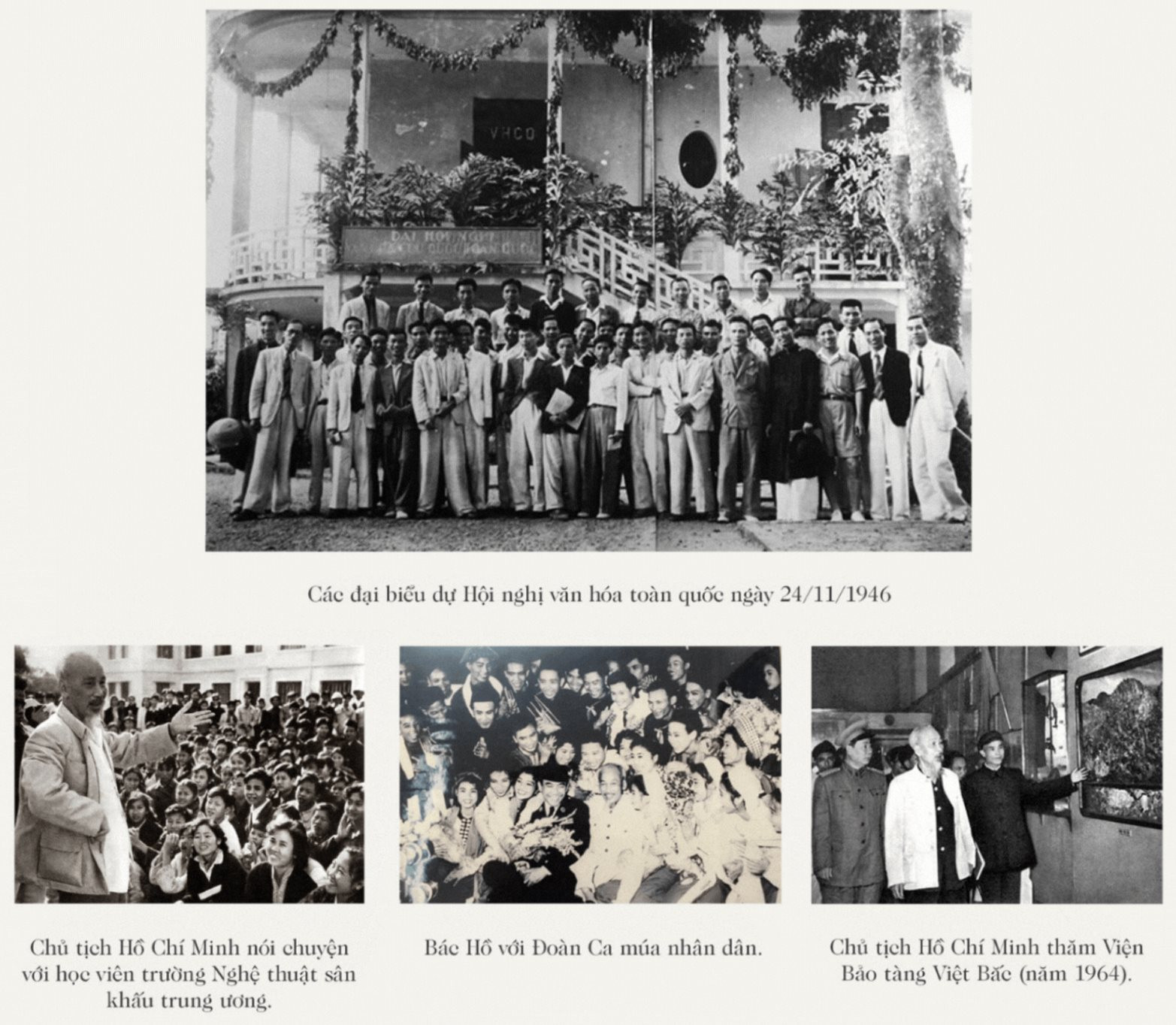
In his opening address at the National Cultural Conference on November 24, 1946, at the Hanoi Grand Theatre, President Ho Chi Minh emphasized: "Culture must illuminate the path for the nation to follow." Later, he stated: "Culture and art are also a battlefront. You are soldiers on that battlefront." General Secretary Truong Chinh, an outstanding disciple of President Ho Chi Minh and a great cultural figure of the nation, in his works published during the anti-French resistance period such as "The Resistance Will Certainly Be Victorious" and "Marxism and Vietnamese Culture," further clarified the Party's cultural line, which was only briefly outlined in the Outline of Vietnamese Culture: "The purpose of those of us working in culture is to defeat the enemy, defend the country, make the people strong, progressive, confident, and happy; to fight against the enslaving and ignorant culture of the French colonialists, to overcome feudal and backward ideas in the national culture, to build a new democratic Vietnamese culture and to contribute Vietnamese culture to the world's cultural treasury."
Despite over 30 years of fierce war and a bureaucratic, centrally planned economy, our country's culture still achieved many great and proud accomplishments: Effective literacy eradication on a large scale; the birth of a revolutionary culture serving the Fatherland and the people; honoring the values of the Vietnamese nation, people, and culture… Above all, culture became an ideological weapon, encouraging the spirit of our army and people during perilous times when confronting powerful foreign invaders. Therefore, when assessing the influence of culture on the revolutionary cause, the opinion that culture possesses immense power, like an army on a battlefield without gunfire, is absolutely accurate.
Clearly, the Outline of Vietnamese Culture not only has contemporary relevance, having been created on the eve of the August Revolution of 1945 to mobilize culture in contributing to the seizure of power; but also has lasting value, helping us build a truly independent, democratic, and progressive socialist culture, making a significant contribution to the cause of building and defending the Fatherland.
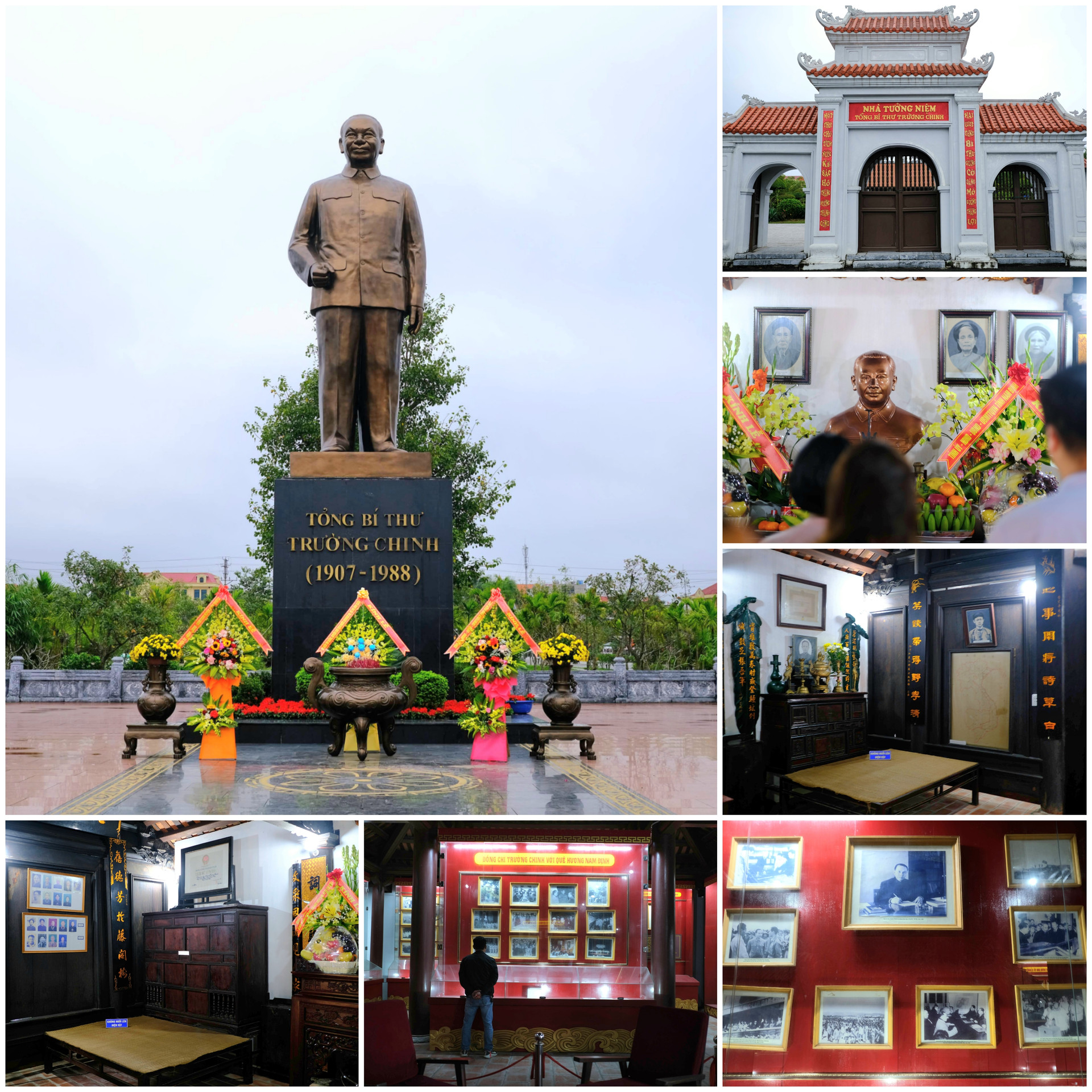
Photo: Archival material, VNA, Nam Nguyen, Vu Toan
Lesson 2: The ruling party's culture guides the national culture.
Source
![[Photo] Conference announcing the Politburo's Decision on organizational and personnel matters](https://vphoto.vietnam.vn/thumb/1200x675/vietnam/resource/IMAGE/2026/04/01/1775017881825_bnd-2410-1472-jpg.webp)
![[Photo] Conference on the transfer and reception of Party organizations and Party members between the Party Committee of the Government and the Party Committees of the Central Party Agencies](https://vphoto.vietnam.vn/thumb/1200x675/vietnam/resource/IMAGE/2026/04/01/1775036784472_ndo_br_bnd-2620-jpg.webp)





























![[Photo] Prime Minister Pham Minh Chinh receives the Ambassador of the Russian Federation to Vietnam](https://vphoto.vietnam.vn/thumb/402x226/vietnam/resource/IMAGE/2026/04/01/1775046774818_anh-man-hinh-2026-04-01-luc-19-32-33.png)
















Comment (0)