

The importance of establishing a regular health check-up routine.
According to a 2023 report by the World Health Organization (WHO), noncommunicable diseases (NCDs) affect 41 million people annually. Diagnosis and care for these conditions can vary greatly depending on the country and region, especially in countries that struggle to provide high-quality healthcare due to infrastructure shortages, outdated equipment, and a lack of healthcare personnel, such as India and Mongolia. This leads to many dangerous diseases going undetected, causing serious consequences for people's health and quality of life.
Meanwhile, with an average life expectancy of 84.3 years, ranking first in the world according to the WHO's "World Health Statistics 2023," Japan has demonstrated the importance of healthy eating habits and the effectiveness of a developed healthcare system that emphasizes regular health check-ups to detect diseases in their early stages, allowing for timely treatment, thus helping people live longer and minimize treatment costs.
However, this practice is not yet widespread in many countries in the Asian region; therefore, raising public awareness about the importance and effectiveness of regular health check-ups with modern medical equipment is a key factor in improving the quality of life.
NURA - AI technology solutions for sustainable healthcare.
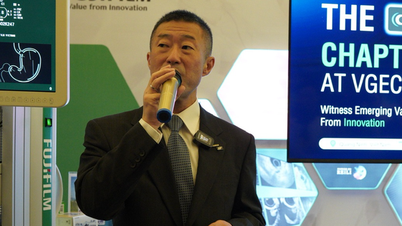
In collaboration with leading healthcare centers in India, in 2021, Fujifilm launched NURA – a high-tech, AI-integrated screening center in Bengaluru, leveraging Fujifilm's high-quality image processing technologies, as a comprehensive solution for sustainable healthcare.

NURA - Fujifilm's high-tech AI-integrated health screening center.
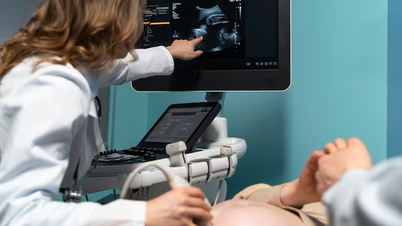
NURA utilizes artificial intelligence technologies from Fujifilm, integrating 50 different AI systems to reduce X-ray radiation levels by up to 97%, minimizing invasive procedures and ensuring safety while maintaining image quality and diagnostic accuracy. Fujifilm's solutions and equipment systems at NURA process scans and compare images with similar scans in Fujifilm's vast database of X-ray images stored over many years. This, combined with image sharpening capabilities and the ability to identify tiny lesions as small as 1mm that may be invisible to the naked eye, helps doctors interpret scans more accurately, leading to more timely and effective monitoring and health advice for lifestyle-related diseases and common cancers.
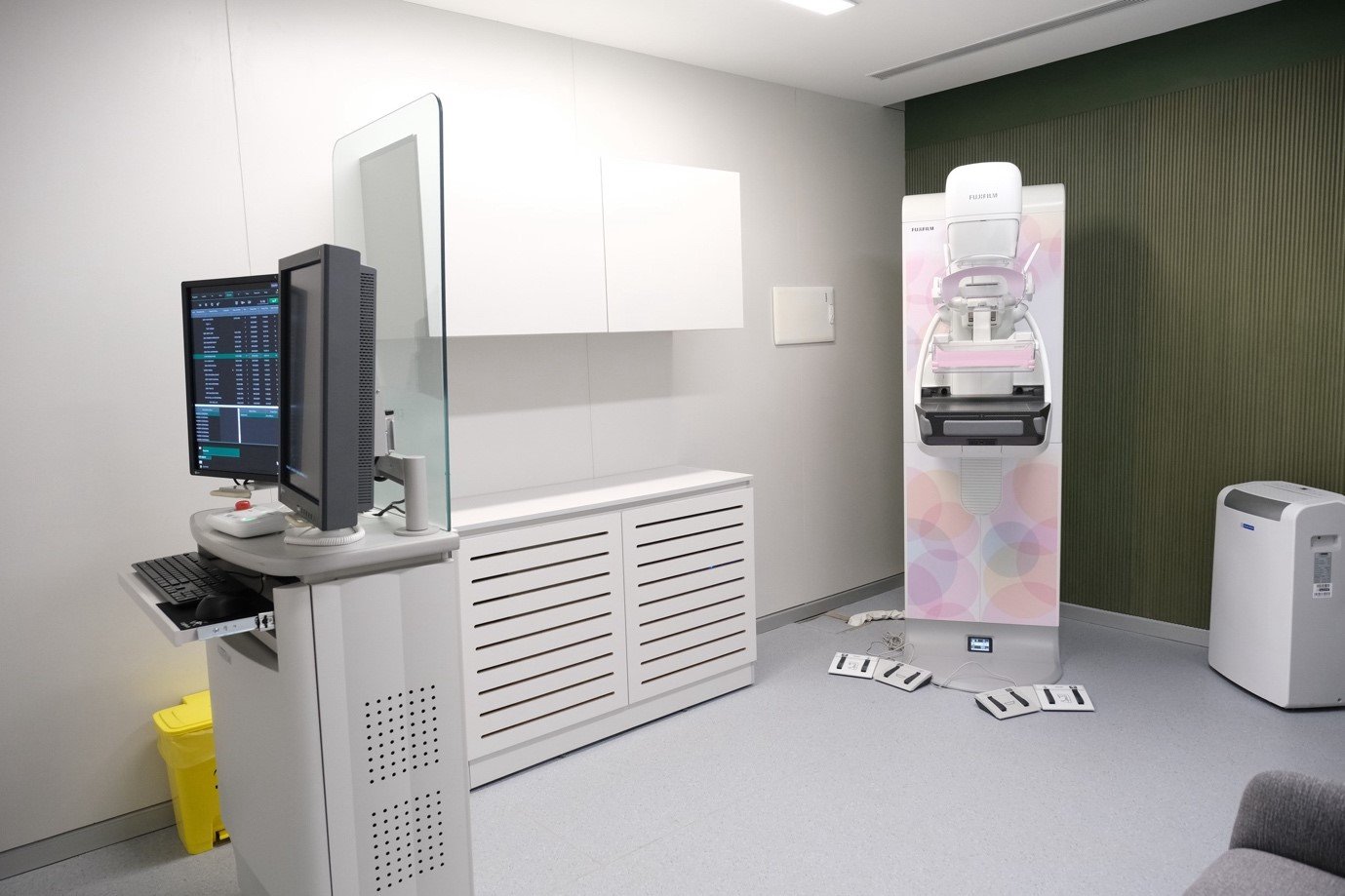
Fujifilm's solutions and equipment systems at NURA support doctors in more efficient diagnostic imaging.
Five NURA centers deployed in India and Mongolia have been operating effectively, not only providing accurate early disease detection—a crucial tool for doctors to offer timely treatment and health advice—but also striving to convey the message about the importance of regular health check-ups as a solution to protect and improve health and address social issues. The success of the NURA center system marks a significant step forward in addressing global health issues and is a key milestone in Fujifilm's healthcare mission.
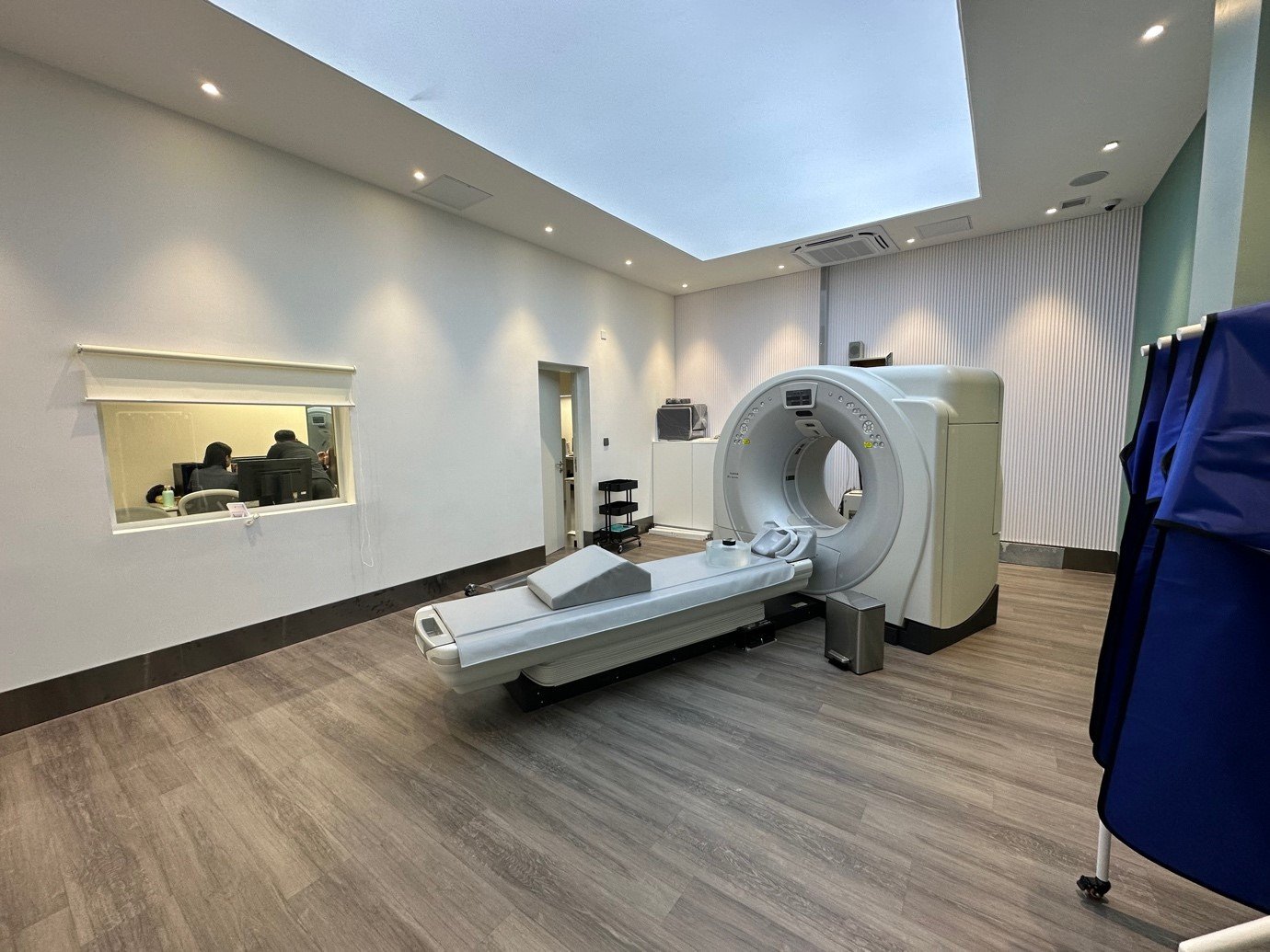
NURA - Fujifilm's high-tech, AI-integrated health screening center with advanced medical equipment.
In Vietnam, NURA's application of AI in healthcare aligns with the digitalization trend in medicine that Vietnam is pursuing, helping to bridge the gap in healthcare services between Vietnam and advanced countries worldwide, serving as a pioneering model of sustainable healthcare solutions. Combining cutting-edge technology with a commitment to improving public health, NURA and Fujifilm aim to bring more smiles and peace of mind not only to the people of Vietnam but also to the entire world.
Source: https://thanhnien.vn/khi-ai-giup-thu-hep-khoang-cach-ve-cham-soc-suc-khoe-toan-cau-185240628142639934.htm

![[Photo] Prime Minister Pham Minh Chinh presides over a meeting on private sector economic development.](/_next/image?url=https%3A%2F%2Fvphoto.vietnam.vn%2Fthumb%2F1200x675%2Fvietnam%2Fresource%2FIMAGE%2F2025%2F12%2F20%2F1766237501876_thiet-ke-chua-co-ten-40-png.webp&w=3840&q=75)





























































































Comment (0)