

Each community brings with it a distinct system of customs, traditions, festivals, language, clothing, and indigenous knowledge, creating a unique appeal for cultural tourism .

One of the most outstanding strengths of cultural tourism in the northern mountainous region is its ethnic diversity. According to many cultural studies, this area is home to many ethnic minorities with distinct cultural characteristics. Each ethnic group is a "living museum" of history and identity.
The Hmong are famous for their khene flute dance, markets, and linen weaving; the Dao have their coming-of-age ceremony, traditional herbal remedies, and exquisitely embroidered costumes; the Tay and Nung are notable for their then singing, tinh lute playing, and the Long Tong festival; and the Thai attract tourists with their xoe dance and unique culinary culture.
This richness has created unique cultural tourism products for each locality. Tuyen Quang impresses with the Khau Vai love market, the traditional houses of the Mong people on the Dong Van stone plateau, and the vibrant buckwheat flower season. Sa Pa in Lao Cai attracts visitors with Cat Cat and Ta Van villages, where tourists can experience the life of the Mong and Red Dao people.
Son La, Dien Bien, and Lai Chau are famous for the Thai ethnic culture, the traditional Xoe dances symbolizing unity, and the culinary arts of the highlands. Meanwhile, Cao Bang and Lang Son bear the strong imprint of Tay and Nung cultures with their ancient Then melodies and traditional stilt house architecture.
Traditional festivals are also a valuable "specialty" of tourism in the northern mountainous region. Most ethnic groups have a system of festivals associated with agricultural beliefs, community life, and spiritual concepts. The Gầu Tào festival of the Hmong people is an occasion to pray for good fortune, health, and a bountiful harvest; the Lồng Tồng festival of the Tay people expresses the belief in going to the fields to pray for a good harvest; the Hoa Ban festival of the Thai people celebrates the beauty of nature and romantic love. These festivals are often associated with folk games, traditional dances and songs, and community activities, creating a particularly attractive atmosphere for both domestic and international tourists.
Besides festivals, indigenous architecture is also a key element creating a unique appeal for cultural tourism in the highlands. The earthen houses of the Hmong people in Tuyen Quang, the stilt houses of the Thai people in Son La, or the Tay stilt houses in Lang Son all reflect the adaptation of people to natural conditions and the preservation of long-standing cultural values. The living spaces of these ethnic groups are considered part of the "cultural landscape," where visitors can clearly experience the traditional life of the inhabitants of the northern mountainous region.
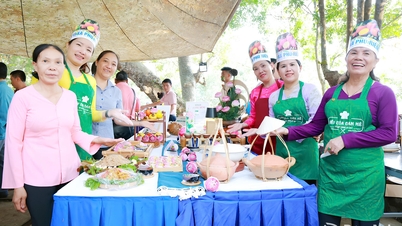
Local cuisine is also a great advantage for developing experiential tourism. Highland dishes are not only unique in flavor but also closely linked to the natural conditions and lifestyles of each ethnic group. Thang Co (a traditional stew), smoked pork, grilled fish, five-colored sticky rice, corn wine, and various wild vegetables have become "brands" in the eyes of tourists. Many dishes are prepared using traditional methods and natural mountain spices, creating an irreplaceable appeal.
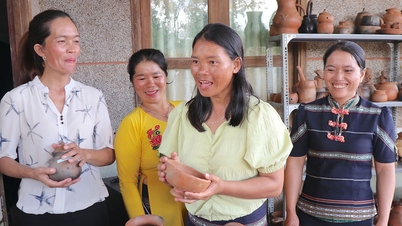
Another important strength is the thriving community-based tourism model in many localities. Instead of building modern resorts isolated from residents, many northern mountainous provinces are choosing to develop homestays connected to traditional villages. Tourists can sleep in stilt houses, eat meals with local families, participate in agricultural work, learn weaving, indigo dyeing, or prepare traditional dishes. This form of tourism helps increase income for local people while preserving traditional cultural values more effectively.
Furthermore, the indigenous knowledge of ethnic minorities is also a valuable resource for tourism development. The Dao people are famous for their traditional herbal bath remedies; the Hmong people have experience in cultivating terraced rice fields; and many ethnic communities possess a treasure trove of folk songs, ancient stories, and unique handicrafts. These are not only cultural values but also the basis for creating distinctive tourism products with profound experiential depth.
However, for sustainable development, cultural tourism in the northern mountainous region also faces many challenges. Excessive commercialization can erode traditional identity; some festivals are becoming theatrical; and many traditional crafts are at risk of disappearing due to the lack of interest from younger generations in inheriting them. In addition, transportation infrastructure, accommodation facilities, and tourism human resources in many localities remain limited.
Therefore, the development of cultural tourism must go hand in hand with the preservation of local identity. Local authorities need to focus on training people to become professional community tourism operators, supporting the preservation of traditional crafts, and encouraging the younger generation to preserve their ethnic languages and customs. At the same time, tourism products should be developed in a way that emphasizes authentic experiences rather than chasing mass trends.
It can be said that local culture is the "soul" of tourism in the northern mountainous region. In the context of tourists increasingly interested in authentic values and unique experiences, this will continue to be a major advantage for the sustainable development of tourism in this area.
Source: https://baovanhoa.vn/dan-toc-ton-giao/khoi-nguon-du-lich-van-hoa-ban-dia-230409.html


















































































Comment (0)