

 |
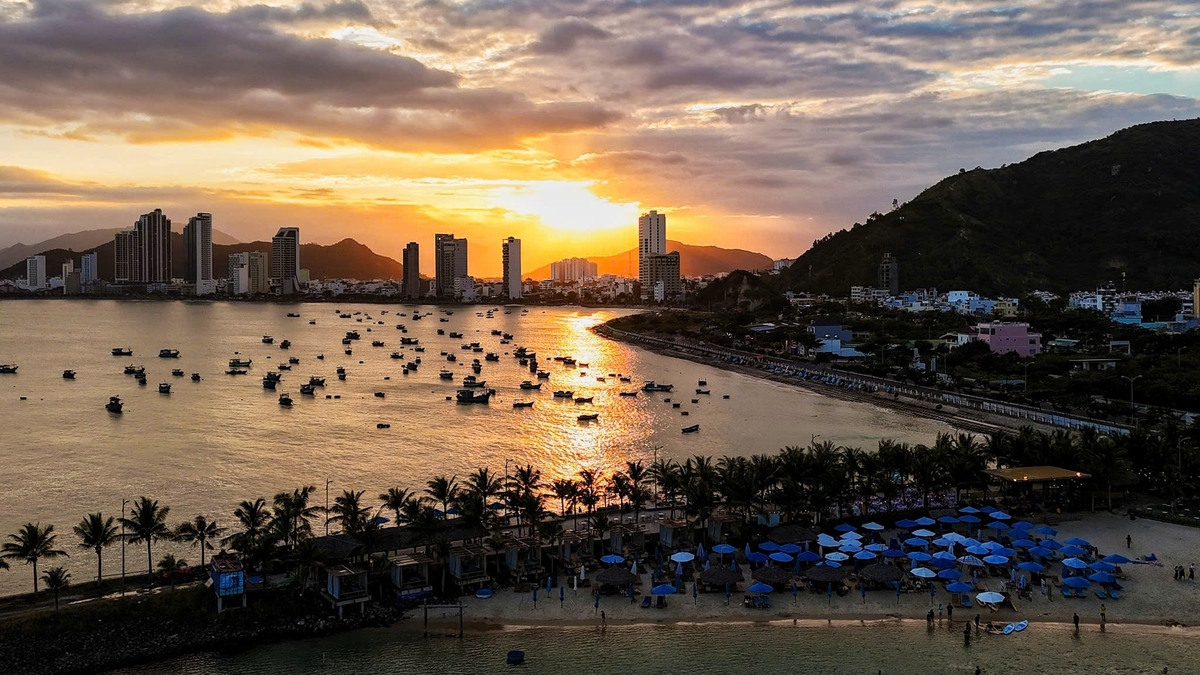
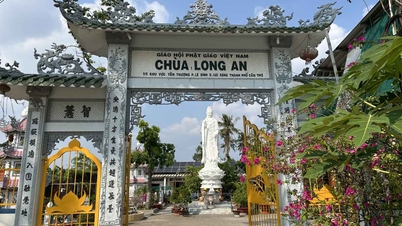
| The tourism and service sector continues to record growth. |
Do not lower the growth target.
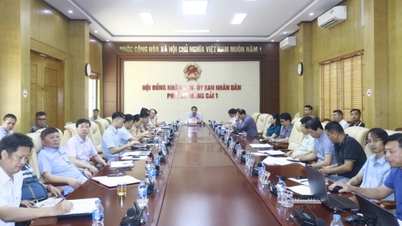
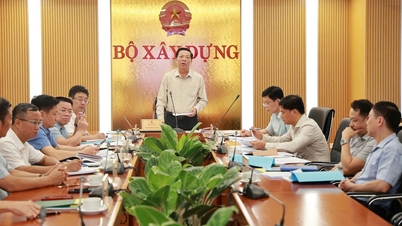
Amidst the volatile global situation affecting production, business, and global and domestic supply chains, as well as within the city, at a recent meeting on economic growth and growth scenarios for the first quarter and the whole of 2026, city leaders affirmed their unwavering commitment to double-digit growth. The guiding principle of the City People's Committee for all departments and localities is not to lower growth targets due to difficulties. Instead, the city will adjust growth scenarios and management methods to adapt to the new situation.
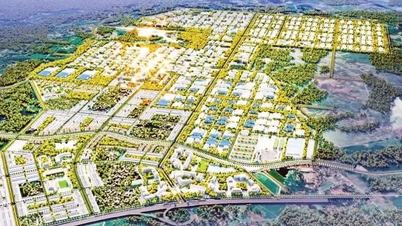
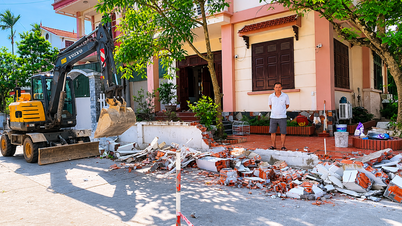
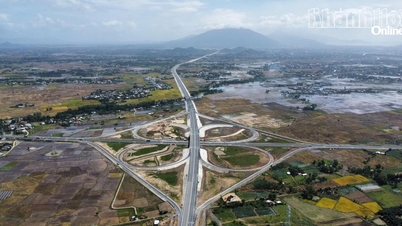
Accordingly, one of the key growth drivers identified by the city as a leading pillar in its growth scenario for 2026 is accelerating the disbursement of public investment capital. This is also a strategic pillar that creates a ripple effect and promotes the development of other sectors and fields. This year, Hue City aims to disburse 100% of its planned public investment capital, prioritizing key projects to create infrastructure synchronization, attract investment, and ensure social welfare. The city will also differentiate and filter projects to eliminate or revoke those that do not meet deadlines, making way for projects that are progressing well, thereby creating a breakthrough for growth targets.
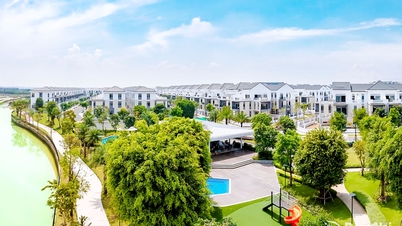
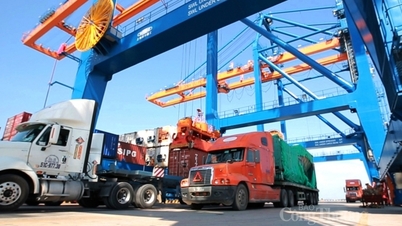
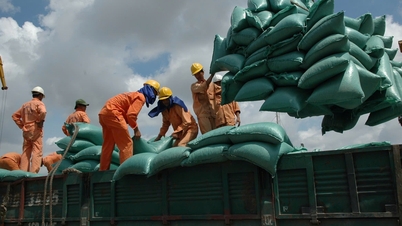
The industrial and construction sector continues to be identified by the city as a key driver of growth, with this sector achieving a growth rate of over 12.7% in the first quarter of 2026 and accounting for more than 30.5% of the economic structure. However, to further boost the growth of the industrial and construction sector, it is necessary to remove bottlenecks, especially in infrastructure, logistics, and investment procedures.
Accounting for 49-50% of the economic structure, the service and tourism sectors play a significant role in the city's growth targets. Therefore, the city has implemented numerous solutions to fully exploit the potential and strengths of the service and tourism sector. Among these, the most fundamental solution remains improving service quality, restructuring customer sources, prioritizing domestic and regional markets; and targeting high-spending luxury tourists to increase budget revenue…
Establishing key pillars
At the workshop "Innovating Growth Models, Creating Breakthrough Growth Drivers for Hue City to Enter a New Era," organized recently by the Department of Finance in collaboration with the Institute for Urban Development Research and the University of Finance - Marketing (Ministry of Finance), experts suggested key growth pillars for Hue in the new phase. The crucial pillars remain the four main pillars: Heritage, Innovation, Maritime Orientation, and Happiness.
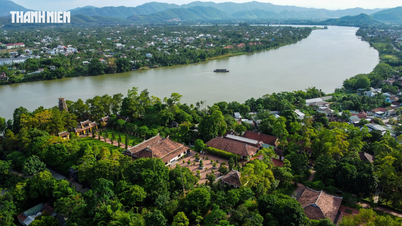
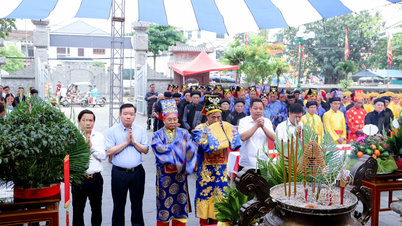
Professor Tran Thi Van Hoa, former Vice Rector of the National Economics University, analyzed: Among the pillars above, heritage plays a unique role as a foundation, creating a distinct identity; innovation is the driving force helping Hue participate deeply in the global value chain; the coastal orientation will open up new development spaces with areas such as Chan May - Lang Co, Tam Giang - Cau Hai lagoon. Happiness, in particular, is the core goal, shaping a human-centered city and developing high-quality healthcare services.
These four pillars are closely interconnected and mutually supportive, creating development directions such as digital cultural products, heritage restoration technology, smart logistics systems, and world-class beach resorts. In particular, the element of happiness is considered a filter to eliminate projects that negatively impact heritage, the environment, and public health...
An expert from the University of Finance and Marketing believes that the breakthrough to unlock growth potential for Hue lies in leveraging the resources of the Central region, including Quang Tri, Da Nang City, and Quang Ngai, to support Hue's growth. Furthermore, to effectively utilize the four pillars mentioned above, Hue needs to shift from a mindset of exploiting internal resources to one that combines internal and external resources; from local growth to building a regional center role; from preserving heritage to transforming it into high economic value; and from attracting investment to building a development ecosystem with high absorption capacity.
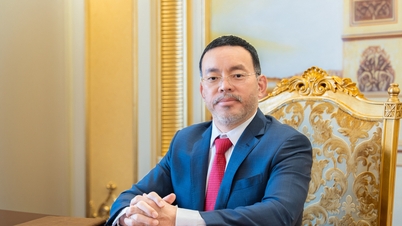
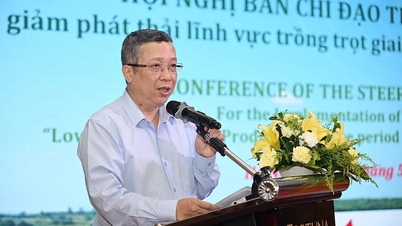
Also at the aforementioned workshop, Vice Chairman of the Hue City People's Committee Nguyen Van Manh stated that, after operating the two-tiered local government model, Hue City is entering a pivotal phase, transitioning from establishing a foundation to accelerating development, from consolidating the organizational structure to creating real, effective, and sustainable growth drivers.
This reality also highlights the urgent need to re-evaluate the growth model, accurately assess bottlenecks, and establish new development drivers that are appropriate to the status of a centrally-governed heritage city.
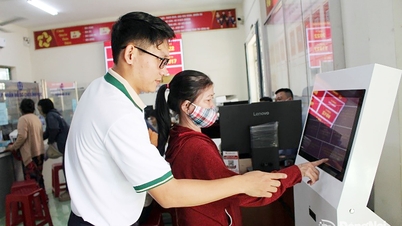
The suggestions, comments, and insights from experts were also highly appreciated by the city's leaders. These also serve as development directions for the city in the coming period. However, regardless of the pillars or solutions, the overarching viewpoint of the city's leaders remains the efficient operation of the administrative apparatus. Only when those implementing policies and managing the state work creatively, dynamically, and continuously strive to overcome difficulties, providing maximum support to businesses and investors, will the entire system operate smoothly and create momentum for other economic sectors to accelerate and break through in the new phase.
Source: https://huengaynay.vn/kinh-te/kien-tao-dong-luc-tang-truong-moi-165170.html
































































Comment (0)