

 |
The smart glasses market in China is starting to boom. Photo: SE Daily . |
According to Rest Of World , China's AI smart glasses market is booming, driven by government subsidies. Tech giants like Xiaomi and Alibaba are also integrating LLM technology into features for everyday use.
Vivian, a university student in Hebei province, loves her Rokid AI smart glasses. When riding her motorbike, she wears them for navigation. When shopping for clothes, Vivian quietly takes photos of the price tags with her glasses to compare them with online prices before making a purchase.
Sometimes, Vivian cheated on exams. She used a scanning device to read the questions and see the answers displayed on the lenses – "any subject I could fail," the character stated, requesting to use a pseudonym so she could speak freely. Some classmates rented Vivian's device to use during exams.
From a multi-billion dollar industry
Smart glasses incorporating artificial intelligence have become a multi-billion dollar industry. Products ranging in price from $270 to over $1,000 often feature cameras and audio capabilities, supported by advanced language models. Some models display text or images with augmented reality effects.
Meta's glasses, produced in collaboration between Ray-Ban and Oakley of EssilorLuxottica, allow users to take photos and listen to music. The product is currently sold in India, Mexico, and select Western markets. Meta's latest Ray-Ban Display model, with its integrated screen, is only available in the US.
China accounts for only a small fraction of the global smart glasses market. According to IDC , 2.5 million pairs of smart glasses will be shipped to China in 2025, representing 16.7%. However, things are changing rapidly in the world's most populous nation.
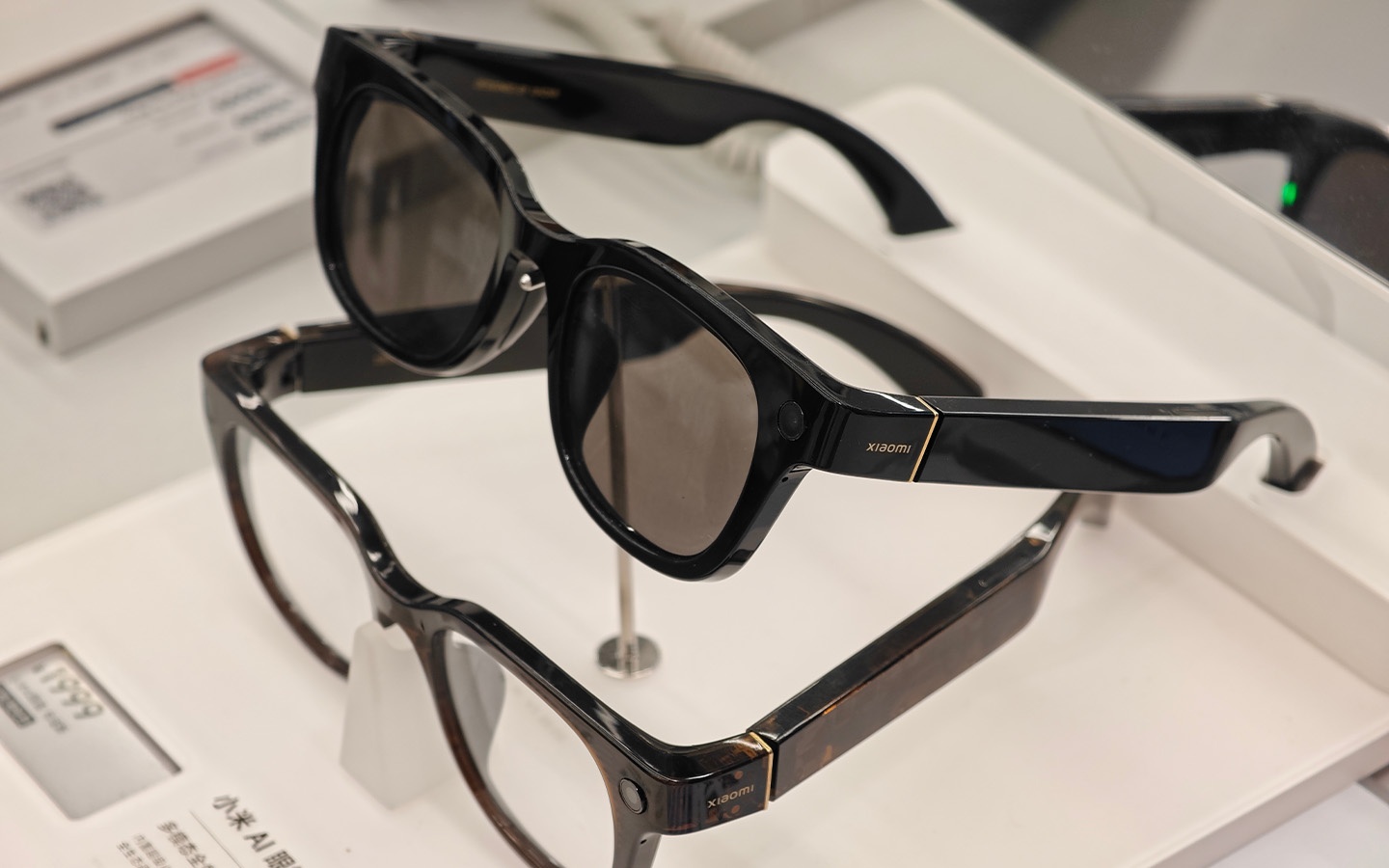 |
Xiaomi to launch AI-integrated smart glasses in 2025. Photo: Macao News. |
Domestic brands are competing to enter the market by integrating AI glasses into daily life. Starting in 2025, Xiaomi, Alibaba, and electric vehicle manufacturer Li Auto are launching various lines of smart glasses.
They promote a variety of features, from real-time calorie tracking of meals to creating a cinema-like movie-watching experience using virtual reality. This year, the Chinese government also included smart glasses in its national subsidy program to boost consumption, with a 15% discount, up to a maximum of $73 .
From "affordable meals" to AI
Some users buy or rent smart glasses out of curiosity. On the e-commerce site Xianyu, dozens of sellers offer AI glasses rental services. Ke Changsi, a businessman in Shenzhen, rents out Rokid and Quark glasses. In the past four months, he has had over 1,000 customers. Rental prices range from $6 to $12 per day, depending on the model.
According to this person, customers use AI glasses to translate traffic signs when traveling abroad, interpret business meetings with foreign clients, and use them as teleprompters in public speeches.
The demand also comes from students who need glasses for exams. On the social media site Xiaohongshu, Ke advertises how the glasses can answer English and math questions. Users can control the device with a small remote control that looks like a ring.
 |
Some of the glasses have the added ability to be controlled via a wearable device that resembles a ring. Photo: Radii. |
In important exams in China, such as the national college entrance exam and the civil service exam, the use of smart glasses is prohibited. However, in regular school exams, teachers are almost unable to detect students using smart glasses to cheat.
Recently, researchers at the Hong Kong University of Science and Technology connected Rokid glasses to ChatGPT 5.2. One participant wearing the glasses scored in the top 5 of a class of over 100 students.
The research team also developed systems to help teachers detect AI glasses, Zili Meng, an assistant professor at the university, told Rest of World .
Meng said that to expand the use cases of AI glasses, the industry needs a common architecture so that developers can build more innovative applications, similar to how people build apps on Android and iOS.
Practical barriers
Currently, smart glasses still have several drawbacks for everyday use. They can weigh up to 50 grams, double the weight of regular glasses. Charging is also inconvenient; the battery often runs out after only a few hours and needs to be placed back in the charging case frequently.
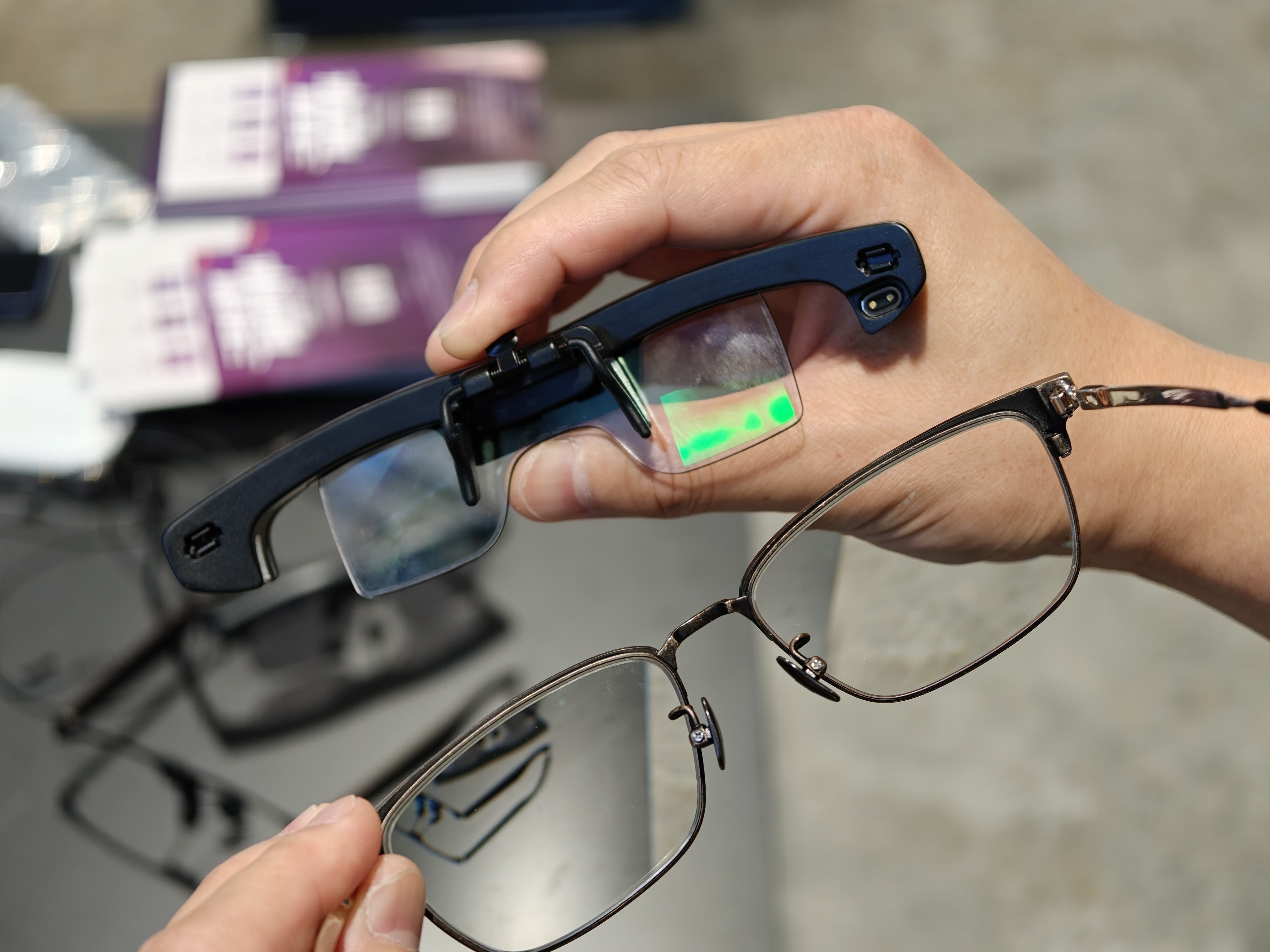 |
Smart glasses are still too big and heavy compared to regular glasses. Photo: Radii. |
Liu Zhigang, a university student in Zhejiang province, bought a pair of Rokid glasses for about $465 . Liu never used them in exams, but had tried taking photos while cycling and making digital payments. Liu found it inconvenient to have to shout "Rokid, pay up!" in a store.
Wearing the large, heavy glasses every day was also uncomfortable for Liu. In the summer, the device would heat up, causing him to sweat. Furthermore, he felt that many of the glasses' functions could easily be performed using a smartphone.
A social media influencer in Hangzhou, who requested anonymity because he previously worked with AI smart glasses manufacturers, said he tried Rokid glasses for a week after the company paid him to post an advertisement on Xiaohongshu.
"They weren't really helpful to me," he told Rest of World . He tried using the glasses for navigation while driving and found the constant switching of attention between the road and the screen dangerous.
Many people are also concerned that AI glasses will increasingly be used for covert filming. Most glasses have LED lights that flash when the camera is active, but there are stickers available on the market to cover these lights.
Source: https://znews.vn/kinh-ai-tro-thanh-com-binh-dan-o-trung-quoc-post1639848.html

































































































Comment (0)