

Quang Yen is a land with a rich cultural tradition, boasting many ancient villages and communes, many of which still bear place and village names used today.
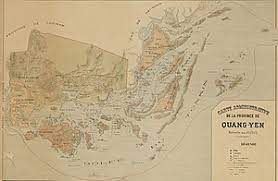
Quang Yen, formerly the name of a province, was a vast area comprising six districts: Ha Bac, Ha Nam , Duong Dong, Truc Dong, Bi Giang, and Van Yen, divided into 42 villages. Specifically, the Ha Bac district included the villages of Yen Hung, La Khe, Quynh Lau, Khe Chanh, Dong Linh, Bui Xa, Hoang Lo, Khoai Lac, Yen Lap, and Yen Cu. The Ha Nam district included Hung Hoc, Hai Yen, Cam La, Yen Dong, Phong Coc, Trung Ban, Quynh Bieu, Luu Khe, and Vi Duong. The Duong Dong district included Duong Dong, Trang Kenh, and Gia Duc. The Truc Dong district included Truc Dong, Mai Dong, Liet Xa, My Liet, Vien Khe, Thu Khe, Thiem Khe, Dao Tu, and Quy Khe. The Bi Giang district included Bi Giang, Lac Thanh, Ha Mo Cong, Dien Cong, Nhu Y Trung, Nhu Y Thuong, Nam Mau, and Thuong Mo Cong. And the Van Yen district included Van Yen, Truc Vong, Tieu Dao, and Dai Dan.
Later, the name Quang Yen became the name of a town in Yen Hung district, now a city. Quang Yen currently comprises two parts: Ha Nam and Ha Bac. Ha Nam Island alone currently has 8 communes and wards with over 60,000 inhabitants. In the past, it was a large tidal flat at the mouth of the Bach Dang River. In the early 15th century, six groups of pioneers and residents came to build dikes and reclaim land from the sea to establish villages. Among them were 17 pioneers from Tho Xuong district, Hoai Duc prefecture, Thang Long citadel. They were all laborers who mainly lived by farming and fishing along the lakes of the ancient Kim Nguu River. King Le Thai To allowed the local people to find barren land to establish new villages anywhere and granted them tax exemptions during the initial period of cultivation. The 17 pioneers, along with their families, sailed down the Red River to the mouth of the Bach Dang River, stopped their boats, and engaged in fishing and shrimp harvesting.
After discovering a new freshwater source, they reclaimed the land to create rice paddies and established villages where they both cultivated rice and fished. Initially, the founding ancestors established the Bong Luu commune, later renamed Phong Luu, comprising three hamlets: Phong Coc, Cam La, and Yen Dong. Later, two more founding ancestors, Hoang Nong and Hoang Nenh, from Tra Lu, Nam Dinh, also came to reclaim land and establish villages in this area, gradually forming the island village of Ha Nam.
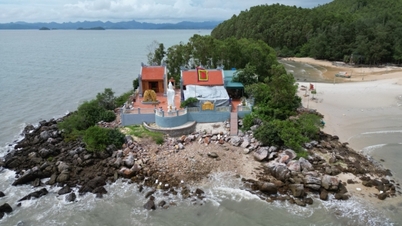
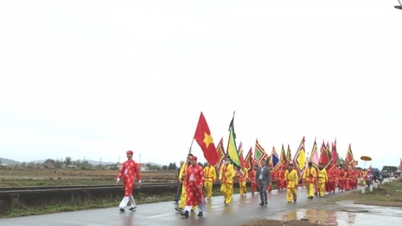
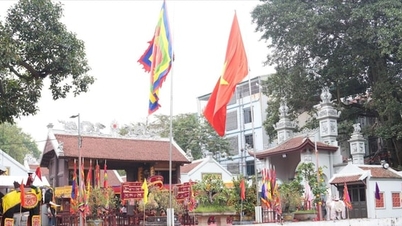
The people of the four villages commemorated the contributions of the 19 founding ancestors by erecting a shrine in the center of Ha Nam Island, now part of Cam La commune, called the Shrine of the Nineteen Founding Ancestors. Every year, the people of the region organize the Ancestor Festival from the 5th to the 7th of January with rituals including a procession of living people, wrestling, dike building, and unique folk games of the riverine region. The festival has been recognized as a National Intangible Cultural Heritage. Besides the shrine in Cam La, the people of Trung Ban village, Lien Hoa commune, also established a separate shrine to worship two founding ancestors, Mr. Hoang Nong and Mr. Hoang Nenh. In Hiep Hoa, on the Ha Bac side, there is also an Ancestor Festival, held earlier than usual.
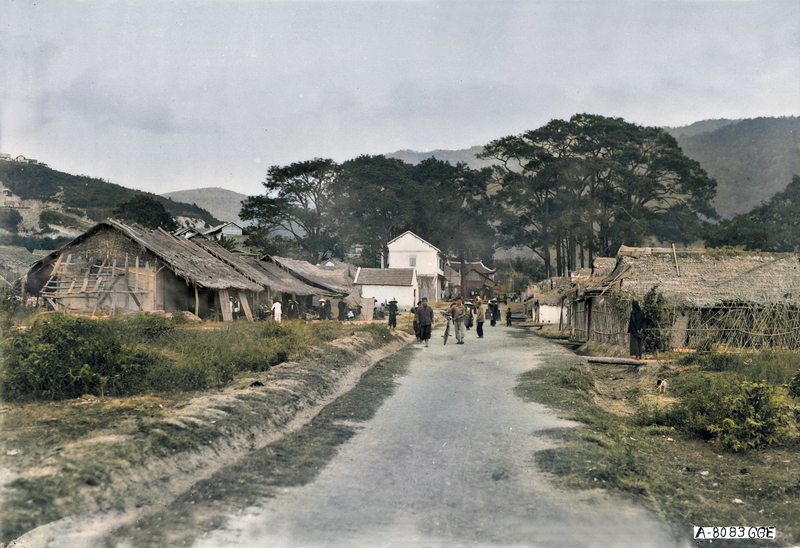
Currently, Quang Yen is the name of a town comprising parts of the former two districts of Ha Nam and Ha Bac, with the territory of 20 ancient villages: Phong Coc, Cam La, Yen Dong, Trung Ban, Luu Khe, Vi Duong, Vi Khe, Quynh Bieu, Hai Yen, Hung Hoc, Yen Hung, Yen Tri, Quynh Lau, Khe Chanh, La Khe, Bui Xa, Hoang Lo, Dong Linh, Yen Lap, and Khoai Lac. The village of Dien Cong later moved to the territory of Uong Bi City.
Some village names have been changed to commune or ward names, such as Phong Coc and Cam La. Some village names have become hamlet or neighborhood names, such as Hung Hoc, Vi Duong, Yen Dong, Trung Ban, Khe Chanh, Khoai Lac, Yen Lap, Dong Linh, and La Khe.
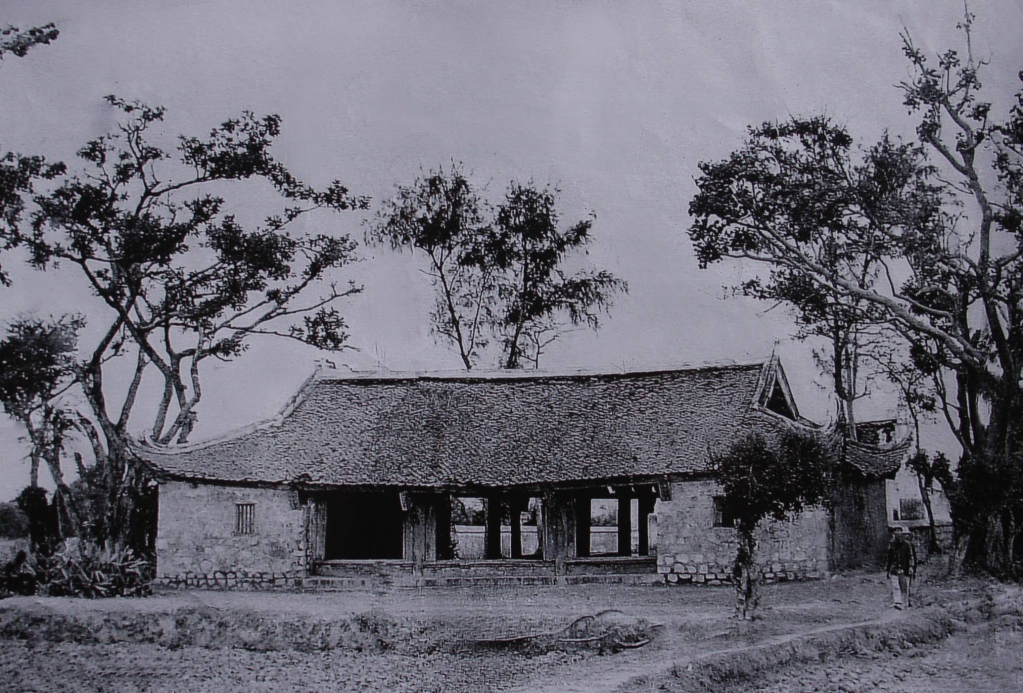
Each village has an ancient communal house (đình) associated with a temple or shrine dedicated to the village guardian deity. And every year, the villages hold festivals at these communal houses. Currently, only a few of the 21 ancient villages still hold these festivals. Only 11 communal houses have been inventoried and classified: Cốc communal house, Lưu Khê communal house, Yên Giang communal house, Trung Bản communal house, Hải Yến communal house, Hưng Học communal house, Đông Đình communal house, Khoái Lạc communal house, Quỳnh Biểu communal house, Động Linh communal house, and Quỳnh Lâu communal house.
According to Mr. Le Dong Son, former Head of the Culture and Information Department of Quang Yen Town, village communal houses in Quang Yen were built quite early, probably in the 15th century. The reason for this assertion is the land division stele at Trung Ban communal house, carved in the 26th year of Hong Duc (1495), recording the measurement and division of land, dikes, roads, and population of the island communes of Ha Nam by King Le Thanh Tong in 1471 and 1490. The communal houses still preserve many valuable historical records, divine decrees, inscriptions, couplets, large characters, and religious artifacts. Besides communal houses, some places have built shrines and temples with inscribed stele to record the academic achievements of the villagers.
Source












































![[Infographic] Vietnam's Economic Situation Report, Q1 2026: Strong Growth Momentum](https://vphoto.vietnam.vn/thumb/402x226/vietnam/resource/IMAGE/2026/04/04/1775298512042_tang-truong-kinh-te-viet-nam.jpeg)
![[Image] Close-up view of the 10-lane road connecting to Long Thanh Airport](https://vphoto.vietnam.vn/thumb/402x226/vietnam/resource/IMAGE/2026/04/04/1775291871988_ndo_br_1-resize-5690-jpg.webp)




















Comment (0)