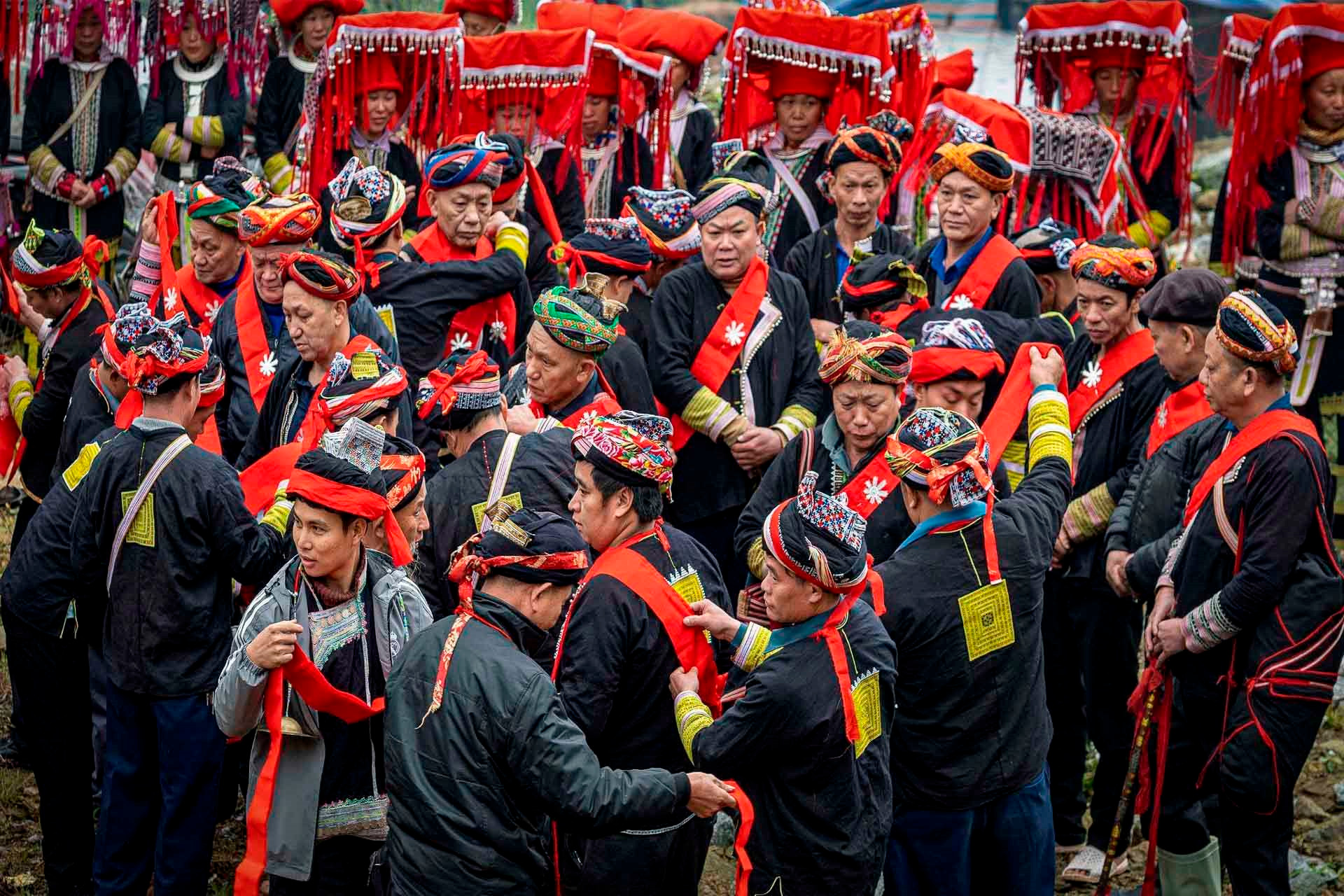
Perhaps no words can fully describe the beauty of the 12-lamp initiation ceremony of the Red Dao people in Lao Cai . If one were to use a single word to describe this most important ceremony, it would be through the lens of "heart," a heart stemming from "spirituality" in the rituals and also from the "sincerity" in the desire of Red Dao men to demonstrate their maturity and responsibility to their community and ethnic group.
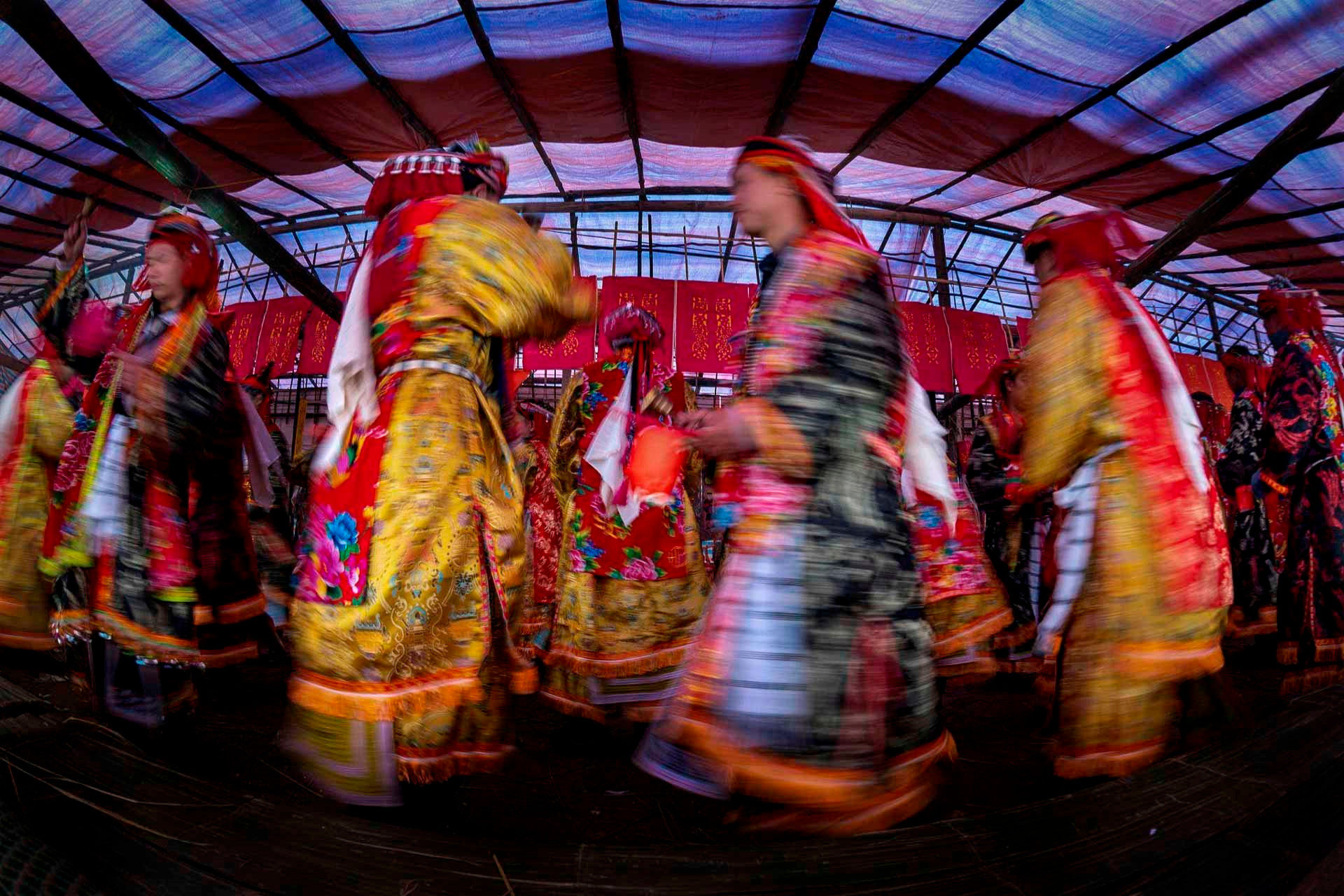
Within the flow of Vietnamese culture, the Dao people are a community with extremely unique cultural characteristics. They always maintain a very distinct ethnic cultural identity, a pure cultural essence that is not mixed or blended with any other elements.
The Dao people's initiation ceremony has many levels, the first being the 3-lamp initiation and the last being the 12-lamp initiation. Each level carries a cultural significance and reflects a certain level of attainment. The 12-lamp initiation ceremony is the most important and significant event, representing the highest level in the religious culture of the Red Dao people.
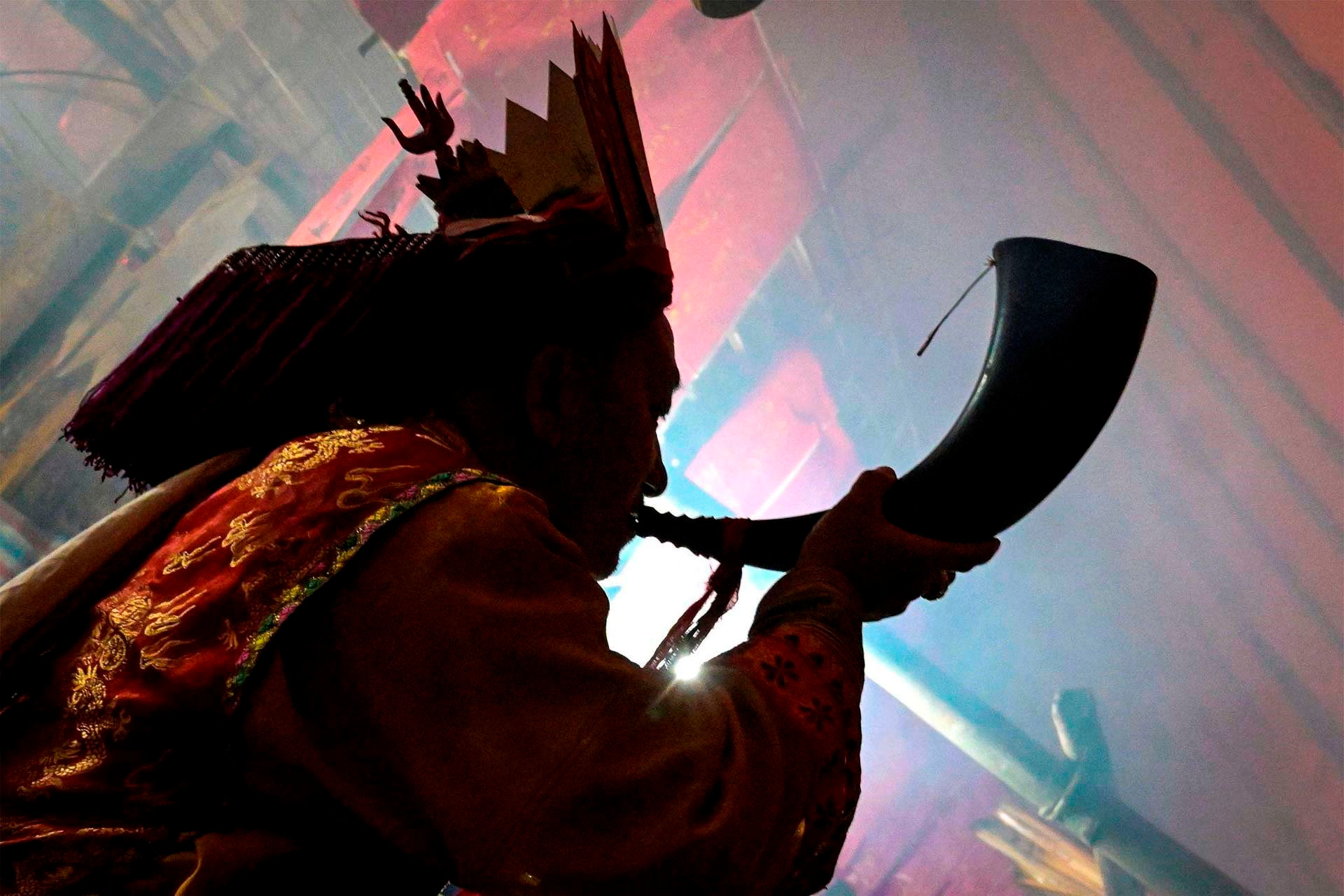
The Twelve-Lamp Initiation Ceremony of the Red Dao people marks a milestone in the coming-of-age of each man in this community. Those who receive this ceremony are not only considered adults but also participate in important village affairs. According to the Dao people's beliefs, men, even the elderly, who have not undergone the initiation ceremony are not considered adults because they have not been initiated by a master, have not received a spiritual name, etc.


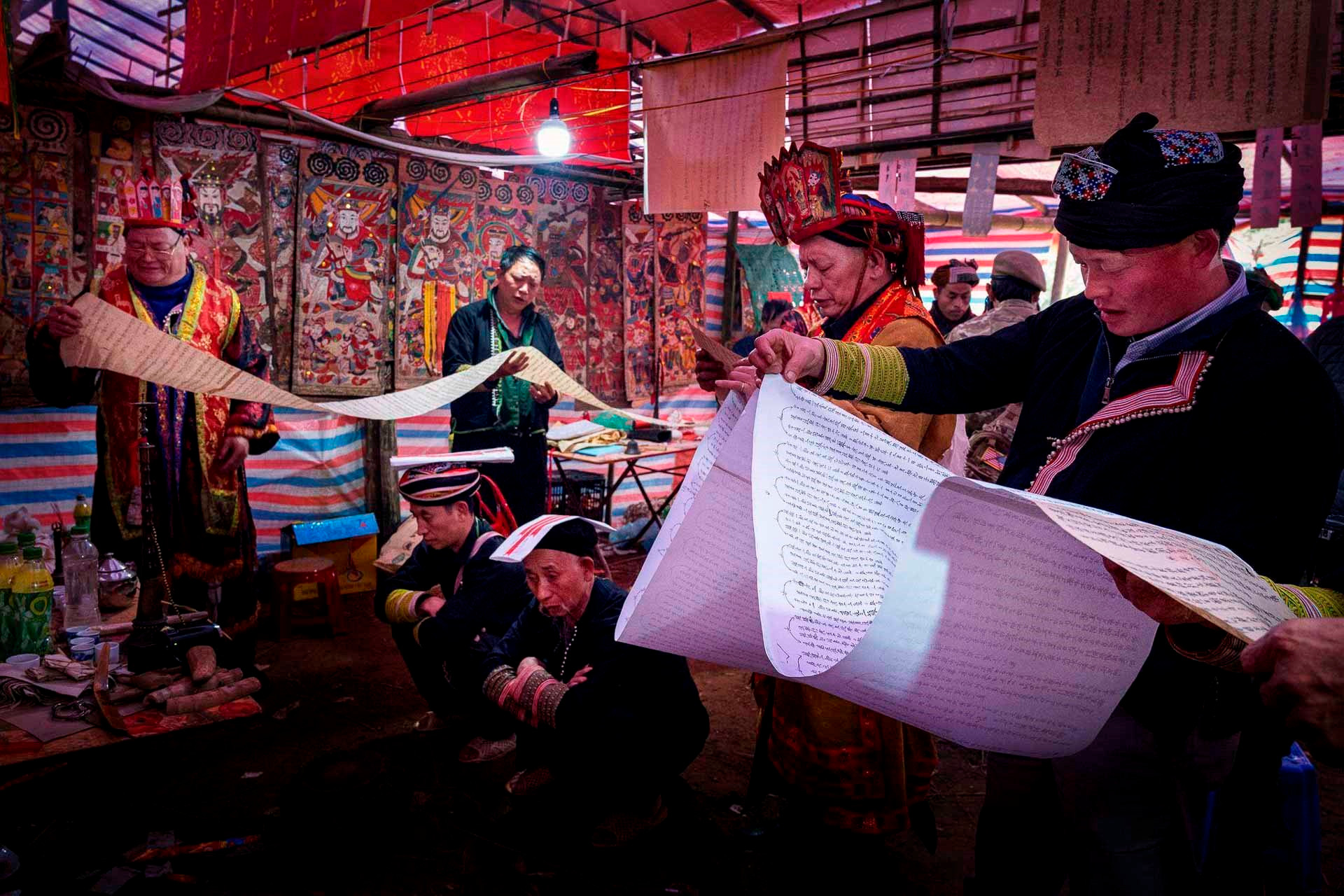
The Dao people consider the initiation ceremony a crucial ritual that must be performed in their lives, especially for men. They believe that only those who have been initiated possess the necessary virtue and moral character to distinguish right from wrong, and are recognized as descendants of Ban Vuong. Each year, the Dao people choose an auspicious day to hold the initiation ceremony, as well as the appropriate number of participants. For the 12-lamp initiation ceremony, there are 12 main masters and several assistant masters, with the shamans acting as the presiding priests. Those participating in the ceremony are called "students." Participation in the 12-lamp initiation ceremony is not simple; those chosen must be proficient in the rituals, procedures, and sequence of the ceremony, as well as the prayers recorded in ancient Dao Nôm texts. To achieve this, participants must undergo a long journey of continuous learning and self-improvement.
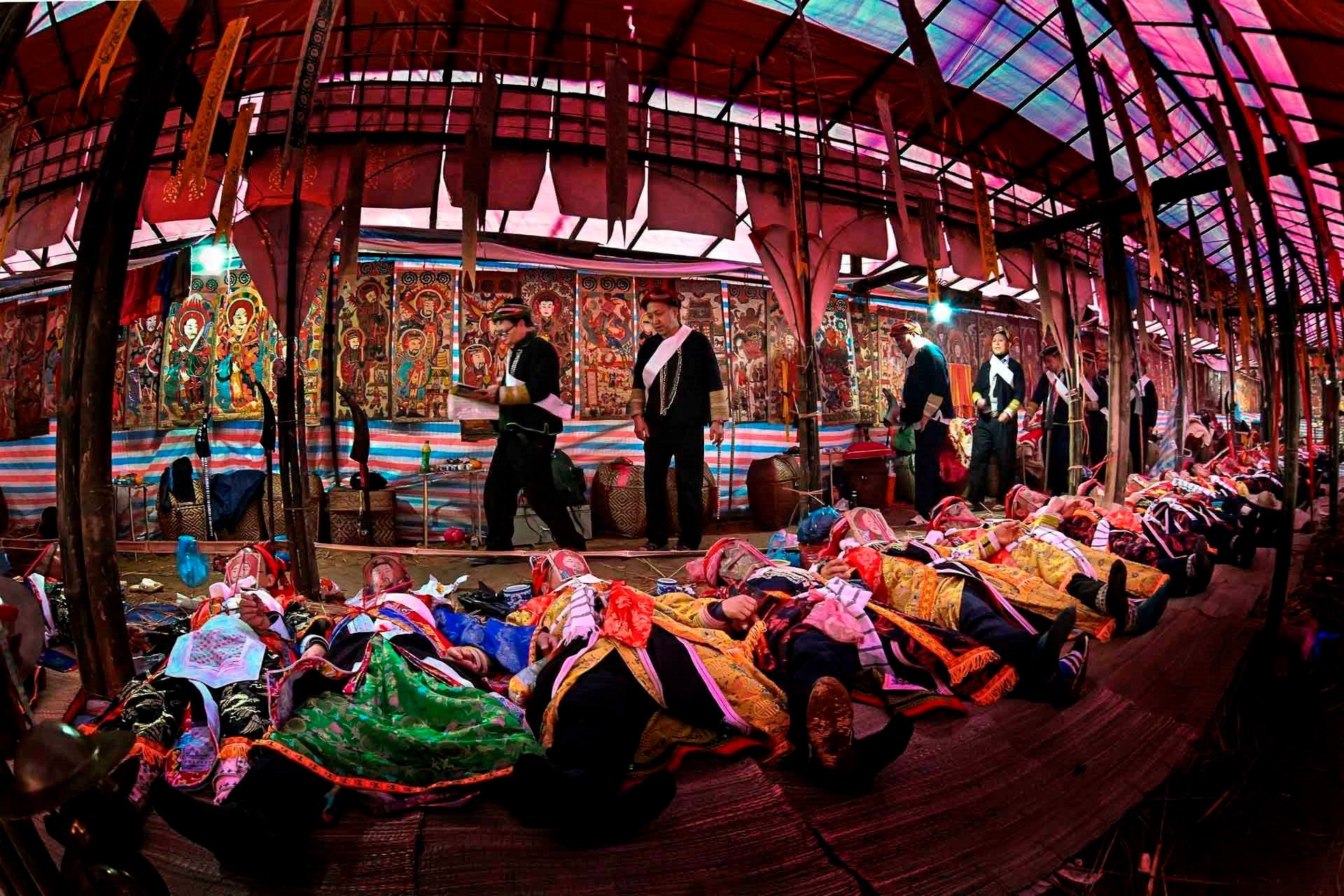
For the Dao people, after receiving the initiation ceremony, they not only mature physically and become an important part of the community, earning respect, but also become spiritually steadfast.
This ritual helps them to live in harmony with their roots, to live according to moral principles, and to live for the community. Those who receive this ordination become high-ranking shamans, capable of presiding over important ceremonies for their village.
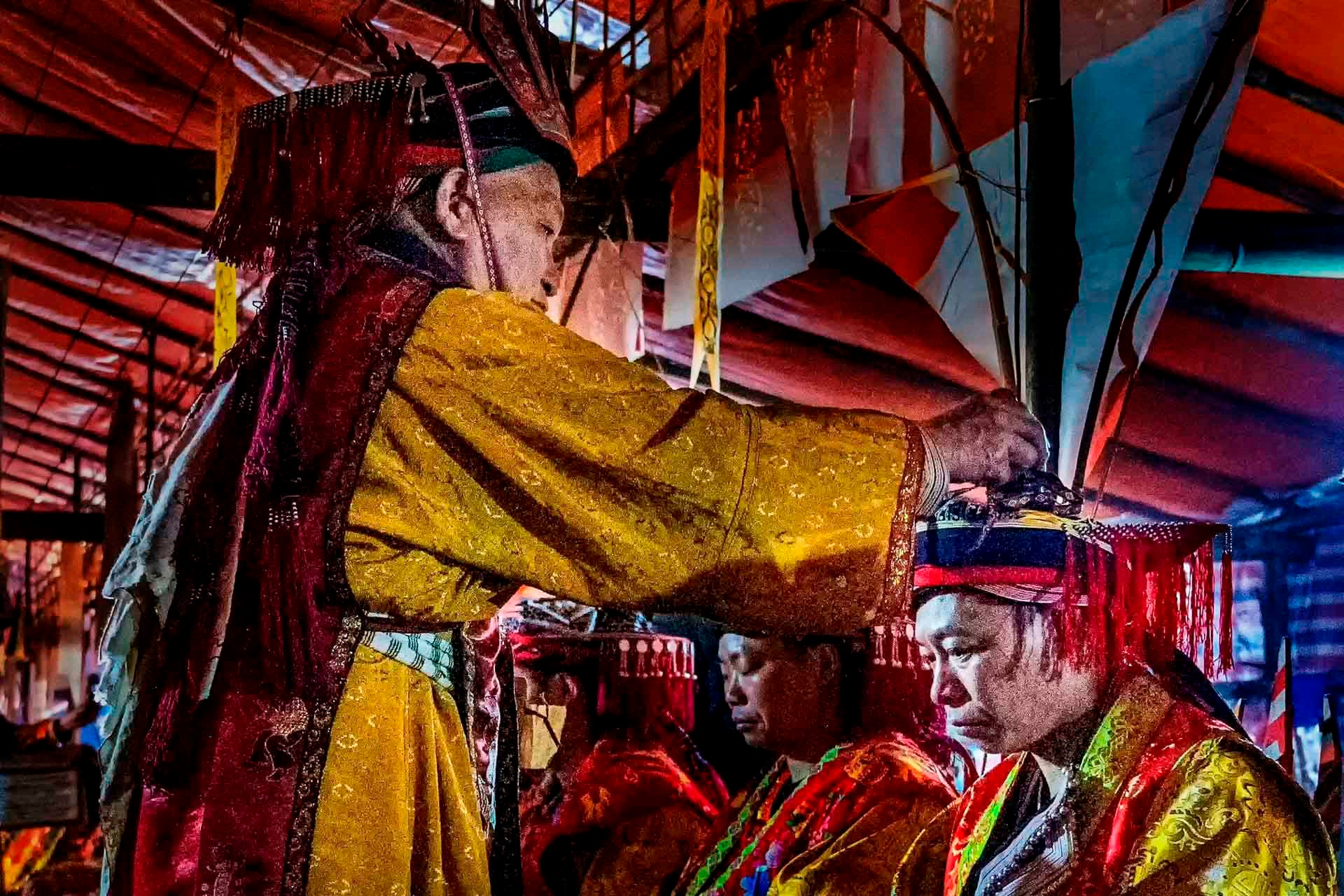
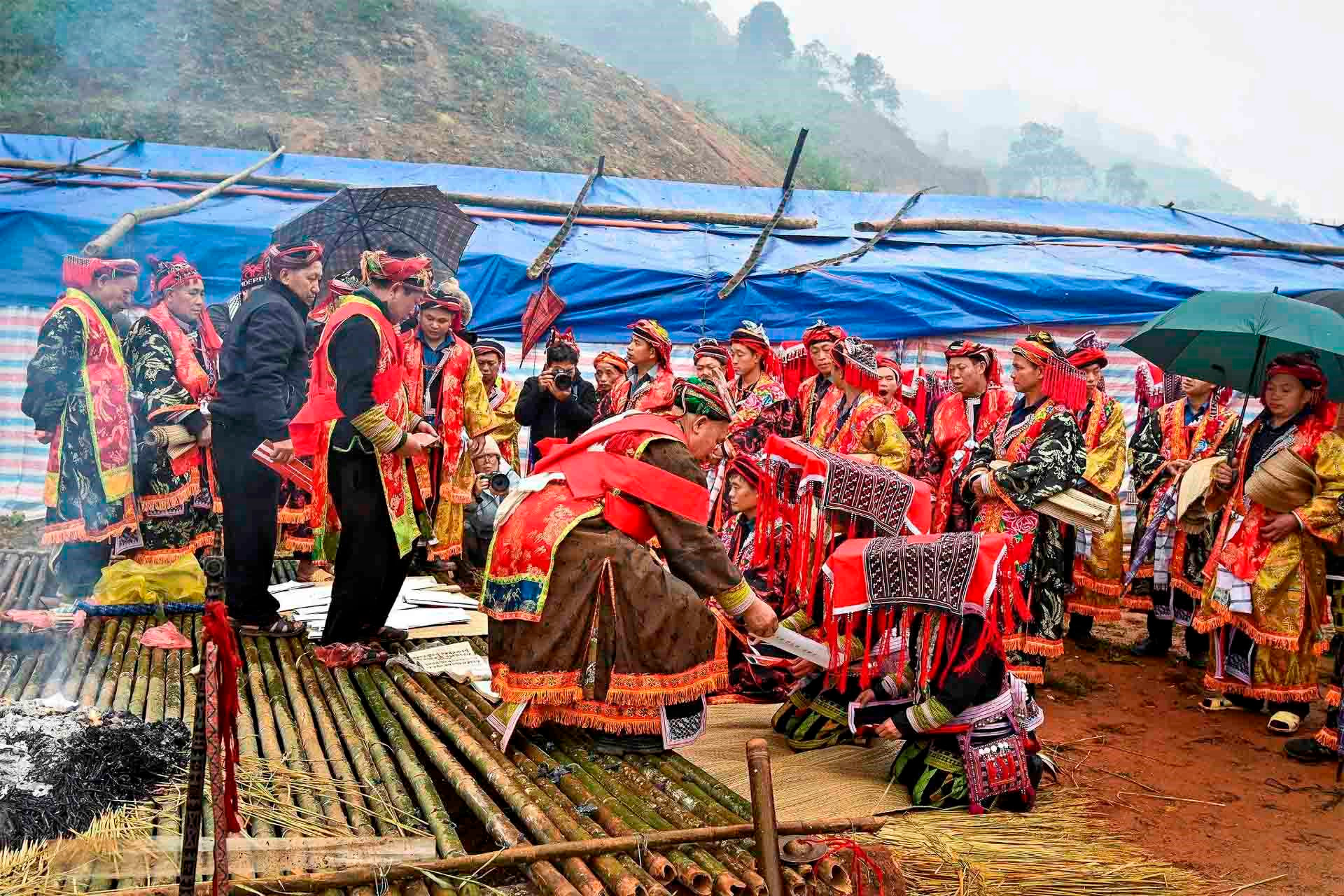
The Twelve-Lamp Initiation Ceremony is not only a unique cultural beauty of the Dao ethnic group but also reflects their pride in performing traditional cultural rituals. The reason the Dao people, and the Vietnamese ethnic community in general, highly value this ceremony is because it embodies beautiful humanistic values and reflects the moral principles of the ethnic group.
Those who receive the initiation ceremony absolutely refrain from doing evil or bad things. After the ceremony, they become responsible individuals, aspiring to improve themselves and contribute to the community. In particular, the Red Dao men who pass through this gate demonstrate their maturity and competence to shoulder responsibilities within their clan and community.
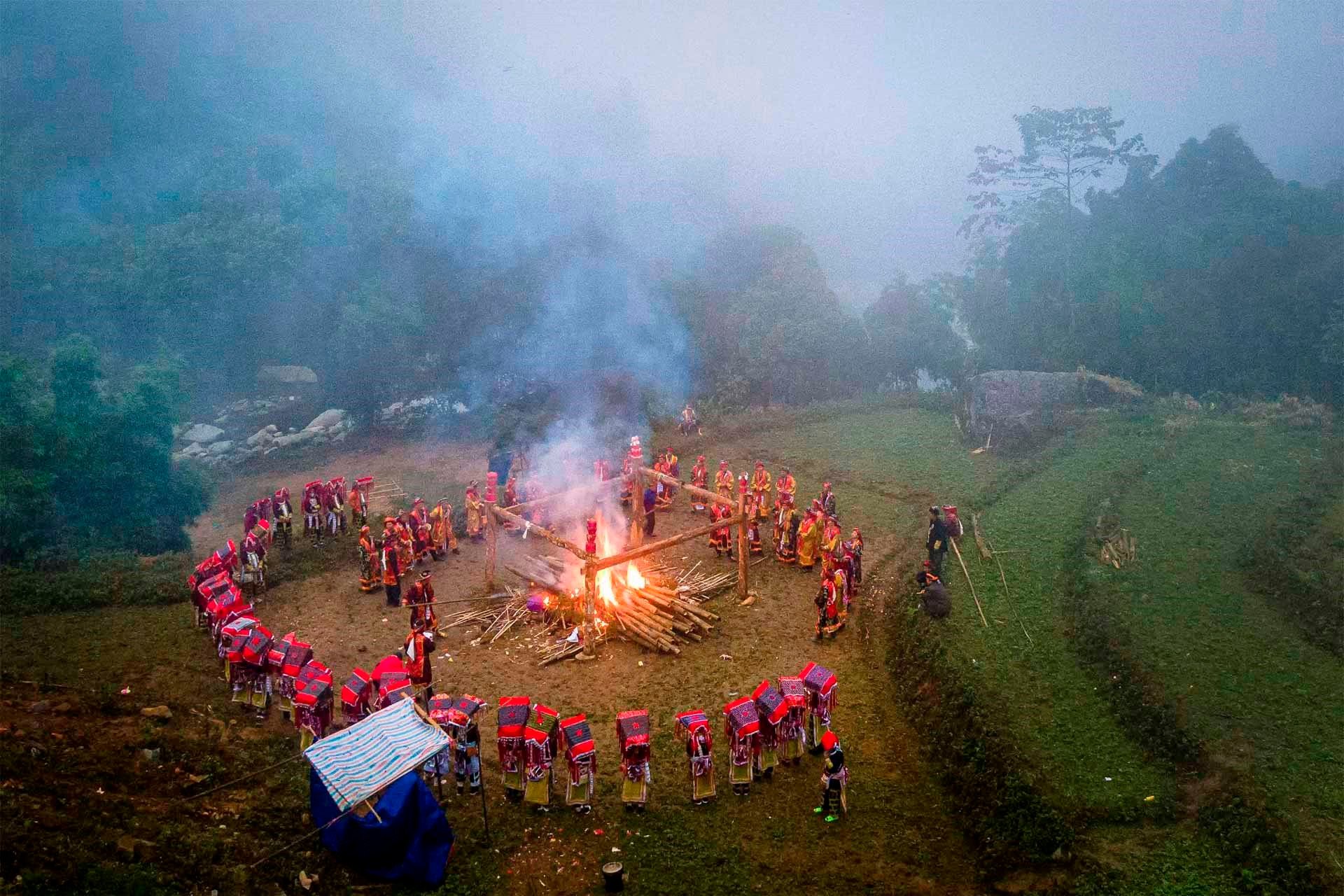


The coming-of-age ceremony of the Red Dao people is not only a representative cultural heritage of humanity but also contributes to preserving, maintaining, and promoting the beautiful cultural features of Vietnamese ethnic communities.
Article by: Hieu Hien
Photo: Kieu Anh Dung
Design: Khanh Linh
Source link