

Don't be ungrateful... to the sea.
He said that going to sea alone meant freedom to pick up trash, but even those who go to sea alone, like Mr. Tài, maintain a connection so they can help each other when needed. On his return trip, Mr. Tài's small boat broke down. To prevent us, the novice fishermen, from worrying, Mr. Tài used his walkie-talkie to contact Mr. Nguyễn Minh Loan's boat (47 years old, residing in Cần Thạnh commune) for help, and we came close to shore. That's how we became acquainted with another fellow fisherman and boatman. Talking about the life of a fisherman and the story of clinging to the sea, catching and harvesting seafood, Mr. Loan said that after 35 years of struggling with the waves and storms of the open sea, he has always felt the need to live a life of "reward" with the sea. To maintain a sustainable profession and a long-term connection with fishing nets and boats, one must treat the sea with kindness.
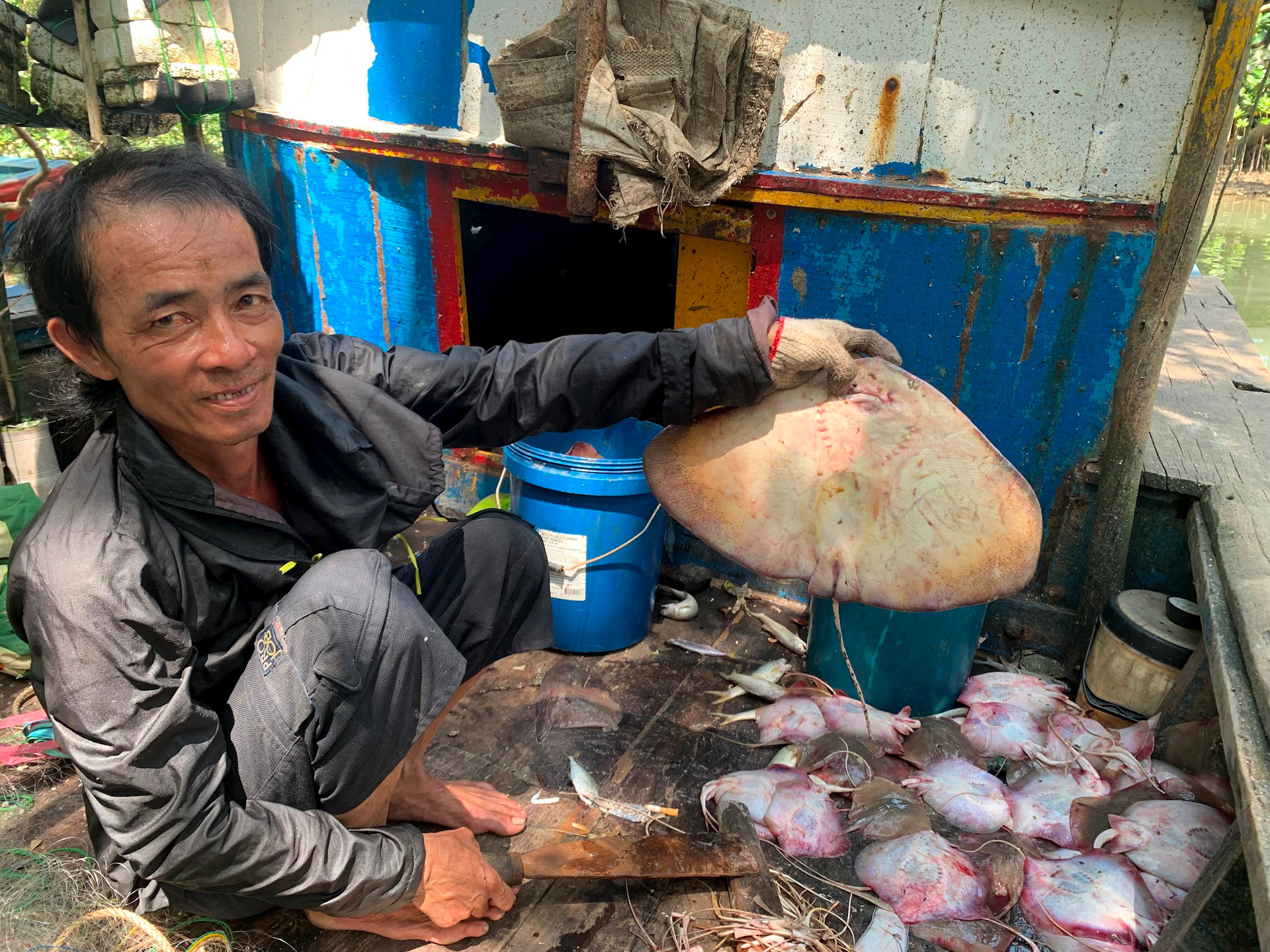
“Let’s not be ungrateful or cruel to the sea, brother! However we treat the sea, it will retaliate in kind. Sometimes it will be a hundred, even a thousand times more ferocious,” Loan mused, his philosophy echoing. He provided concrete examples to illustrate this point. He explained that if fishermen overfish any type of seafood during its breeding season, leaving no one alive, big or small, then the following fishing season, even after a month of fishing and casting countless nets, not a single fish will be caught. That’s the “retribution” that the sea and nature inflict upon humanity!
Therefore, to live and sustainably connect with the sea, fishermen at Dong Lanh fishing port almost have an unspoken agreement, an unwritten belief with the ocean: they must not fish in a destructive manner. Fishing must be done outside the breeding season, and explosives that inadvertently destroy coral reefs and the seabed must be avoided. This ensures the development of plankton, maintains the food chain for marine life and small fish and shrimp, and thus nourishes and develops other species that are characteristic "products" of Can Gio sea, such as grouper, snapper, stingray, crab, and other crustaceans.
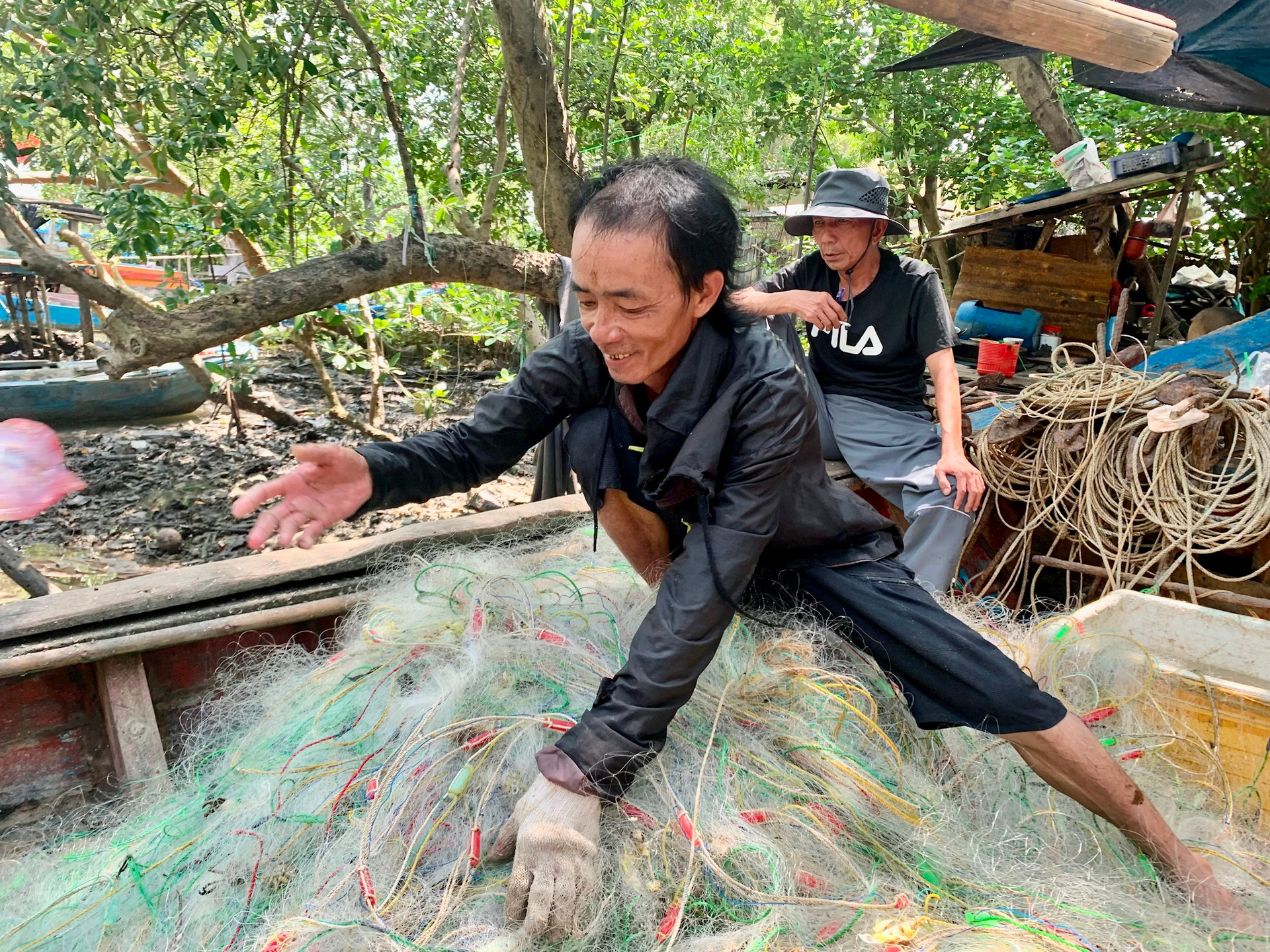
Loan's story led us to Dong Lanh harbor without us even realizing it. Sipping strong wine on the boat that had just returned from the open sea, Tai likened his life to a piece of music, with its highs and lows, its difficulties and challenges, and its sweet happiness. He himself, no matter which part of his life's journey he was on, always found moments of peace after returning from long voyages at sea, and the most peaceful of those were when he had picked up trash and avoided catching immature fish.
Protecting the sea is like protecting our shared home.
His worry is the worry of someone who understands the vastness of the sea. “The waters around Can Gio are starting to run out of seafood, but because I’m single, I’m doing reasonably well. It would be difficult for larger families. About 15 years ago, we didn’t need to go far; every time we cast our nets, we’d always bring back a boat full. If a fish got caught in the net, we’d even release it back into the sea. Each year, the crab season runs from June to September. Can Gio crabs have fatty meat, lots of roe, and their deliciousness is beyond words. On weekends, people from Saigon come here for tourism , so the crabs are very popular. When it rains and I can’t go out to sea, I even go into the Sac forest to catch mud crabs to sell,” Mr. Tai confided.
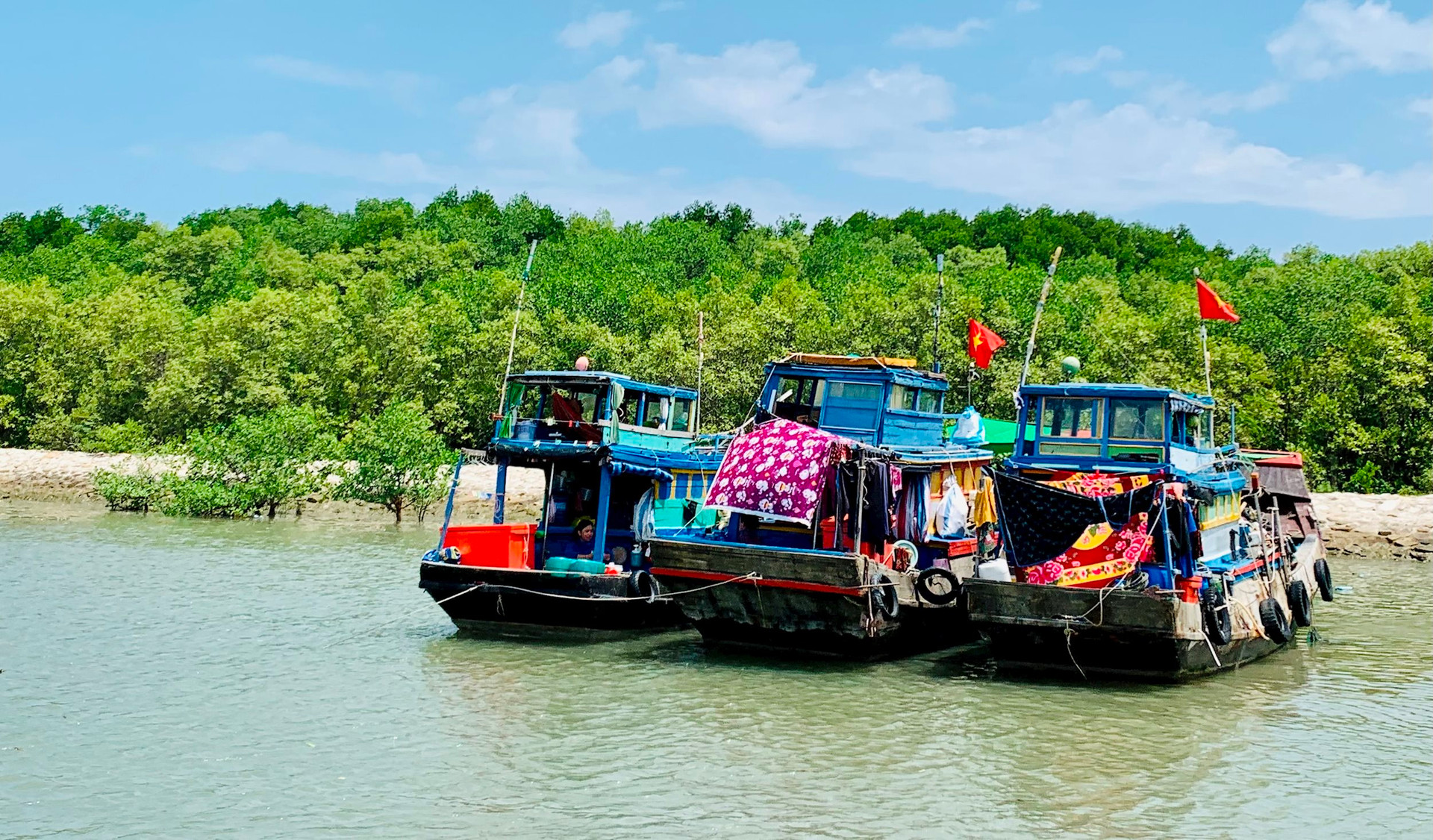
After a moment of reminiscing about the "glorious" days of the past, Mr. Tai's voice suddenly softened: "In recent years, illegal sand dredging has devastated the natural ecosystem of Can Gio sea. At one point, entire fleets of barges would lower their pipes to the seabed to dredge sand, making it impossible for fish and shrimp to come near. Whenever we fishermen spotted sand-dredging barges at sea, we would chase them away and report it to the authorities. We also carefully monitored oil spills. That oil pollution caused serious water contamination, putting the lives of fish and shrimp at great risk. But basically, that was in the past; now the marine ecosystem is stable, and the lives of the fishermen are also stable."
The seafaring profession, passed down from father to son, and difficult circumstances have left people like Mr. Tài disadvantaged because they didn't get to go to school. But this man, who considers himself a son of the sea, has surprisingly equipped himself with and updated his knowledge of preserving the ocean, speaking fluently about the harm caused by human indifference to the sea and failure to appreciate its blue color: "Plastic bottles and pieces of plastic, once they sink to the bottom, remain and damage the quality of seawater, coral reefs, and marine life for thousands of years. Not to mention the tiny pieces of plastic that fish accidentally ingest, and then the microplastic particles seep into their bloodstream... when humans eat fish, they also consume those microplastic particles; if not immediately poisoned, then slowly contaminated," Mr. Tài explained.
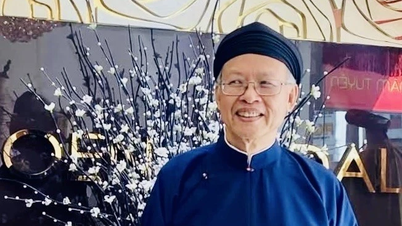
Contributing to the conversation, Mr. Ba Truyen (73 years old, residing in Dong Lanh fishing village) added: "Fortunately, for the past few years, the amount of fish and shrimp here has been stable. Just looking at the fish and shrimp, I know that the marine environment here has improved a lot. When the sea is polluted, the first harm is that the quantity and variety of seafood decrease, many species become weak, and some species leave this sea to live in other areas. This fishing port was renovated 3 years ago using a method of joint efforts between the State and the people. Therefore, fishermen protect the fishing port as if it were… 'their own property.' Around the road leading to the fishing village and the fish depot, there are surveillance cameras installed to take action when they detect littering that pollutes the environment."
As Mr. Ba Truyen had said, before meeting Mr. Tai to ask to go out to sea with him, the image that struck us was that of fishermen and warehouse owners spraying water to clean the fish port. They were reminding and keeping an eye on each other. Mr. Ba Truyen said that everyone has the right to remind others if they see them accidentally throwing trash or littering carelessly. This happened every day, gradually forming a habit of keeping the fish port environment clean and fragrant.
It's not just on land, but at sea too. Tài's efforts to collect floating trash in his fishing grounds have quietly spread to his fellow fishermen in the area. Initially, a few people secretly bought nets and bags to collect trash while casting their nets. Then, this action spread from one fishing boat to another, and gradually spread to the entire seafood exploitation cooperative without anyone realizing it.
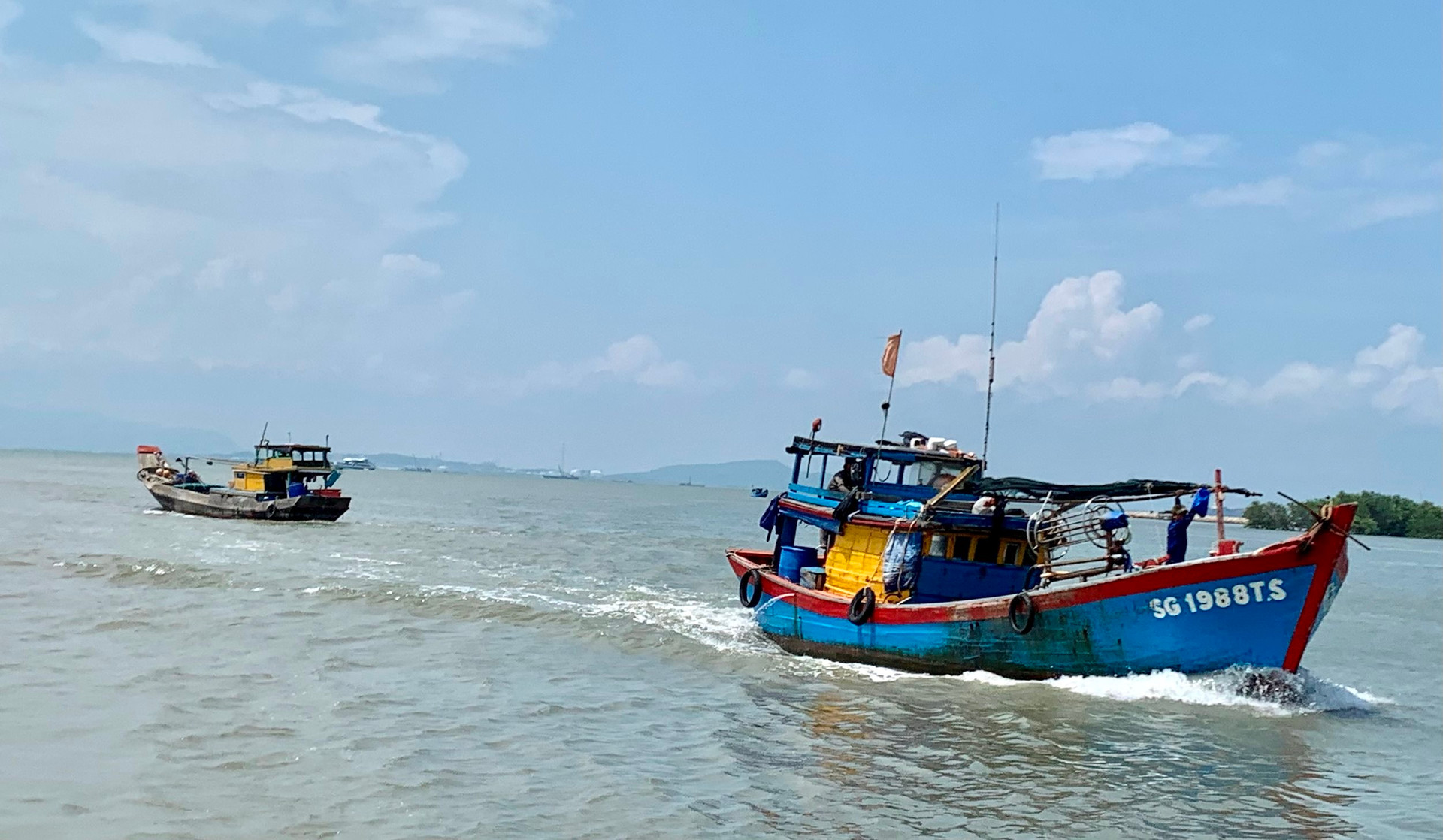
Pointing to the fishing boats in the distance, Mr. Tai recounted: "Look, those boats all have fishermen with nets to collect plastic waste and empty cans, just like me. In the waters surrounding Can Gio, you can even see boats towing a small boat that's solely dedicated to collecting trash. After their boats drop anchor and cast their nets, they go down to the small boat and circle around looking for... trash."

As if to add more depth to the story about trash, fisherman Nam Mu (47 years old) further elaborated: "Like at our Long Hoa fishing port, about 200 fishing boats here have, for some time now, been equipped with nets and bags to collect all kinds of plastic waste and cans from all the sea areas their boats patrol."
Interestingly, from everyday activities repeated over and over, the community gradually forms a habit of interacting with the sea, which becomes a maritime culture. Within this culture, the philosophy of the symbiotic relationship between humans and nature, which has existed for millennia, is clearly evident.
Lesson 3: Swallows "carrying"... spring
Source










![[Photo] Prime Minister Pham Minh Chinh receives the Chinese Ambassador to Vietnam](https://vphoto.vietnam.vn/thumb/1200x675/vietnam/resource/IMAGE/2026/04/05/1775397481797_ndo_br_dsc-5512-jpg.webp)
























































Comment (0)