My father has high blood pressure and has recently been experiencing frequent insomnia. If this condition persists, is there a risk of stroke? (Như Quỳnh, Đồng Nai )
Reply:
Your father has several risk factors for stroke.
Firstly, age is a factor; older people are more susceptible to stroke than younger people. Secondly, men generally have a higher rate of stroke than women. Thirdly, high blood pressure also leads to a higher risk of stroke.
Insomnia doesn't directly cause stroke, but sleep disorders can worsen existing risk factors or introduce new ones, potentially leading to stroke.



Your father needs to take measures to control his blood pressure, along with appropriate solutions to improve his sleep quality.
Insomnia in older adults can stem from anxiety and depression. Numerous studies have shown that older adults are generally at a higher risk of anxiety and depression disorders than younger people.
Insomnia can also be related to other medical conditions or problems in the body such as neurological diseases, musculoskeletal disorders, digestive, urinary, and cardiovascular diseases. In these cases, the patient needs to have a brain scan or combine it with ultrasound and other tests.
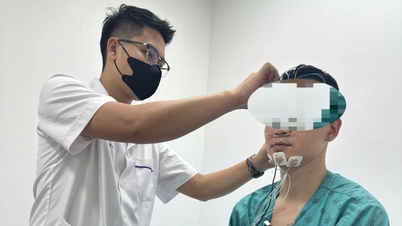
Currently, polysomnography, a method that provides parameters based on the physiological functions of sleep in the human body, contributes to the diagnosis of many neurological diseases that cause sleep disorders.
In polysomnography, through multiple electrodes placed in the correct positions on the patient's body, the device can automatically collect comprehensive parameters such as brain activity, eye movements, heart rate, leg movements, airflow, breathing movements, oxygen saturation, etc. This allows doctors to assess all aspects of sleep and identify the causes of sleep disorders in patients.
You should take your father to see a doctor so they can find the cause and provide appropriate treatment. They may prescribe medication for a short period to help him sleep better, recover, and return to his normal physiological state. Afterward, any related medical conditions, if present, should be treated.



Dr. Le Van Tuan
Director of the Neuroscience Center, Tam Anh General Hospital, Ho Chi Minh City
| Readers can ask questions about neurological disorders here to receive answers from doctors. |
Source link