

Y Tý has long been famous for its cold climate, high humidity year-round, and unique high-altitude mountain ecosystem. These natural conditions create a suitable environment for many types of moss to thrive, including sphagnum moss – a commonly used substrate in orchid cultivation due to its ability to retain moisture and nutrients, and its high durability. Particularly in the Mò Phú Chải village area, sphagnum moss grows quite well thanks to the unique soil and climate conditions not found in every locality.
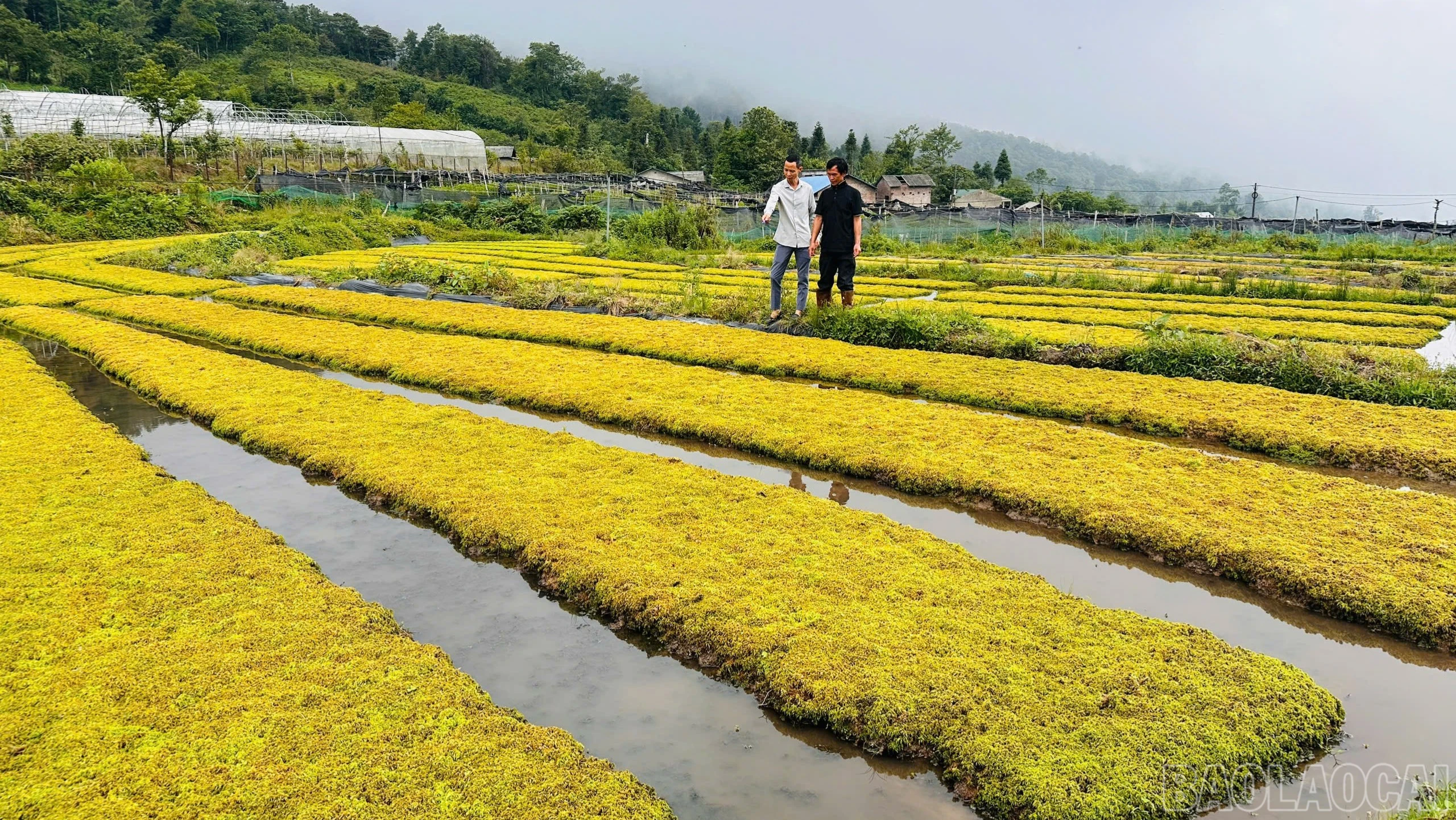
Previously, Nguyen Van Hung (from Hai Phong , with over 12 years of experience) relied entirely on imported orchid growing media from Chile and China. During the Covid-19 pandemic, the scarcity of supply prompted him to seek a more domestic source of materials. From 2020, he traveled extensively through mountainous regions such as Ha Giang and Lai Chau to conduct surveys before settling in Y Ty in 2022. It was there, recognizing the unique local climate and soil conditions, that he began developing a model for growing moss to replace imported products.
According to Mr. Hung, ground moss grows naturally scattered along the edges of rice fields and in damp areas in Mo Phu Chai village, but in very small quantities, and is short and sparse. Starting with an experimental area of about 500 m² , he proceeded to preserve, care for, and gradually expand the area of suitable agricultural land. Through many seasons of care, harvesting, and then preserving and regenerating the species, the area of ground moss cultivation has now expanded to about 4 hectares.
"The biggest advantage is that the climate and humidity in Y Tý are very suitable for moss growth. The model mainly utilizes the available natural conditions to cultivate and expand the moss on cultivated land, creating a stable source of raw materials instead of depending on imports," Hung shared.
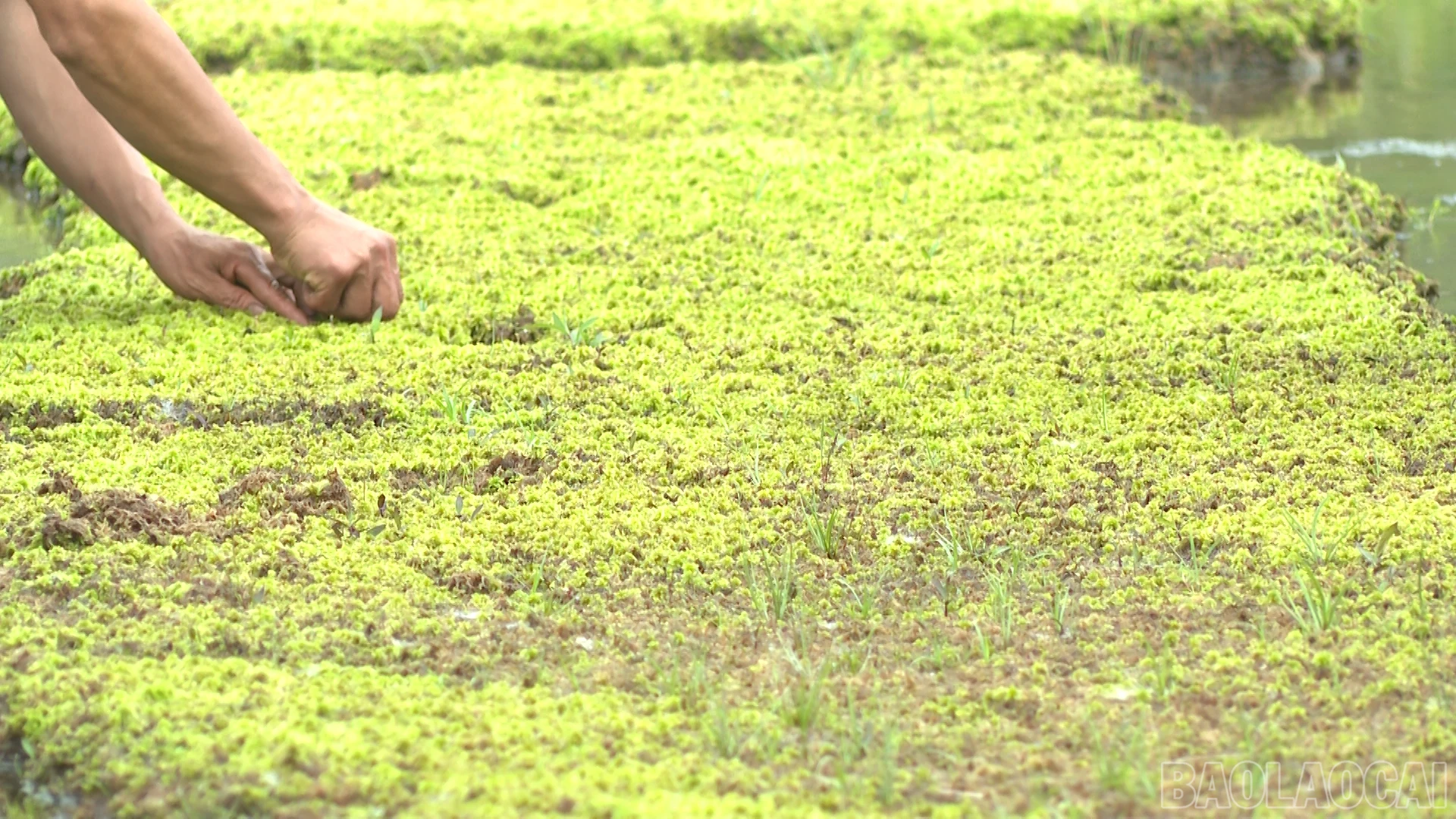
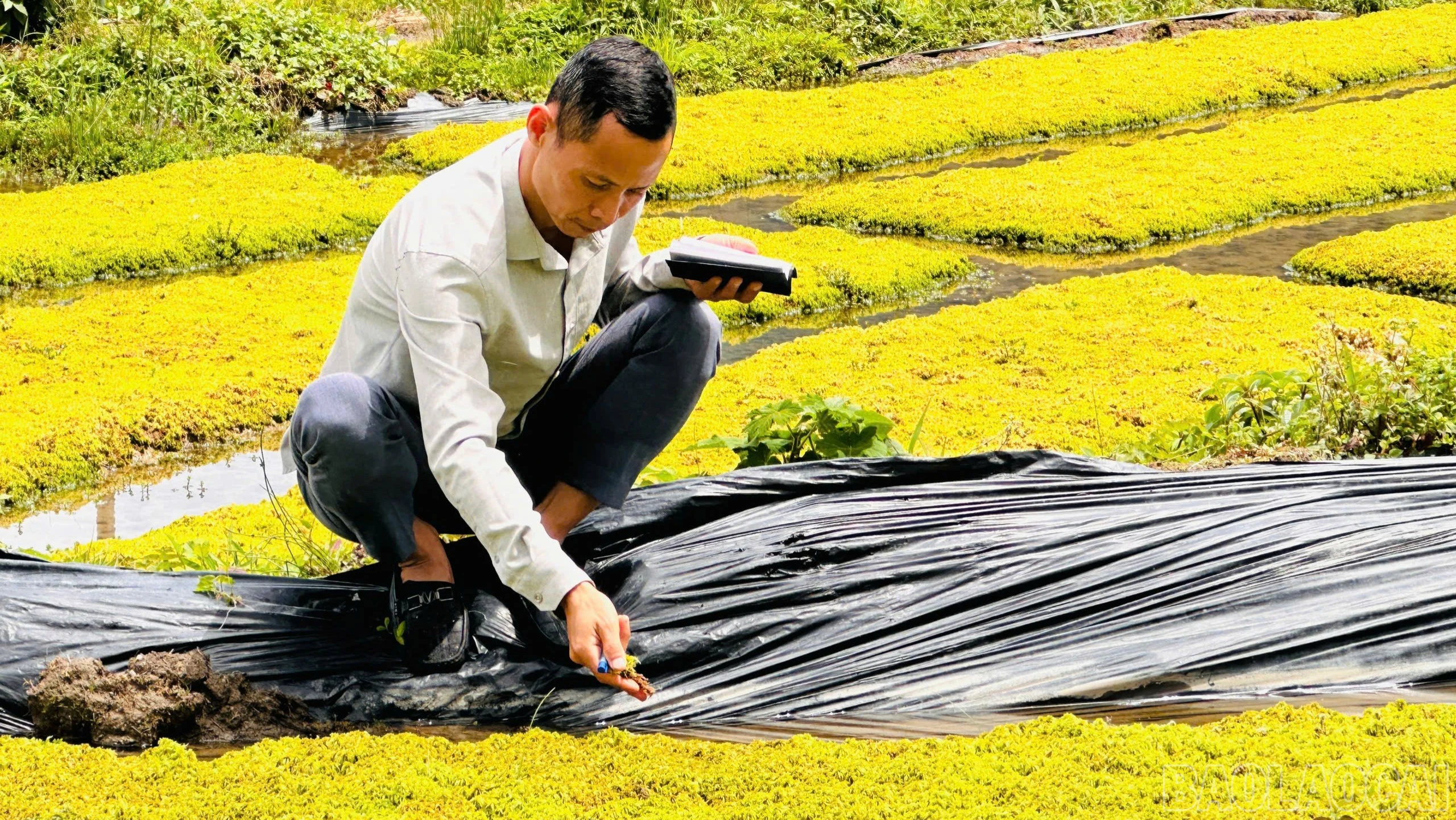
However, the implementation process was not easy. The biggest challenge was the strong growth of weeds in the high-humidity environment, making maintenance labor-intensive. In addition, the long growth cycle and high dependence on weather conditions meant the model required a stable and long-term investment.
According to Mr. Hung, it takes about one and a half to two years from planting to harvesting. After harvesting, the moss is naturally dried and then compressed into bales for convenient transportation. The current price of dried moss ranges from 70,000 to 80,000 VND per kilogram.
Compared to traditional substrates like coconut fiber, sphagnum moss has the advantage of retaining water and nutrients better, is less prone to decomposition, and is suitable for orchids and many other high-value ornamental plants. The domestic demand for sphagnum moss is growing, while the majority of the supply still depends on imports. This is seen as a promising opportunity to develop Y Tý sphagnum moss as a commercial product.
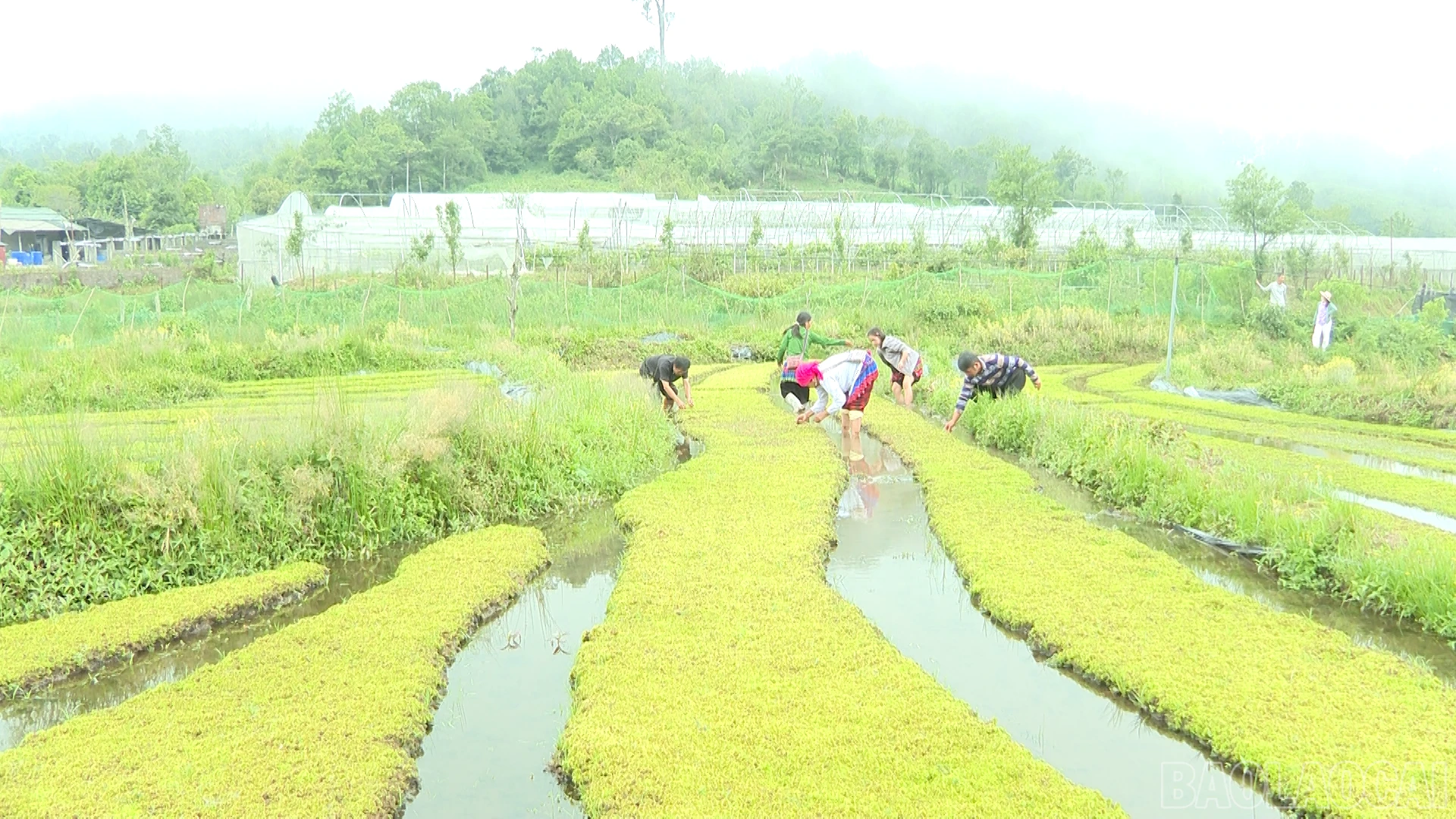
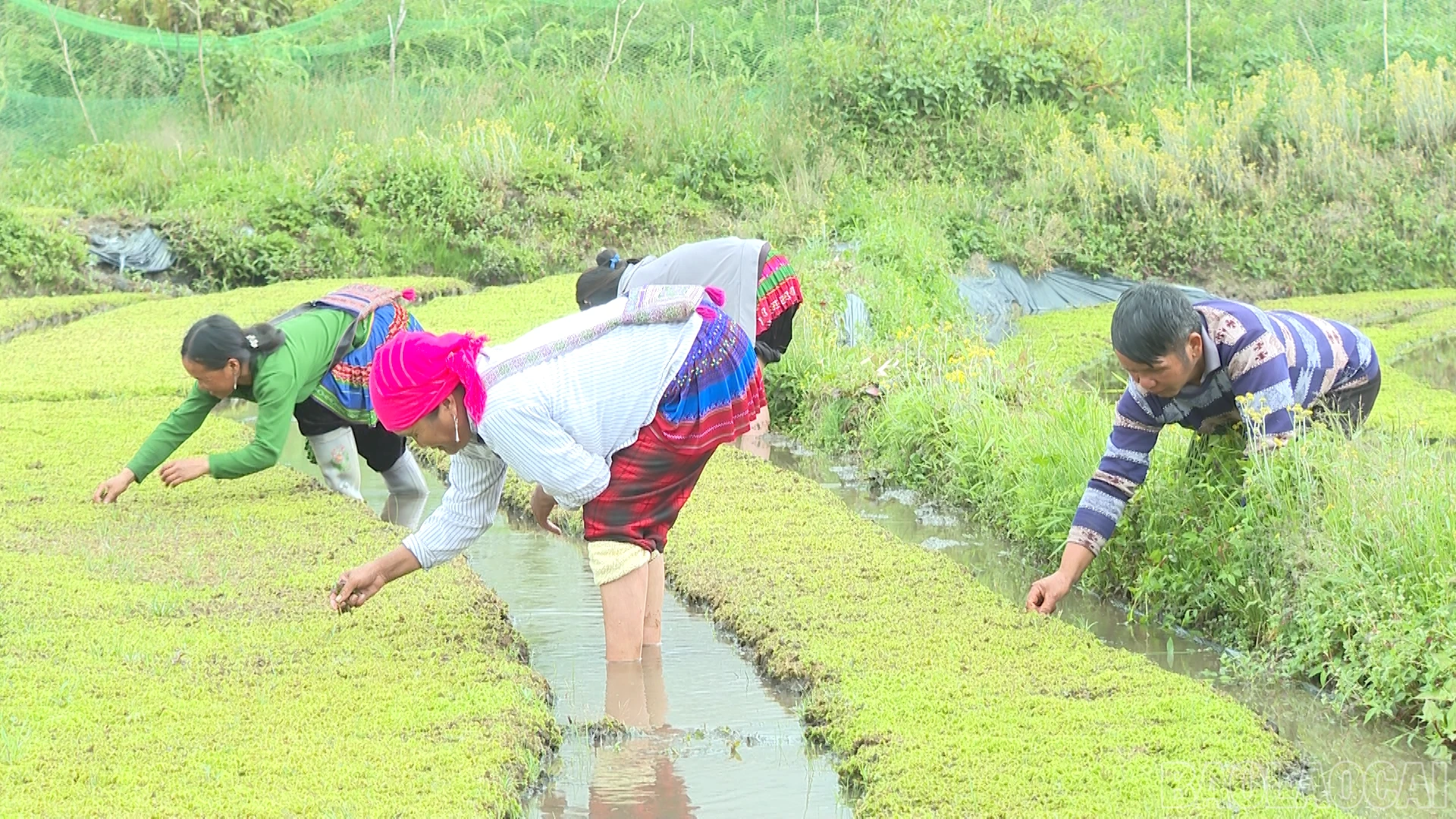
With its expanded scale to over 4 hectares, the model has created stable year-round employment for dozens of local workers thanks to the continuous care, propagation, and preservation of the moss species. In addition, during peak harvesting or processing seasons, the moss garden provides seasonal employment for nearly 100 workers, mainly from the communes of Y Tý and Dền Sáng.
Mr. Hau A Gi (Mo Phu Chai village, Y Ty commune) shared that previously, many rice fields in this area could only be cultivated for one low-yield rice crop. Now, thanks to both renting out land and directly participating in the moss cultivation area, people have a higher income than before. Depending on the time and job location, people's income can range from 200,000 to 400,000 VND per day per person.
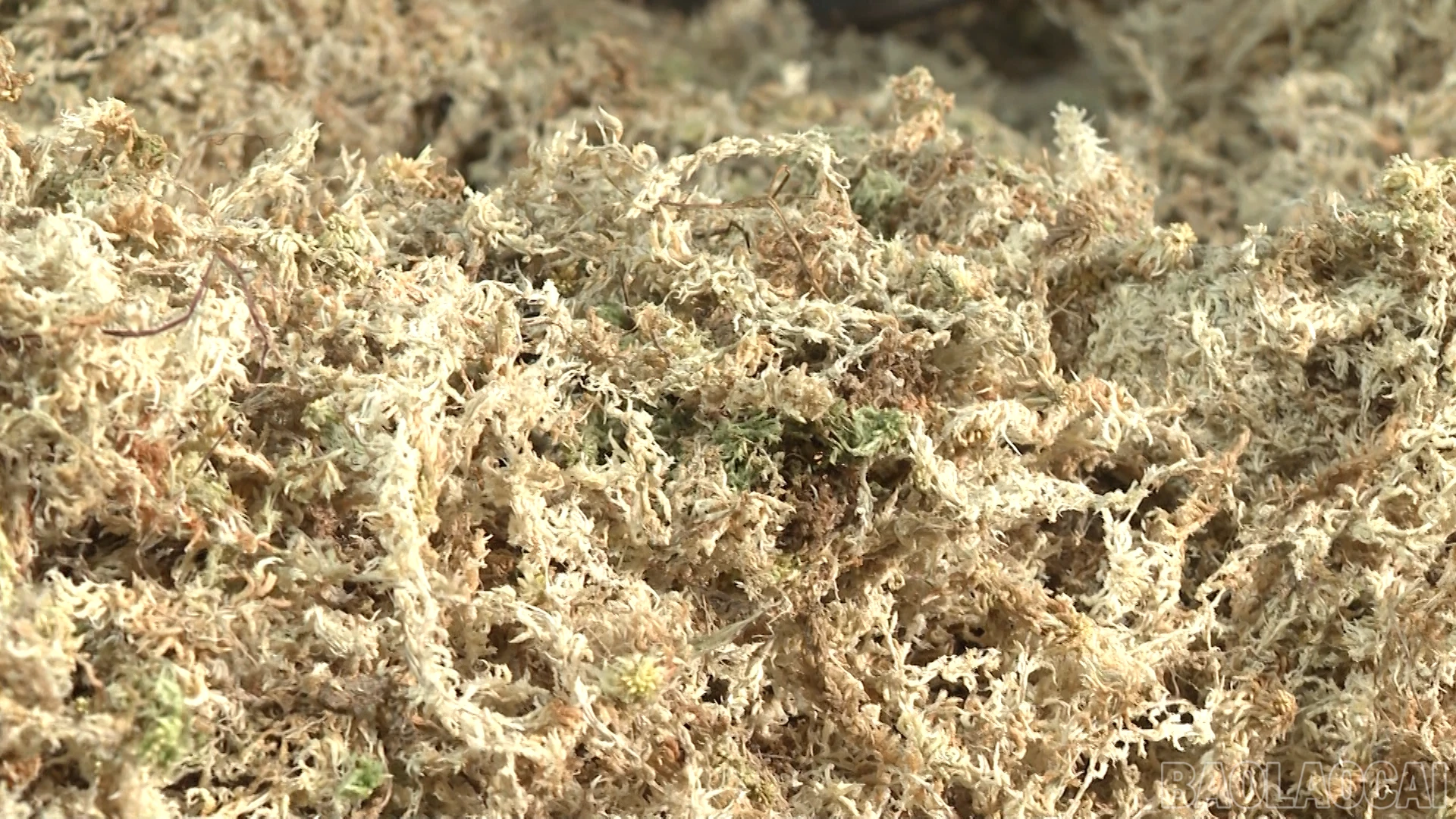
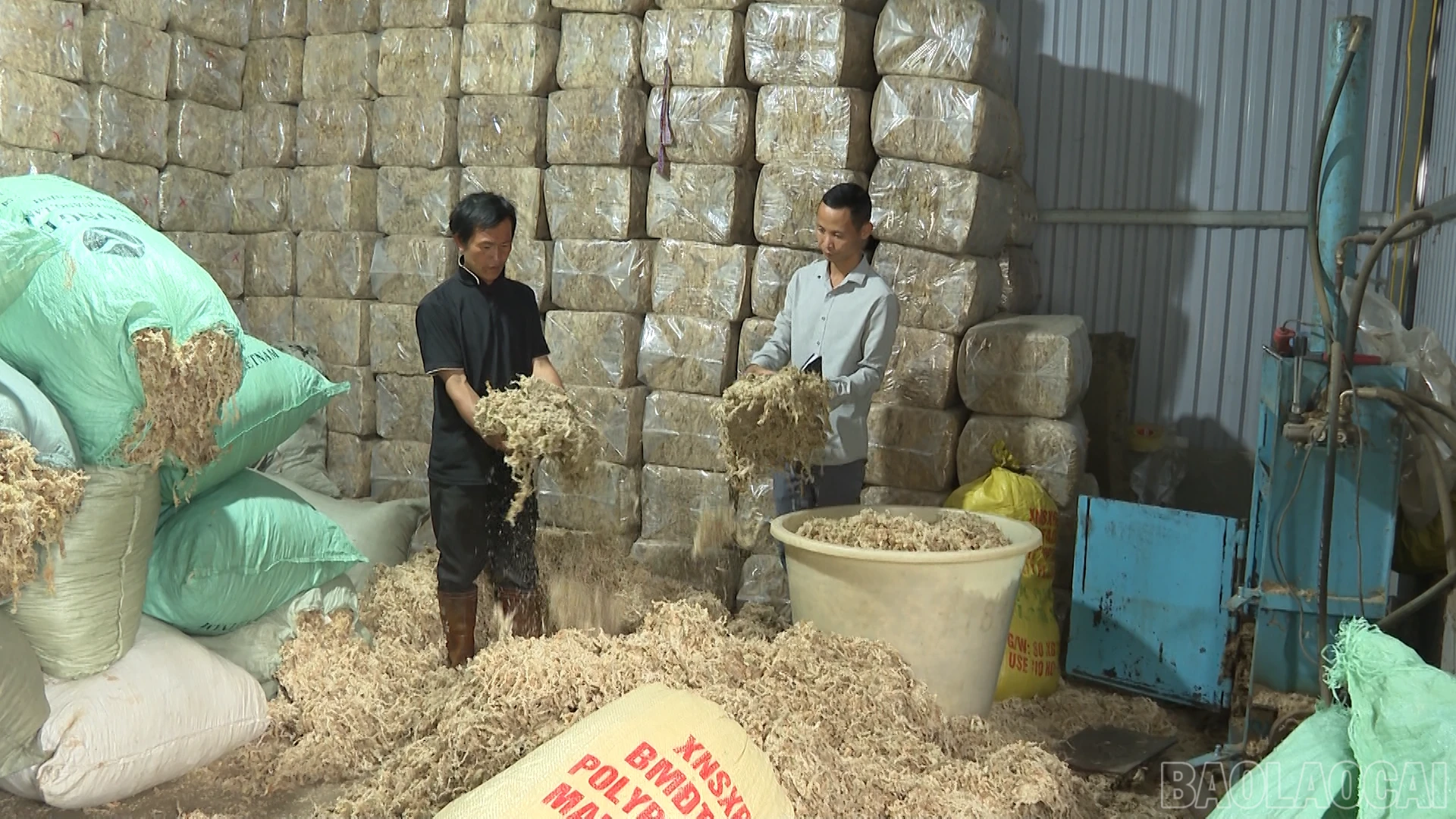
Despite its great potential, maintaining this model requires significant investment; labor costs for harvesting and processing alone amount to over 100 million VND. Due to the long production cycle and heavy reliance on weather conditions, the model is currently in the stage of stabilizing production while simultaneously accumulating experience.
In the long term, Mr. Hung hopes to increase production to target larger markets such as Japan and Taiwan. However, the immediate goal remains to meet domestic demand.
Evaluating the model, Mr. Lo A Sinh, Vice Chairman of the People's Committee of Y Ty commune, affirmed that the locality has advantages in climate and soil for developing moss cultivation. This is a breakthrough direction in transforming the crop structure, helping to increase income for local ethnic minorities.
"However, for sustainable development, the challenge is to have appropriate management, guidance, and commitment to product output. In the coming time, the local government will continue to closely monitor and evaluate the effectiveness of the model to provide solutions to support long-term development," Mr. Sinh added.
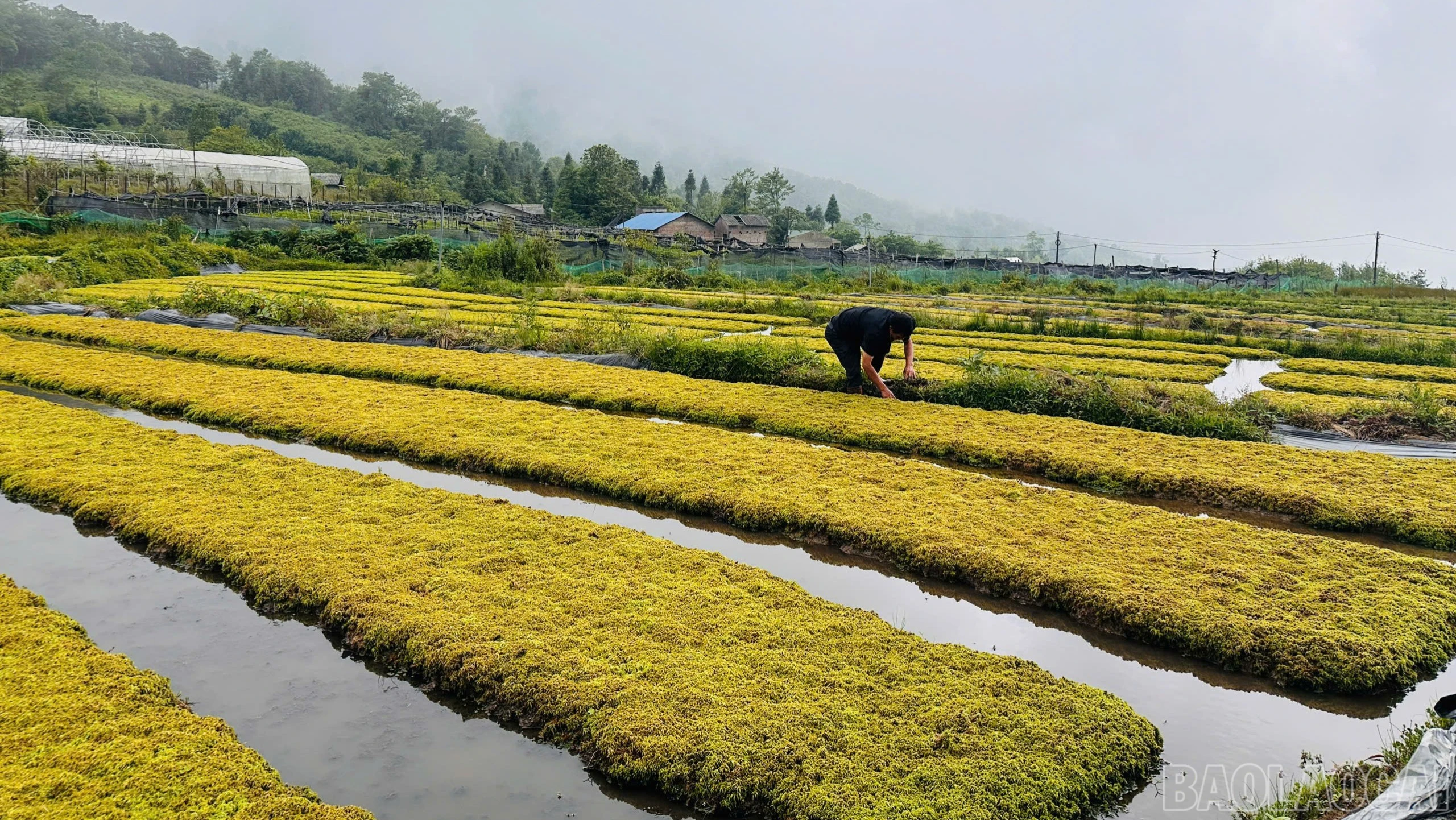
Amidst the vast forests of Y Tý, the green of the moss today is not simply a native plant, but a symbol of change and the aspiration to prosper from the potential of the homeland. From unproductive single-crop rice fields, a new direction is emerging, opening up new livelihoods for people in this remote border region. In the not-too-distant future, when Y Tý-branded moss reaches international markets, highland agriculture will officially embark on a new and promising journey.
Source: https://baolaocai.vn/mau-xanh-moi-tren-non-cao-y-ty-post899891.html










































































Comment (0)