

In the final days of May 2026, at the detention centers under the Dong Nai City Police, preparations for the amnesty were underway with urgency and seriousness. Education , propaganda, and application review were implemented simultaneously to help eligible inmates return to their families and communities as soon as possible.
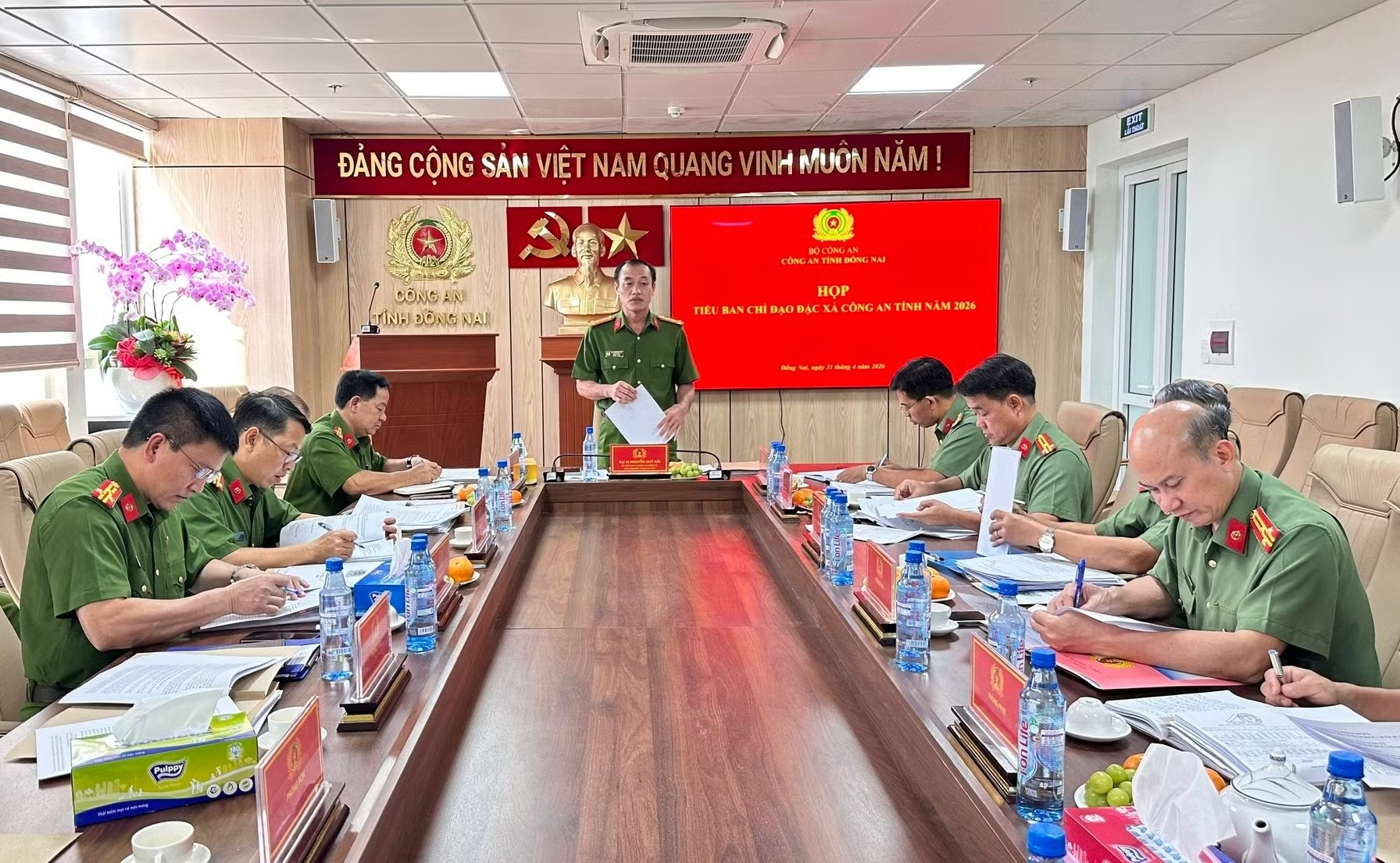
At Detention Center No. 1, officers and soldiers are focusing on reviewing files and completing the necessary conditions to announce the President 's amnesty decision for eligible prisoners. Simultaneously, a series of legal education, psychological counseling, and career guidance activities are being continuously organized to help prisoners prepare mentally for their return home.
Through study sessions, group activities, and the internal broadcasting system, inmates are fully informed about regulations related to pardons, as well as the rights and obligations of those considered for pardons. The transparency of the conditions and criteria for pardon consideration has contributed to improved compliance with regulations and motivated many inmates to strive for better rehabilitation.
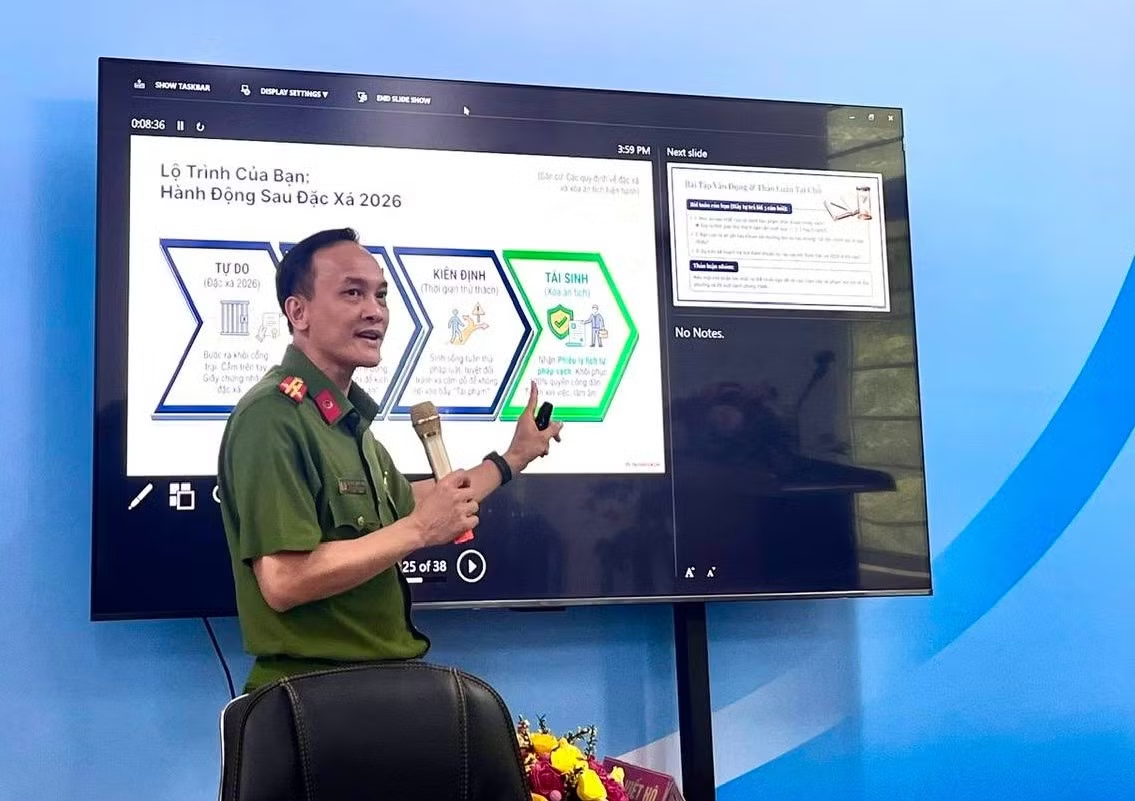
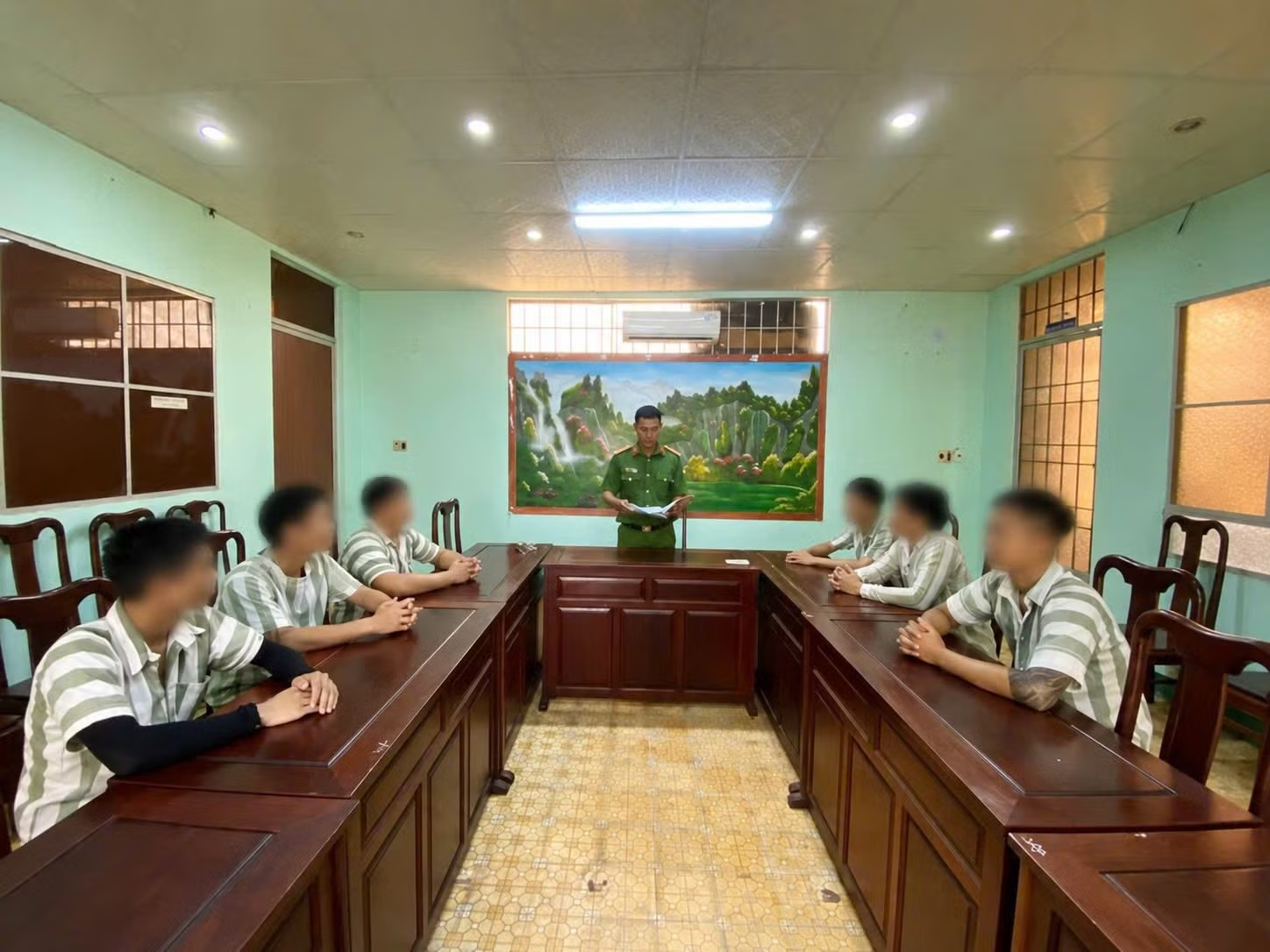
Civic education classes, legal education classes, life skills classes, and job-seeking skills classes are regularly organized. Many inmates, after receiving counseling, have proactively developed plans for the future, determined to leave their past mistakes behind and become useful members of society.
A correctional officer at Detention Center No. 1 stated that the most important thing is not only to help inmates complete their sentences but also to equip them with sufficient knowledge, skills, and confidence to avoid re-offending after returning to their communities. Therefore, correctional officers regularly meet with, encourage, and understand the thoughts and aspirations of each inmate in order to promptly address difficulties and stabilize their mindset.
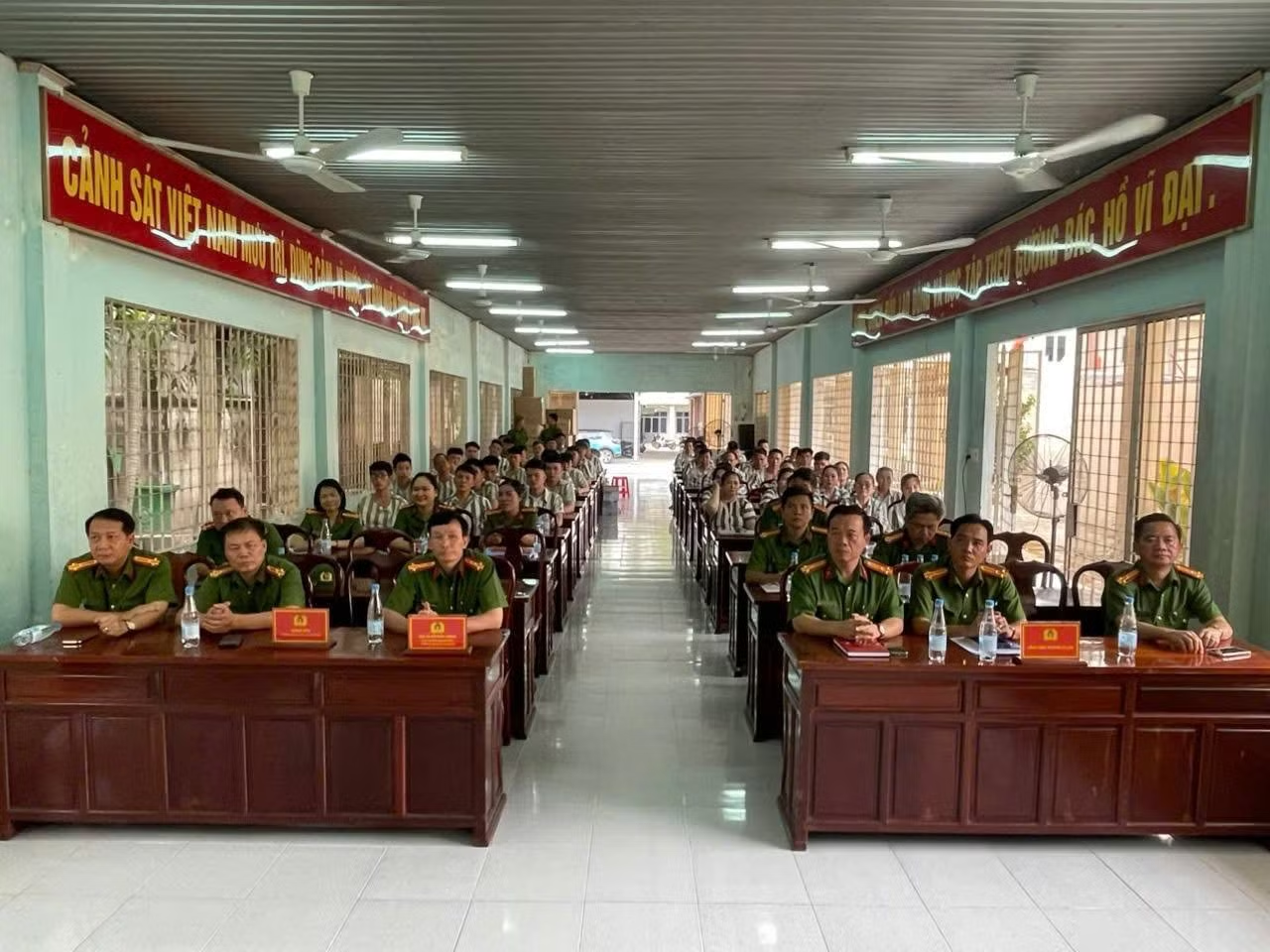
Alongside preparing pardon applications, the units are also stepping up efforts to disseminate legal information to inmates.
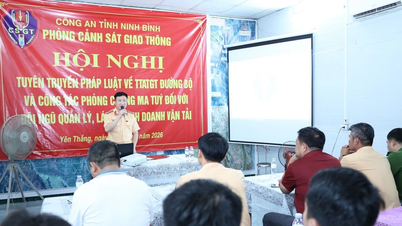
On May 21, 2026, Detention Center No. 1, in coordination with the Department of Criminal Enforcement, People's Police University, organized a legal education and awareness program for inmates serving sentences. Speakers disseminated important information on topics such as regulations on recidivism, dangerous recidivism, expungement of criminal records, responsibilities to family and society, skills for overcoming difficulties, and skills for finding employment after serving prison sentences.
The awareness sessions were no longer rigid but transformed into conversations between police officers and inmates. The inmates listened attentively, their eyes filled with hope for the day they would return home.
At the end of the awareness session, the inmates expressed their emotion and determination to correct their mistakes. Some said they would return home to care for their elderly parents, while others planned to learn a trade to open a car repair shop, work as laborers, or drive for ride-hailing services. Their common goal was to rebuild their lives and become useful members of their families and society.
At the Binh Phuoc Detention Center, legal education and awareness conferences are regularly held to enhance legal awareness and prevent recidivism among those serving prison sentences and those nearing completion. Speakers disseminated information on various topics related to the Criminal Code, criminal responsibility, the State's leniency policy, regulations on conditional early release, expungement of criminal records, civil compensation, and obligations to comply with supplementary penalties. This helped inmates better understand the legal consequences of their crimes and deepen their awareness of their responsibilities to their families and society.
The process of reviewing pardons is being carried out by the Dong Nai City Police with a spirit of fairness, objectivity, and adherence to the law. On April 17, 2026, the Pardon Review Council of Detention Center No. 1 held a meeting to review the files of inmates serving sentences at the center. At the meeting, Lieutenant Colonel Do Khac Hong, Superintendent of Detention Center No. 1, instructed the council members to follow the correct procedures, ensuring democracy and objectivity, and preventing errors or the omission of eligible individuals. The files were thoroughly reviewed based on the inmate's rehabilitation process, compliance with regulations, labor and study results, and level of progress.
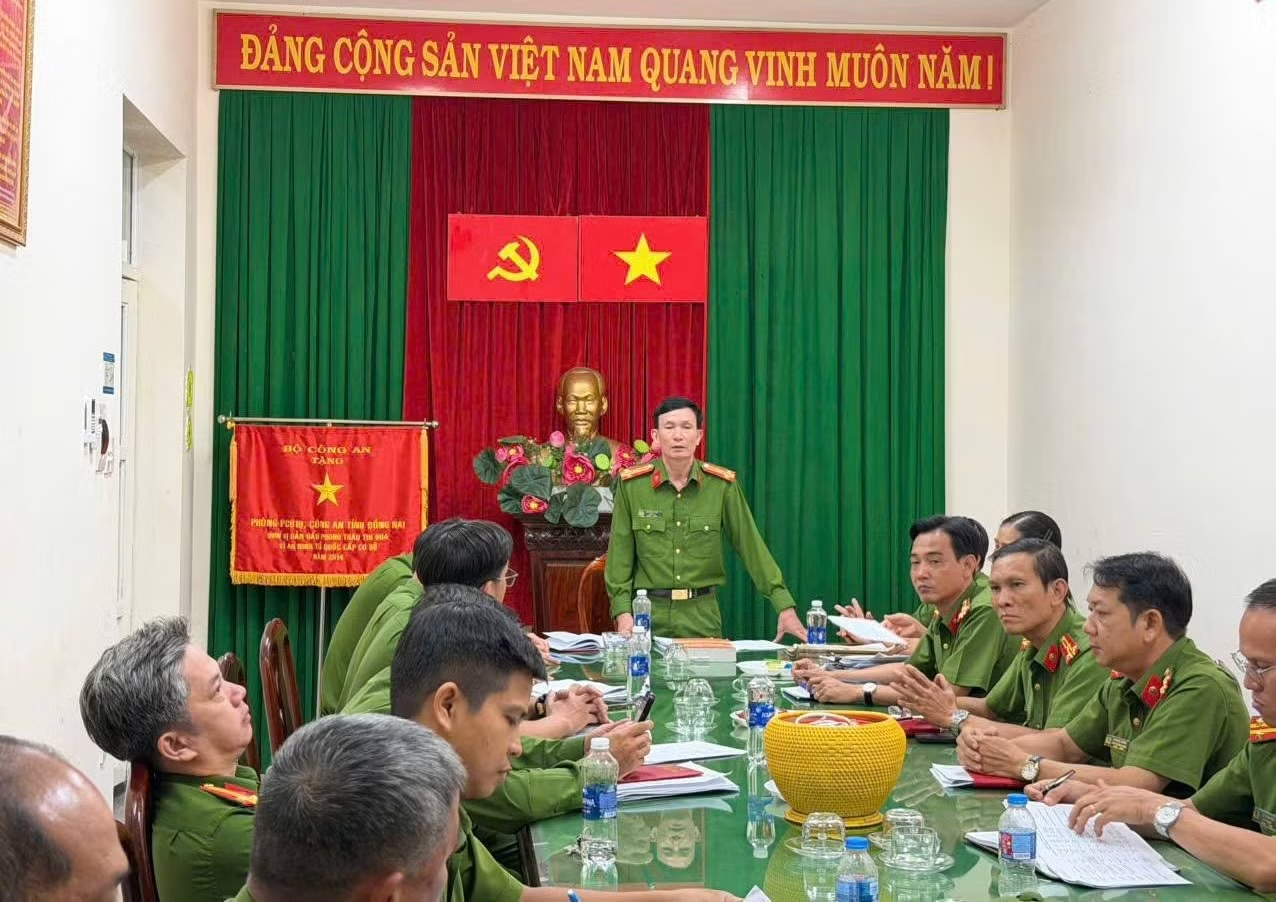
That serious atmosphere also prevailed at Long Thanh Detention Center, Hang Gon Detention Center, Tan Trieu Detention Center, etc., as these units simultaneously held conferences to implement Decision No. 457/QD-CTN of the President on amnesty in 2026. At these conferences, correctional officers specifically explained the conditions and criteria for amnesty consideration, the cases that do not meet the criteria, and the responsibilities of prisoners during the rehabilitation process.
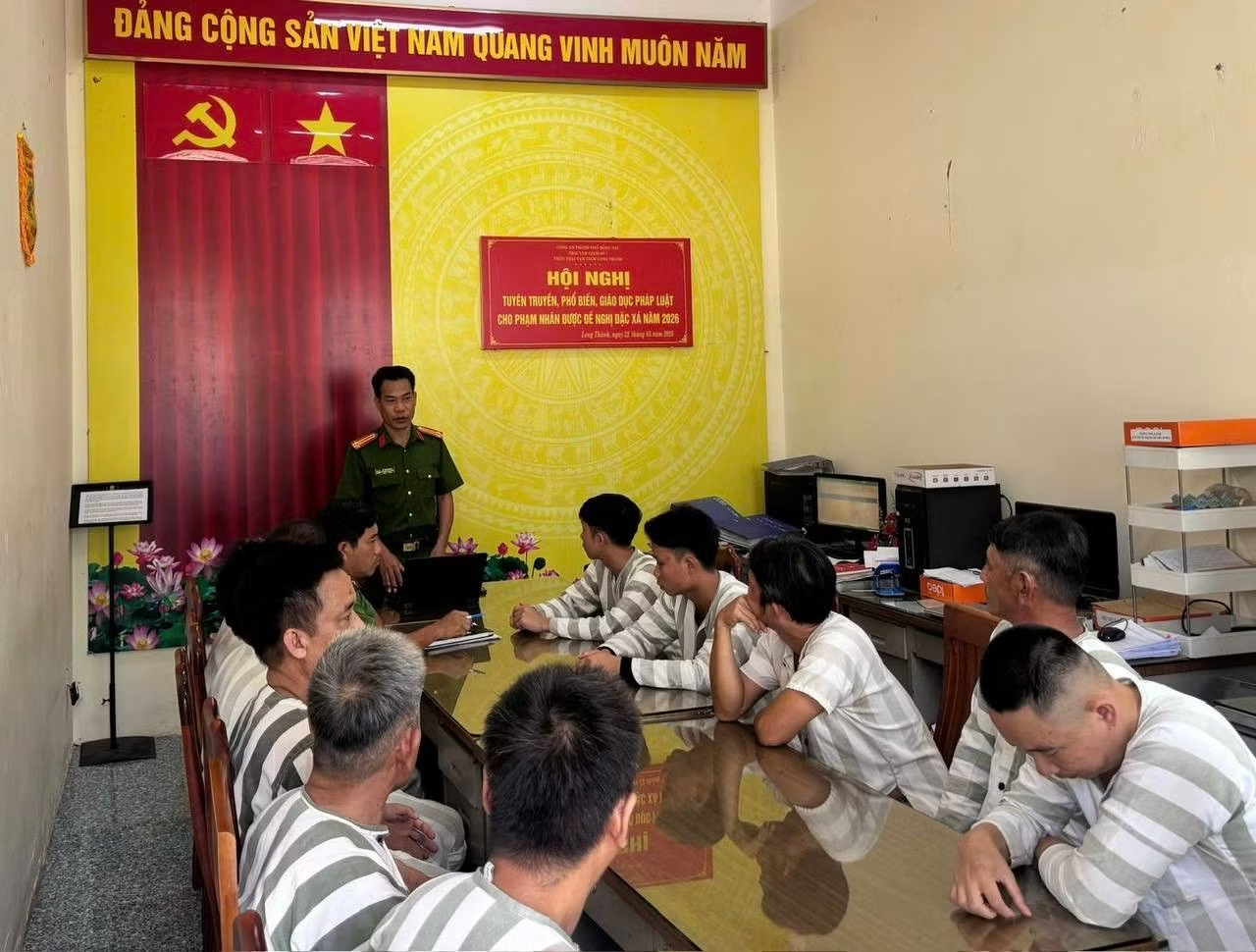
Major Vo Thanh Cong, Deputy Head of Tan Trieu Detention Center, emphasized that the 2026 amnesty is not only an important political and legal event but also a journey that provides a "second chance" for those who have made mistakes and repented. The implementation of the amnesty must ensure transparency, legality, and create motivation for prisoners to continue striving for good rehabilitation.
Following the conference, many inmates expressed their enthusiasm and confidence in the lenient policies of the Party and the State, pledging to strictly abide by the regulations and actively study and work in order to soon meet the conditions for consideration for amnesty.
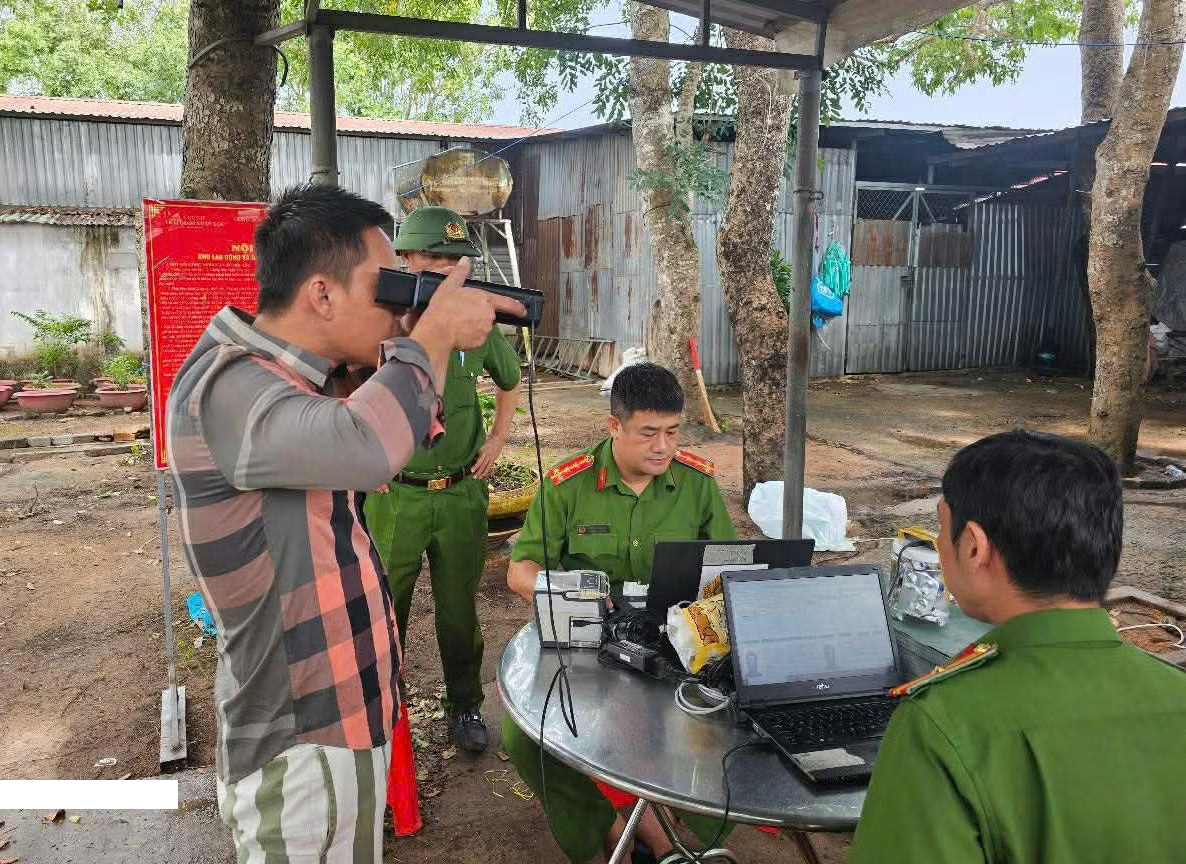
Notably, support for community reintegration has been implemented quite comprehensively. In addition to career counseling and job placement, units also coordinate the issuance of citizen identification cards to inmates eligible for amnesty, aiming to shorten the time required to complete paperwork and create favorable conditions for their return.
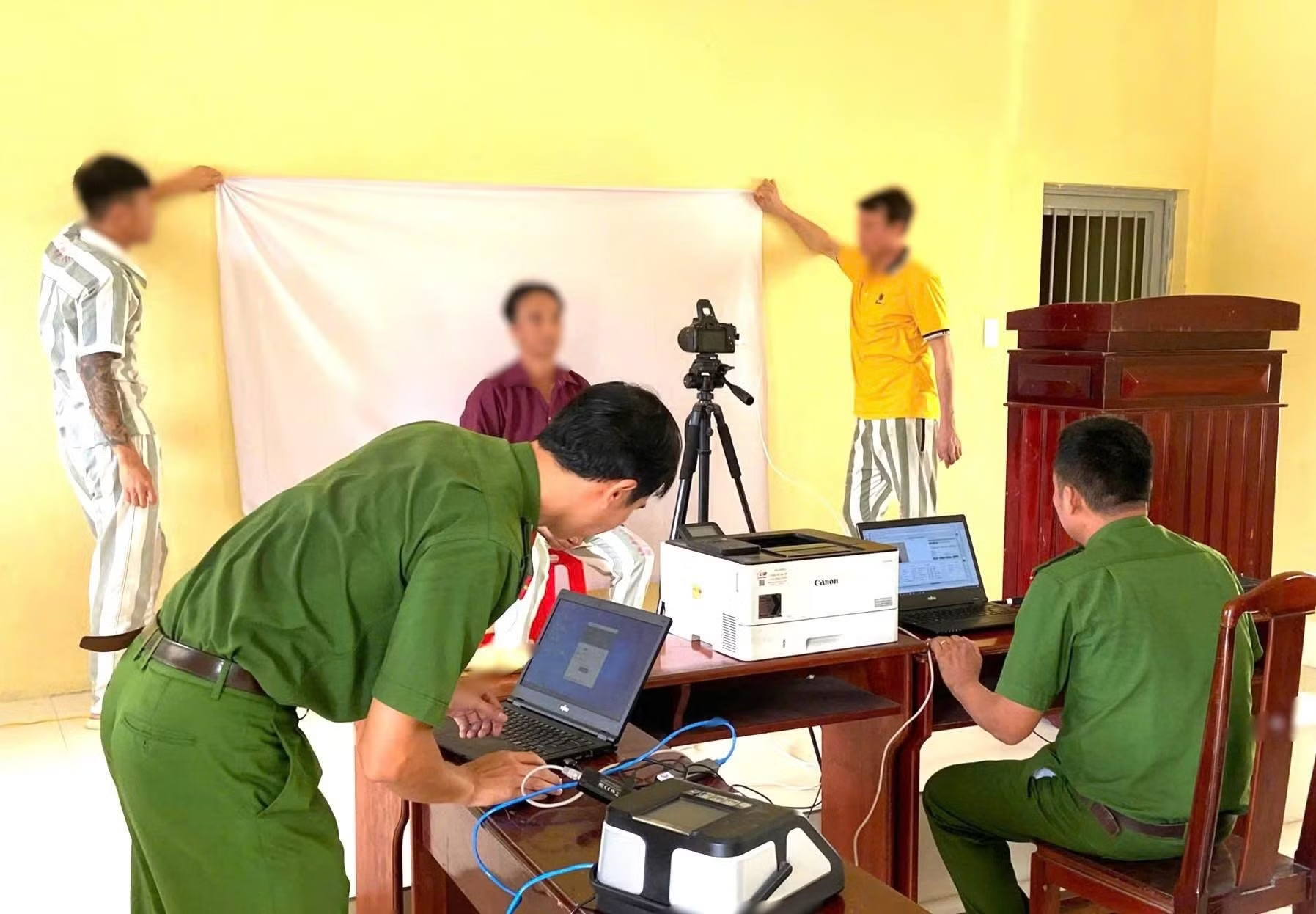
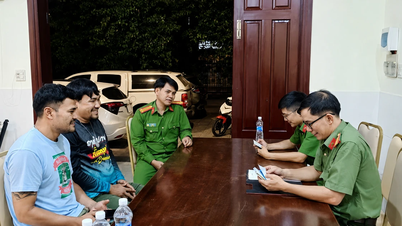
On May 20, 2026, Detention Center No. 2, in coordination with the Nha Bich Commune Police, organized the collection of documents and issuance of identity cards to 14 inmates who met the criteria for amnesty. From guiding them through the information declaration process, taking photos, collecting fingerprints, to completing the procedures, everything was carried out meticulously, quickly, and in accordance with regulations.
According to officials at Detention Center No. 2, the identity card is not only a personal document but also the "first ticket" that helps those granted amnesty to easily register their residence, find employment, and stabilize their lives after serving their prison sentences.
In addition to focusing on the amnesty process, the Dong Nai City Police also strengthened inspection and supervision of detention management, ensuring security and safety of detention facilities and fully implementing policies and regulations for detainees.
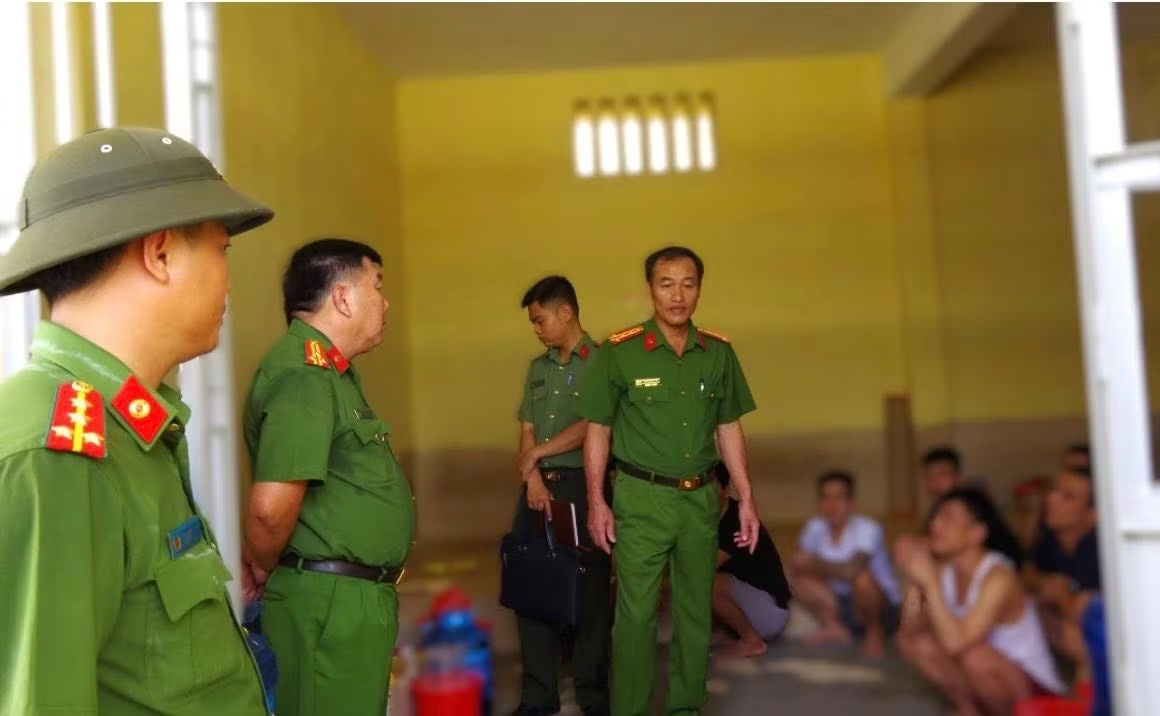
During an inspection at Detention Center No. 2 on May 20, 2026, Colonel Nguyen Huy Hai, Deputy Director of the Dong Nai City Police, personally surveyed the detention cells, security surveillance system, and medical area, and met with and inquired about the living conditions and health of the detainees. He requested that correctional officers regularly monitor the psychological and ideological development of the inmates to implement appropriate management and educational measures; ensuring full medical care, examinations, treatment, and the legal rights of those detained. According to Colonel Nguyen Huy Hai, detention management must go hand in hand with education and rehabilitation, helping inmates stabilize their psychology and feel secure in their rehabilitation so that they can reintegrate into the community.

In addition, the inter-agency meeting of the People's Court, the People's Procuracy, and the Police Department of Dong Nai City also held a meeting to review and assess the conditional early release applications of eligible prisoners. The review process was conducted seriously and objectively, based on the actual rehabilitation results of each prisoner. This further affirms the lenient and humane policy of the Party and the State, while also creating motivation for prisoners to actively improve their rehabilitation.
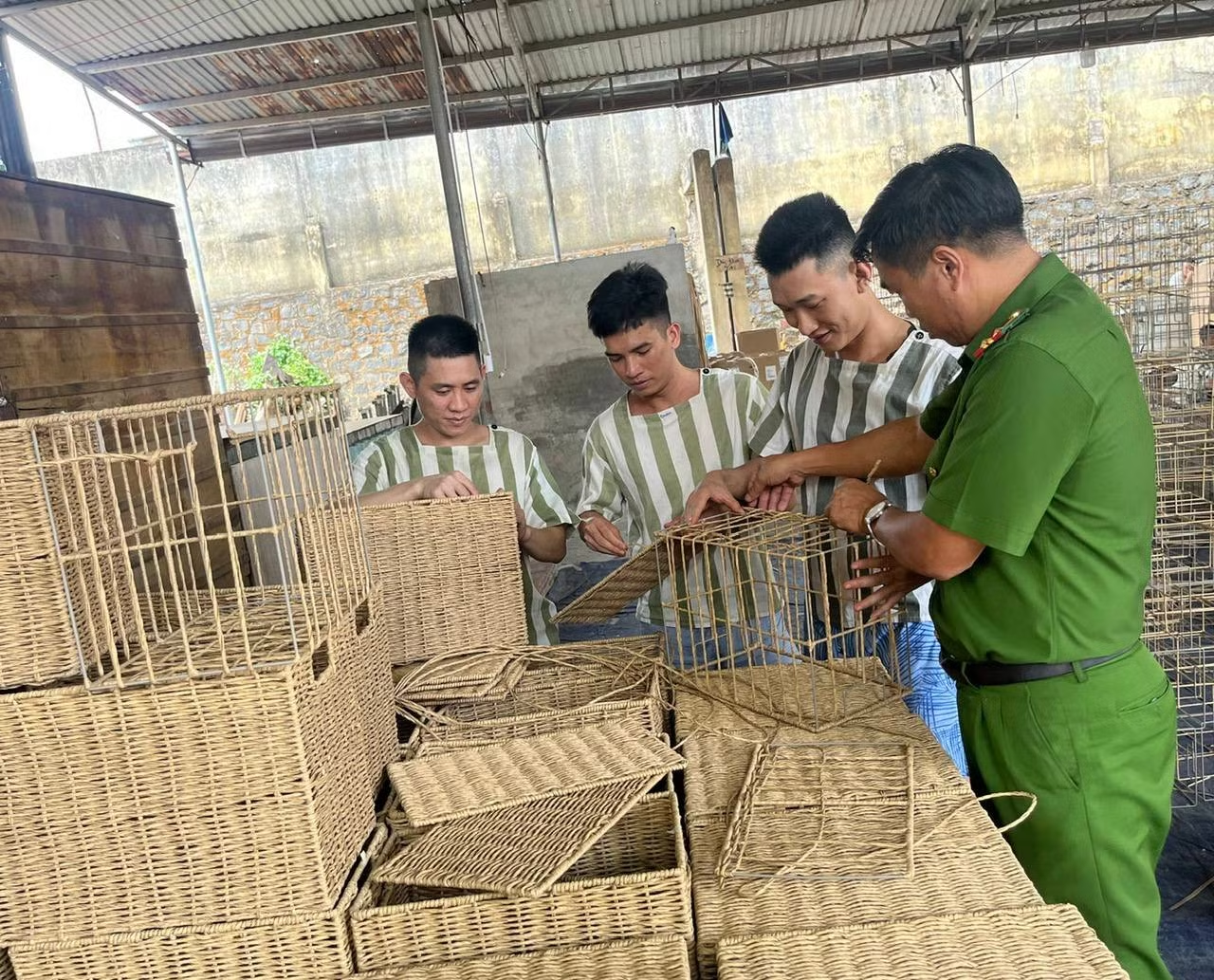
It is clear that the preparations for the 2026 amnesty at detention centers under the Dong Nai City Police Department are not simply about completing legal procedures for the announcement of the amnesty decision. Behind it lies a whole process of education, rehabilitation, and preparation so that those who have made mistakes can move forward with a new life.
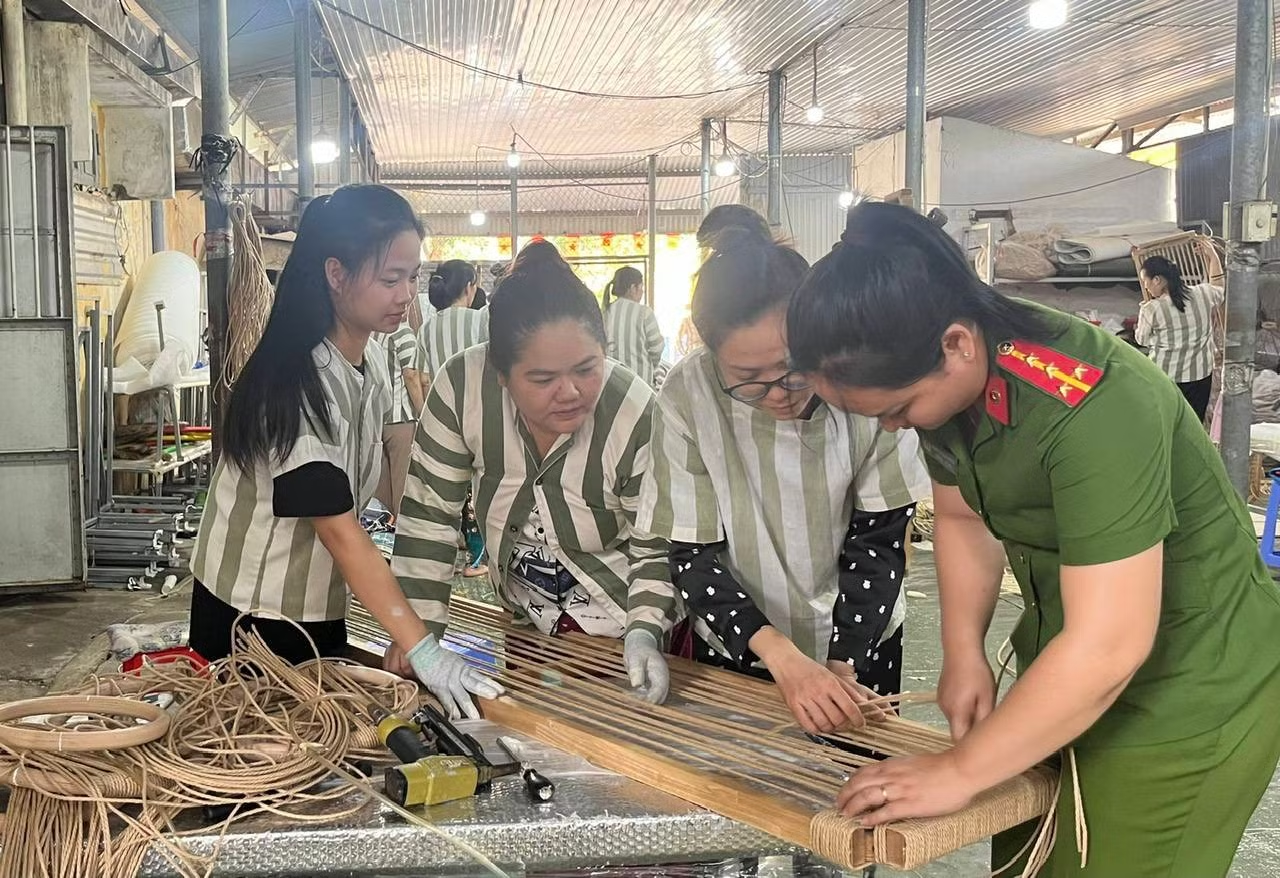
The strict enforcement of the law, coupled with compassion, and the rigorous management combined with a spirit of rehabilitation and education, have created the profound meaning of the amnesty policy – a policy deeply rooted in the humanistic values of the Party and the State. It is not only an act of leniency for those who show remorse, but also a source of hope and an opportunity for them to rewrite their lives by living honestly and contributing positively to their families and society.
Source: https://cand.vn/mo-loi-hoan-luong-cho-nhung-nguoi-lam-loi-post812336.html





![[Photo] The General Secretary, President and his wife lay flowers at the Ho Chi Minh Monument in Manila.](https://vphoto.vietnam.vn/thumb/1200x675/vietnam/resource/IMAGE/2026/05/31/1780219759477_anh-man-hinh-2026-05-31-luc-16-29-07.png)











![[Video] Sunset at Lap An Lagoon – Where the sun sets over the fishing nets](https://vphoto.vietnam.vn/thumb/340x192/vietnam/resource/IMAGE/2026/05/31/1780192137701_beach-landscape-sea-water-nature-grass-745871-pxhere-com.jpeg)

































































Comment (0)