

Regular consumption of roasted peanuts, animal organs, and alcohol can easily lead to the formation of blood clots and cerebral venous thrombosis.
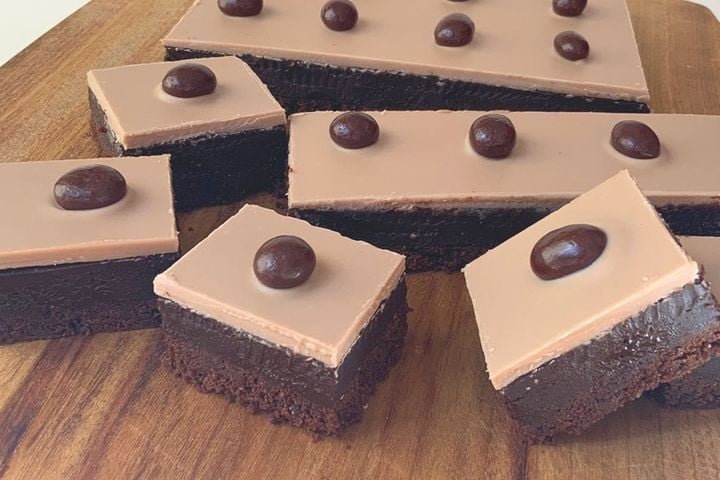 |
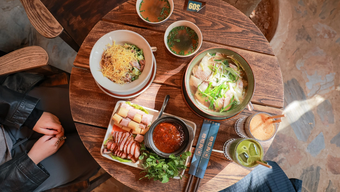
| Sugary desserts can lead to blood clots and cardiovascular disease. (Image source: taste.com.au) |
Roasted peanuts
Roasted peanuts coated with sugar or salt are a favorite snack for many. However, it's not advisable to consume too many roasted peanuts in daily life, especially for people with cerebral venous thrombosis.
The reason is that roasted peanuts are high in fat and calories, which can easily lead to atherosclerosis and cause strokes.
Alcohol
Thrombosis is closely related to alcohol consumption. Alcohol damages the vascular endothelium due to the effects of hemoglobin, platelets, and fibrin. Damaged vascular endothelium leads to the formation of localized thrombi, causing obstruction and blood reflux.
Alcohol intoxication can cause long-term compression of the limbs that the intoxicated person may not notice, and can also lead to venous disorders and blood clot formation.
To avoid blood clots, you should not drink alcohol, because the higher the alcohol content in your body, the easier it is for blood clots to form.
Animal organs
Animal organs contain very high levels of fat, which increases cholesterol, worsens atherosclerosis, and easily leads to recurrent cerebral thrombosis.
Foods high in salt
A diet high in salt can easily lead to high blood pressure and increase the fragility of blood vessels. Long-term consumption of salty foods can easily cause atherosclerosis, leading to blood vessel blockage and the formation of blood clots in the brain.
Dessert
Eating desserts high in butter, sugar, and fat over a long period can easily lead to obesity, with fat continuously accumulating in the body.
The first signs will be high blood lipid levels, the blood becoming thicker, and a higher risk of clotting, which can easily lead to blood clots and certain cardiovascular diseases.
Source


![[Photo] Prime Minister Pham Minh Chinh presides over the conference announcing the establishment of the International Finance Centre in Vietnam.](/_next/image?url=https%3A%2F%2Fvphoto.vietnam.vn%2Fthumb%2F1200x675%2Fvietnam%2Fresource%2FIMAGE%2F2025%2F12%2F21%2F1766309817714_ndo_br_dsc-3400-jpg.webp&w=3840&q=75)
![[Photo] Prime Minister Pham Minh Chinh presides over a meeting on private sector economic development.](/_next/image?url=https%3A%2F%2Fvphoto.vietnam.vn%2Fthumb%2F1200x675%2Fvietnam%2Fresource%2FIMAGE%2F2025%2F12%2F20%2F1766237501876_thiet-ke-chua-co-ten-40-png.webp&w=3840&q=75)




























































Comment (0)