

The story of this dish begins on a misty morning in Kon Tum.
The mountain mist still lingers on the stilt houses, the road towards Dak Bla is as quiet as a sigh. By the red fire, a pot of mackerel braised with bamboo shoots is simmering, the gentle aroma spreading out as if inviting the traveler. Mackerel, the child of the sea, has traveled thousands of kilometers from the Central coastal region, up Lo Xo pass, past Ngoc Linh peak to reach this land.
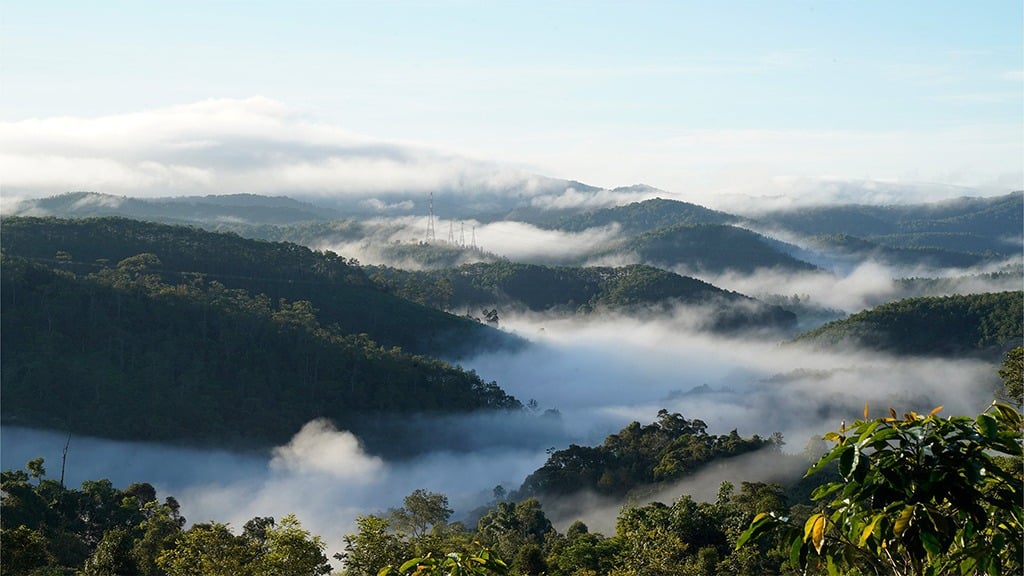
In the story of braised mackerel with bamboo shoots, we see the image of mountains and sea walking side by side.
Photo: Duc Nhat
Bamboo shoots, a gift from the forest, have a slightly sour and crunchy taste, like the sturdy yet gentle shape of a tall mountain. When the two meet in a pot of stew, it is like the meeting of two rhythms: the rhythm of the ocean waves and the rhythm of the mountain wind.
What does a braised dish say to the eater?
Braised mackerel with bamboo shoots in Kon Tum does not have the strong spicy taste of the sea, nor is it as strong as the traditional braised fish in the lowlands. The locals braise lightly, so that the fish retains a bit of the sweetness of the saltwater, and the bamboo shoots retain the moderate sourness of the mountains and forests.
When picking up a piece of fish, we hear somewhere the sound of waves lapping tirelessly. When biting into a piece of bamboo shoot, we hear the whispering sound of the forest calling the wind. The dish takes us from the sea to the forest, from the forest to the sea, right on the tip of the tongue.
Eat with sticky rice - why?
Kon Tum people often choose sticky rice, not rice, to go with braised mackerel and bamboo shoots. The sticky rice is as sticky as the fertile basalt soil, as sticky as the affection of the ethnic groups here. When the sticky rice meets the braised water, it slowly and leisurely seeps in, like the way the mountains and forests receive the first rains of the season.
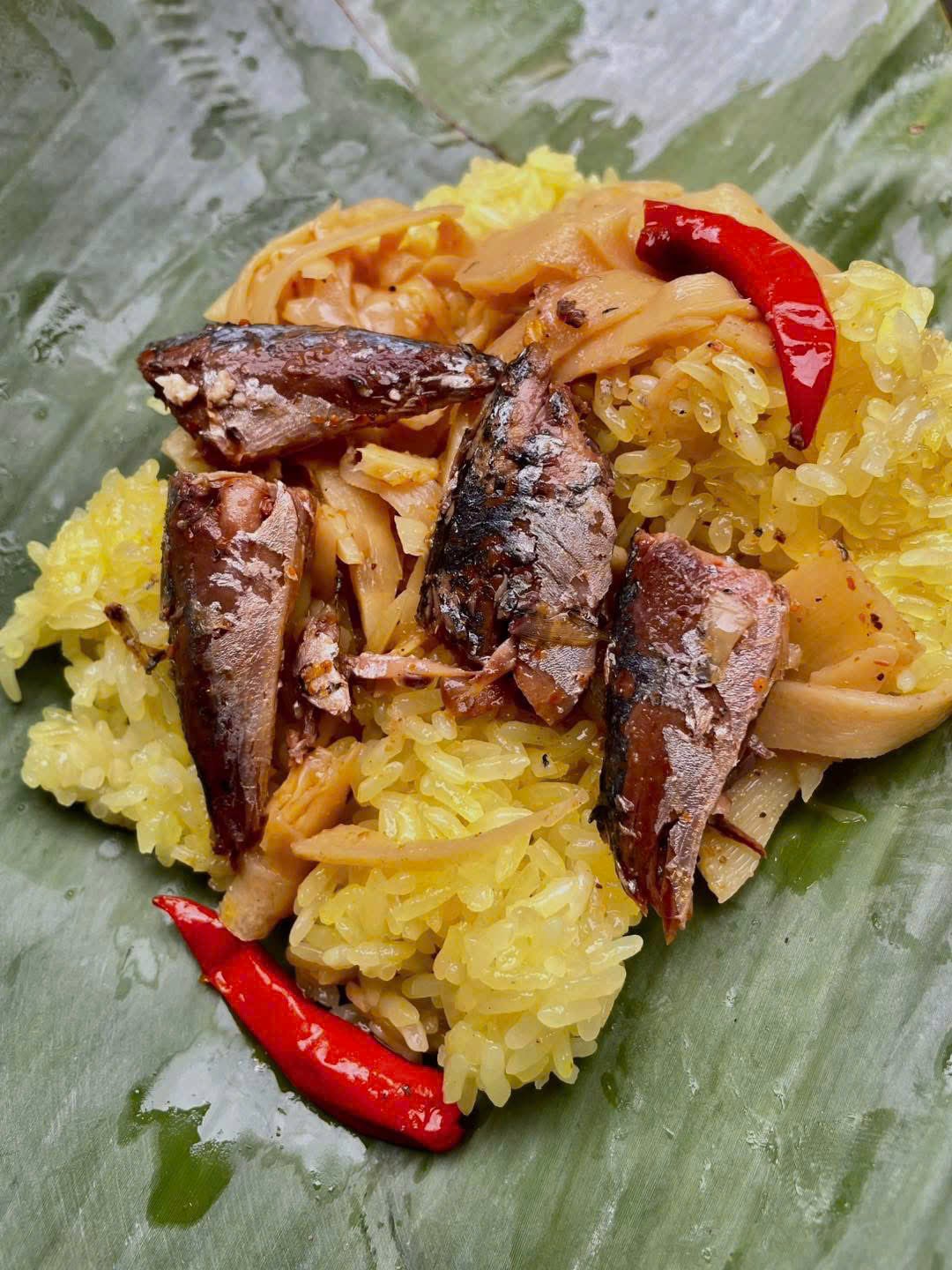
Kon Tum people often choose sticky rice to eat with mackerel braised with bamboo shoots.
Photo: Linh Pham
A piece of sticky rice, some bamboo shoots, some mackerel… is enough for a warm morning, enough for a visitor from far away to understand that:
Kon Tum is where the sea finds shelter in the mountains.
Food and an open philosophy of intersectionality
Braised mackerel with bamboo shoots in Kon Tum is like a lesson about harmony in life. Mountains and seas are different, but meet in a pot of braised fish. Different cultures, but are attached to the same wooden tray in the morning. Values that seem to be opposite, but when "braised" together, create something unique.
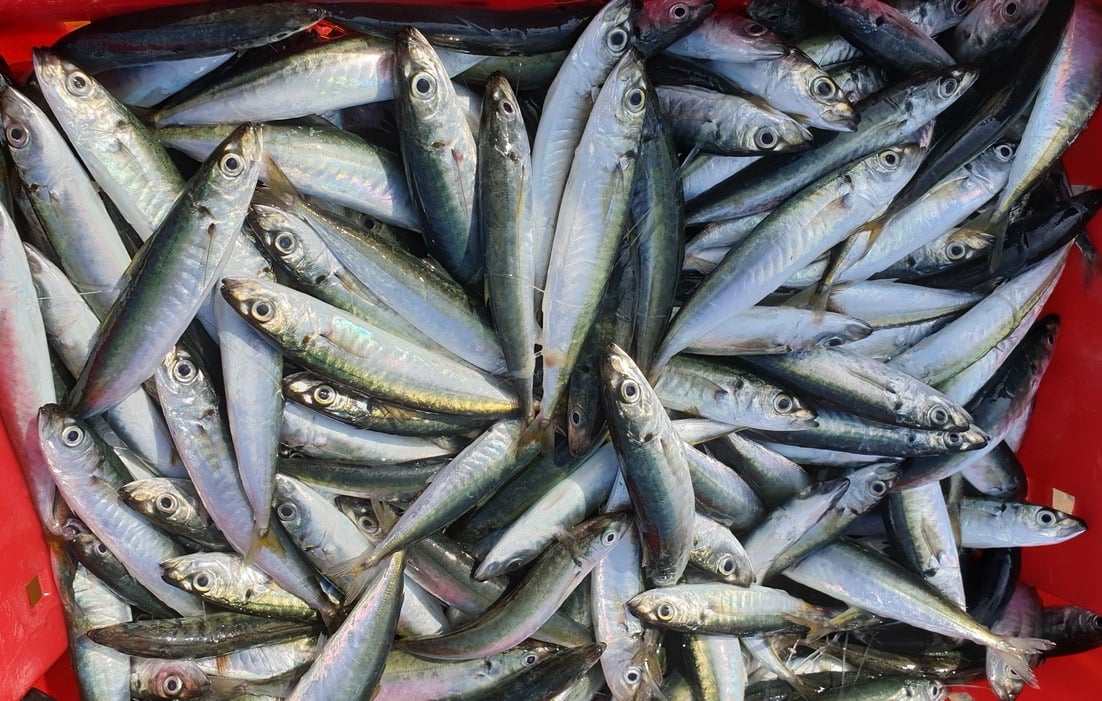
Mackerel has traveled thousands of kilometers from the central coastal region, up Lo Xo pass, over Ngoc Linh peak to reach Kon Tum.
Photo: Thien Nhan
That is also the philosophy of development today: do not limit yourself to geographical borders or inherent habits. Values from far away can find new soil to flourish. Ideas from outside can blend into the local identity without diluting the core of the community.
Kon Tum - where mountains rest their hands on the shoulders of the sea
In the story of food, we see the image of mountains and seas walking side by side. Mountains give the seas a resting place, seas give mountains new breath. People are the same, when they learn to listen, receive and share, they will create new, more sustainable and tolerant values.
And perhaps, when sitting next to a pot of braised mackerel with bamboo shoots simmering on the stove, we will suddenly understand a simple thing: life sometimes just needs to slow down, to soak in more deeply.
Source: https://thanhnien.vn/ca-nuc-kho-mang-o-kon-tum-cuoc-gap-go-giua-nui-dai-ngan-va-hoi-tho-bien-khoi-185251204162858707.htm

![[Photo] Cat Ba - Green island paradise](/_next/image?url=https%3A%2F%2Fvphoto.vietnam.vn%2Fthumb%2F1200x675%2Fvietnam%2Fresource%2FIMAGE%2F2025%2F12%2F04%2F1764821844074_ndo_br_1-dcbthienduongxanh638-jpg.webp&w=3840&q=75)



























![[VIMC 40 days of lightning speed] Da Nang Port: Unity - Lightning speed - Breakthrough to the finish line](https://vphoto.vietnam.vn/thumb/402x226/vietnam/resource/IMAGE/2025/12/04/1764833540882_cdn_4-12-25.jpeg)






























Comment (0)