

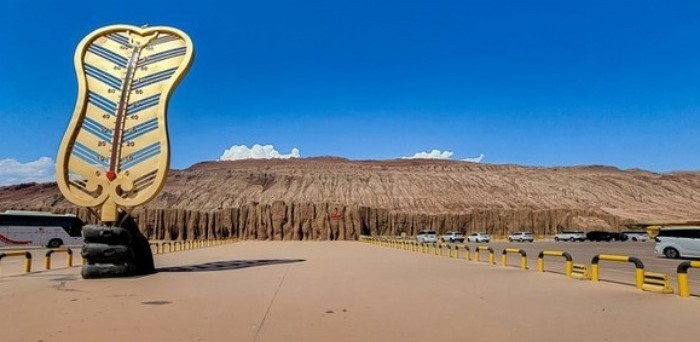
Flaming Mountain is one of the real-life locations mentioned by the late writer Wu Cheng'an in his classic work "Journey to the West".
In reality, this is a barren, eroded area of red sandstone hills in the Tian Shan mountain range in Xinjiang, China. The average height of the Flaming Mountains is 500 meters. The climate in this area is extremely harsh. Summer temperatures are scorching, making it one of the hottest places in China.
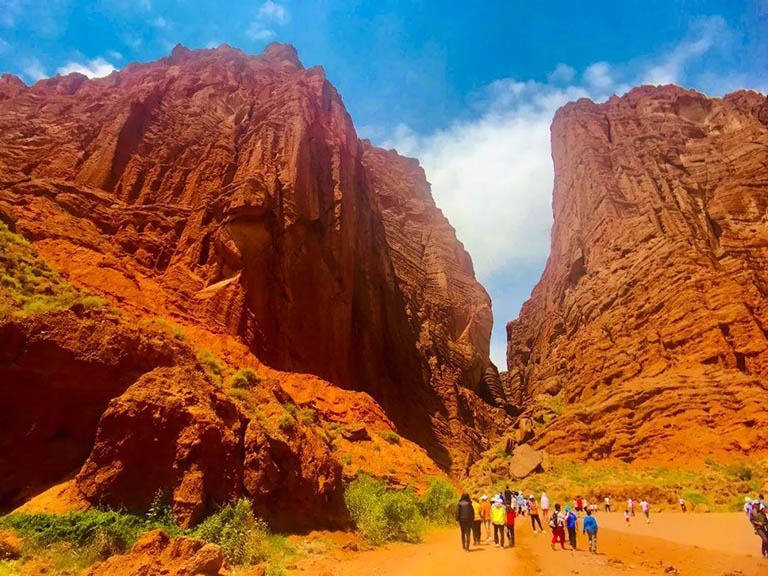
This landmark is located near the northern edge of the Taklamakan Desert and east of the city of Turpan. In the novel Journey to the West, Flaming Mountains are said to have formed from the fiery furnaces of the alchemical furnace that Sun Wukong overturned during his rampage in Heaven. In reality, the impressively shaped grooves of Flaming Mountains are formed by the erosion of the red sandstone bedrock, causing the mountain range to appear "on fire" at certain times of the day.
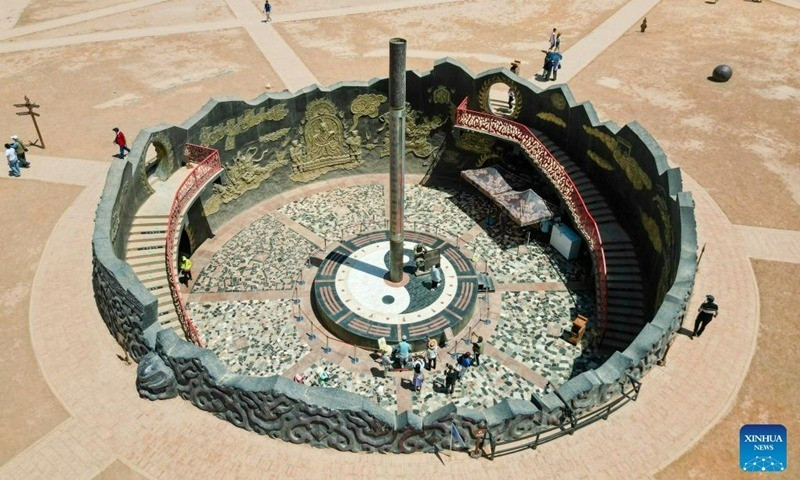
At Flaming Mountain, visitors can admire a thermometer that is up to 12 meters tall, with recorded temperatures often above 60°C, sometimes reaching 80°C. The high temperature makes the sand here very hot; visitors can even cook eggs directly on the sand in just a few minutes. This is also one of the most popular experiences.


Additionally, visitors can try therapy by burying themselves in hot sand to promote blood circulation, aid in the treatment of rheumatism, and improve sleep.
It is expected that the Flaming Mountain area will welcome nearly 80,000 visitors during the peak season, which lasts from June to August this year.
Source: https://baogialai.com.vn/mua-he-mua-du-lich-cao-diem-cua-chao-lua-hoa-diem-son-post328377.html





























































































Comment (0)