

Chiềng Mai commune is blessed with fertile land and a mild climate, suitable for the development of various crops, especially industrial crops and fruit trees. In recent years, the locality has introduced many citrus fruit varieties, most notably oranges. To date, the entire commune has 20 hectares of oranges, mainly V2, Đường Canh, and Navel varieties, grown extensively in the villages of Củ and Mai Khoang in the former Chiềng Ban commune. Orange growers here have actively applied safe agricultural production processes, improving the quality and value of their products.
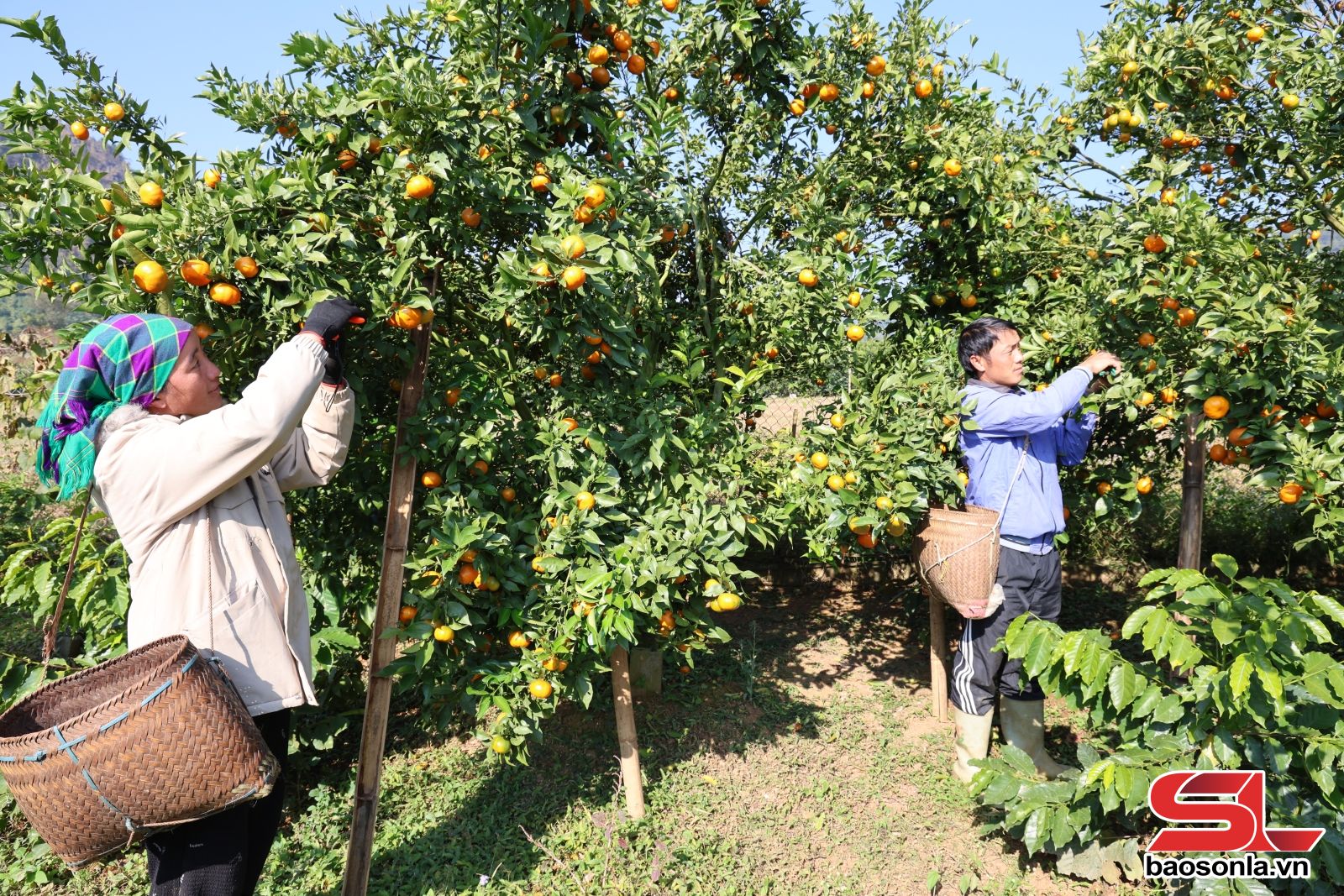
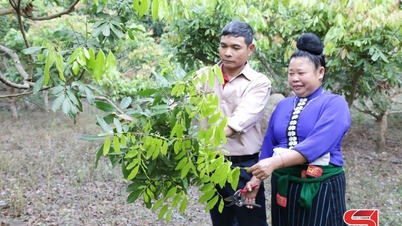
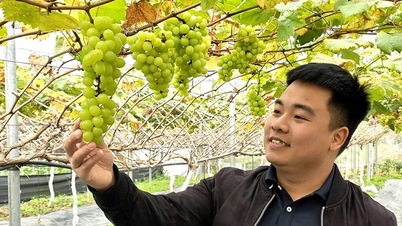
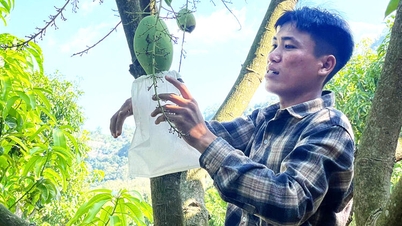
Visiting the orange orchard of Mr. Tong Van Luyen's family in Cu village, we were amazed by the trees laden with fruit, all perfectly uniform. Holding a bunch of ripe, golden oranges, Mr. Luyen shared: "Previously, the entire area of our family's hillside land was planted with coffee, but it was frequently affected by frost, so we switched to growing oranges. After learning from other households in the commune, I introduced the 'Duong Canh' orange variety to intercrop on 1 hectare. The advantages of this variety are its sweetness, few seeds, and high yield. After only 2 years of planting, the orange trees began to bear fruit, and traders came directly to the orchard to buy them at 35,000 VND/kg. We estimate the total yield for the season to be about 15 tons, and after deducting expenses, we will earn 350 million VND."
To achieve high productivity, Mr. Luyen invested in a water-saving irrigation system for the entire orchard and pruned branches according to proper technical procedures. In production, he used agricultural by-products, livestock waste, and coffee grounds to make organic fertilizer for his crops. As a result, he reduced fertilizer costs, improved the orchard's condition, saw better growth, fewer pests and diseases, and increased fruit yield by about 30%.
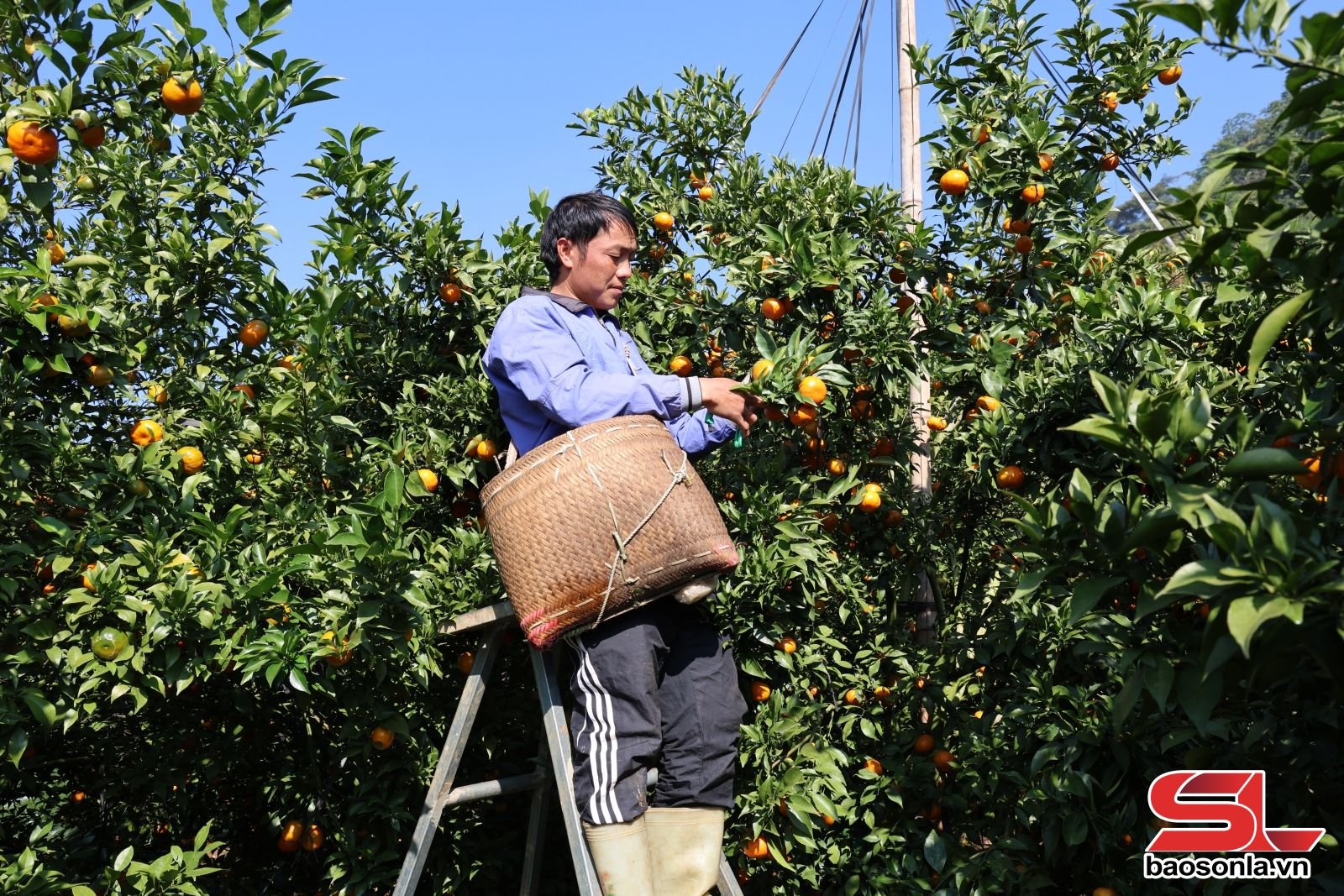
Meanwhile, at the orange orchard of Mr. Hoang Van Hung's family in Mai Khoang village, the orange trees have been bearing sweet fruit for the past two years. Mr. Hung shared: "After many years of growing oranges, from Vinh oranges to red-fleshed oranges and pomelos, in 2018, after learning about orange cultivation in Moc Chau, I decided to buy 100 Navel orange saplings to plant interspersed with coffee trees. Grafted onto the existing orange and pomelo rootstocks, the Navel orange variety has developed well, is healthy, suitable for the climate conditions, and especially unaffected by frost. After nearly 5 years, the orange trees began to bear fruit, with uniformly sized, large, seedless, and sweet fruits. The market is stable, with prices ranging from 40,000 to 50,000 VND/kg, much higher than other crops."
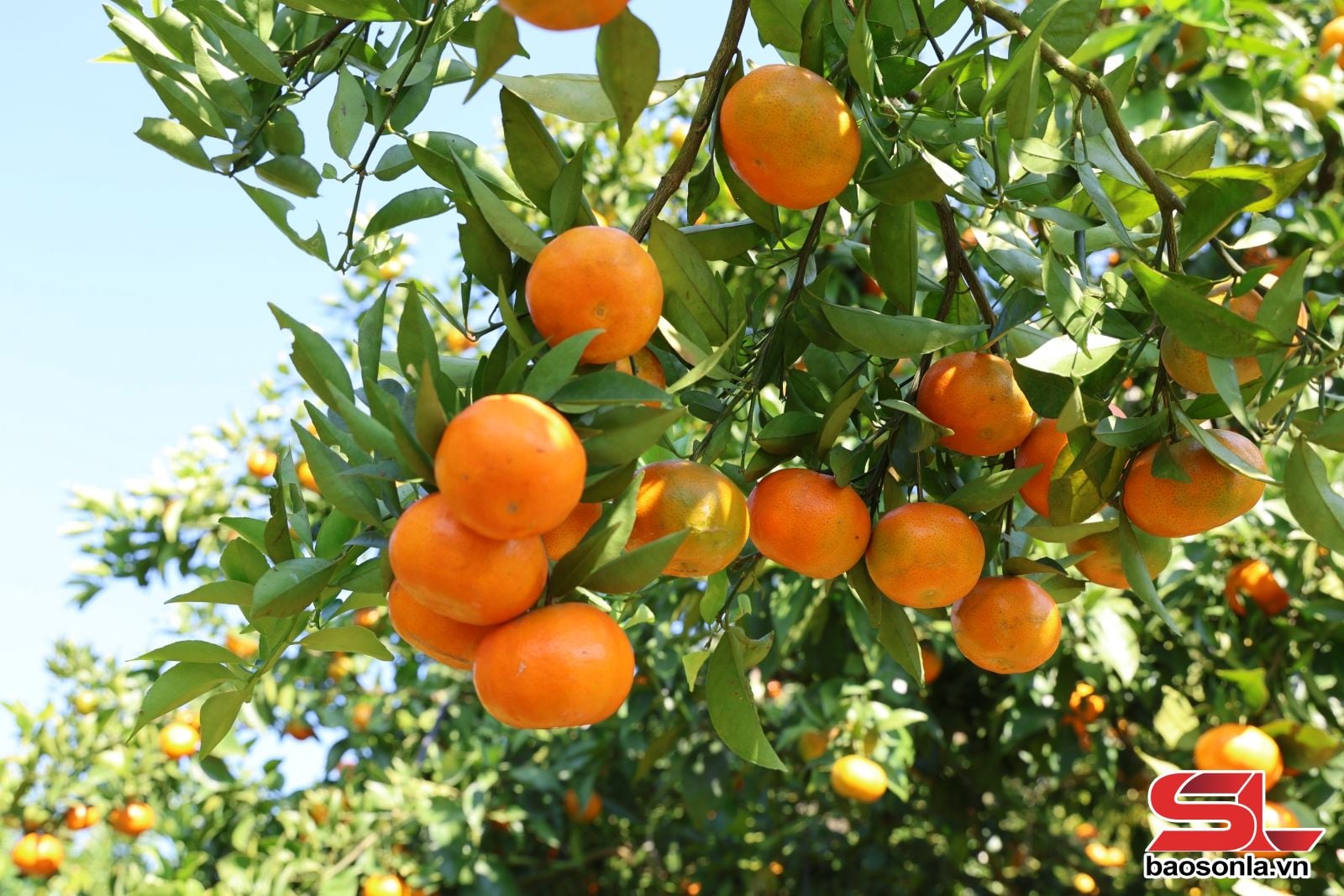
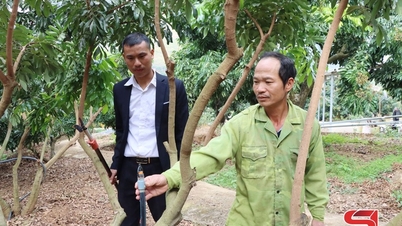
This year's orange harvest in Chiềng Mai has been bountiful, with good prices and an expected yield of nearly 400 tons for the entire commune. Currently, some orchards have completed harvesting, and owners are pruning, trimming branches, and applying fertilizer to prepare for the new season. With the advantage of large areas of hilly land and favorable soil conditions, orange trees yield higher economic returns than other crops, averaging 300 million VND per hectare. However, some orchards in Chiềng Mai are currently experiencing degradation, exhibiting symptoms such as biennial fruiting, declining yield, and reduced quality. The average business cycle of an orange tree is about 7-10 years, with well-cultivated orchards potentially lasting up to 15 years, while some orchards here show signs of aging and disease after only 5-7 years. The main causes are genetic degeneration, limited investment in intensive farming, and inadequate cultivation techniques, leading to nutrient deficiencies, weakness, and increased susceptibility to disease.
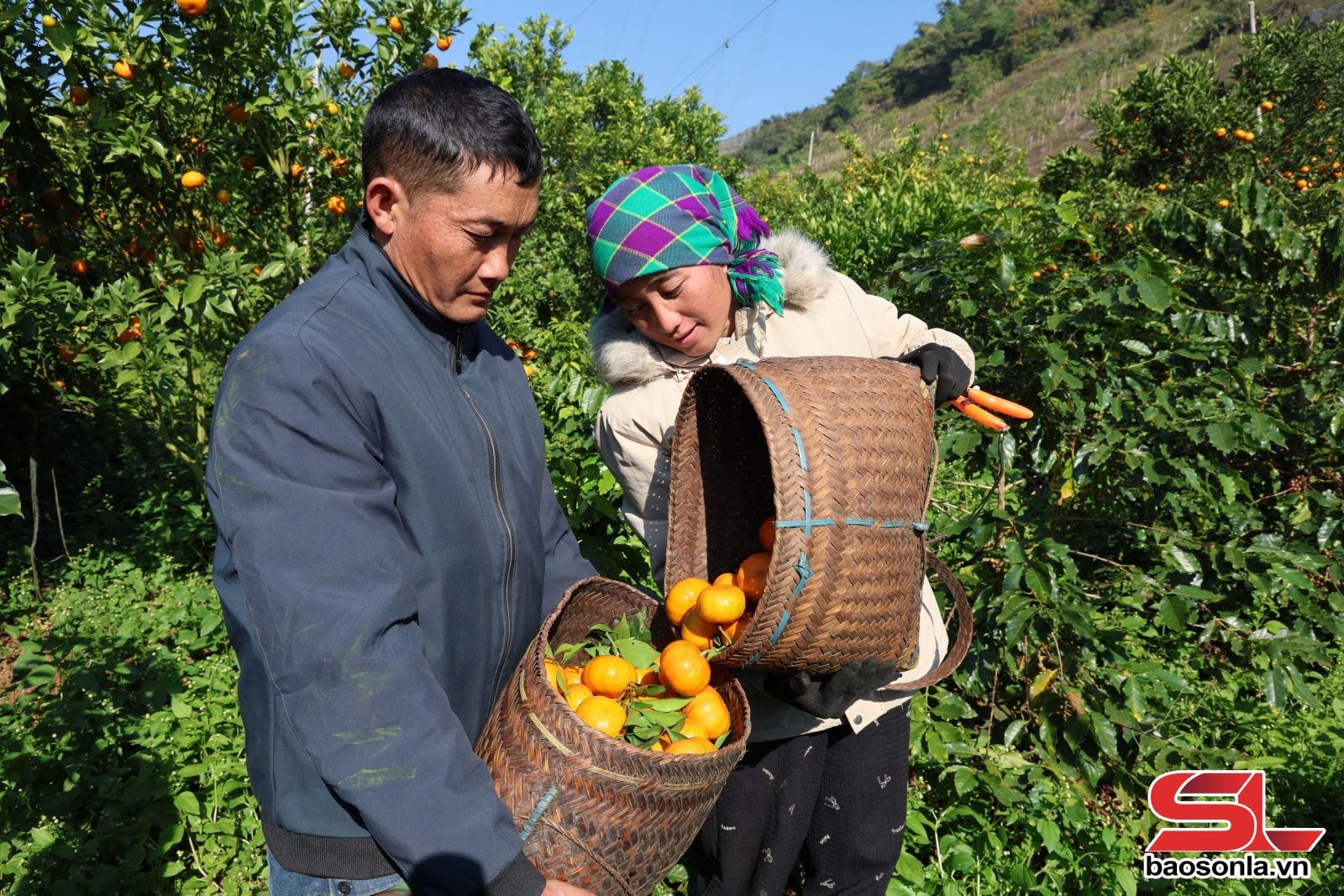
To maintain the brand reputation of Chieng Mai oranges and further expand the planting area, the People's Committee of the commune is coordinating with relevant agencies to guide people on how to care for and improve the planted area. For old trees or those severely affected by pests and diseases that have lost their main trunk or part of their canopy, treatment methods include light pruning and heavy pruning, nurturing additional branches; and grafting to improve with new, higher-yielding varieties. For orchards that have been replanted many times and have nutrient-poor soil, crop rotation with legumes and the application of organic fertilizers are necessary to improve the soil.
Mr. Nguyen Van Thanh, Head of the Economic Department of Chieng Mai Commune, shared: "The synchronized application of sustainable farming techniques helps protect the environment, creates favorable conditions for orange trees to grow and develop well, reduces the rate of diseased trees, and minimizes losses from having to destroy orchards showing signs of degradation. The commune is mobilizing and supporting people to apply scientific advancements to production, creating safe products, maintaining and expanding the area, gradually building the Chieng Mai orange brand, and increasing farmers' income."
The orange cultivation model in Chiềng Mai commune has been demonstrating outstanding economic efficiency, providing stable income for the people. To ensure the sustainable development of orange cultivation, the local authorities need to continue to support households in building brands, promoting products, and enhancing their value by linking them with eco-tourism experiences, thereby contributing to the socio-economic development of the locality.
Source: https://baosonla.vn/kinh-te/mua-thu-hoach-cam-chieng-mai-eQrvYaWDg.html
![[Photo] Da Nang: Mountainous commune adorned with flags and flowers, ready for election day.](https://vphoto.vietnam.vn/thumb/1200x675/vietnam/resource/IMAGE/2026/03/10/1773113803384_ndo_br_9-jpg.webp)











![[Photo] Meeting of the Standing Committee of the National Assembly Party Committee with the Standing Committee of the Government Party Committee on the First Session of the 16th National Assembly](https://vphoto.vietnam.vn/thumb/1200x675/vietnam/resource/IMAGE/2026/03/10/1773107502031_ndo_br_thu-tuong-pham-minh-chinh-va-chu-tich-qh-tran-thanh-man-dong-chu-tri-hoi-nghijpg-jpg.webp)










































Comment (0)