


As Tet approaches, every household is busy preparing delicious cakes and sweets. The kitchens are ablaze with fire, and the offerings smell of freshly cooked sticky rice. From early morning on the first day of Tet, family members get dressed in new clothes, their faces beaming with excitement. These new outfits are carefully put on, not only to celebrate Tet, but also to usher in the new year with utmost respect.
According to ancient customs, at the beginning of the year, each family prepares cakes, jams, and fruits to visit their paternal and maternal grandparents and close relatives, a practice called "visiting to wish them a happy new year." The whole family goes together, grandparents, parents, and children gathering in large numbers. In the solemn atmosphere of the ancestral altar, incense is lit, the smoke spreads, and prayers are reverently offered. It is a moment when descendants turn to their ancestors and origins, praying for a peaceful new year, a harmonious family, and prosperous business.
First and foremost, giving New Year's greetings is a celebration of new beginnings. It's a celebration of another year in each person's life. Amidst the spring atmosphere, beside a warm tea table, as the incense on the altar has just settled, grandparents bestow New Year's blessings upon their grandchildren, and parents send their wishes to their children. Red envelopes are exchanged with both hands, accompanied by gentle glances and warm smiles, conveying love and hope for a peaceful, prosperous, and fortunate year.
The value of giving New Year's greetings lies not in the amount of money in the red envelope, but in the meaning of the gift-giving at the beginning of the year. The red envelope is a wish for peace and good fortune, sent with respect and love. Through this, giving New Year's greetings becomes a way to connect generations in the family, starting the new year with joy and warmth. Along with the New Year's envelope are the gentle words of advice from grandparents to their grandchildren. Not preachy, not harsh, just reminders and encouragement about how to live and how to be a good person. It is from these words of advice, and from the example of those who came before, that children learn how to grow up fully, not only in terms of age, but also in terms of discipline, character, and responsibility to family and society.
Today, the custom of giving New Year's greetings is still preserved, but it has also undergone some humane changes. In many families, when children and grandchildren have grown up and have stable jobs, they give New Year's greetings to their grandparents and parents. The envelopes given are not simply for good luck, but as wishes for longevity, hoping that grandparents and parents will live long, healthy, and happy lives surrounded by their children and grandchildren. A circle of love is thus extended through the years.
Following the tradition of giving lucky money, there are lively New Year's greetings. Wishing you good health, prosperous business, a happy family, and excellent academic results. These greetings, seemingly familiar, feel new each year because they carry the belief in the good things ahead. Laughter and cheerful New Year's wishes blend with the bustling sounds of the first day of the year, making the house even warmer.
The custom of giving New Year's greetings usually takes place at the very first moment of the new year, when the first day begins. It's a sacred moment, when people temporarily set aside the worries of the old year and open their hearts to a new beginning. In that moment, giving New Year's greetings is a way of giving love and receiving faith and hope.
In the midst of modern life, where many traditional values face the risk of fading away, the custom of giving New Year's greetings is still preserved as a thread connecting the past and the present. Although the methods may change, and the envelopes may be simpler or more elaborate, the core meaning remains intact: togetherness, filial piety, and the wish for a peaceful new year.
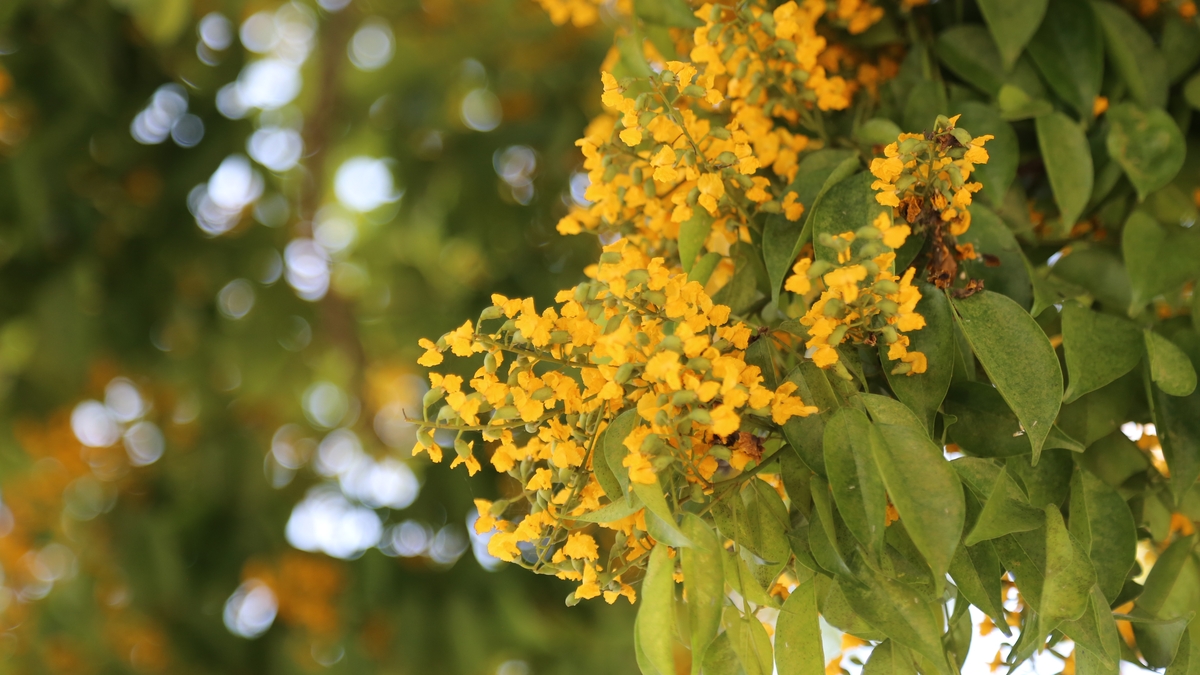
Spring has arrived again. Amidst the vibrant yellow of apricot blossoms and chrysanthemums, and the lingering scent of incense, the custom of giving New Year's greetings quietly persists, forming the very soul of Vietnamese Tet. A small envelope, a sincere wish—enough to start a new year filled with warmth, peace, and hope.
Source: https://quangngaitv.vn/mung-tuoi-net-dep-dau-nam-6515233.html
![[Photo] My Son at night: A thousand-year-old heritage site amidst the Milky Way](https://vphoto.vietnam.vn/thumb/1200x675/vietnam/resource/IMAGE/2026/04/15/1776261039184_ndo_br_chon6-jpg.webp)
![[Photo] National Assembly Chairman Tran Thanh Man attends the opening session of IPU-152](https://vphoto.vietnam.vn/thumb/1200x675/vietnam/resource/IMAGE/2026/04/16/1776277863731_ctqh5-jpg.webp)

![[Photo] Mrs. Ngo Phuong Ly meets and exchanges views with Mrs. Peng Li Yuan](https://vphoto.vietnam.vn/thumb/1200x675/vietnam/resource/IMAGE/2026/04/16/1776277858080_phu-nhan-1-jpg.webp)
![[Photo] The General Secretary, President and his wife meet with Vietnamese-Chinese friendship leaders.](https://vphoto.vietnam.vn/thumb/1200x675/vietnam/resource/IMAGE/2026/04/15/1776264829725_vna-potal-tong-bi-thu-chu-tich-nuoc-to-lam-gap-mat-nhan-sy-huu-nghi-viet-nam-trung-quoc-8703641-3130-jpg.webp)

























































Comment (0)