Shifting from “cure” to “prevention and lifelong health management”
Reporter:
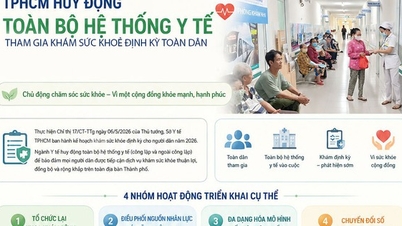
Dr. Vuong Anh Duong: The Prime Minister's Directive No. 17/CT-TTg dated May 6, 2006, on free periodic health check-ups for citizens is of paramount importance. This is a step in the synchronized implementation of Resolution No. 72-NQ/TW dated September 9, 2025, of the Politburo on some breakthrough solutions to strengthen the protection, care, and improvement of people's health. According to the set objectives, from 2026 onwards, citizens will receive free periodic health check-ups and screenings at least once a year; and will also have electronic health records created to manage their health throughout their lifecycle, gradually reducing the burden of medical costs.
The core of this policy is a strong shift from a "cure" mindset to a "prevention and lifelong health management" mindset. Regular health checkups help detect diseases such as cardiovascular disease, hypertension, diabetes, and cancer early on, thereby reducing the risk of complications and death. In the long term, when prevention and early detection are effectively implemented, the number of patients requiring treatment at a late stage will decrease, contributing to easing the burden on healthcare facilities, especially at the higher levels; and simultaneously reducing healthcare and social costs.
|
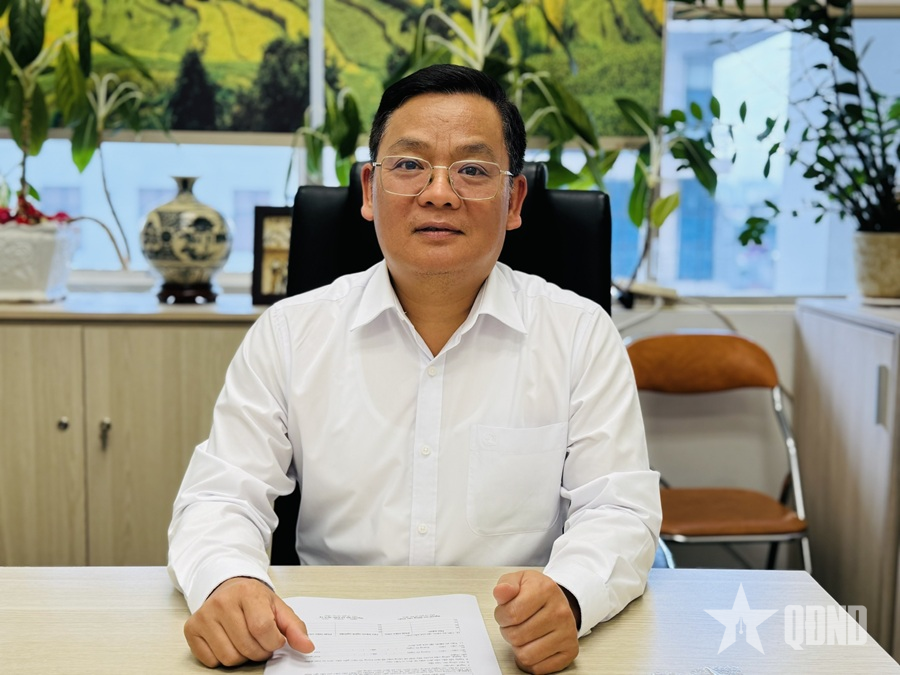
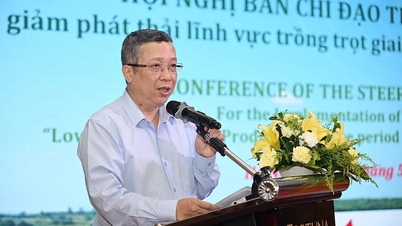
Dr. Vuong Anh Duong. Photo: AN AN |
The Ministry of Health had prepared resources and professional guidance well in advance.
PV:
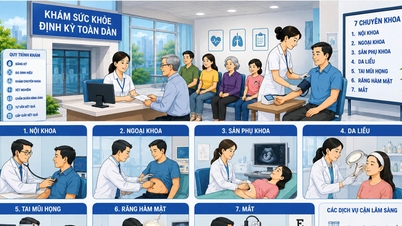
Dr. Vuong Anh Duong: To implement this program, the Ministry of Health has been preparing for many years and is still continuing to refine the system of documents and professional guidelines. On May 12th, the Ministry of Health issued Official Letter No. 3401/BYT-KCB guiding the professional content of periodic health check-ups for the people. Accordingly, the Ministry of Health specifies the content of the examination and classifies each group of people for periodic health check-ups. On the other hand, over the past period, the Ministry of Health has also continuously issued documents requesting localities to prepare resources, organize training, and mobilize medical facilities to participate in the synchronized implementation of the universal health check-up program.
|
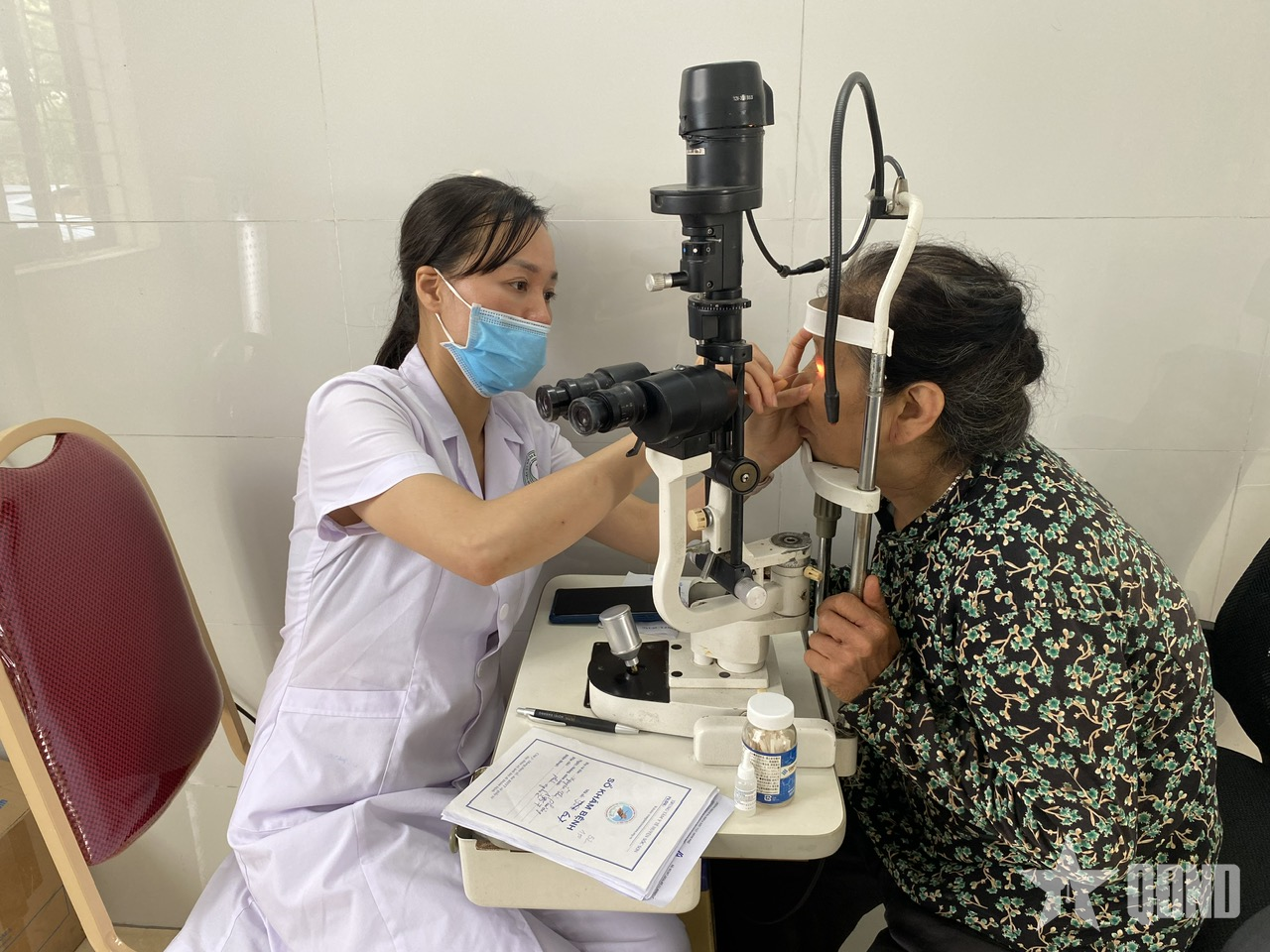
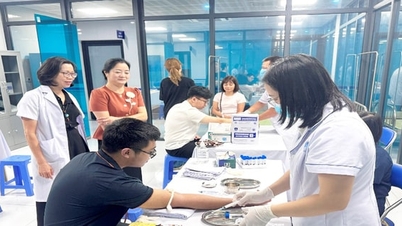
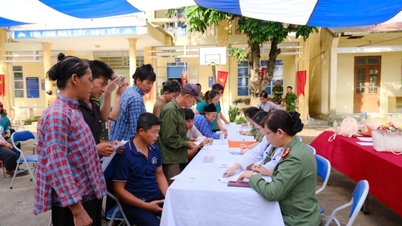
People receiving medical check-ups at Kim Anh Commune Health Station, Hanoi. Photo: AN AN |
PV:
Dr. Vuong Anh Duong: It can be said that currently we have many advantages because we already have a foundation of a medical examination and treatment system, a relatively widespread network of grassroots health facilities, including commune health stations, regional polyclinics, and hospitals to implement the periodic health check program. However, when implementing it simultaneously for the entire population, there will certainly be certain difficulties. First is the issue of medical personnel. Organizing health check-ups for the entire population at the same time requires a very large mobilization of human resources and the involvement of local authorities...
On the other hand, the capacity of local areas is also uneven. In urban areas, the population is dense, and the demand for medical examinations is high; while in remote and sparsely populated areas, encouraging people to go to medical facilities is not easy. Another challenge is changing people's perceptions. Many still have the mentality that "if I'm healthy, I don't need to go for a check-up." Shifting from a passive treatment mindset to an active prevention mindset will be a major challenge in the initial stages.
Increase investment in primary healthcare and mobile medical services.
PV:
Dr. Vuong Anh Duong: Local authorities are reviewing their grassroots healthcare systems to assess their capacity to meet the demands of routine health checkups. First and foremost, investment in human resources is necessary. Once the necessary personnel are in place, professional training must be provided for doctors, medical staff, and related specialists. Simultaneously, minimal investment in equipment is crucial. For example, a health checkup package might include blood tests, urine tests, X-rays, etc. Therefore, healthcare facilities need to be equipped with or have plans to mobilize equipment to support these checkups; and the rotation and transfer of personnel from higher levels to support grassroots healthcare should be strengthened to ensure sufficient capacity to implement the program.
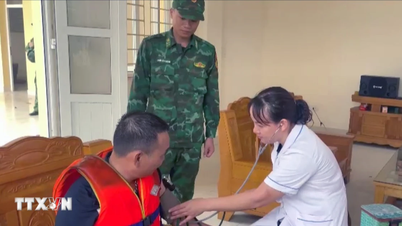
To ensure equitable access to healthcare services for the population, in disadvantaged areas, priority will be given to organizing examinations at community health facilities or qualified medical examination and treatment centers within the area. Communication efforts will be intensified to encourage people to proactively seek medical care. Specifically for remote and isolated areas where people face difficulties in transportation, local authorities will proactively direct health stations and medical facilities to organize mobile examinations. According to current regulations, qualified medical facilities are permitted to organize mobile examinations to ensure that people in the most difficult-to-reach areas can still access regular health check-ups. There is no distinction between public and private facilities; as long as they meet the professional requirements, they can participate in the program as assigned by the local authorities.
PV:
Source: https://www.qdnd.vn/y-te/cac-van-de/nen-tang-cho-mot-xa-hoi-khoe-manh-1040954

































































































Comment (0)