

The HIV epidemic is affecting young people, and this requires authorities to find solutions to stop this problem, otherwise the consequences will be dire.
A surge in newly detected infections.
Speaking about the reality of HIV affecting young people, Dr. Vuong The Linh, Head of the HIV/AIDS Department at the Center for Disease Control (CDC) of Binh Duong province, expressed concern, noting that the youngest person in Binh Duong to be diagnosed with HIV was only 14, infected through same-sex prostitution.
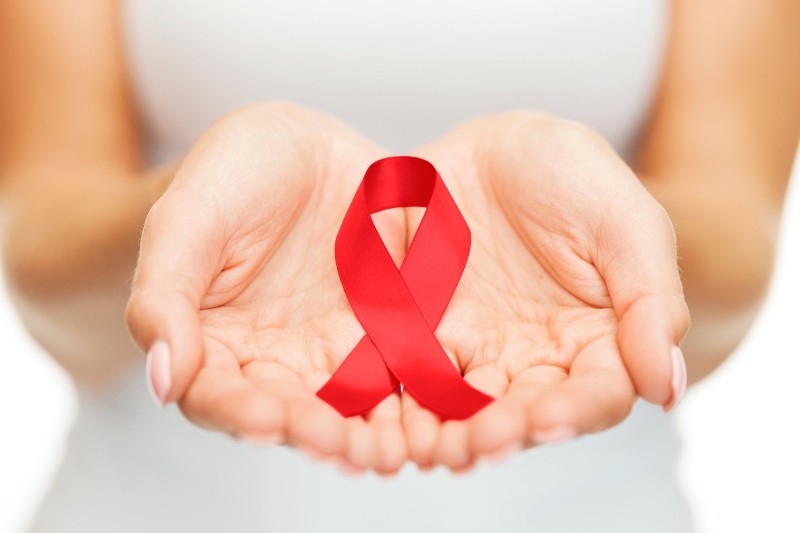 |
| Illustrative image. |
"We don't know how many adult or underage sexual partners these children have. If they don't get tested and treated, they will infect F1, F2... and this number will multiply significantly," this person worried.
The increase in HIV infection among young people, especially students, in the South is due to the difficulty in controlling HIV transmission within the MSM (men who have sex with men) group. This is because this group is frequently mobile, dislikes using condoms during sexual intercourse, and is difficult to access for counseling and preventive treatment.
In An Giang , MSM (men who have sex with men) account for 40% of all HIV infections; this is more than eight times higher than five years ago. Dr. Duong Anh Linh, Deputy Director of the An Giang CDC, stated that according to surveillance data from 2020-2023, the HIV epidemic in An Giang is showing a resurgence and is rapidly increasing among young men aged 15-30, especially young MSM. However, the province has not yet been able to effectively disseminate information to schools and industrial zones.
This is a real wake-up call about the need to change media intervention strategies and behavioral changes targeting young people.
Similarly, Dong Thap province has not yet disseminated HIV/AIDS prevention information to high schools and junior high schools. Therefore, students in this age group have very weak knowledge about HIV/AIDS prevention, leading them to be easily lured, manipulated, and infected with HIV.
This has caused great concern and anxiety among HIV prevention and control officials, and they will need to propose solutions to strengthen communication with these target groups.
According to the Department of HIV/AIDS Prevention and Control, 84.4% of new infections in the first five months of the year were among men, mainly aged 15-29 (39%) and 30-39 (31%), with the primary mode of transmission being unsafe sexual intercourse (74.2%).
The majority of the population consists of men who have sex with men (41.1%) and other groups (35.9%). Recent studies also indicate that transgender women are among the groups at risk of HIV infection, with the HIV prevalence rate in Hanoi at 5.8% in 2022, and in Ho Chi Minh City increasing from 6.8% in 2004 to 18% in 2016 and 16.5% in 2020.
During field trips to various locations in Southern Vietnam, reporters were informed by officials from the Centers for Disease Control and Prevention (CDC) that they face four major challenges in their HIV prevention and control outreach efforts: the age range for testing, outreach in schools, reaching the MSM community, and the lack of salaries and benefits for those providing community-based services. These are the biggest obstacles hindering and slowing down progress towards ending the pandemic.
Preventing the epidemic from attacking young people.
HIV is severely affecting young people, but there are still gaps in awareness campaigns targeting middle and high school students. If these efforts are delayed, the consequences could be unpredictable.
According to Truong Hoang Bao Ngoc, Head of the An Giang LGBT Network (community of people with diverse sexual orientations), the network faces many difficulties due to the lack of legal status, connection with social enterprises, and the challenge of communicating about the use of PrEP for HIV prevention in industrial zones, schools, remote areas, and border regions.
Hay Danh Tung, head of The Sun's CBO group in Kien Giang, also said that it is very difficult, almost impossible, for businesses to enter schools to disseminate knowledge about HIV prevention and PrEP use without the help of the CDC and the Department of Education and Training.
To prevent HIV from affecting young people, in the coming period, provincial CDCs need to focus on coordinating with the Department of Education and Training, CBO groups, and social enterprises to incorporate HIV prevention and control content into schools, especially high schools and middle schools, so that students have the knowledge to prevent the disease and ensure the health of the future generation of the country.
"The amended and supplemented Law on HIV/AIDS Prevention and Control, as well as the guiding documents for the law, have stipulated that MSM is a priority group in the HIV/AIDS prevention and control intervention program and encourage the mobilization of community organizations to participate in implementing infection prevention intervention activities for this group," Dr. Thuy said.
According to the opinions of many provincial CDCs, the Law on HIV/AIDS Prevention and Control stipulates that children under 15 years of age must have a guardian to undergo confirmatory HIV positive testing and be admitted to treatment.
However, nowadays, many children under 15 have contracted this devastating disease, but their parents refuse to be their guardians, and these children are not being tested for life-prolonging treatment.
According to Dr. Vuong The Linh, if children do not receive early intervention, their condition will deteriorate rapidly. Therefore, the law needs to be amended to lower the age for confirmatory HIV testing so that provincial CDCs can vouch for and help young children get tested and treated. This needs to be done soon with the participation of many departments, including the Ministry of Health, which must advise on policy to amend the law.
HIV has attacked high school and university students, and there is no more time to wait. Coordination and involvement from the education and health sectors, as well as the People's Committees of provinces and cities, are necessary to find solutions to protect these young people from this devastating disease.
According to the Department of HIV/AIDS Prevention and Control, in the first five months of 2024, the majority of newly detected HIV infections in Vietnam were concentrated in the South and major cities. In particular, the Southeast region and the Mekong Delta accounted for over 71% of newly detected infections.
Of the newly detected cases in this area, 81% were sexually transmitted infections, with MSM accounting for 52%, the 15-29 age group making up 44.4%, and the 30-39 age group also accounting for a large proportion at 30.2%.
It is estimated that approximately 250,000 people in Vietnam are currently living with HIV. Each year, Vietnam detects over 10,000 new HIV infections. To achieve the goal of ending the HIV/AIDS epidemic by 2030, efforts must be made to reduce the number of new HIV infections to below 1,000 per year by 2030.































































































Comment (0)