

Truepic CEO Jeffrey McGregor believes that this incident is just the tip of the iceberg. He says that more AI-generated content will appear on social media, and we're not ready for it yet.
According to CNN, Truepic aims to address this issue by providing technology that verifies media authenticity at the time of creation through Truepic Lens. The data-gathering application will tell users the date, time, location, and device used to create the image, and apply a digital signature to verify whether the image is natural or AI-generated.
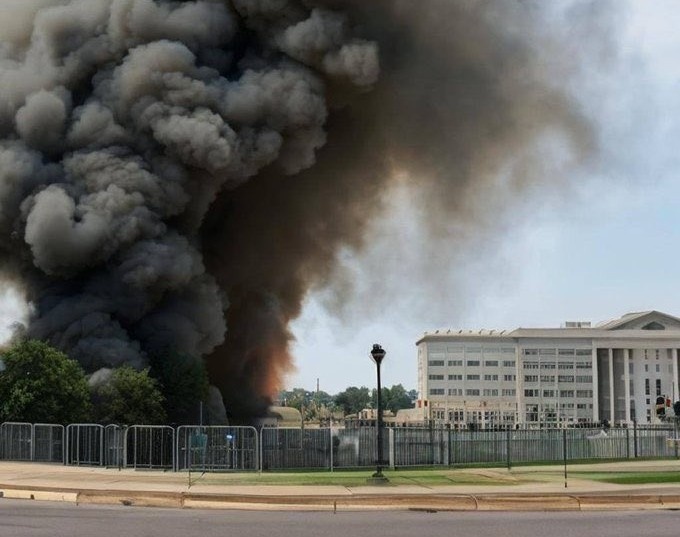
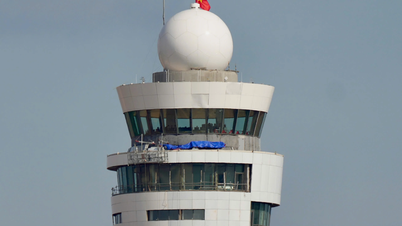
A fake photo of a Pentagon explosion has gone viral on Twitter.
Truepic, a Microsoft-backed company founded in 2015, is seeing interest from NGOs and media companies alike, and even insurance companies, who are looking for ways to validate claims as legitimate.
McGregor stated that when everything can be faked, when artificial intelligence has reached its peak in terms of quality and accessibility, we no longer know what reality is when we're online.
Tech companies like Truepic have been working to combat online misinformation for years. But the rise of a range of new AI tools capable of generating images and written works at user command has added to the urgency. Earlier this year, fake images of Pope Francis in a Balenciaga life vest and former US President Donald Trump being arrested were widely shared. Both incidents left millions alarmed about the potential dangers of AI.
Some lawmakers are now calling on tech companies to address the issue by labeling AI-generated content. European Commission Vice President Vera Jourova said companies including Google, Meta, Microsoft, and TikTok have joined the European Union's Voluntary Code of Practice on combating misinformation.
Increasingly, startups and tech giants, including some that are implementing AI generation in their products, are trying to deploy standards and solutions to help people determine whether an image or video was created using AI.
But as AI technology advances faster than humans can keep up, it remains unclear whether these solutions can definitively solve the problem. Even OpenAI, the company behind Dal-E and ChatGPT, has acknowledged that its own efforts to help detect AI-generated writing are imperfect.
Companies developing solutions are taking two approaches to address the problem. The first relies on developing programs to identify AI-generated images after they are produced and shared online. The other focuses on marking an image as either real or AI-generated using some kind of digital signature.
Reality Defender and Hive Moderation are researching the first approach. With their platform, users can upload images for scanning and then receive an analysis showing a percentage indicating whether the image is real or AI-generated.
Reality Defender states that the company uses proprietary content fingerprinting and deepfake technology to detect AI-generated videos, audio, and images. In an example provided by the company, Reality Defender shows a deepfake image of Tom Cruise, which has a "suspicious" rating of 53% because the person in the image has a distorted face, a common occurrence in manipulated photos.
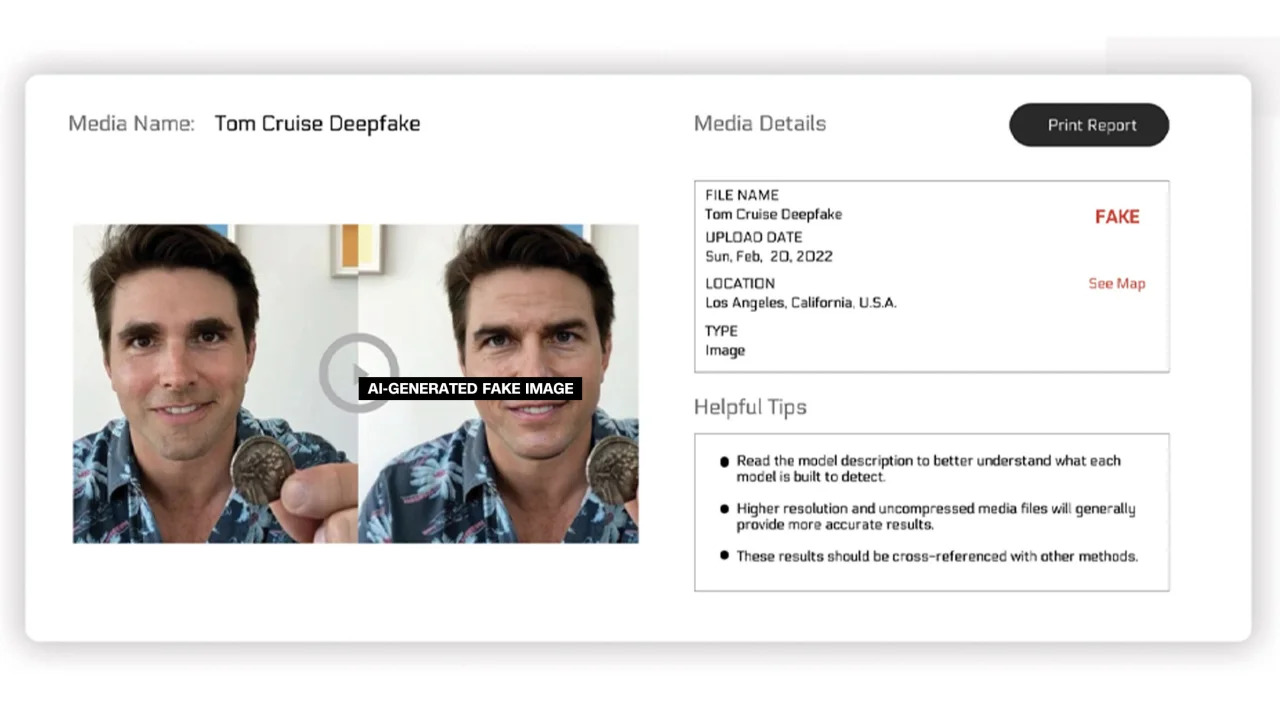
Images labeled with AI-generated tags.
These services offer both free and paid versions. Hive Moderation says it charges $1.50 per 1,000 images. Realty Defender says its pricing can vary based on various factors, including whether the client requires expertise and company support. Reality Defender CEO Ben Colman says the risks are doubling every month because anyone can create fake images using AI tools.
Several other companies are working to integrate a type of sticker into images to certify whether they are real or AI-generated. So far, this effort has been largely driven by the Coalition for Authenticity and Source of Content (C2PA).
C2PA was established in 2021 to create a technical standard for certifying the origin and history of digital media, combining Adobe's Content Authenticity Initiative (CAI) and Project Origin, led by Microsoft and the BBC, with the goal of focusing on combating misinformation in digital news. Other companies participating in C2PA include Truepic, Intel, and Sony.
Based on the principles of C2PA, CAI will provide open-source tools for companies to create content credentials or metadata containing information about images. According to the CAI website, this allows creators to transparently share details about how they create an image. In this way, end users can access the context surrounding who, what, and how the image was altered – and then assess the authenticity of that image for themselves.
Many companies have integrated the C2PA standard and CAI tools into their applications. Adobe's Firefly—a new AI image creation tool added to Photoshop—complies with the C2PA standard through its Content Credentials feature. Microsoft also announced that images and videos created using Bing Image Creator and Microsoft Designer will carry encrypted signatures in the coming months.
In May, Google announced the "About This Image" feature, allowing users to see when an image first appeared on Google and where it might be visible. The search giant also announced that all of Google's AI-generated images will carry a markup in the original file to "add context" if the image is found on another website or platform.
While tech companies are trying to address concerns about AI-generated imagery and the integrity of digital media, experts in the field emphasize that businesses will need to collaborate with each other and with governments to solve the problem. Nevertheless, tech companies are still racing to develop AI despite the risks.
Source link


![[Photo] Prime Minister Pham Minh Chinh presides over a meeting on private sector economic development.](/_next/image?url=https%3A%2F%2Fvphoto.vietnam.vn%2Fthumb%2F1200x675%2Fvietnam%2Fresource%2FIMAGE%2F2025%2F12%2F20%2F1766237501876_thiet-ke-chua-co-ten-40-png.webp&w=3840&q=75)





































































Comment (0)