

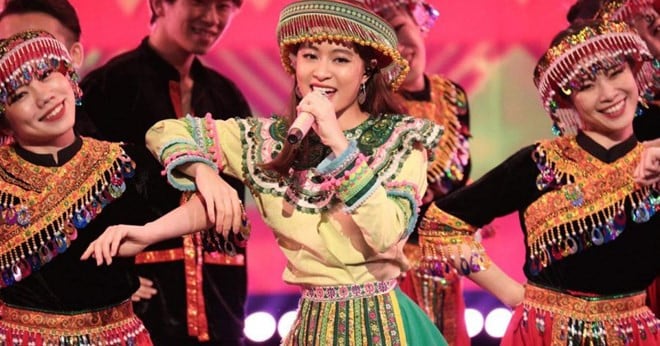
Preserving and spreading - the creative mark of young artists.
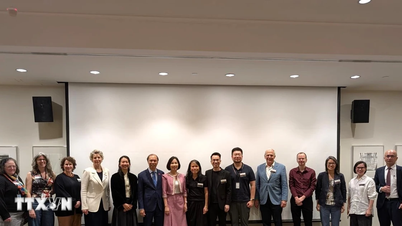
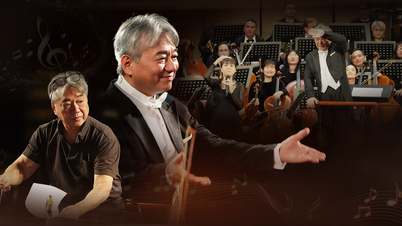
The seminar "Vietnamese Folk Culture and Arts After National Reunification (1975 - 2025)," recently organized by the Vietnam Folk Arts Association, presented a vivid picture of the 50-year journey of preserving and promoting this heritage. folklore.
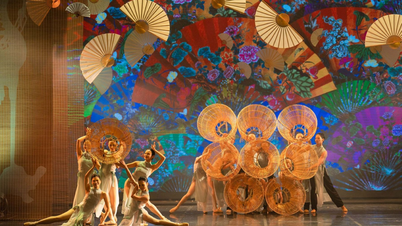
According to Professor Le Hong Ly, President of the Vietnam Folk Arts Association, alongside the intensified research, collection, and restoration efforts, one of the most positive signs today is the emergence of a new generation of young artists who know how to innovate traditional materials, transforming folk melodies into a source of creative inspiration in music , theater, fashion, and visual arts.
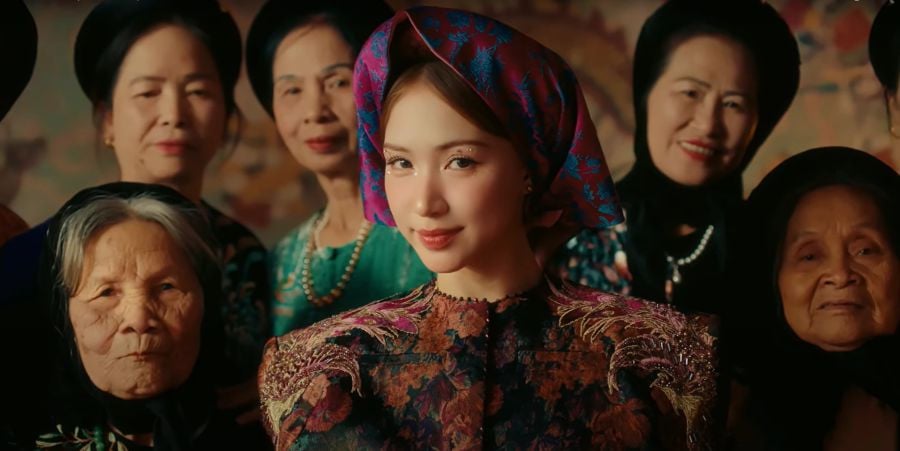
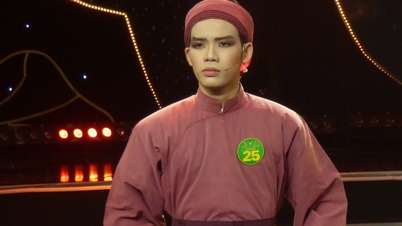
In recent years, the public has witnessed a strong rise of art products with folk influences but expressed in a contemporary language. A prime example is Hoa Minzy's music video "Thi Mau," inspired by traditional Vietnamese opera (cheo) but retold with modern, vibrant acting, music, and visuals. The product quickly became a sensation on social media, attracting tens of millions of views and bringing the image of cheo characters closer to young audiences.
Following this trend, many young artists such as Hoang Thuy Linh, Bich Phuong, Truc Nhan, and Duc Phuc are also finding ways to incorporate Vietnamese folk culture into their music. Hoang Thuy Linh's music videos "De Mi Noi Cho Ma Nghe," "Tu Phu," and "See Tinh" are prime examples of the seamless blend of modern music and traditional elements.
Recently, the music video "Bac Bling" by a group of young artists (Hoa Minzy, Tuan Cry...) combines Quan Ho folk music with a modern EDM arrangement, creating an interesting fusion between tradition and new sound technology.
These innovations not only rekindle a love for heritage but also help folk culture "live" amidst the digital age.
On platforms like TikTok, YouTube, and Spotify, many folk melodies are remixed, covered, and spread at a dizzying speed. Ancient songs that once seemed unfamiliar are now being sung and creatively reinterpreted by the younger generation in their own unique ways.
Expectations and challenges in the journey of preserving the national spirit.
According to cultural experts, young artists proactively seeking out their roots and incorporating folk elements into contemporary creations is a manifestation of maturity in artistic consciousness and social responsibility.
The rapid development of digital technology presents both opportunities and challenges for cultural heritage. Folk melodies and ancient tunes need to be systematically "digitized" to ensure their long-term preservation and to become an open source of material for creators.
However, according to Professor Le Hong Ly, the development of technology also poses a major challenge to folk culture, because the space and living environment of folk culture are in rural villages. Due to the strong influence of international integration, rural villages are gradually becoming urbanized, and the space for folk culture and arts is gradually shrinking.
Therefore, in the coming years, there are high expectations that collaborative programs between young artists and the Vietnam Folk Arts Association will be implemented more vigorously. This will create a "generational bridge" – where folk experience and knowledge are passed on to the younger generation of creators, helping folk culture remain vibrant and adapt flexibly to modern life.
Speaking to the Lao Dong Newspaper, Dr. Tung Hieu, a cultural researcher, said: “We shouldn't view folk culture as something outdated, but rather as a constantly flowing source in the soul of the Vietnamese people. If told in a new language, it will continue to thrive.” "To spread, inspire, and become a source of pride in every artistic creation."
Source: https://baoquangninh.vn/nghe-si-tre-lam-moi-van-hoa-dan-gian-3381018.html
![[Photo] General Secretary and President To Lam works with the Party Committee of the Ministry of Health on the work of Vietnamese traditional medicine.](https://vphoto.vietnam.vn/thumb/1200x675/vietnam/resource/IMAGE/2026/05/20/1779294323718_a1-bnd-2978-3319-jpg.webp)

![[Image] "Journey of Hope" promotes the organ and tissue donation movement in Vietnam.](https://vphoto.vietnam.vn/thumb/1200x675/vietnam/resource/IMAGE/2026/05/20/1779294400833_1-8910-jpg.webp)
















































Comment (0)