

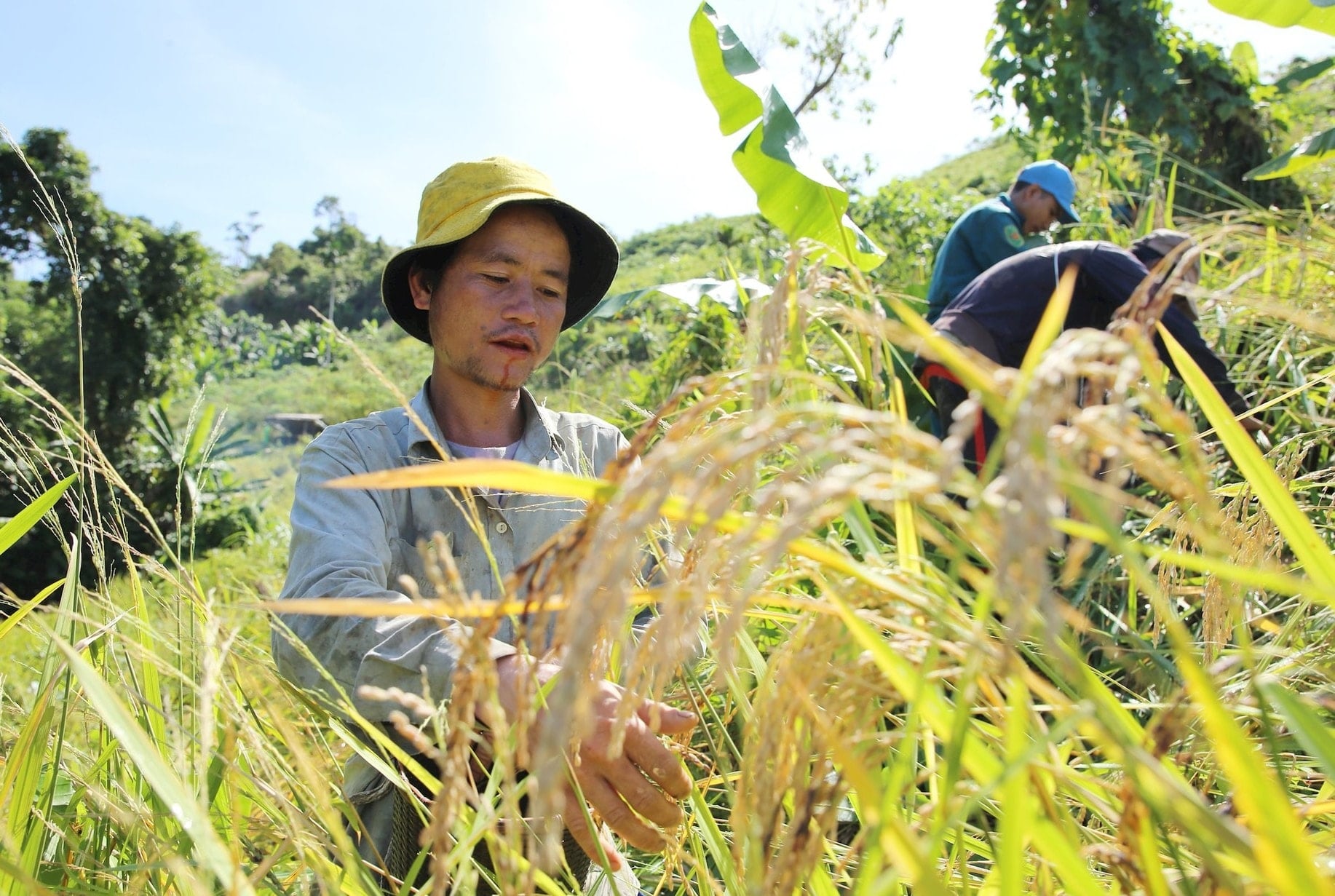
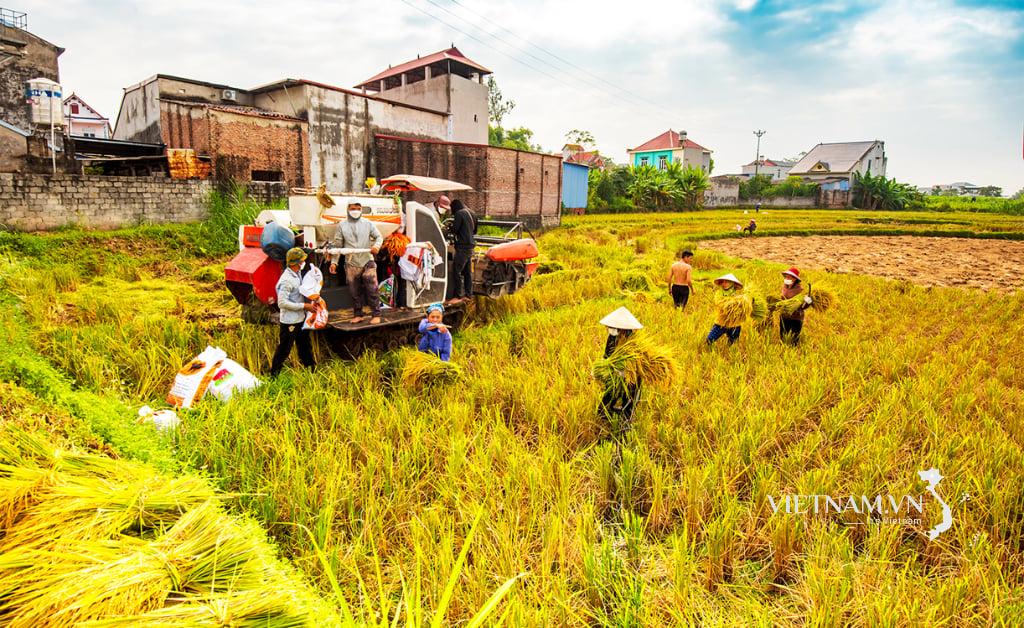
Welcoming the spirit of rice, celebrating the golden harvest season.
According to the veteran Ca Dong village elder, Meritorious Artisan Ho Van Dinh (93 years old) from Tam Lang village, hamlet 3, Tra Doc commune, the Lunar year 2025 (Year of the Snake) has two leap months of June, so this year's Tet (Lunar New Year) celebration for the Ca Dong people in Tam Lang area will come later than usual. By the end of October and beginning of November in the lunar calendar, the peak time for Tet celebrations, it will already be the last days of the Gregorian year, preparing to welcome the new year 2026.
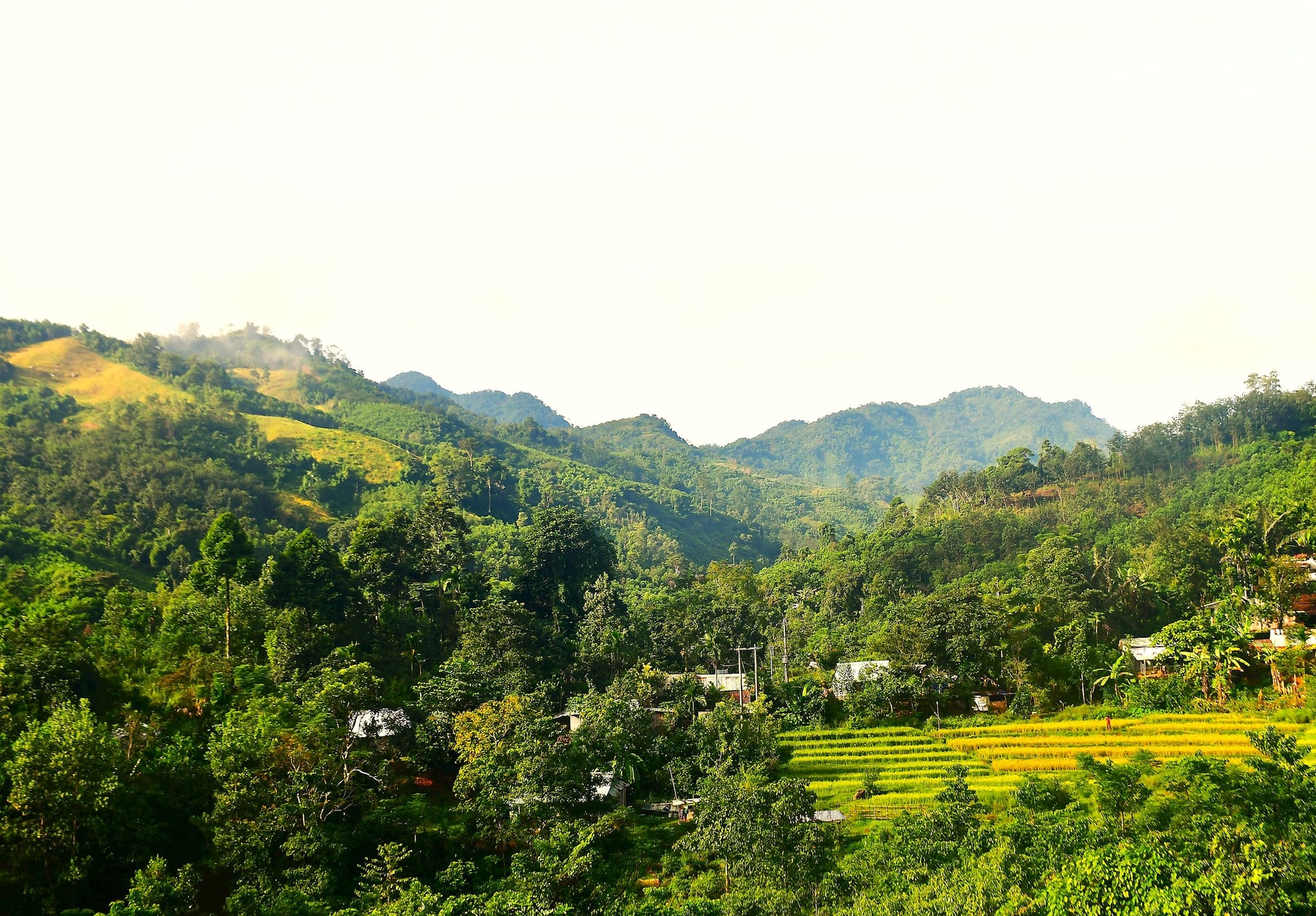
From September to November in the lunar calendar, when the forest changes its colors and P'răng birds fly back to perch on the rooftops, the Ca Dong people know that the harvest season has arrived. Throughout the villages of Tra Giap, Tra Doc, Tra Tan, Tra Van… the people prepare for the most important festival of the year: the New Rice Festival.
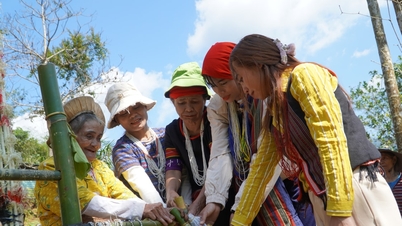
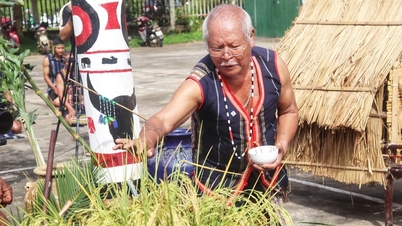
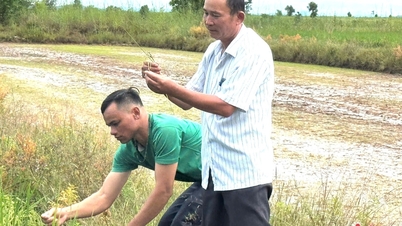
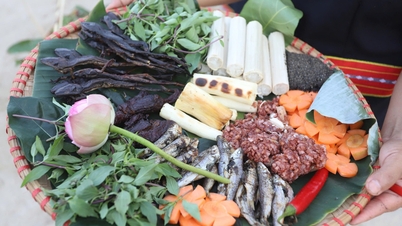
The ceremony begins with the ritual of "Bringing the Spirit of the Rice," reserved only for the women of the family. From dawn, the wife or eldest sister carries a basket, stone grass, and beeswax to the fields. They go to the rice plant they themselves planted, tie three stone grass stalks together to form a Padam to call the spirit of the rice back home. The rice is gently threshed and brought back to be cooked into a rice offering to the spirits. The whole family eats all the rice offered as a promise to heaven and earth. The official harvest takes place the following morning.
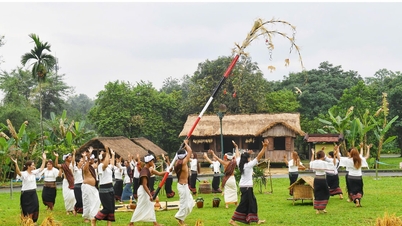
Next comes the ritual of celebrating the new rice harvest at home. The offering tray, consisting of jars of rice wine, new rice, and betel nuts, is placed at the "heavenly gate," a small door to welcome the spirits. The oldest person prays, inviting the rice god, the earth god, and ancestors to attend the ceremony. After the divination, the whole village beats gongs and dances all night around the campfire.
Elder Dinh said: “Celebrating the new rice harvest is to remember the gratitude to heaven and earth, and to our ancestors. Without them, there would be no sticky rice or rice to fill our stomachs. This ceremony is the soul of the Ca Dong people; abandoning it means losing ourselves.” In the previous harvest season, Elder Dinh presided over dozens of ceremonies involving sacrificing buffaloes and other animals. The rituals of offering sacrifices, eating chicken, pork, and buffalo are spiritual aspirations, a message the family sends to the spirits, especially the rice god, hoping for a bountiful harvest in the coming season.
Preserve cultural identity, abandon outdated customs.
In Boa village (hamlet 3, Tra Giap commune), village elder Nguyen Van Dong (88 years old) said that the floods at the end of the year washed away many sections of road, and rocks from the mountains fell, making travel difficult and hindering trade. But after harvesting in time before the floods, the villagers still organized the harvest festival. "Those who have little do little, those who have much do much. The important thing is for the children and grandchildren to gather together, give thanks to the rice god, and hope for a peaceful new year," Elder Dong said.
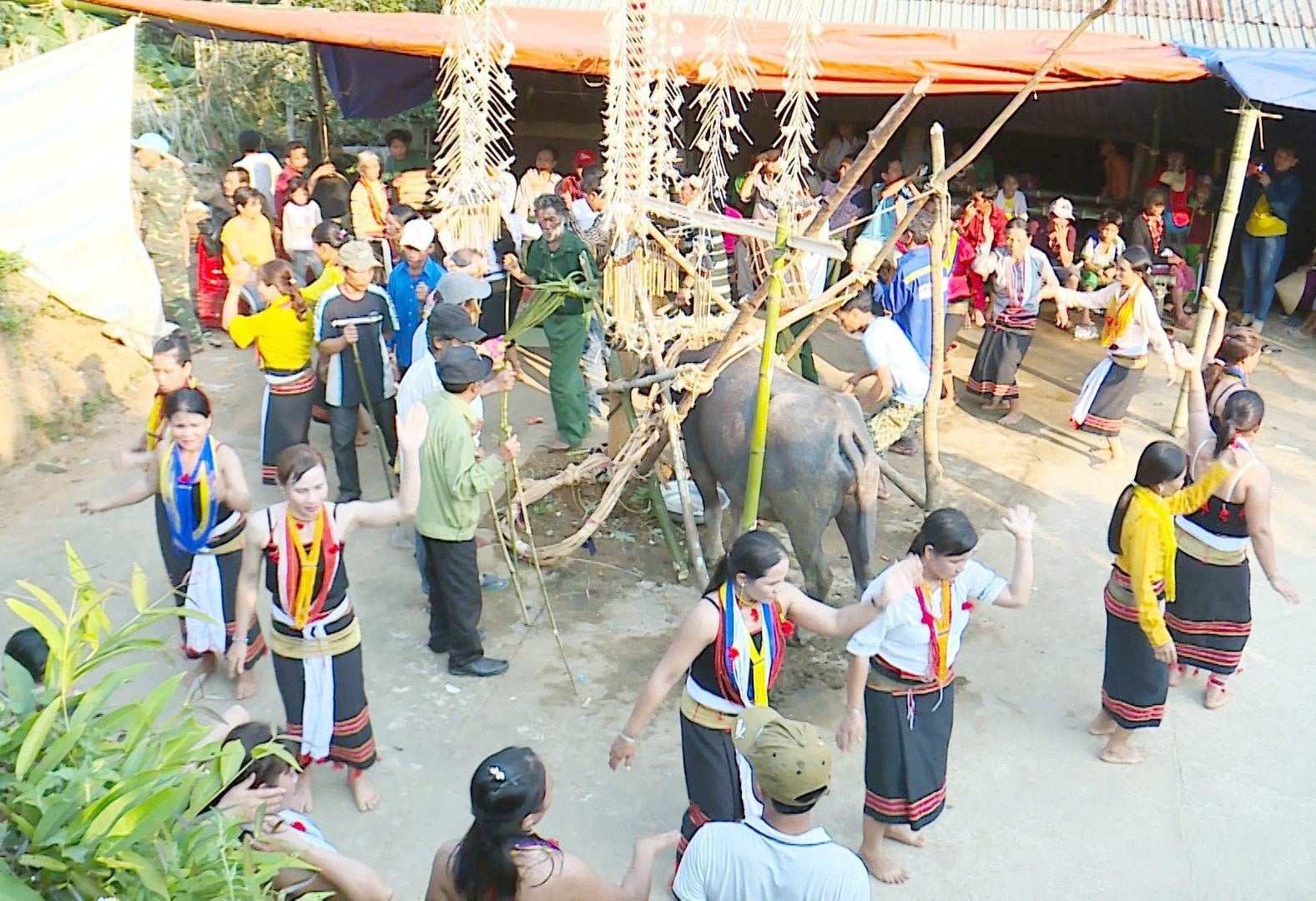
In Boa village, the custom of eating buffalo meat with flowers has rarely been held in recent years. The villagers believe that buffaloes are valuable livestock for plowing and providing manure for fertilizing fields, so the offerings are mainly symbolic, with simple ceremonies but still maintaining the full rituals. For wealthier Ca Dong families, the ceremony is larger, including eating buffalo meat with leaves or with flowers.
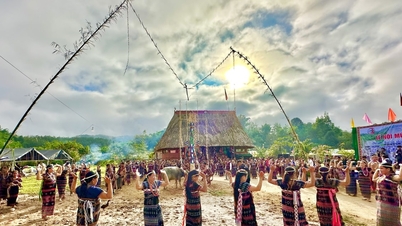
The buffalo sacrifice ceremony takes about a week to prepare: erecting the ceremonial pole, brewing rice wine, preparing bamboo-cooked rice, and preparing offerings. The buffalo is tied to the pole in the middle of the courtyard; the villagers beat gongs, sing and dance, ask for guidance from the oracle, and then perform the ceremony.
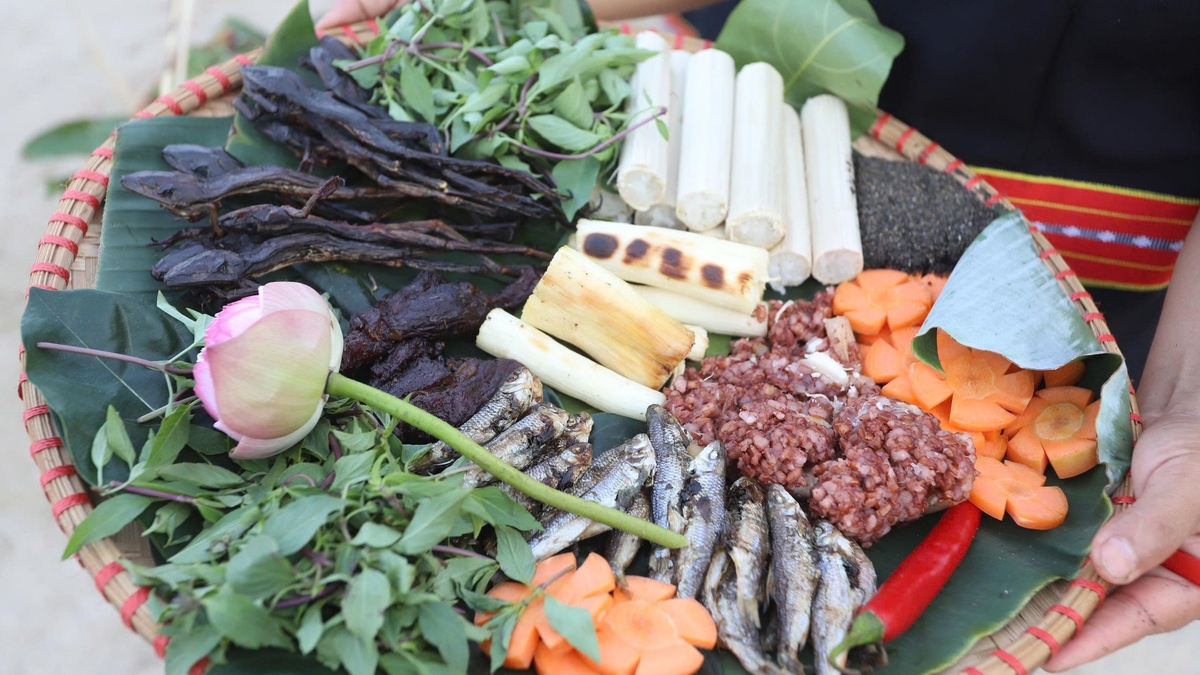
The buffalo festival is much larger, lasting three days and two nights, with preparations beginning months in advance. Rice wine is brewed beforehand, a chò tree is chosen as the ceremonial pole, and hundreds of tubes of sticky rice, wrapped cakes, chicken, and pork are prepared in abundance. The whole village gathers, gongs and drums resound through the mountains and forests, and descendants reunite in joyful celebration.
Ms. Nguyen Thi Kien, Chairwoman of the Vietnam Fatherland Front Committee of Tra Giap commune, said: "The government encourages people to observe the rituals in a civilized and economical way. The offerings can be simplified, but the spirit of unity, warmth, and respect for the deities should still be maintained."
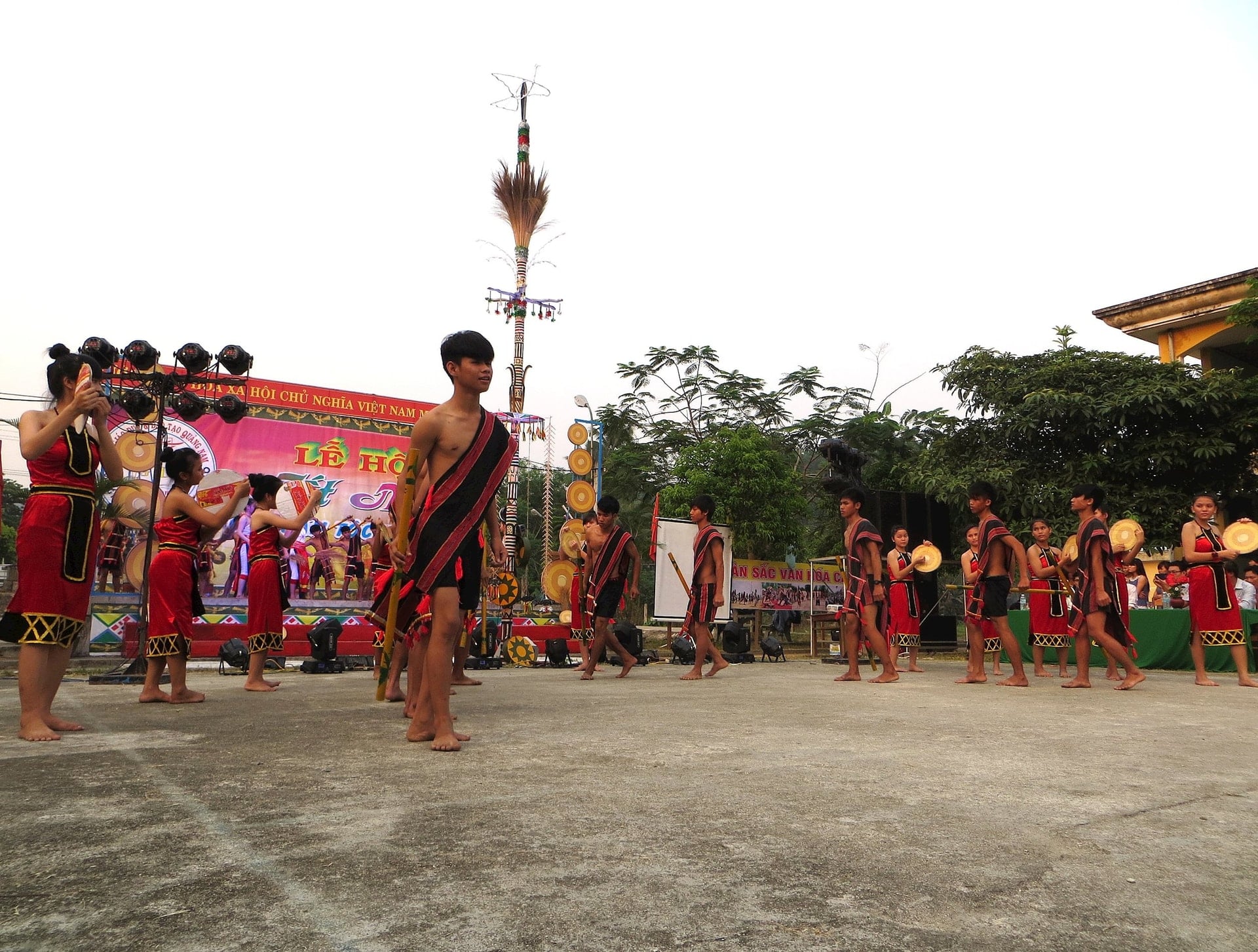
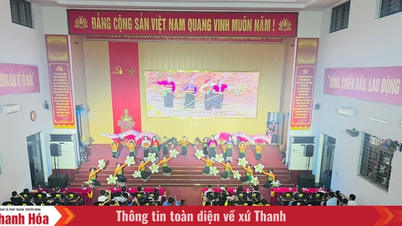
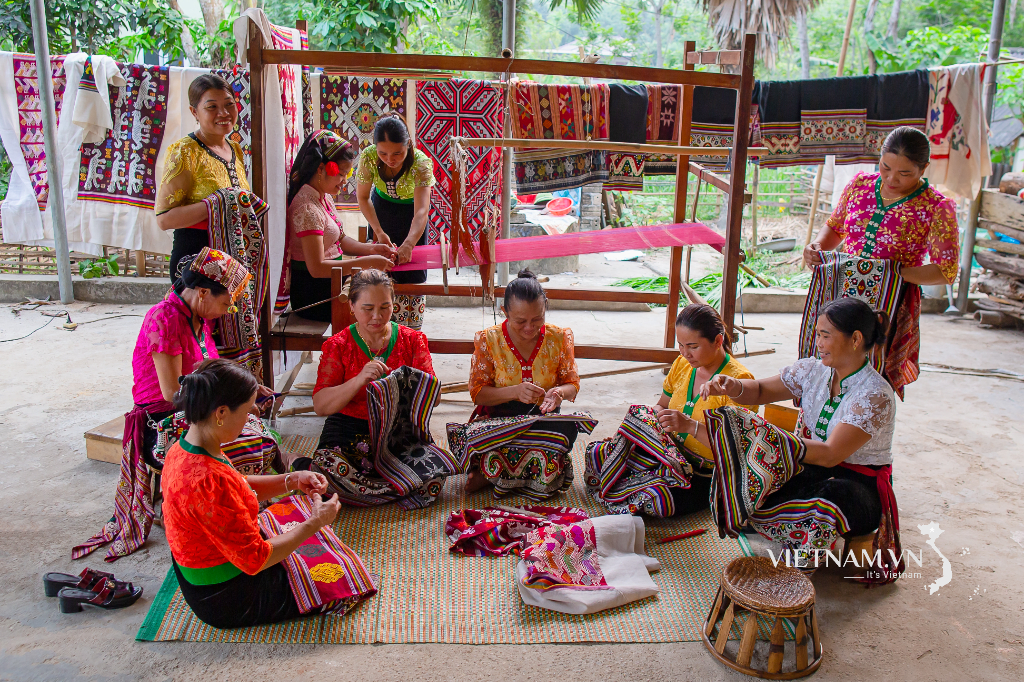
The New Rice Festival is also an occasion to showcase the cultural identity of the Ca Dong people: the resounding gongs, the gentle Cheo songs, the ancient prayers, and the simple folk dances. Children get to hear old stories; young men and women have the opportunity to meet and make friends; and the elderly can reminisce about the customs of their ancestors.
In the context of integration, many traditional values are at risk of disappearing. Therefore, localities such as Tra Giap, Tra Doc, Tra Tan, and Tra My have included the New Rice Harvest Festival in their cultural preservation programs, reviving and performing it during festivals. Schools organize extracurricular activities to reenact the ritual, so that children learn to appreciate the customs of their ethnic group.
Source: https://baodanang.vn/nguoi-ca-dong-vao-hoi-mung-lua-moi-3314228.html
![[Photo] General Secretary and President To Lam presides over a meeting on assessing national development resources.](https://vphoto.vietnam.vn/thumb/1200x675/vietnam/resource/IMAGE/2026/05/20/1779253785852_a1-bnd-2943-8519-jpg.webp)
























































Comment (0)