


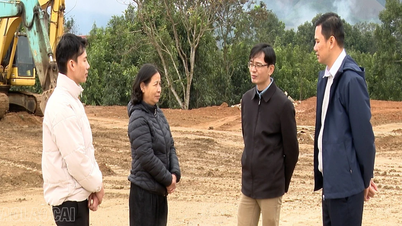
At the invitation of Ms. Trieu Thi Thao, Director and Chairwoman of the Board of Directors of the Chieng Ken Pomelo Agricultural, Forestry and Service Cooperative, I visited Be 2 village one day in mid-February.
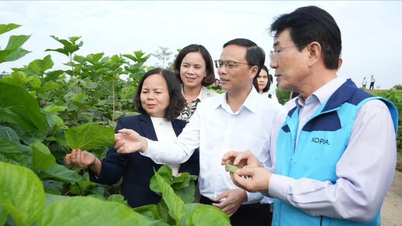
Taking advantage of the warm sunshine after a long period of drizzling rain, Ms. Thao is rolling up her sleeves and diligently picking ripe, golden pomelos from the trees in her vast farm in Be 2 village, Chieng Ken commune. The harvested pomelos are neatly loaded onto trucks and transported directly to Ms. Thao's home in Khanh Yen town. From there, the pomelos will be distributed according to orders to buyers in various locations within the district, province, and even neighboring areas.
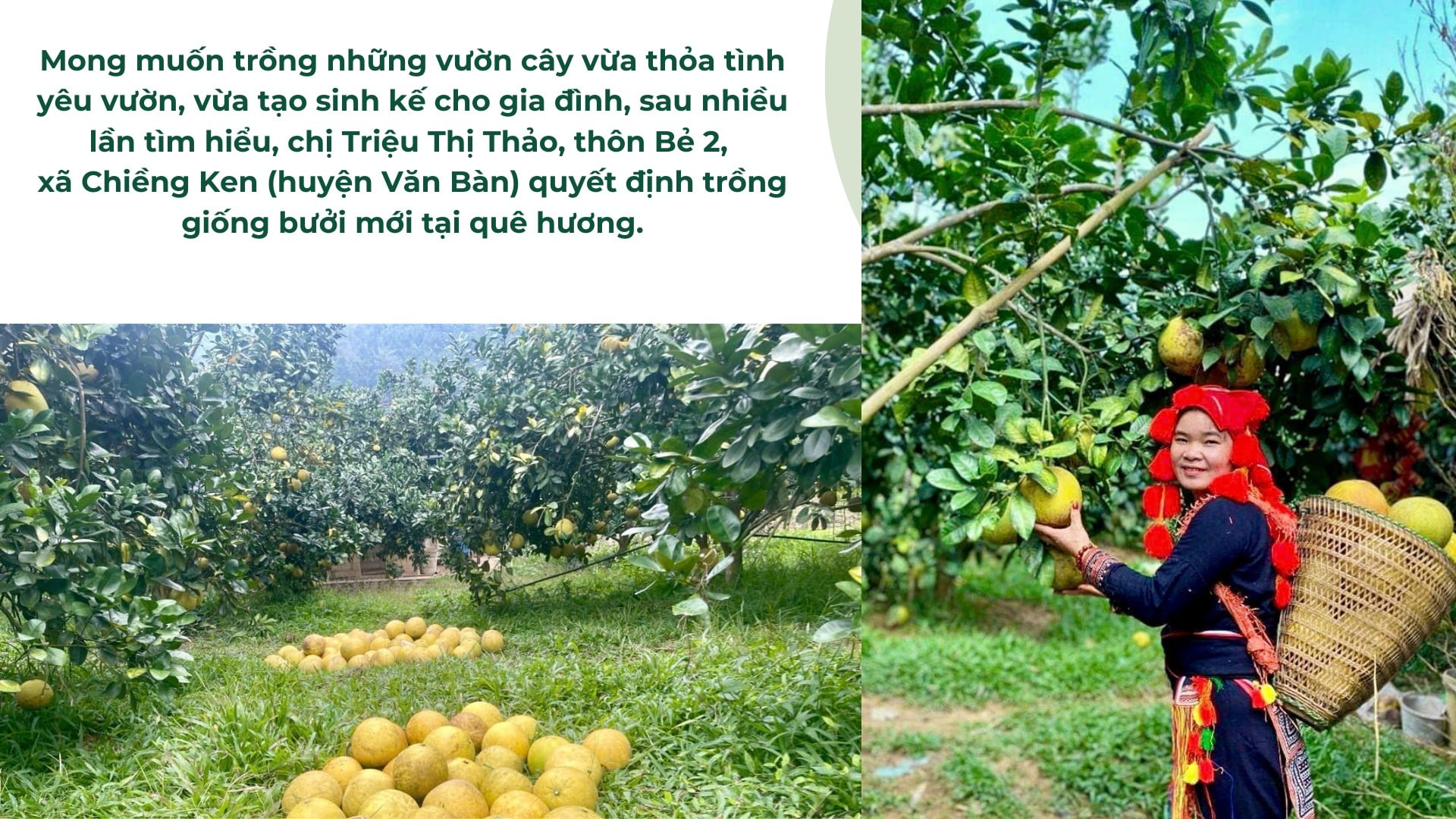
Ms. Trieu Thi Thao is a Red Dao woman, originally from Dan Thang commune (Van Ban district). Before venturing into pomelo cultivation, she worked as a postal worker at Van Ban Post Office and later started a fertilizer business. Driven by her passion for farming, she hoped to find a suitable fruit tree to develop commercially right in her hometown.
Initially, seeing some localities in the province growing Thai jackfruit, she also considered following suit and planting this fruit. However, after being introduced to the sweet pomelo variety by her cousin in Hanoi , she packed her bags and went to the area to examine it firsthand. After carefully researching the characteristics of this tree, along with the soil, climate, and market demand, she finally decided to plant the new pomelo variety in her hometown of Chiềng Ken.
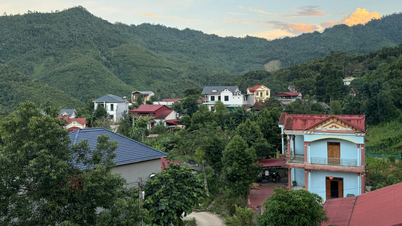
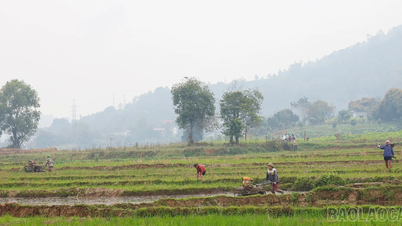
Because pomelo trees thrive in barren soil, abundant natural sunlight, and ample irrigation water, Ms. Thao chose a deserted plot of land beside the Nhu stream in Be 2 village, Chieng Ken commune, as the starting point for her pomelo cultivation project. Local residents were surprised to see Ms. Thao purchase this barren land, a place previously used for turmeric and ginger cultivation under a district project that had failed. Many speculated about the fate of the pomelo trees if planted there, fearing they would end up just like the turmeric and ginger...

Having acquired land, Ms. Thao planned out rows and planted nearly 2,000 pomelo trees (each tree grafted with 3 saplings to select the best ones), carrying with her the hopes of herself and her family. In the early days of caring for the trees, Ms. Thao was not afraid of hard work, diligently learning from experience and reading documents about citrus trees. From digging circles around the base of the trees to fertilize and encourage branching and leaf growth, to ensuring abundant flowering and fruiting, everything was strictly followed according to cultivation procedures. In particular, to ensure the pomelos were sweet, juicy, and visually appealing, Ms. Thao only used organic fertilizers, avoiding pesticides and chemical fertilizers.
With perseverance and hard work, after 4 years of planting and caring for them, nearly 2,000 pomelo trees have grown well, with a 100% fruit setting rate. In the first harvest, in 2022, the pomelo orchard generated 200 million VND in revenue. In subsequent years, it yielded approximately 800 million VND annually.
Standing amidst the vast orchard of ripe pomelos, enveloped in their intoxicating aroma, Ms. Thao recalled: "The day I held the first pomelo in my hand, I was so happy I almost cried, especially when I tasted it. The characteristic sweet and refreshing flavor overwhelmed me with happiness, because all the hardships and struggles had finally borne fruit."
I am happy for her, a woman of the Red Dao ethnic group from the remote, impoverished mountains of Dan Thang, who has overcome prejudice and confidently started a successful business from her homeland, a place so dear to her.

At midday, the spring sunshine sparkled through the leaves. While peeling a pomelo to offer to guests, Ms. Thao happily continued her story: "This type of sweet pomelo, we imported the seeds from Hanoi. It's a grafted variety, created by combining a new sweet pomelo variety with the famous Dien pomelo from Hanoi. Fortunately, it 'combines' all the dominant genes, creating a superiorly fragrant and delicious sweet pomelo." I held a freshly separated segment of the sweet pomelo in my hand; it was indeed very easy to peel, the segments were dry and not mushy, and tasted intensely sweet and fragrant.
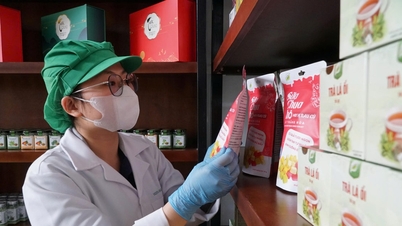
According to Ms. Thao, depending on the age of the tree and the quality of the soil, pomelos will vary in size. Large fruits can weigh up to 1.5 kg. When harvested, the cooperative will sort them into different codes for sale on the market. The price of pomelos ranges from 5,000 to 25,000 VND per fruit, depending on size. Currently, the Chieng Ken Pomelo Agricultural, Forestry and Service Cooperative has two 3-star OCOP products: Nha Trieu Pomelo and Pomelo Tea, to serve consumers.
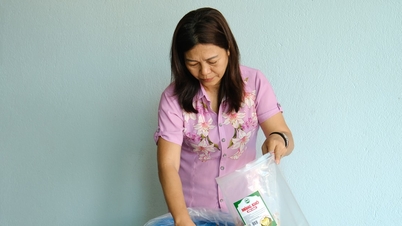
Besides selling directly at her home in Khanh Yen town, Ms. Thao also applies 4.0 technology in promoting and introducing her products on social media. As a result, many people know about and order pomelos to supply restaurants and hotels in the province, creating more jobs and income for local workers.
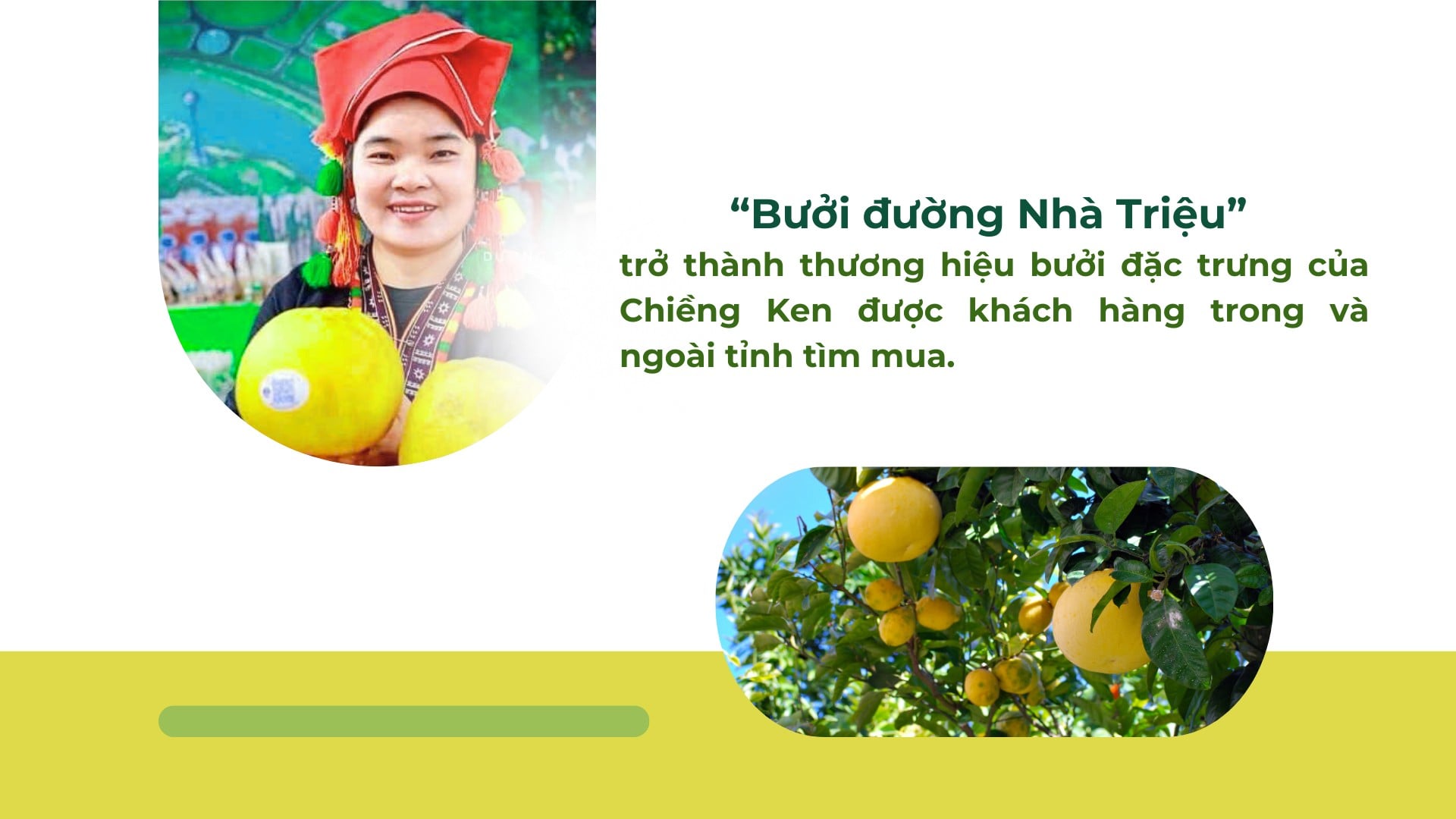
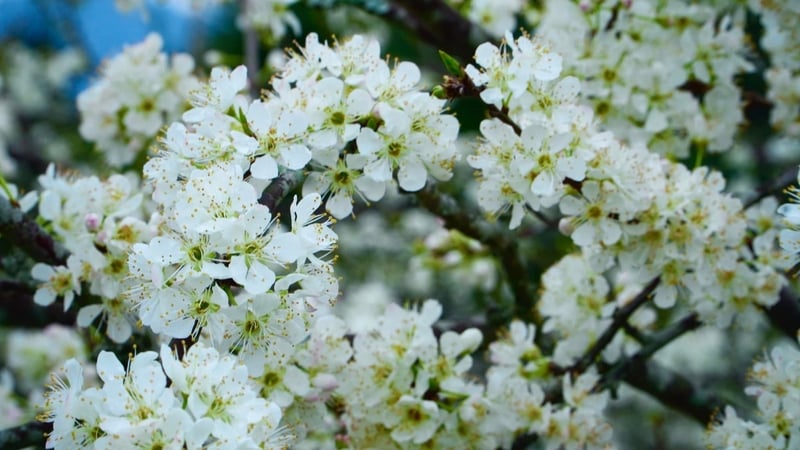
Driven by a passion for farming and a desire to spread the sweet and fragrant pomelo variety and establish a foothold in new areas, Ms. Thao collaborated with the Bat Xat District Agricultural Service Center to encourage the Giay people in Quang Kim to expand the cultivation of this valuable pomelo variety. Supporting Ms. Thao, since 2022, farmers in Quang Kim have planted approximately 5 hectares with 1,800 pomelo trees. Their efforts have paid off; the mature orchards are now in full bloom, promising a bountiful harvest of sweet fruit as expected.
Bidding farewell to this woman who cherishes farming and dares to "think big and act realistically," I deeply appreciate Ms. Thao's desire to create more new products, such as tea bags and grapefruit essential oil, to increase the value of the sweet Chieng Ken grapefruit from her hometown.
Source: https://baolaocai.vn/nguoi-uom-qua-ngot-o-chieng-ken-post399119.html










































































Comment (0)