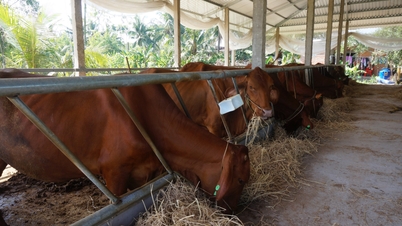
Trade deficit reaches highest level in 10 years.
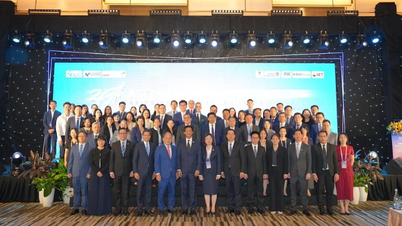
At the conference "Finding solutions for risk management, controlling trade deficit and promoting exports," organized by the Import-Export Department of the Ministry of Industry and Trade on June 12th, Mr. Nguyen Anh Son - Director of the Import-Export Department - stated that exports continue to be identified as one of the important drivers for achieving double-digit economic growth targets in accordance with Government Resolution 148.
According to data from the Import-Export Department, total merchandise exports in the first five months of the year reached nearly $215.7 billion, an increase of 19.5% compared to the same period last year. This is a positive growth rate in the context of a global economy still facing many risks from geopolitical conflicts, protectionist trends, and policy changes in major markets.
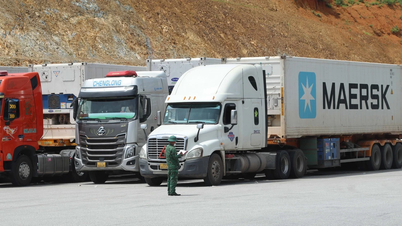
However, imports increased faster than exports. Import turnover reached nearly $229.5 billion, an increase of 30.8%. In May alone, Vietnam had a trade deficit of approximately $5.2 billion, bringing the cumulative trade deficit from the beginning of the year to about $13.8 billion, the highest level in the past 10 years. In contrast, during the same period last year, the trade balance still showed a surplus of approximately $5.1 billion.
Mr. Tran Quoc Toan, Deputy Director of the Import-Export Department, believes that the reversal in the trade balance reflects the strong increase in demand for imported raw materials, machinery, and equipment as businesses expand production and anticipate new orders. However, the increasing trade deficit also necessitates close monitoring of market developments and appropriate management solutions to ensure macroeconomic stability.
The export picture continues to show the leading role of the foreign direct investment (FDI) sector.

Of the total export turnover of nearly $215.7 billion, the FDI sector achieved $171.47 billion, an increase of 24.7% and accounting for 79.5%. Meanwhile, the domestic enterprise sector only achieved $44.19 billion, an increase of 2.9%, equivalent to 20.5% of the total turnover.



" This figure shows that the domestic business sector has not yet fully capitalized on the recovery of global trade. The gap in production capacity, technology, scale, and the ability to participate in international supply chains continues to be major obstacles for Vietnamese businesses ," said Mr. Tran Quoc Toan.
The trade deficit mainly comes from raw materials and machinery.
Conversely, imports of goods serving production recorded very high growth. Specifically, imports of computers, electronic products and components reached $88.2 billion, a 57.1% increase compared to the same period last year. Imports of machinery, equipment and spare parts also increased sharply.
According to the Import-Export Department, approximately 87.8% of total current imports consist of raw materials, machinery, equipment, and inputs for production. This indicates that the majority of the trade deficit stems from the need to expand the economy's production capacity.
However, in the long term, heavy reliance on imported raw materials and components remains a challenge to the ability to increase the added value and competitiveness of Vietnamese goods. Many argue that it is necessary to promote the development of supporting industries, increase the localization rate, and gradually form domestic supply chains that can better meet the needs of the manufacturing sector.
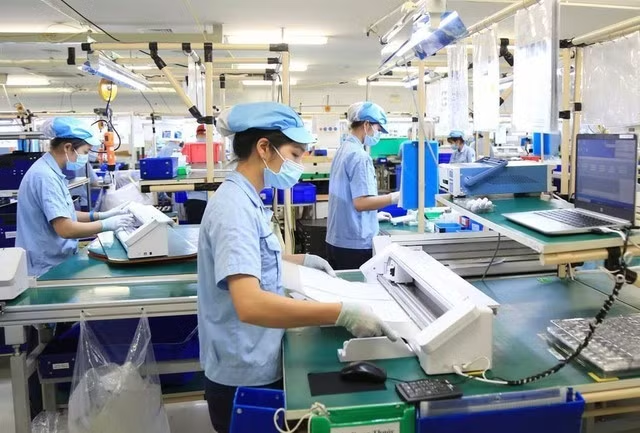
According to a survey conducted by the Import-Export Department, the business community and industry associations report that they are still facing many difficulties.
The most prominent challenges are pressure regarding capital, financial costs, and the availability of high-quality human resources. Many businesses believe that their ability to invest in technology, deep processing, and production expansion remains limited.



Furthermore, increasingly stringent technical standards, food safety, sustainable development, and traceability requirements in many major export markets are driving up compliance costs.
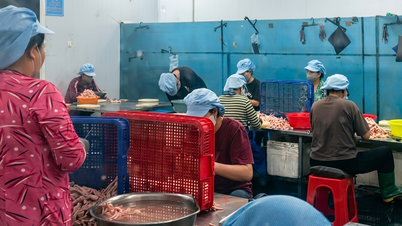
Logistics, transportation, and warehousing costs continue to be a burden for many industries, especially agricultural and aquatic products. Businesses also hope that procedures related to tax refunds, certificates of origin (C/O), and specialized inspections will be further simplified and digitized.
Amidst ongoing adjustments to trade policies and increased protectionist measures across many countries, industry associations are urging regulatory bodies to strengthen forecasting, early warning systems, and support businesses in effectively utilizing free trade agreements.
Source: https://tienphong.vn/nhap-sieu-cao-nhat-10-nam-co-dang-lo-post1850949.tpo