

The aristocratic widow spider is only about 1 cm long but can hunt vertebrates thanks to its potent venom and strong silk threads.
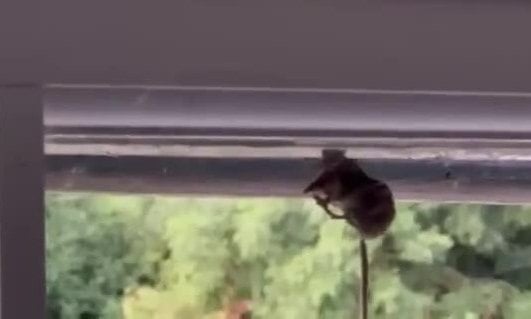
A noble-looking widow spider takes down a pygmy shrew. Video : Science Alert
Most spiders pose very little danger to humans, including the noble false widow spider ( Stadoda nobilis ). However, this predator, only about 1 cm long, possesses strength far beyond imagination. For example, it can hunt vertebrates such as lizards, bats, and even shrews, according to new research, Science Alert reported on August 26.
Zoologist Dawn Sturgess at the University of Galway filmed a female noble widow spider taking down a pygmy shrew ( Sorex minutus ) in a house in Chichester, southern England. The research, led by zoologist Michel Dugon at the University of Galway, was published in the journal Ecosphere.
Compared to the noble dwarf widow spider, the dwarf shrew is a giant, typically measuring about 5 cm in length plus its 4 cm tail. It's more than three times the length of the spider, not including the tail, and weighs about 10 times as much. Like true widow spiders (including the black widow and redback spiders), the noble dwarf widow spider handles large prey using a combination of potent venom and strong silk threads.
The research team reported that the pygmy shrew remained alive while trapped in the spider's web, even with minimal movement. This may be due to the spider's potent neurotoxin, which rapidly paralyzes the muscles and nerves. The spider moved back and forth between the pygmy shrew and the beam above the window, using its silk to pull the prey up about 25 cm.
After 20 minutes, the spider had pulled its prey up the beam, partially out of sight. It wrapped the pygmy shrew in its silk, devoured it for three days, and then dropped what remained from the web. The team of experts said that what was left was only fur, bones, and skin.
It's unclear exactly how the spider caught the pygmy shrew, but it's likely not a coincidence. The shrew may have climbed the wisteria bush near the bedroom window and been trapped by the spider's silk, paralyzed by its venom, and then hung from a beam.
The research team explained that this is the third report in five years of the noble widow spider catching vertebrates, and their methods suggest they have adapted to hunting this type of prey. This is the first time a member of the Theridiidae family has been recorded hunting shrews in Ireland and England. It is also the first time in the world that a spider has hunted a shrew.
The noble false widow spider is native to Madeira and the Canary Islands but has become an invasive species in several other parts of the world, including the UK. This invasive species can cause problems for both humans and wildlife, so further research into this spider is crucial.
Thu Thao (According to Science Alert )
Source link

![[Photo] Prime Minister Pham Minh Chinh presides over a meeting on private sector economic development.](/_next/image?url=https%3A%2F%2Fvphoto.vietnam.vn%2Fthumb%2F1200x675%2Fvietnam%2Fresource%2FIMAGE%2F2025%2F12%2F20%2F1766237501876_thiet-ke-chua-co-ten-40-png.webp&w=3840&q=75)






































































































Comment (0)