

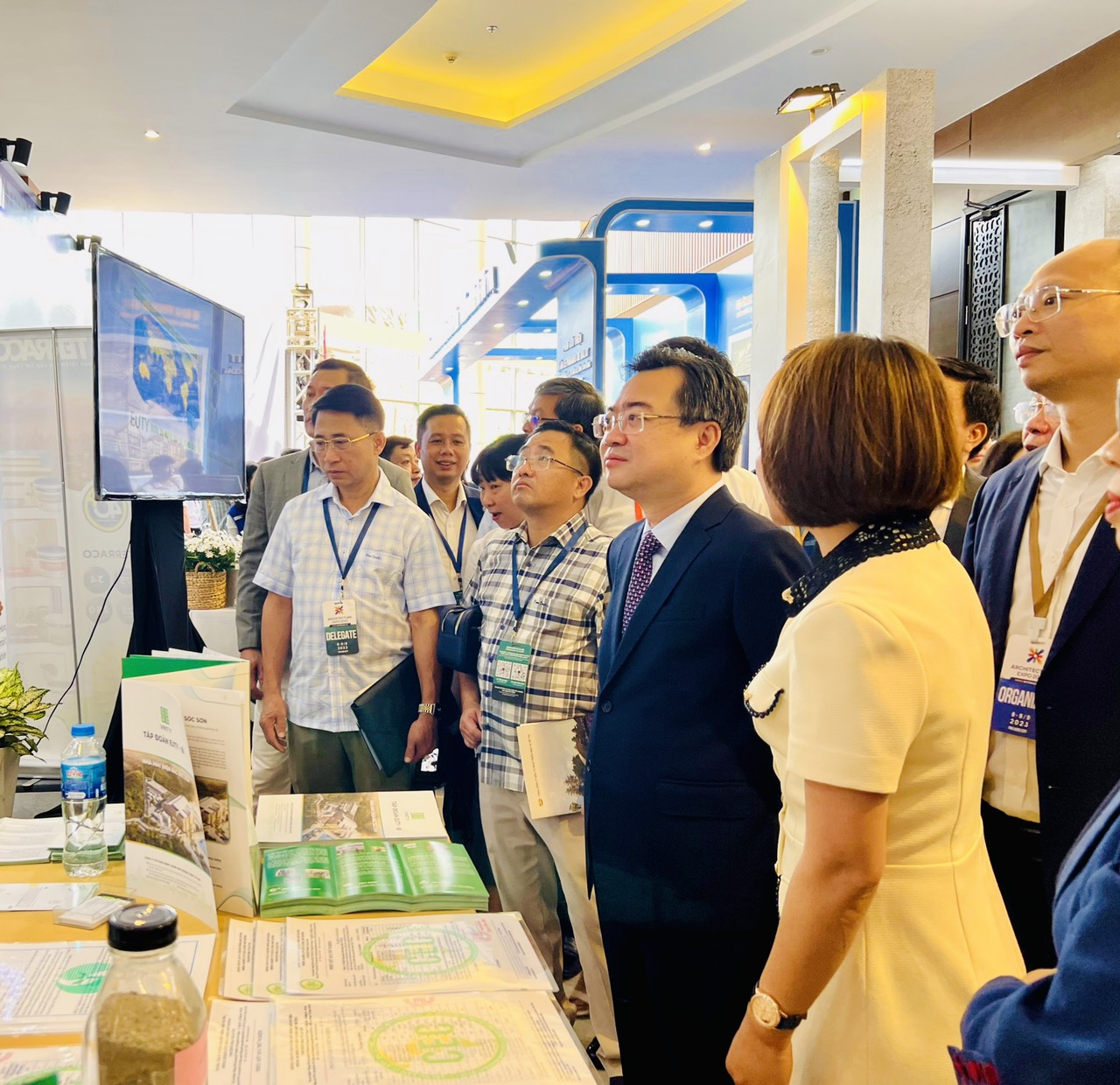
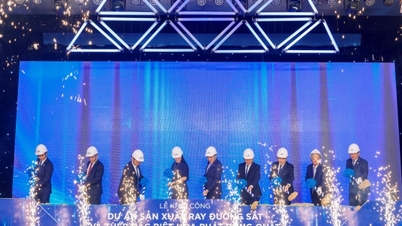
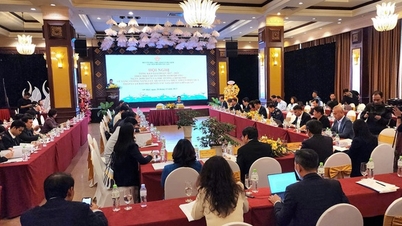
On the morning of September 8th, in Phu Quoc City ( Kien Giang province), the EXPO Architecture 2023 exhibition, themed "Architecture - Creating Sustainable Spaces for the Community," was officially inaugurated.
At this conference, Mr. Nguyen Thanh Nghi, Minister of Construction, stated that currently, the country has approximately 889 urban areas, with thousands of new urban zones featuring renovated, upgraded, and newly constructed infrastructure; and tens of thousands of diverse and complex buildings and complexes with various functions.
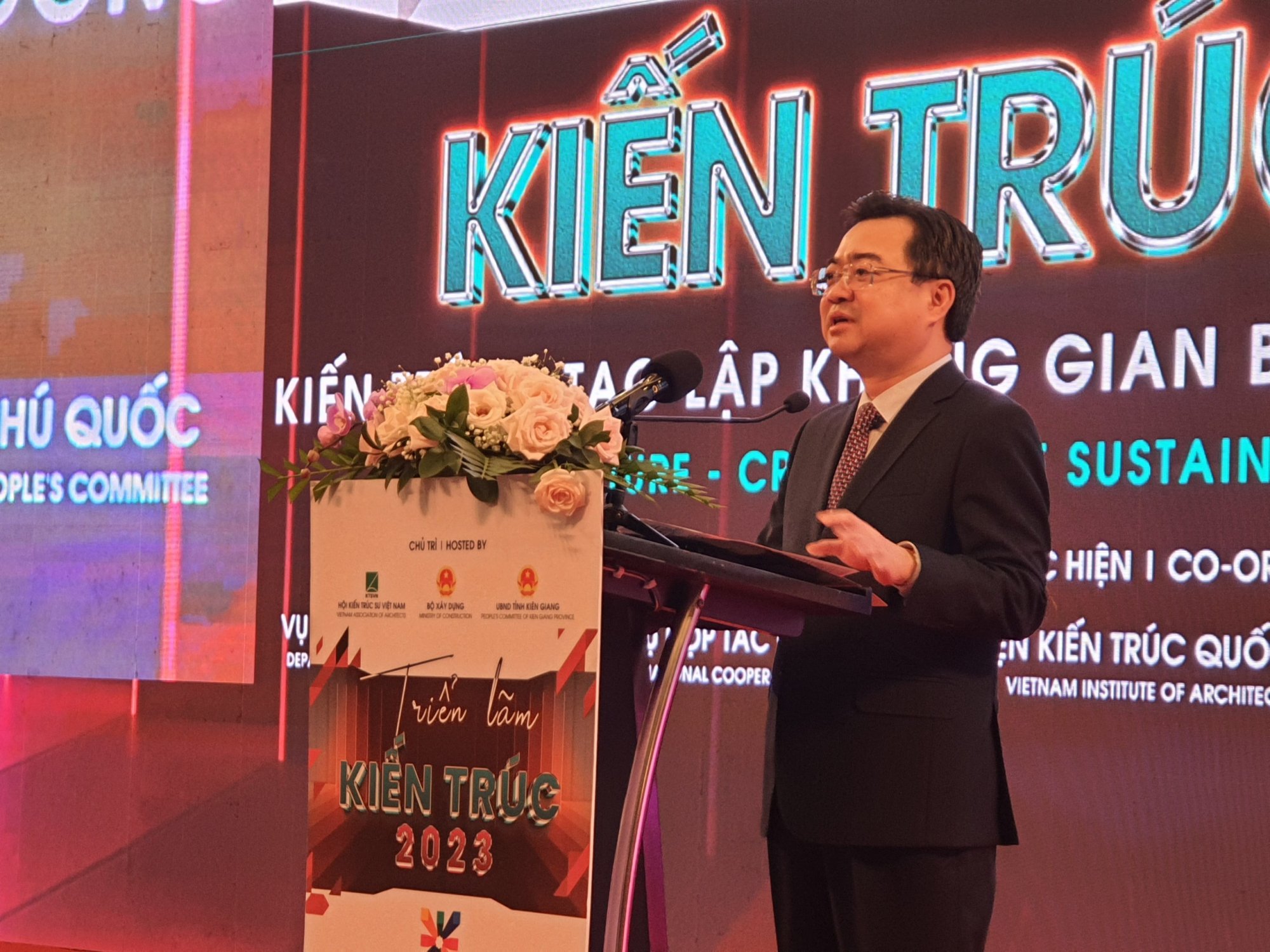
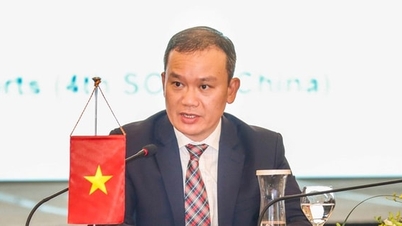
Mr. Nguyen Thanh Nghi, Minister of Construction. (Photo: Construction)
The architecture of many rural areas has demonstrated the criteria of "Bright - Green - Clean - Beautiful". In particular, Vietnam is developing green architecture, sustainable architecture that is friendly to the natural environment and people to adapt to climate change.
According to Mr. Nguyen Thanh Nghi, Minister of Construction, the architecture sector still has shortcomings and inadequacies that need to be addressed in the future.
"We have been striving to develop smart cities to keep pace with new trends, serving and creating better living conditions for the people. With these efforts, Vietnamese architects have achieved many accomplishments, with an increasing number of architectural works winning national and international awards," Mr. Nghi said.
However, the Minister of Construction stated that Vietnamese architecture still has shortcomings and inadequacies that need to be addressed in the future.
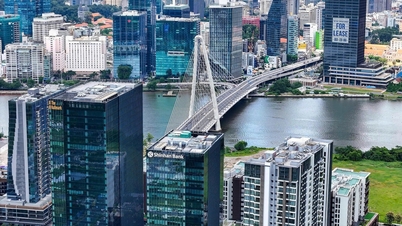
According to the Minister, many urban areas are developing unevenly and haphazardly; there are still inadequacies between conservation and development. Cities lack green spaces, public spaces, and water bodies…
The Minister of Construction stated that many urban areas are developing unevenly, and urban architecture remains fragmented and mixed. (Photo: Construction)
Minister Nguyen Thanh Nghi emphasized that urban architecture is developing rapidly and diversely, but it remains alien to national culture, is merely copied, and lacks a truly unique identity; existing neighborhoods have patchwork, hybrid architecture, encroaching on public spaces and lacking urban landmarks.
Meanwhile, rural architecture tends towards concrete structures and standardized designs; the management, preservation, and promotion of distinctive, traditional architectures, natural values, landscapes, spaces, and unique local culture in rural architectural development have not been truly effective or given due importance.
The Minister stated that Vietnamese architecture will continue to face many major challenges in the new phase of the country's development – a phase of sustainable development and deep integration with traditional and non-traditional challenges.
Therefore, the requirement to preserve, inherit, and promote traditional architectural values, along with building an advanced, modern Vietnamese architecture rich in national identity, needs to be thoroughly researched and further concretized through the selective adoption and application of science and technology, the use of new materials, environmental protection, and the efficient and economical use of resources and energy.
New opportunities and demands require Vietnamese architects, research and training institutions, investors, and state management agencies in the field of architecture to pay attention, make efforts, adopt new approaches, and develop appropriate and effective orientations and solutions.
Through the EXPO Architecture 2023 exhibition, the organizers aim to recognize the dedication, achievements, and significant contributions of Vietnamese architecture and Vietnamese architects, as well as to continue researching and seeking new directions and solutions in terms of theory, design, training, and management for the development of Vietnamese architecture, in order to seize opportunities, address practical challenges, and meet the requirements of serving the people and the sustainable development of the country.
Source

![[Photo] Prime Minister Pham Minh Chinh presides over a meeting on private sector economic development.](/_next/image?url=https%3A%2F%2Fvphoto.vietnam.vn%2Fthumb%2F1200x675%2Fvietnam%2Fresource%2FIMAGE%2F2025%2F12%2F20%2F1766237501876_thiet-ke-chua-co-ten-40-png.webp&w=3840&q=75)


























































Comment (0)