


Hanoi's National Children's Hospital is currently treating approximately 1,000 children with diabetes, a disease that is difficult to detect, easily mistaken for other illnesses, and can cause many complications.
This information was provided by Mr. Tran Minh Dien, Director of the National Children's Hospital, at the "Lighting Up Blue" program in response to World Diabetes Day 2023 , on the evening of November 11th.
Diabetes is a condition characterized by high blood sugar levels. Fasting blood sugar is above 7 mmol/l and post-meal blood sugar is above 11 mmol/l. Type 1 diabetes, also known as insulin-dependent diabetes, primarily affects children and adolescents because the pancreas is no longer able to produce enough insulin. Patients with type 1 diabetes require insulin treatment to have a chance of survival.
According to Mr. Vuong Anh Duong, Deputy Director of the Department of Medical Examination and Treatment Management, Vietnam has approximately 7 million people with diabetes. Type 1 diabetes accounts for about 5-7% of all diabetes patients, with 95% due to autoimmune mechanisms and 5% of unknown cause. Other risk factors include infection with coxsackie virus, rubella, cytomegalovirus, etc. Some babies whose diets involve early exposure to cow's milk are also associated with the onset of the disease.

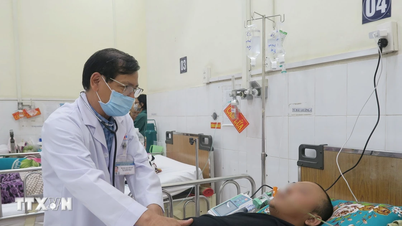
A child with diabetes is being treated at the hospital. Photo: Thuy Quynh
Type 1 diabetes is not classified as a genetic disorder; however, the risk of developing it is higher if a family member, such as a parent or sibling, has the disease. The symptoms of diabetes can be mistaken for those of other illnesses.
As diabetes progresses, blood sugar levels often increase 5-10 times. Excess glucose spills into the urine, increasing urine volume and causing dehydration. Increased thirst occurs as the body attempts to balance fluid levels.
Patients may experience weight loss a few weeks to a few months after contracting the illness. Two fairly common symptoms are excessive fatigue and mood swings due to poor health. In addition, symptoms include thirst, increased fluid intake, frequent urination, weight loss, fatigue, blurred vision, and bedwetting in children who have not previously had the illness.
Over time, complications from diabetes can affect major organs in the body, including the heart, blood vessels, nerves, eyes, and kidneys.
To treat type 1 diabetes, patients must use insulin, adjust their diet and lifestyle accordingly, and engage in moderate physical activity. In children, in addition to controlling blood sugar, normal growth and development goals must be ensured. Blood sugar should be monitored at least four times a day to adjust insulin dosage based on blood glucose levels. Alternating insulin injection sites and blood glucose testing sites is recommended for optimal results.

Mr. Tran Minh Dien, Director of the National Children's Hospital, speaking on November 11th. Photo: Le Nga
According to Mr. Dien, at the National Children's Hospital, a decade ago they only received about 10 cases a year, but in recent years there have been hundreds of cases annually. Of the 1,000 cases the hospital is currently treating, only about 30% are from Hanoi, where travel is easy, while the remaining 70% are from neighboring provinces.
"Although health insurance now covers medicine and supplies, the children still have to travel long distances, affecting their studies and creating a burden for their families," Mr. Dien said.
Faced with this burden, the hospital is implementing the Diabetes Care Program for Vietnamese Children and Adolescents (CDiC). This is a collaborative program initiated by Novo Nordisk with the participation of the International Diabetes Federation (IDF) and the World Diabetes Foundation (WDF). Under this program, the hospital provides free reagents and equipment to help children monitor their blood sugar at home. Since April, approximately 400 children have received support for monitoring and controlling their blood sugar at home.
In addition to intervention, children also need to have a healthy diet. Encourage them to eat low-fat, nutrient-rich foods, such as whole-grain cereals and bread, fruits, vegetables, dairy products, and protein. Limit sugary foods and drinks. Encourage regular physical activity.
Le Nga
Source link










































































































Comment (0)