Bustling straw harvesting takes place in the fields of Nghe An province.
Việt Nam•20/05/2024
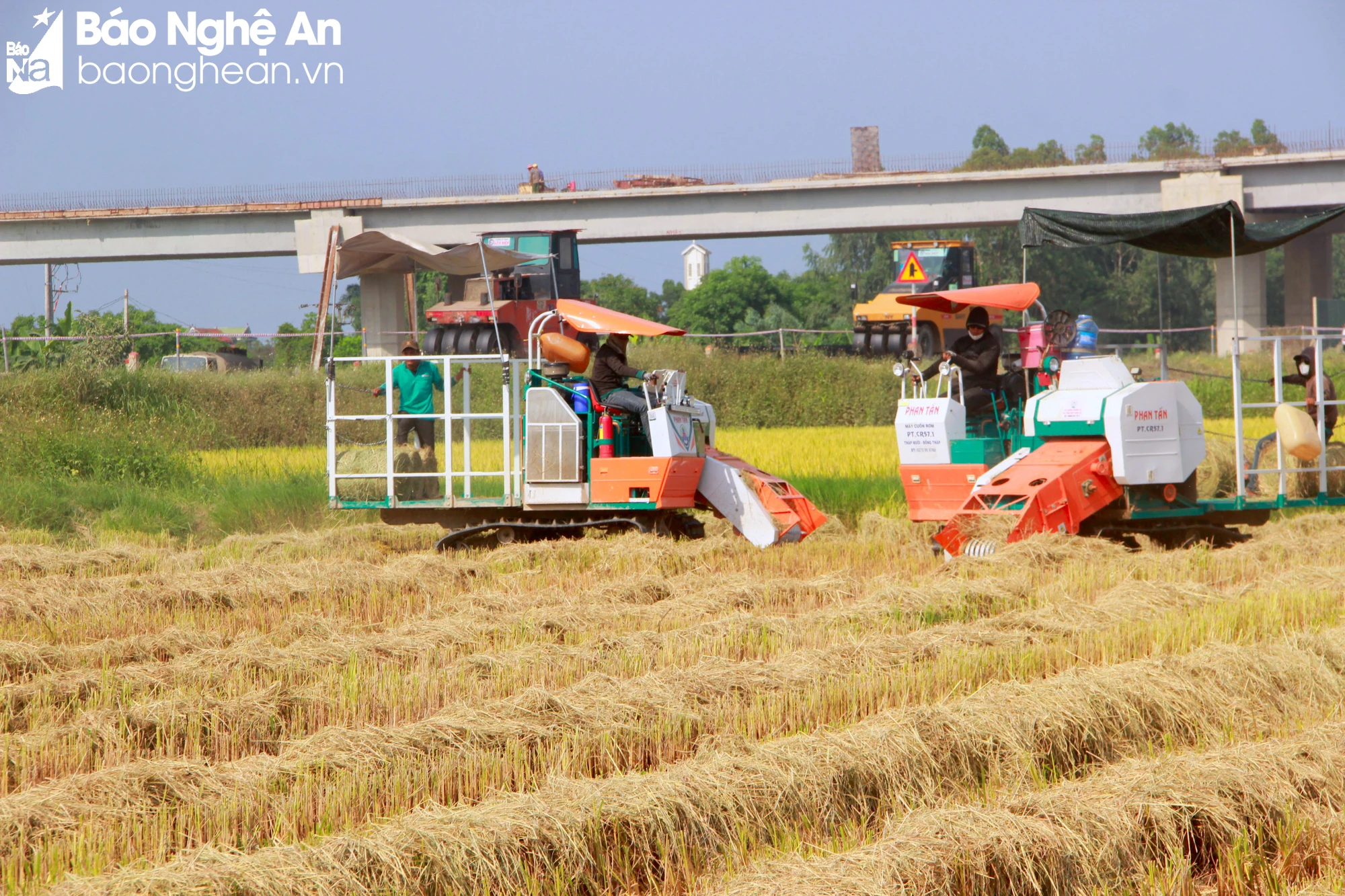
Clip: Quang An Nghe An is one of the provinces with the largest agricultural land area in the country, with 1.4 million hectares. Specifically for rice production, the province cultivates approximately 180,000 hectares annually during the spring and summer-autumn seasons. Therefore, a large amount of straw and rice husks are produced after each harvest; however, in many fields, this straw is wasted or burned, causing environmental pollution. (Photo: Quang An) Currently, it is the peak season for harvesting the spring rice crop, and the fields have an abundant supply of straw. It's not difficult to see straw collecting machines operating at full capacity in the fields of Nghe An province. Photo: Quang An Mr. Hoang Van Anh, from Hung Nguyen district – one of the long-time straw collectors – said: "Previously, people often mobilized manpower to collect straw to store as animal feed. Those who didn't use it would burn it, which was not only wasteful but also caused environmental pollution. To utilize this byproduct, we have invested in 5 straw collecting machines with a total cost of nearly 2 billion VND, and also hired additional manpower to collect straw throughout the districts of the province." (Photo: Quang An)
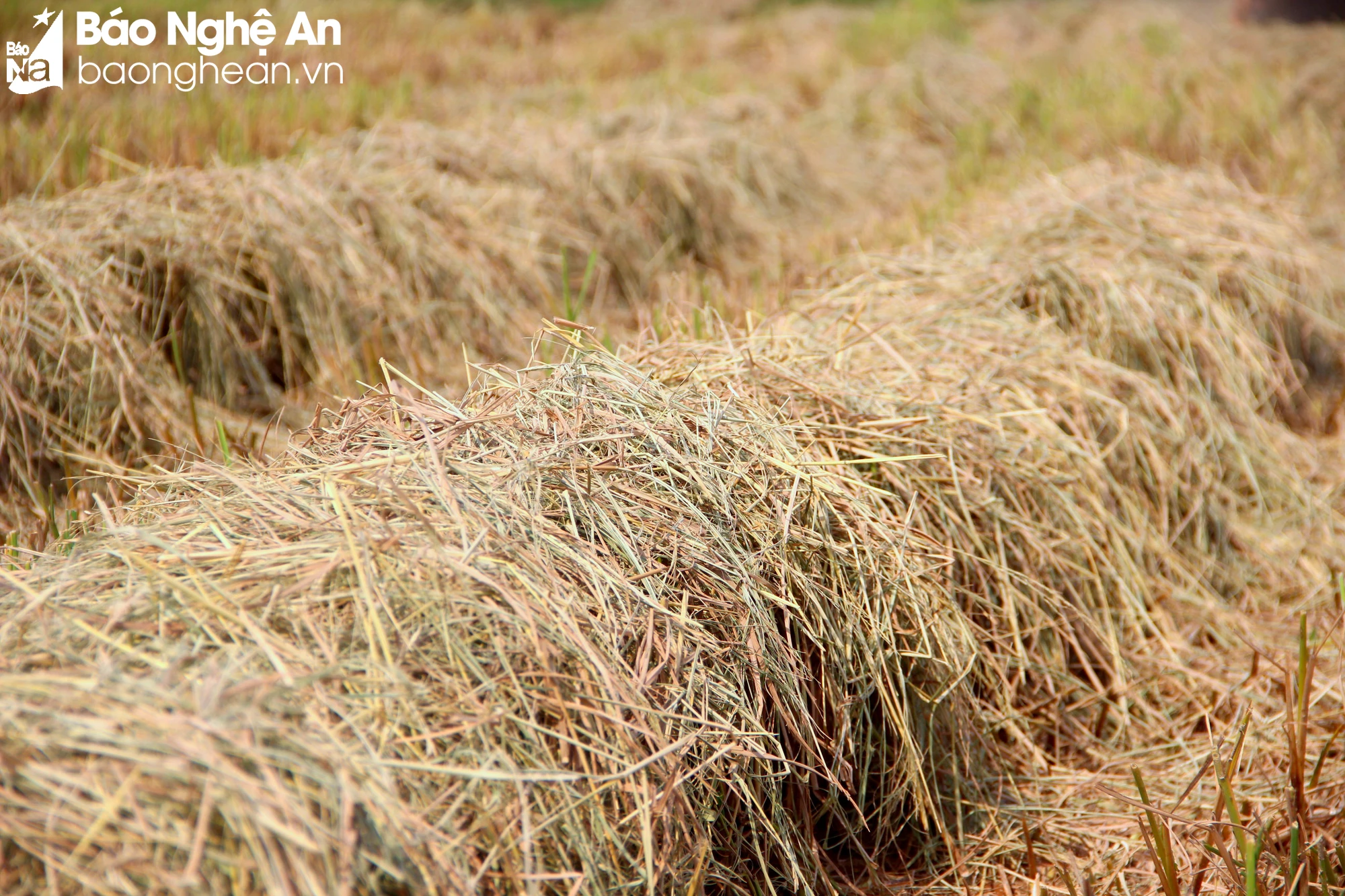
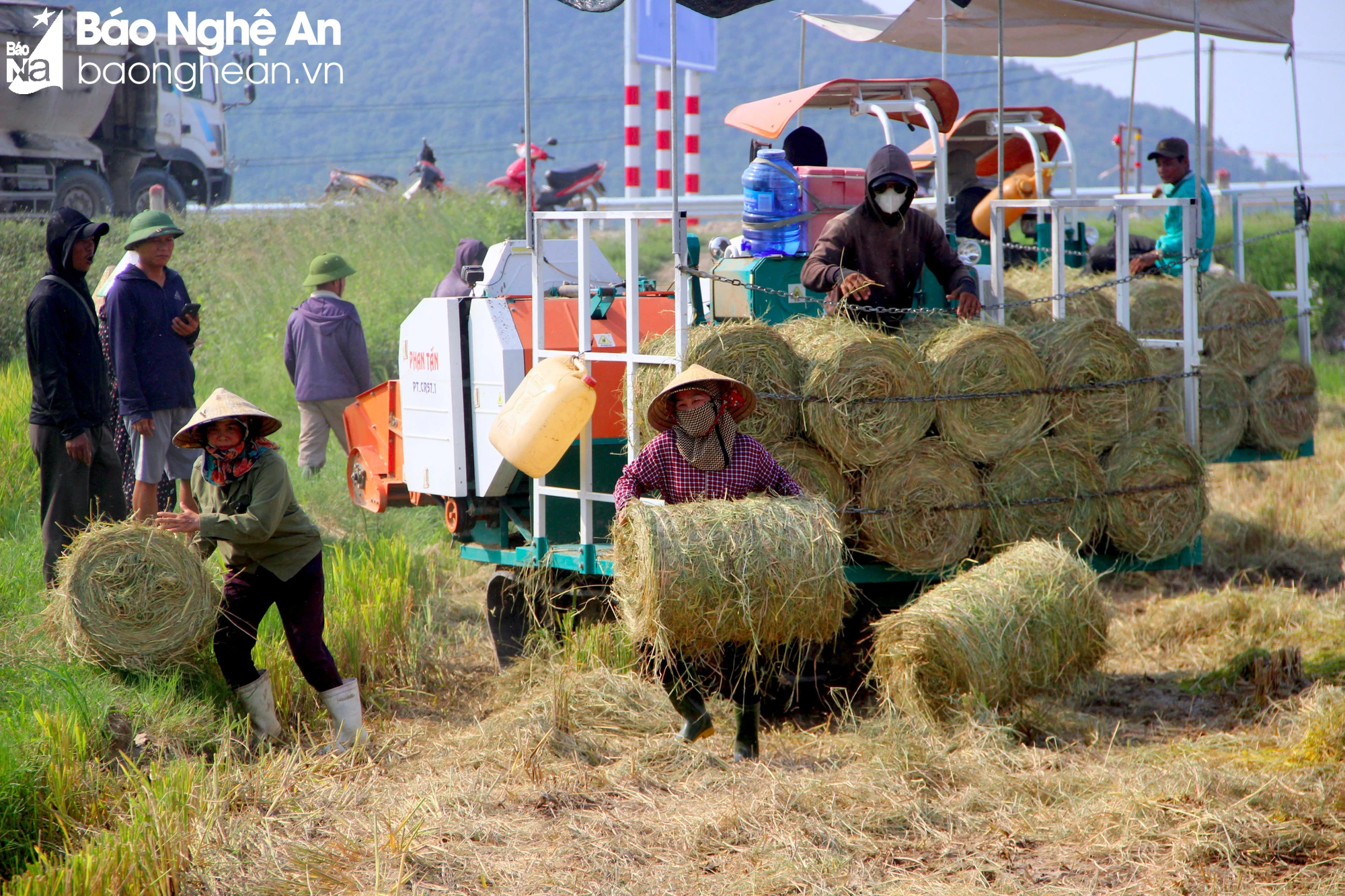
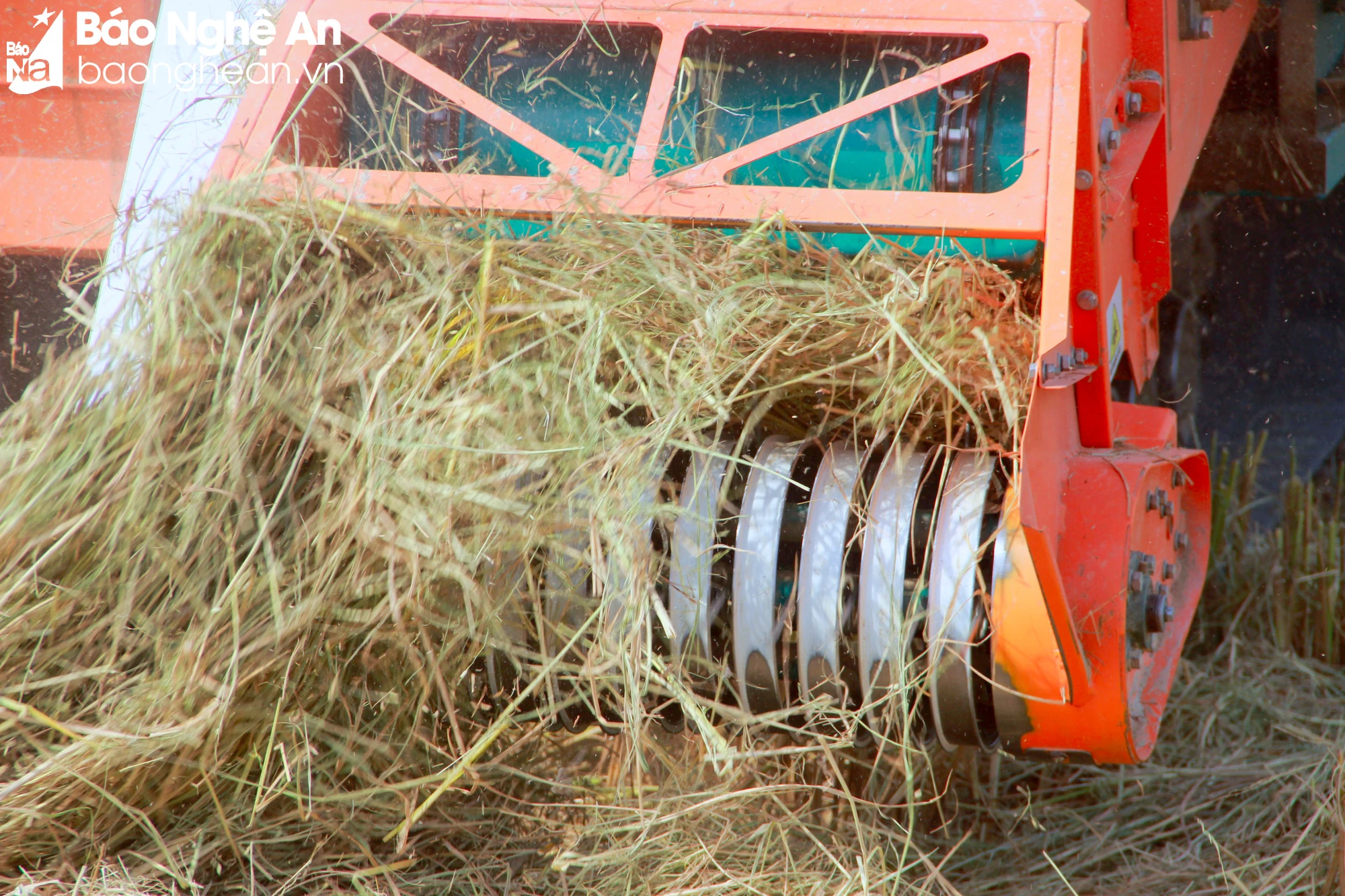
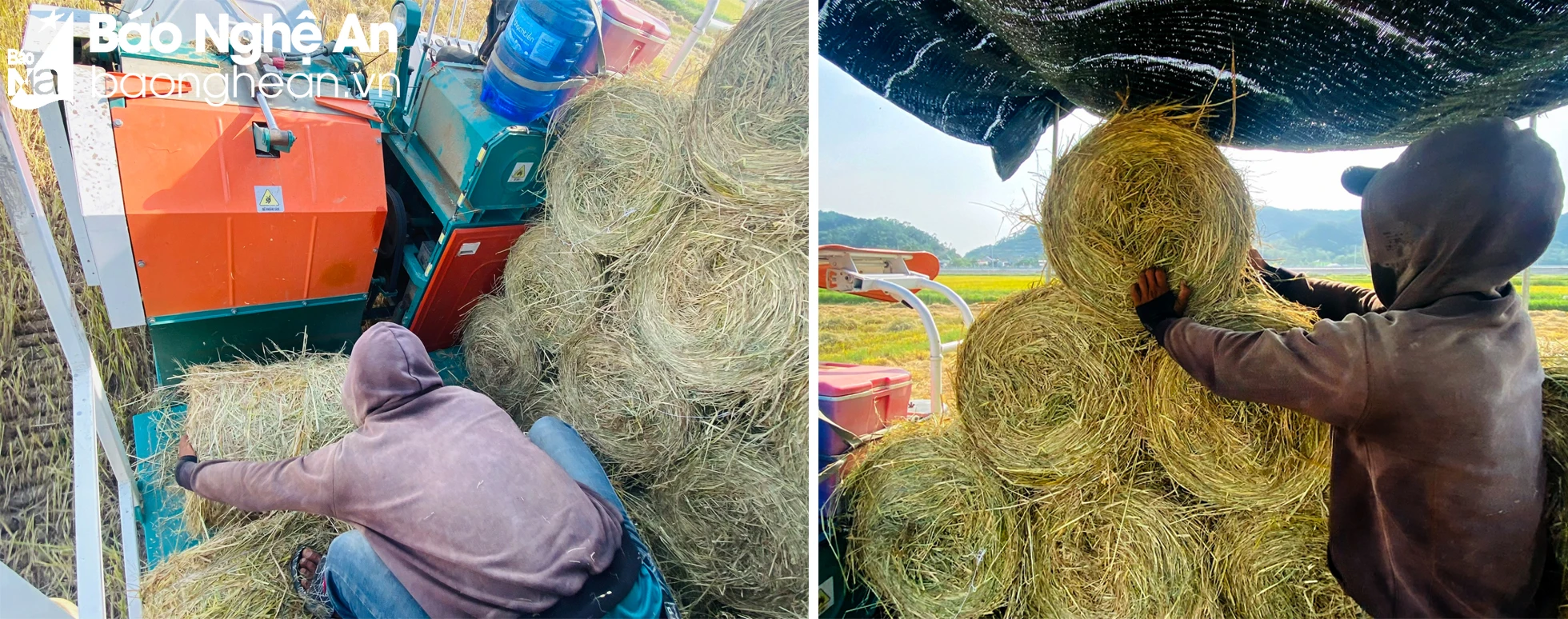
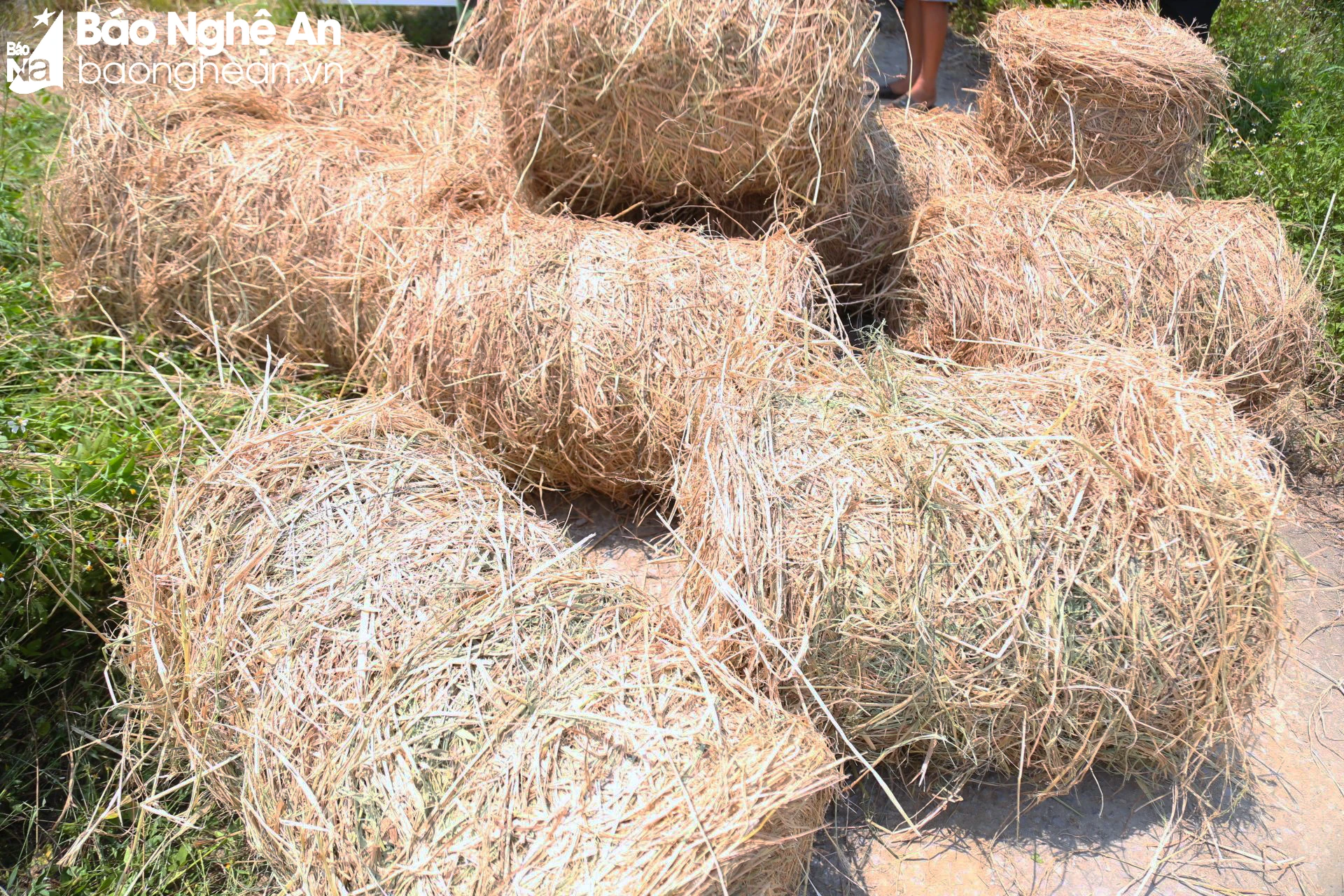
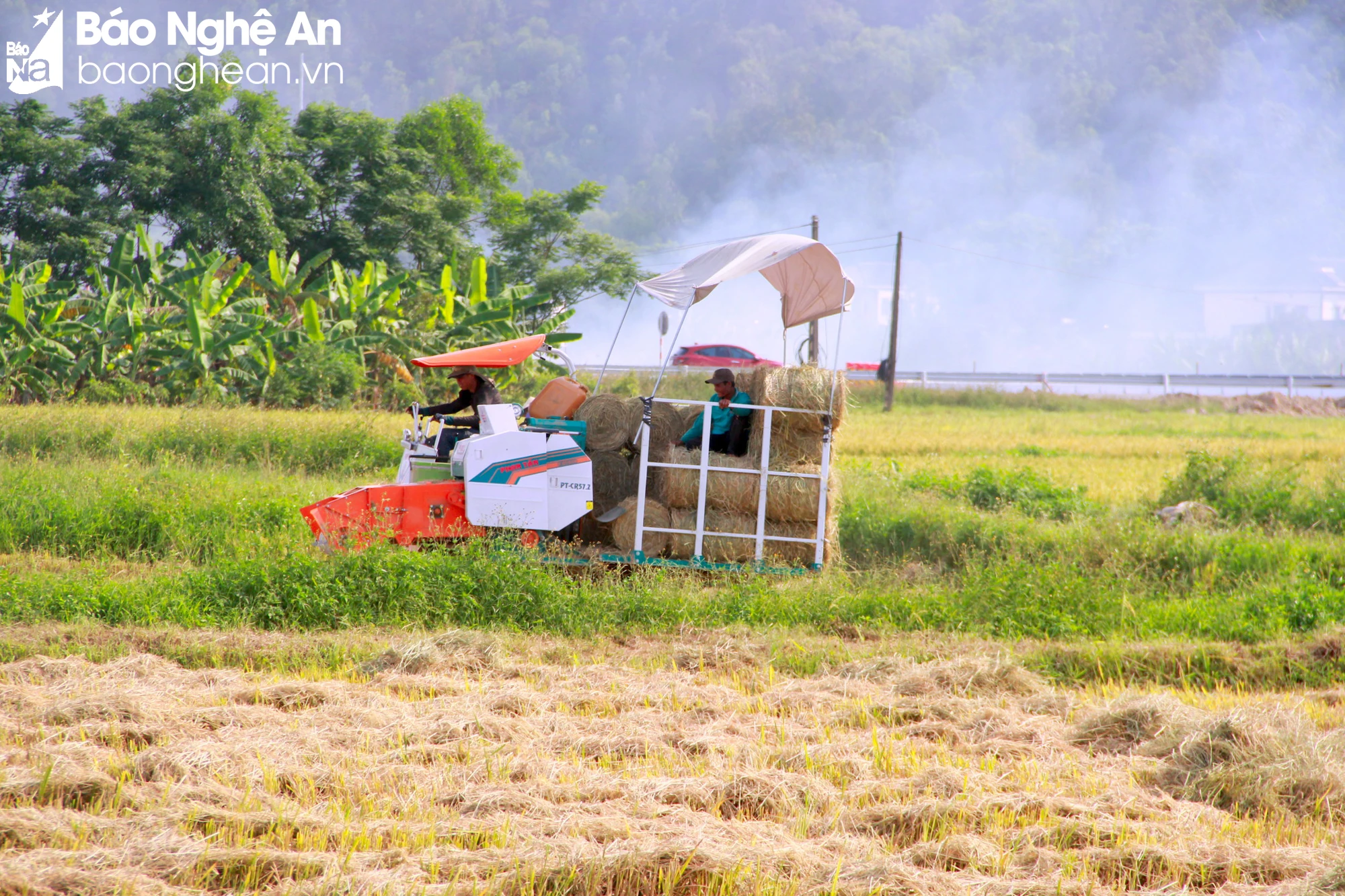
The machine will wind the straw onto the reel, then automatically bundle it into bales nearly 1 meter long and about 40 cm in diameter. Photo: Quang An Once the baler has loaded the straw, the workers' job is to arrange the bales neatly and in straight lines to fit as many bales as possible. This job requires continuous work in hot, dusty weather, so the workers have to wear protective clothing to shield themselves from the sun and prevent burns. Photo: Quang An The straw is bundled into bales; it takes about 1 minute for the machine to roll them into bales like this. On average, each plot of rice field yields about 6-7 bales of straw. Photo: Quang An
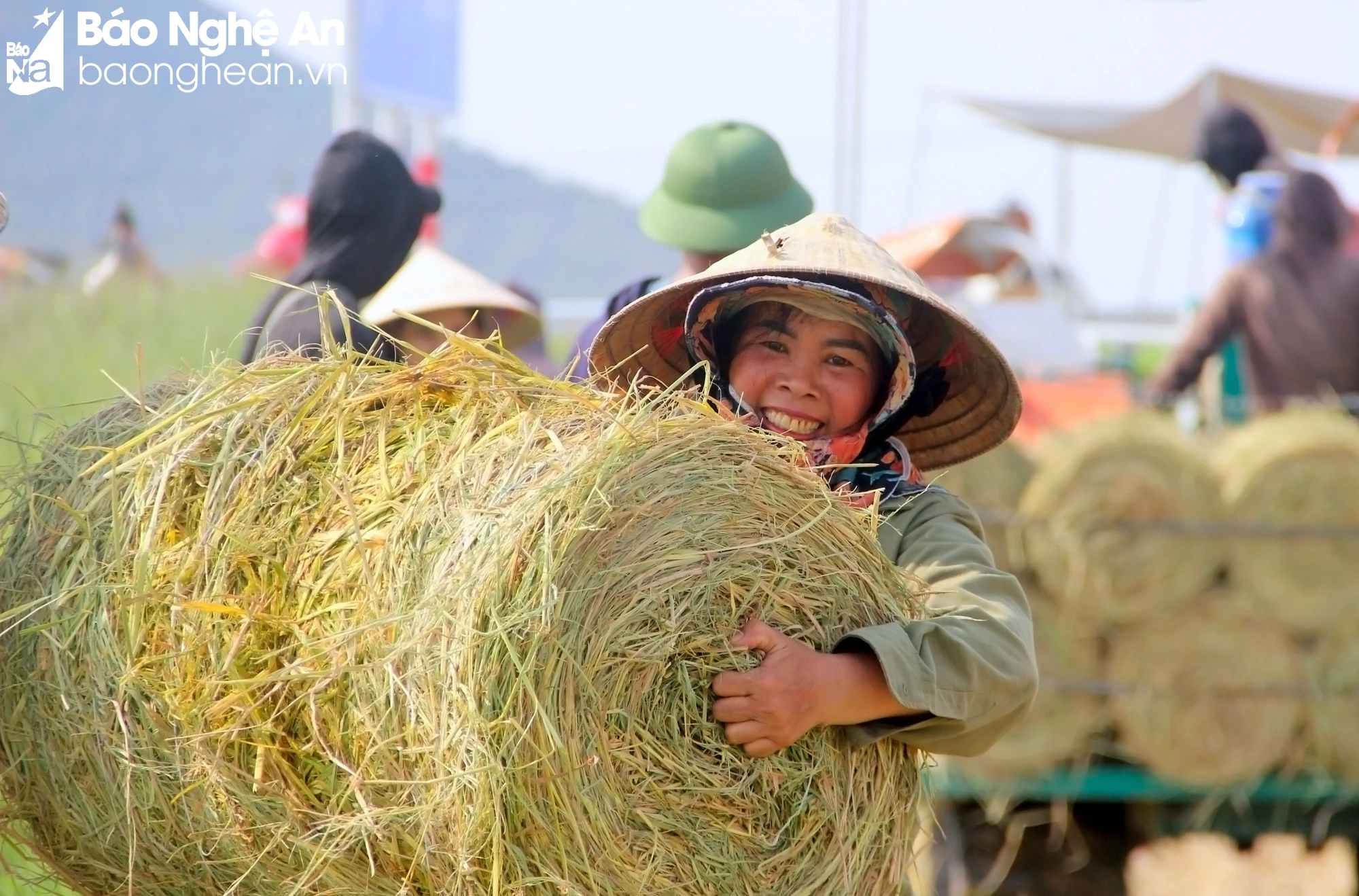
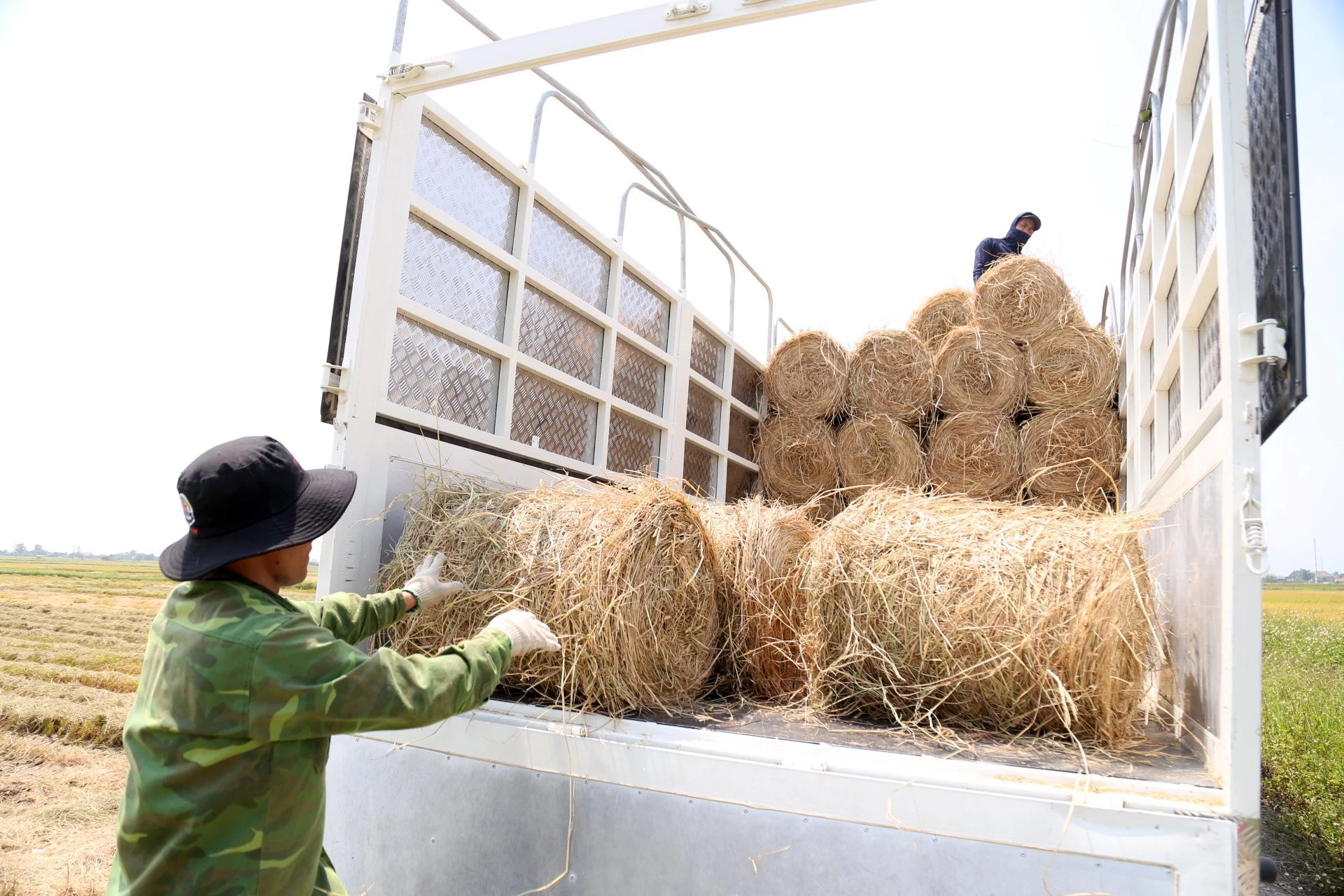
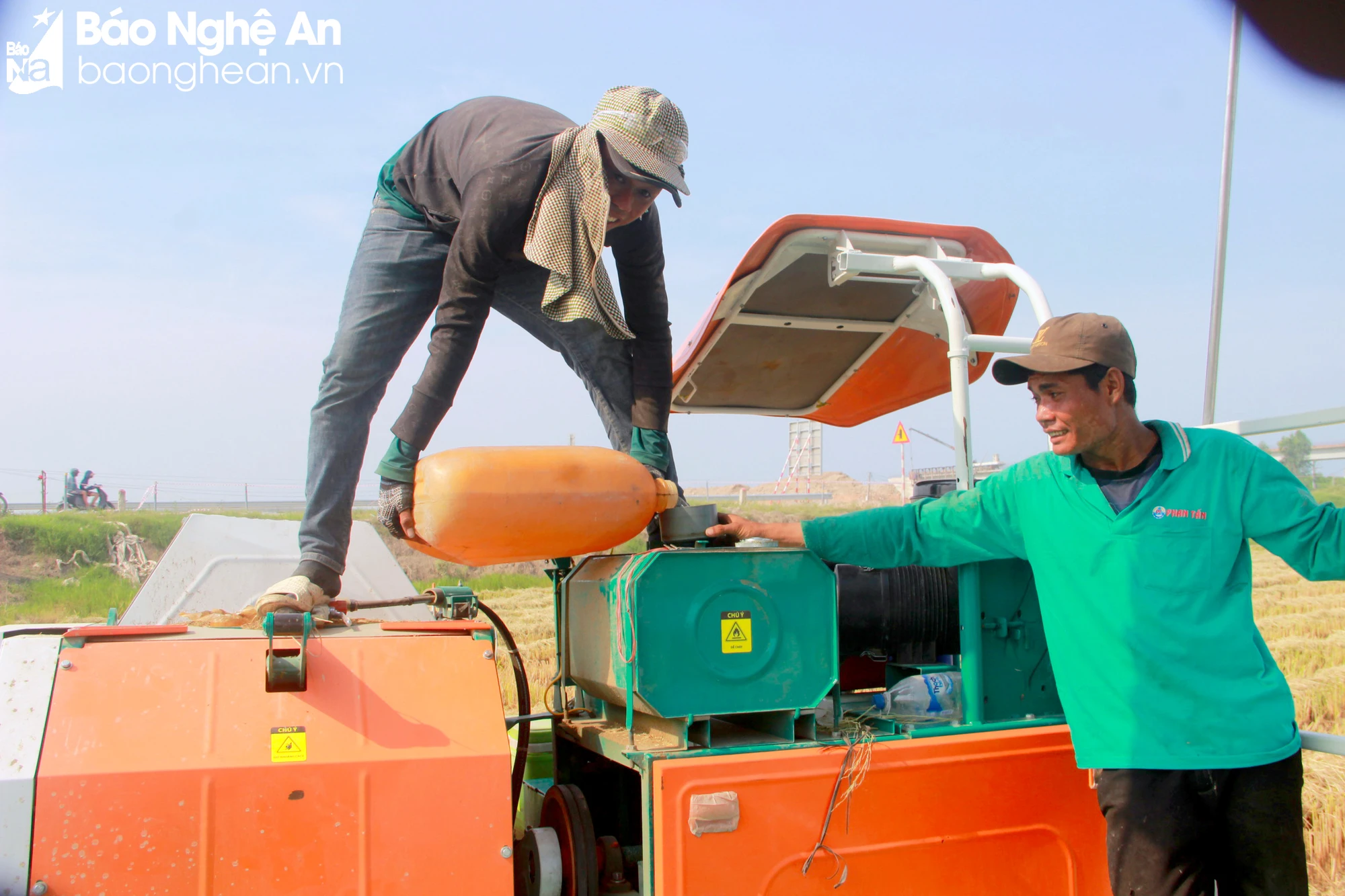
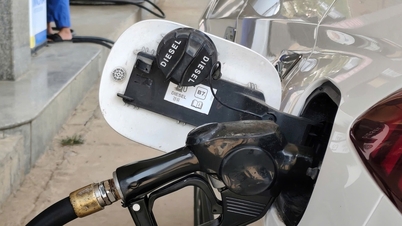
Currently, each bale of straw sells for 30,000 - 40,000 VND, and at peak times it can reach 50,000 VND. Locals are delighted to have additional income from this byproduct. Photo: Quang An After being baled, the straw is loaded onto trucks and transported to storage facilities before being supplied to units within and outside the province. According to calculations by Hung Nguyen district, 1 hectare of rice will yield over 6 tons of straw, and the entire district is estimated to have about 30,000 tons of straw after the spring harvest. Photo: Quang An The straw collection work is highly dependent on the weather; it can only be done on hot, sunny days. On rainy days, the straw becomes damp, making baling impossible, and the quality of the straw is not guaranteed for delivery to other units. Due to continuous operation, the machinery frequently needs refueling to run all day long. Photo: Quang An
Straw harvesting machines operate at full capacity in the fields of Hung Tay commune, Hung Nguyen district, with thick clouds of smoke and dust behind them from farmers burning straw. After finishing one field, the machines move on to the next. Photo: Quang An

 Việt Nam•20/05/2024



![[Image] Shipbuilders exposed to steel and record-breaking heat.](https://vphoto.vietnam.vn/thumb/1200x675/vietnam/resource/IMAGE/2026/06/04/1780545781745_ndo_br_img-5402-4683-jpg.webp)











































![[Video] Sunset at Lap An Lagoon – Where the sun sets over the fishing nets](https://vphoto.vietnam.vn/thumb/1200x675/vietnam/resource/IMAGE/2026/05/31/1780192137701_beach-landscape-sea-water-nature-grass-745871-pxhere-com.jpeg)

































Comment (0)