

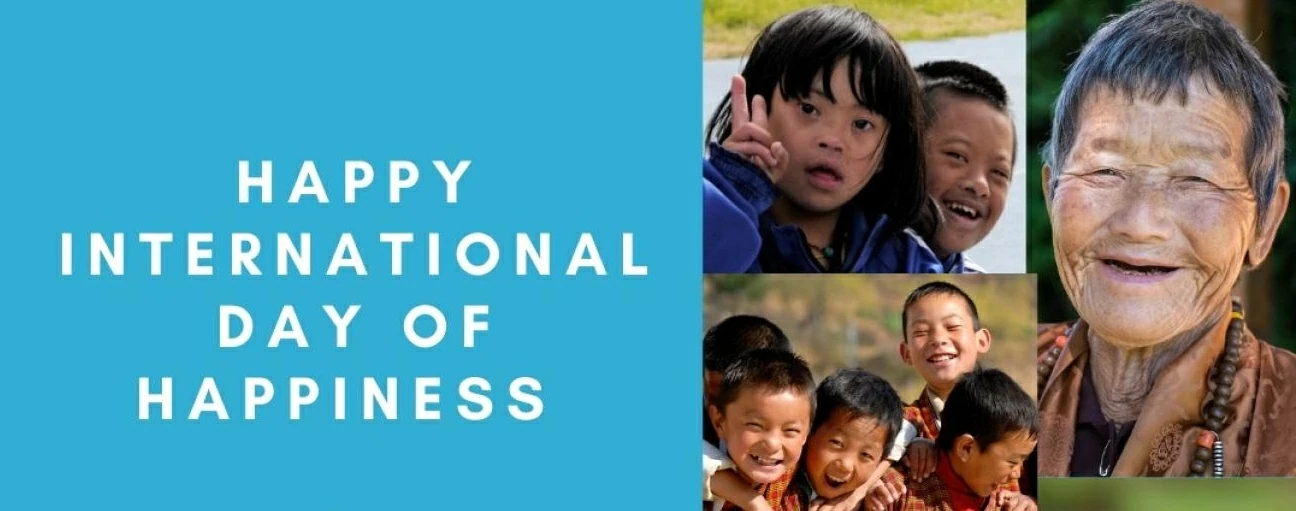
There are many interpretations of International Happiness Day, but as expressed by the United Nations, it is a call toward a more inclusive, equitable, and balanced approach to development, aimed at promoting happiness and prosperity for all.
Indicators of happiness
International Happiness Day (March 20) was officially designated by the United Nations in June 2012 (Resolution A/RES/66/281) and celebrated for the first time worldwide on March 20, 2013.
The idea for this day originated in Bhutan, a country that recognized the importance of national happiness over national income by implementing a Gross National Happiness (GNH) target instead of Gross Domestic Product (GDP).
Meaning: To celebrate human happiness and encourage nations to act for happiness, justice, and sustainability.
In Vietnam, the Prime Minister approved a plan to organize activities to celebrate International Happiness Day on March 20th annually starting from the end of 2013.
The World Happiness Report is a measure of happiness, published by the United Nations Sustainable Development Solutions Network. The first report was released on April 1, 2012.
The report is typically divided into several chapters, analyzing different aspects of happiness. Key criteria include GDP per capita, social support, generosity, healthy life expectancy, freedom of choice, and perception of corruption.
GDP reflects wealth levels and has a certain correlation with happiness. However, social factors also play an important role. "Social support" is measured by an individual's ability to receive help when needed, while "generosity" is demonstrated through sharing behaviors, such as charitable donations. These factors show the level of connection and willingness to give, thereby contributing to increased happiness.
Unlike assessing happiness at the individual level, assessing happiness at the national level is different. Accordingly, to assess national happiness, the quality of life is chosen as the focus, rather than evaluating the emotions of individuals. The assessment of quality of life varies significantly from country to country, based on the diverse life experiences of its citizens.
Notably, the World Happiness Report will include a ranking of the happiest countries. This ranking is based on evaluation criteria on a scale from 0 to 10, continuously monitored and compared across countries worldwide, with the basic measure of happiness ranging from "extremely dissatisfied" to "extremely satisfied".
The level of satisfaction among citizens in the countries under consideration is not based on the opinions of researchers or policymakers, but rather on each individual's self-assessment of their own well-being, which is considered the most important factor in life satisfaction research. Other factors such as economic growth, unemployment, inflation, education, or personal circumstances only have limited significance.
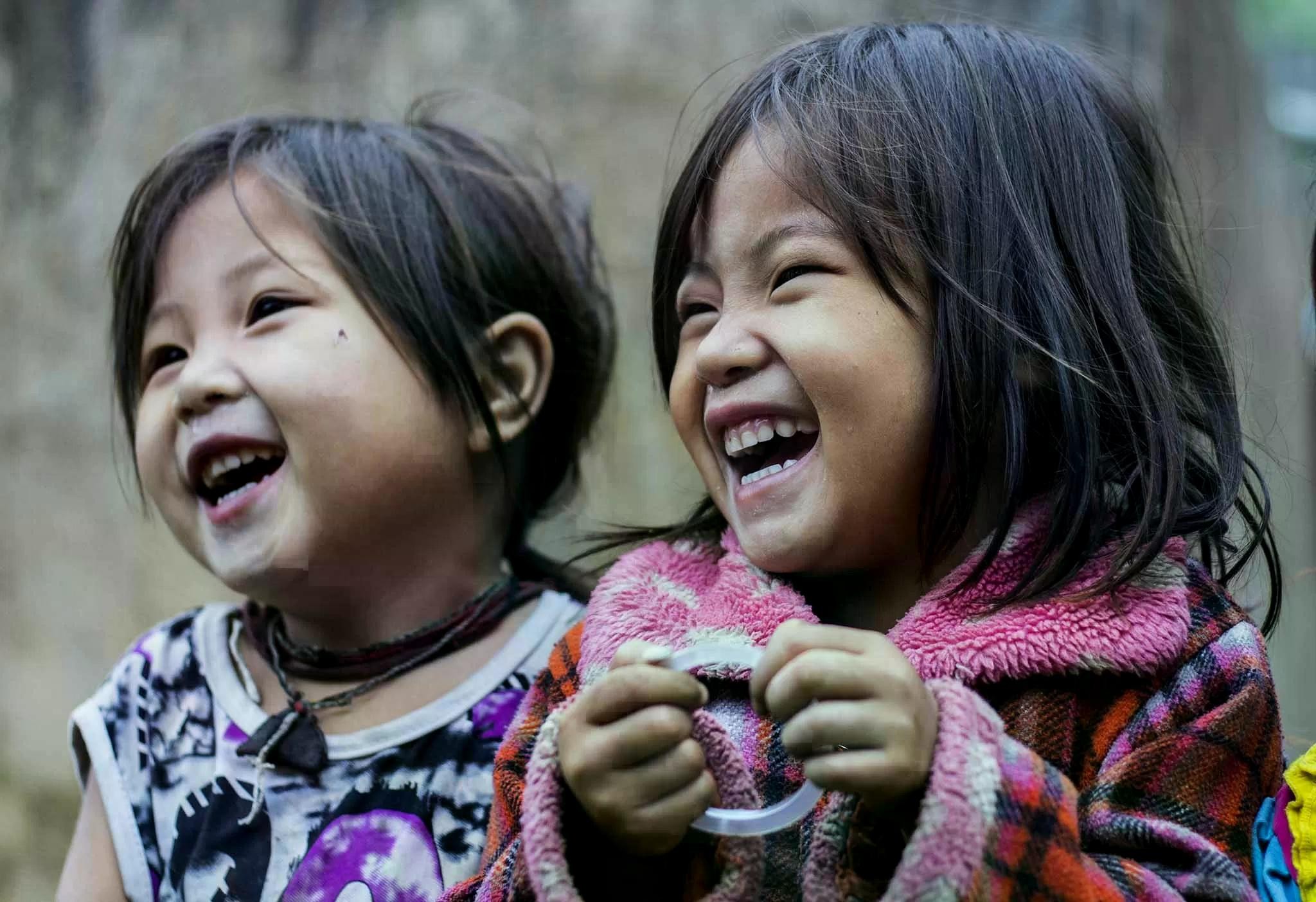
Happiness Ranking
According to the United Nations Happiness Report 2025, 193 UN member states worldwide participate in the International Day of Happiness, celebrated annually on March 20th. Originating in Bhutan, a country renowned for its consistently happy people, the Bhutanese motto for International Happiness Day is "Natural Happiness for the Nation." The choice of March 20th is due to the fact that it coincides with the spring equinox, and on this day, the sun is directly above the equator, resulting in equal lengths of day and night, representing balance and harmony in the universe.
In reality, although each country has its own unique happiness indicators, reports show that countries around the world basically share common criteria for evaluation, such as GDP per capita, life expectancy, freedom of life choices (personal freedom), level of generosity, social support, and corruption.
In the United Nations' 2024 Happiness Report, Nordic countries topped the list of the world's happiest nations. In contrast, Afghanistan ranked last, at 143rd among the countries surveyed by the UN. Notably, the world's leading economies were not among the top-ranked happiest nations. For the first time, the United States and Germany were not among the top 20 happiest countries in 2024, ranking 23rd and 24th respectively. Costa Rica and Kuwait made it into the top 20 at 12th and 13th.
Furthermore, the 2024 report also shows that younger generations are happier than adults in most regions of the world, but not all. Specifically, in North America, Australia, and New Zealand, happiness levels among those under 30 have decreased significantly since 2006-2010, while older generations are happier than younger generations. Central and Eastern Europe saw a significant increase in happiness across all age groups during the same period, while in Western Europe, people of all ages experienced similar levels of happiness.
Along with differences in happiness levels across age groups, the issue of happiness inequality has become a “worrying trend,” with happiness inequality being particularly severe among the elderly in sub-Saharan Africa, reflecting inequalities in income, education, healthcare, social acceptance, beliefs, and the presence of the social environment at the family, community, and national levels.
According to the 2025 World Happiness Report, Finland continues to be the happiest country in the world. This is the eighth consecutive year that this Nordic nation has held the top spot. According to researcher John Helliwell, economist and editor of the World Happiness Report, Finland's happiness stems from its people's focus on self-improvement rather than material possessions, their strong sense of community, their more relaxed lifestyles compared to the United States, their trust in government, their robust social welfare system, low levels of corruption, and free education and healthcare. Therefore, they are among the happiest people in the world.
Following Finland are Denmark, Iceland, and Sweden. Denmark ranks second due to its quality of life, GDP per capita, and life expectancy; Iceland comes in third thanks to its pristine, somewhat surreal beauty of glaciers, volcanoes, and the aurora borealis; and Sweden is in fourth place because its tourist destinations are consistently rated as unchanging by visitors.
Vietnam ranks 46th in the 2025 report, an increase of 8 places compared to 2024 and its highest ranking ever. Interestingly, the report points out that "eating together in groups" is strongly linked to happiness.
With the theme of “caring and sharing,” focusing on community connection, compassion, and happiness in the digital age, the world is eagerly anticipating International Happiness Day 2026. Will there be a change of leadership, or will Finland remain at the top of the list of the world's happiest countries? How will the criteria for assessing happiness be adjusted in the context of a challenging world? This remains an open question.
Source: https://baolaocai.vn/nhung-thuoc-do-cua-hanh-phuc-post896418.html
![[Photo] National Assembly Chairman Tran Thanh Man working with the Standing Committee of the Economic and Financial Committee](https://vphoto.vietnam.vn/thumb/1200x675/vietnam/resource/IMAGE/2026/05/20/1779249584387_ndo_br_1-jpg.webp)



![[Photo] General Secretary and President To Lam presides over a meeting on assessing national development resources.](https://vphoto.vietnam.vn/thumb/1200x675/vietnam/resource/IMAGE/2026/05/20/1779253785852_a1-bnd-2943-8519-jpg.webp)




























































































Comment (0)