Major impact
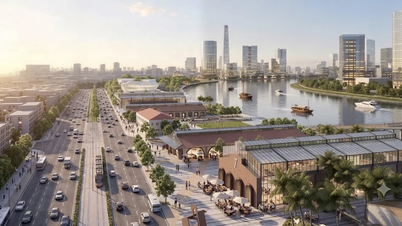
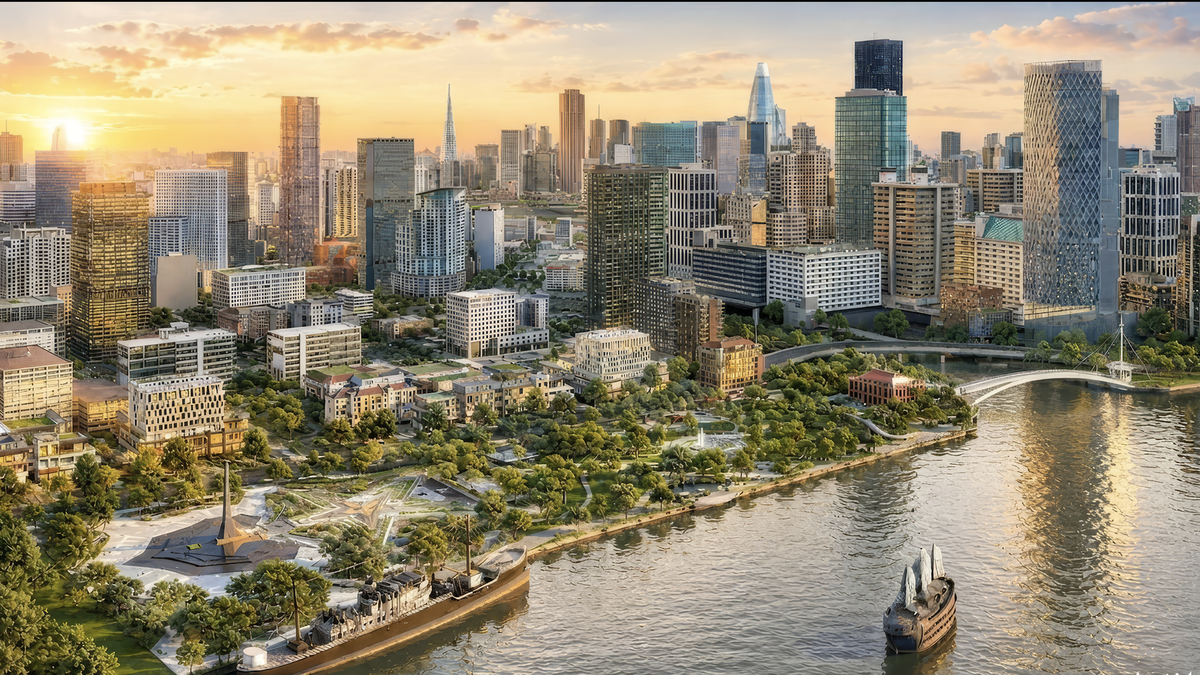
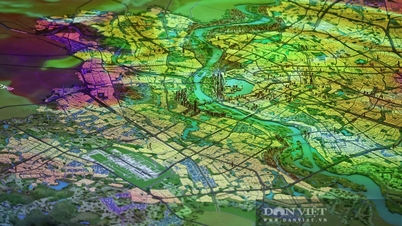
For decades, the space along both banks of the Red River has remained underdeveloped. The separation by dikes and inadequate infrastructure has turned the area into a "buffer zone," with many places looking unsightly. To change this, the Red River Landscape Boulevard project officially commenced on December 19, 2025. This is not just a transportation project, but a "mega-project" for urban redevelopment with a preliminary total investment of approximately 855,000 billion VND, implemented under a public-private partnership (PPP) model.
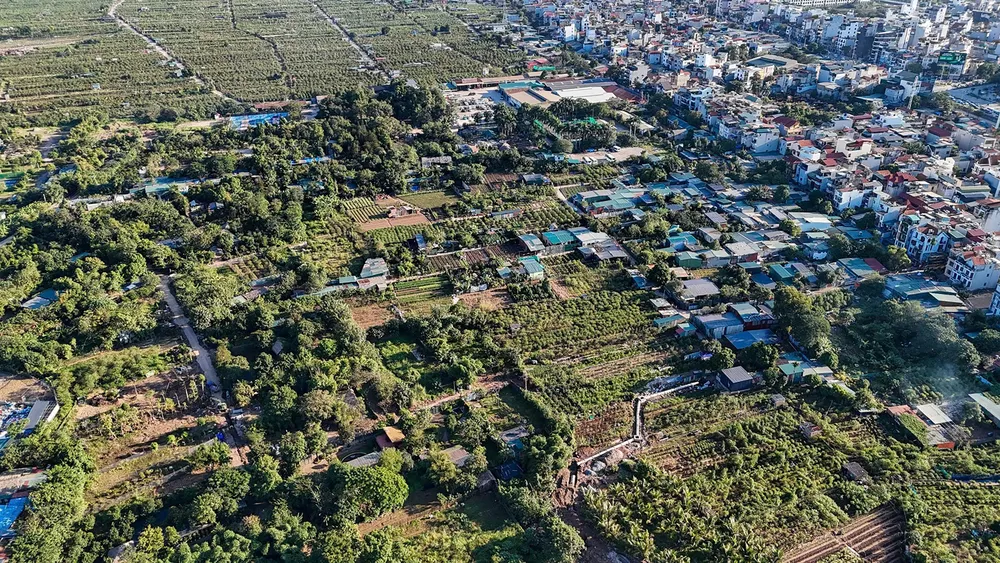
The project covers an area of 11,000 hectares, passing through 19 communes and wards of Hanoi . In addition to the boulevard, the project includes 3,300 hectares of landscaped parks and recreational areas, and 2,100 hectares of land for urban redevelopment. Sharing his vision, Chairman of the Hanoi People's Committee Vu Dai Thang affirmed: Investing in the construction of the Red River Landscape Boulevard is an objective and urgent requirement. The project will not only be a transportation infrastructure project but also create a modern cultural and ecological space; ensure flood safety and improve the quality of life for the people.
According to initial estimates, approximately 200,000 people will be affected by the project, with some being relocated on-site. In response to this impact, the Chairman of the Hanoi People's Committee stated that to successfully implement the project, Hanoi will focus on decisive leadership, closely coordinating with central ministries and relevant units; ensuring the project is implemented on schedule, with quality and efficiency; strictly adhering to legal regulations, and especially prioritizing the legitimate rights and interests of the people in the project area.
Many concerns
In Hong Ha ward, the Long Bien market area, or the traditional peach-growing villages of Nhat Tan and Tu Lien, an atmosphere of anxiety pervades every conversation over tea and at stalls. Ms. Nguyen Thi Oanh, a long-time fruit trader, said that if the project is implemented without an alternative goods storage area, business will be very difficult. Poor laborers, porters, and cart drivers are the ones who see the bleakest future.

Mr. Tran Van Hoa, a porter, confided: "We work on a per-trip basis, and our income is unstable. If the market shrinks or operations are restricted, we won't know what to do, especially since we lack qualifications and have low skill levels." Not far away, in the renowned peach and kumquat growing areas of Nhat Tan and Tu Lien, farmers are also extremely worried.
Mr. Le Van Hoang, a peach tree grower for three generations in Nhat Tan, looked out at his orchard, which had already had its leaves stripped, and worriedly said: "This peach orchard is the main livelihood for my whole family. I don't know how we will survive if it's confiscated. Not to mention, I don't know if my land will be included in the demolition plan, and what the compensation will be..."
Ms. Le Thu Ha (65 years old, residing in Dam Trau) said that her entire family is currently very worried because the project's planning will pass through the Dam Trau area. This is the first urban area built outside the Red River dike. Since the announcement of the Red River Scenic Boulevard planning, many construction and renovation projects for residents here have had to be temporarily halted. Notably, even though the project has started, the information reaching the residents remains vague, so all households around here have stopped their house repair plans.
In contrast to the anxieties of the local people, small traders, and peach farmers, on the other side of the Red River, many households in the Bat Trang pottery village (Bat Trang commune) believe that the Red River Scenic Boulevard has special significance for Bat Trang - the land of the thousand-year-old pottery village.
This is a historic opportunity to honor and promote the value of cultural heritage, opening up an " economic avenue" for the craft village. The creation of this avenue will provide direct, large-scale, and aesthetically pleasing access for tourists from central Hanoi to Bat Trang, resolving long-standing connectivity limitations. However, residents hope that the land clearance process will be transparent, fair, and take into account the unique value of the affected ceramic production facilities.
Mr. Nguyen Manh Ha, Secretary of the Party Committee of Long Bien Ward - one of the 19 wards and communes involved in the project - said that in 2026, the locality will focus on the investment and construction of the Red River Landscape Boulevard. The project places very high demands on land management, construction order, land clearance, ensuring social welfare and stabilizing the lives of the people.
Therefore, local Party committees and authorities will strengthen propaganda and mobilization efforts, closely monitor the people's thoughts... Local authorities will promptly provide accurate and complete information, guide public opinion, and create high consensus; preventing the emergence of hotspots and complex complaints, and creating favorable conditions for the project's implementation.



According to Mr. Nguyen Van Khoi, former Vice Chairman of the Hanoi People's Committee, for the Red River Landscape Boulevard project, land clearance is a crucial step, directly impacting the project's progress and effectiveness, and passing through many riverside residential areas with diverse living conditions.
Therefore, publicly disclosing planning information and ensuring transparency in compensation and resettlement support policies, in accordance with the law and regulations of Hanoi City, is a decisive factor in creating consensus.
Source: https://www.sggp.org.vn/noi-lo-phia-sau-de-song-hong-post831992.html

![[Photo] Strengthening character and expertise: Intense training for artillery soldiers.](https://vphoto.vietnam.vn/thumb/1200x675/vietnam/resource/IMAGE/2026/06/30/1782815602541_lu-368-1875-4571-jpg.webp)