

Ms. Hoang Thi Thang's family in Quyet Tam village has nearly 4 sao (approximately 1,400 m²) of land dedicated to growing gladiolus flowers. Having been involved in flower cultivation for over 20 years, she said that they previously grew roses and chrysanthemums. However, due to changing environmental conditions, roses were no longer suitable, often suffering from leaf burn and rot, resulting in high losses, so the family switched entirely to growing gladiolus.
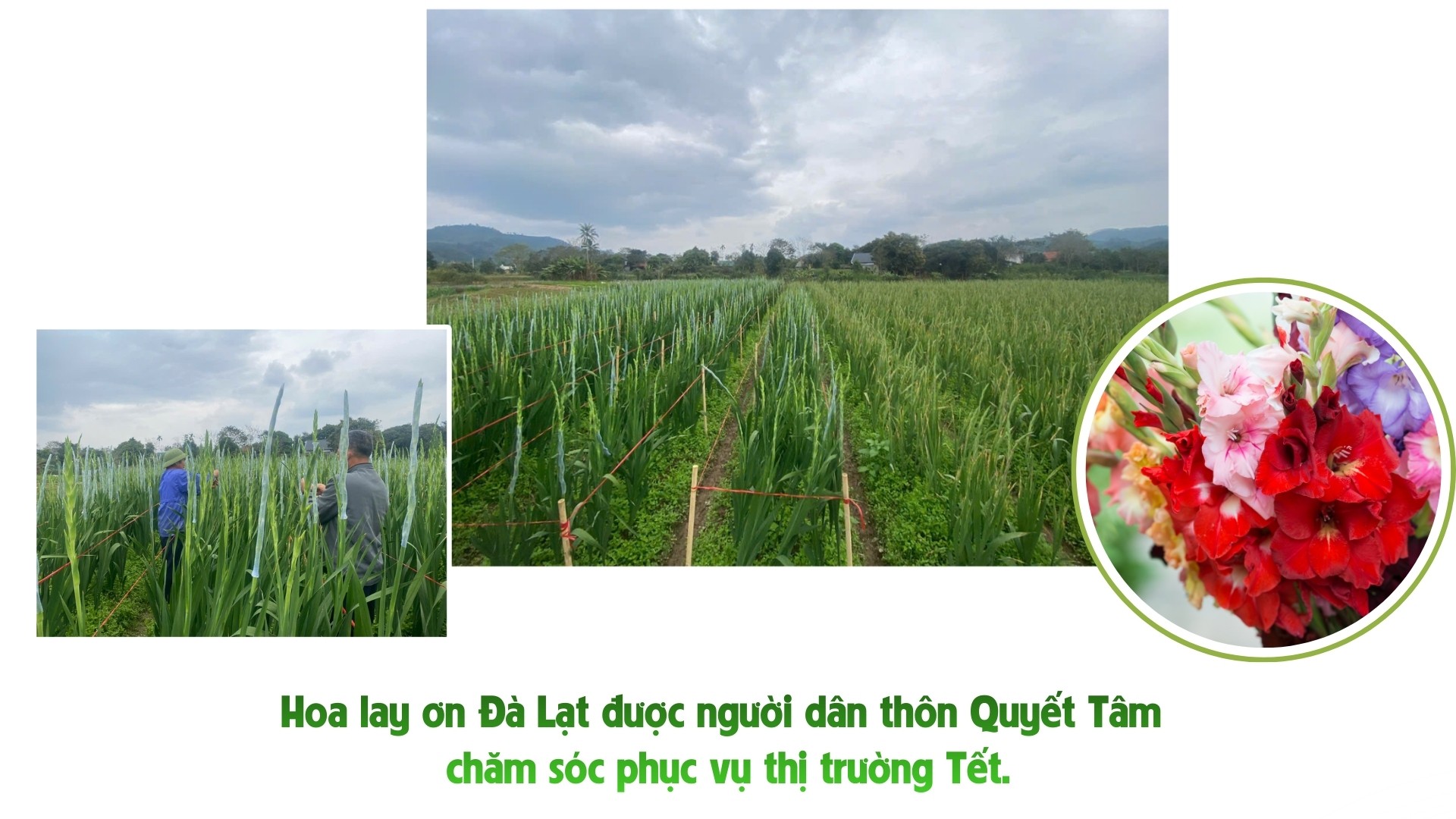
"Currently, I only grow the red gladiolus variety from Da Lat. This variety is well-suited to the soil and climate, so the yield is significantly higher," Ms. Thang shared.
This winter, her family planted over 10,000 gladiolus bulbs of the Da Lat variety. After about 3 months of care, the flower garden yielded 6,000 to 7,000 flowers, achieving a yield rate of approximately 90%. Compared to previous varieties which only achieved about 20% due to unsuitable soil conditions, the new variety offers superior yield and quality. All the produce is sold wholesale to traders.
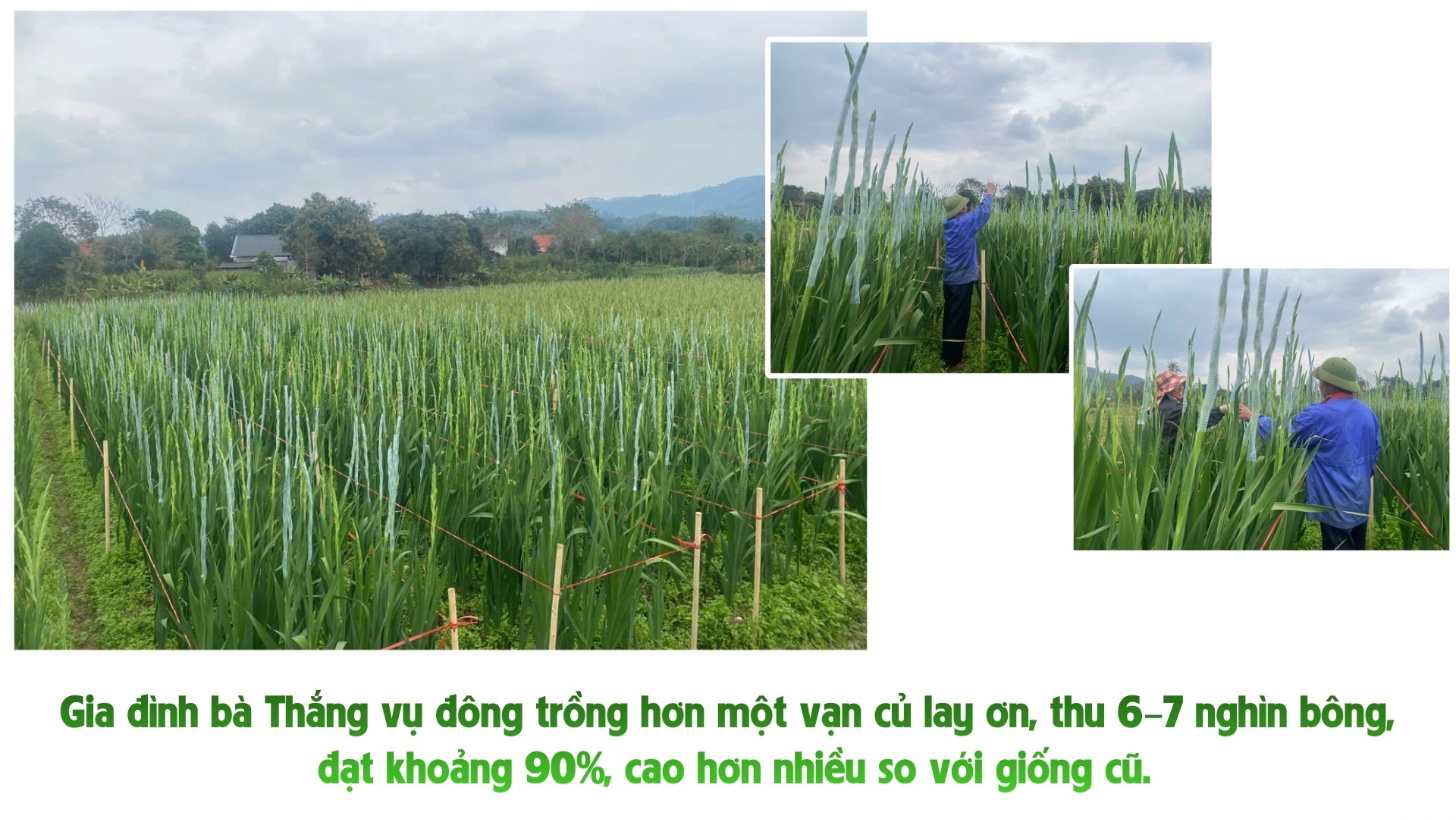
After deducting the costs of seeds, fertilizers, pesticides, and the wages of two seasonal workers for tending and harvesting, each winter crop, which lasts about 3 months, brings her family a profit of approximately 30-40 million VND. "In years with favorable market conditions, we can earn more, averaging 30-40 million VND per winter crop," Mrs. Thang said.
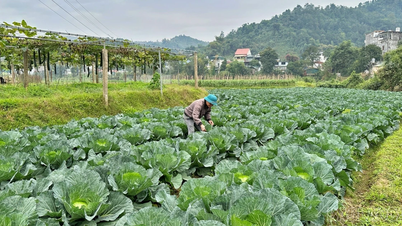
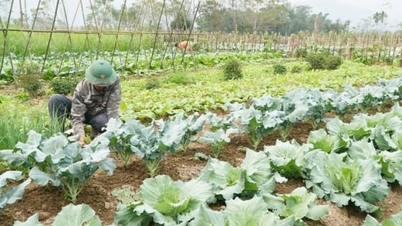
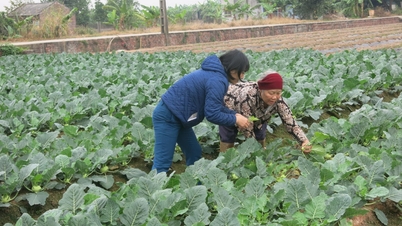
Also in Quyet Tam village, Ms. Dam Thi Toi has been involved in vegetable production for over 30 years. Her family maintains 3-4 sao (approximately 0.3-0.3 hectares) of various vegetables; gladiolus alone occupies more than 2 sao in the fields. This year, she is growing kohlrabi, lettuce, coriander, onions, and various types of gladiolus, both common and "Do" varieties, to supply the market during the end-of-year season.
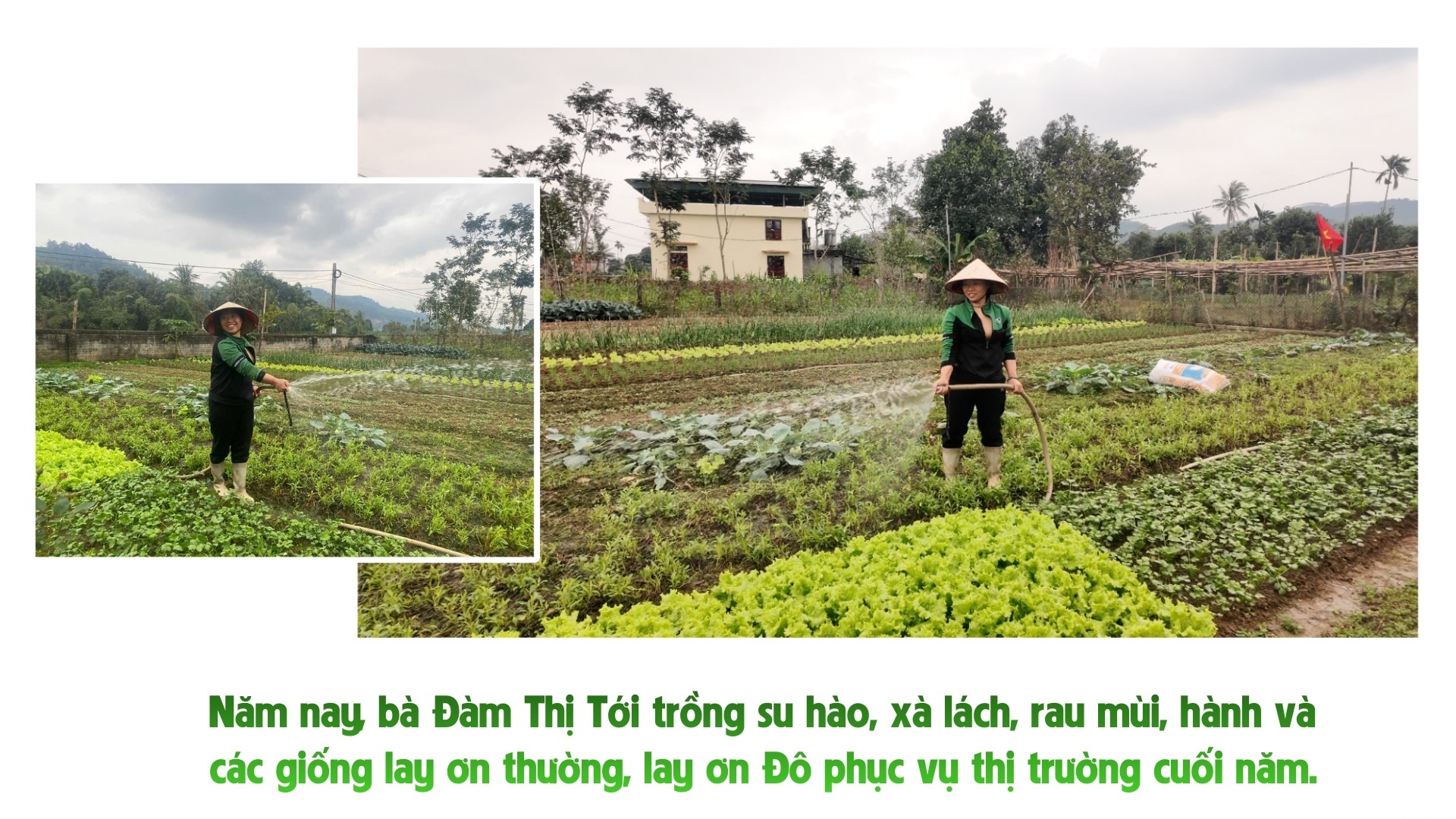
According to Ms. Toi, despite unfavorable weather conditions at times, the winter crop remains the most important and economically valuable production season of the year. Thanks to years of experience, her family is proactive in land preparation, planting, care, and pest control, resulting in generally stable crop growth.
According to Ms. Toi, this year's winter crop has been affected by the weather, so the growth rate of some vegetables is slower than last year. "For example, coriander, which could be harvested in just over a month last year, is taking a little longer this year. Because gladiolus flowers were cut early, the price at the beginning of the season hasn't reached expectations, but consumption during Tet (Lunar New Year) this year is predicted to be more favorable," Ms. Toi shared.
According to Mr. Pham Van Xuan, head of Quyet Tam village, this year's winter crop saw the entire village cultivate approximately 17 hectares of vegetables and root crops, and 7.5 hectares of flowers; of which 4.5 hectares were high-quality flowers for the Lunar New Year. Out of 216 households in the village, about 165 participated in growing vegetables and flowers, accounting for over 75% of the households. This percentage shows that winter crop production plays a key role in the local economy and income structure.
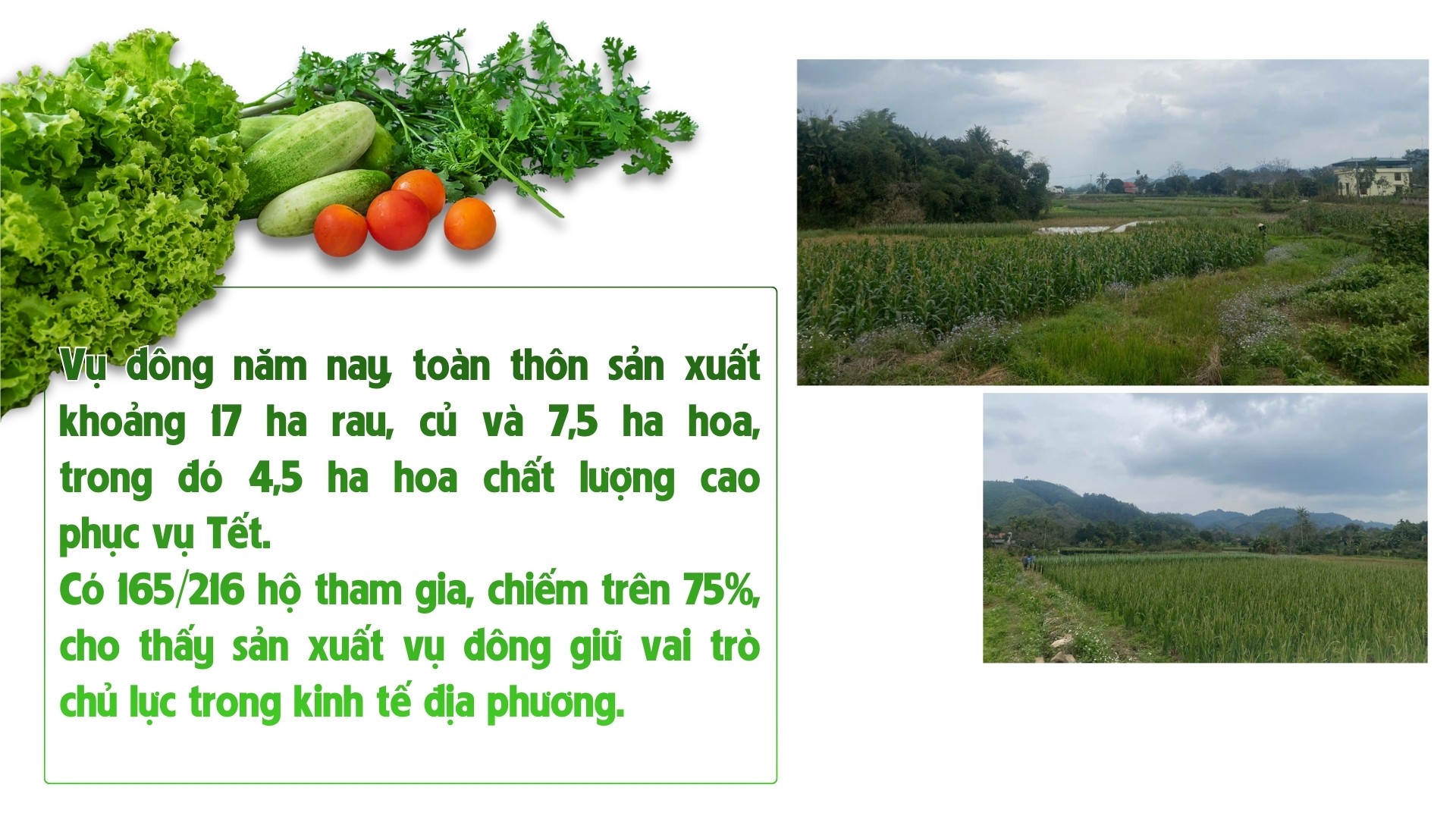
The model of growing winter vegetables and flowers creates regular jobs for about 400-450 local workers. During peak times such as planting, tending, and harvesting, many households also hire additional seasonal workers from localities such as Bac Ha and Si Ma Cai to meet the workload.
“In recent years, the village has identified winter crops as its main development direction, contributing to increasing the proportion of income by over 20% of the total annual income of the people,” Mr. Pham Van Xuan emphasized. Currently, the average per capita income of the village is about 72 million VND/year; in which winter crop production plays an important role in maintaining and improving the income criteria in building new rural areas.
Mr. Do Ngoc Son, Vice Chairman of the People's Committee of Bao Thang commune, said that the entire commune currently has over 8 concentrated winter crop production areas; of which Quyet Tam village accounts for about 1/10 of the area. This is one of the leading areas in transforming the crop structure from rice and corn to commercial vegetables and flowers.
"This winter season, the value of winter vegetable and flower production in Quyet Tam village reached approximately 300-400 million VND/hectare/season. Compared to the previous rice and corn production which yielded low income, this model has significantly increased the value per unit area of land, effectively utilizing agricultural land," Mr. Do Ngoc Son further informed.
To date, many households in Quyet Tam village have received training on safe production processes, been granted planting area codes, and are gradually applying VietGAP standards. The commune People's Committee has directed specialized departments to strengthen inspections and product sample testing to ensure food safety when supplying to the market.
In the coming period, the commune will continue to promote and encourage people to switch to intensive farming in areas with favorable conditions in terms of land and water resources; at the same time, it will strengthen links with purchasing units, gradually building a stable production-consumption chain.
Not only does it increase income and create jobs for hundreds of workers, the winter vegetable and flower farming model in Quyet Tam village is making a significant contribution to achieving income targets and promoting the development of agricultural economy towards a market-oriented, safe, and sustainable approach.
Source: https://baolaocai.vn/nong-dan-quyet-tam-vao-vu-tet-post893605.html
![[Photo] General Secretary and President To Lam meets with National Assembly delegates from ethnic minorities.](https://vphoto.vietnam.vn/thumb/1200x675/vietnam/resource/IMAGE/2026/04/20/1776696701056_a1-bnd-8331-3342-jpg.webp)



![[Image] National Assembly discusses the implementation of the socio-economic development plan.](https://vphoto.vietnam.vn/thumb/1200x675/vietnam/resource/IMAGE/2026/04/20/1776696707422_ndo_br_img-20260420-185419-jpg.webp)







































































Comment (0)