

Only about one-third of people with foamy urine actually have protein in their urine. Protein is an important indicator that the kidneys' filtering function is compromised, according to The Times of India .
The Clinical Journal of the American Society of Nephrology states that foamy urine is not only caused by protein but also by amino acids, bile salts, and other natural compounds in the urine.
Understanding the causes helps patients and doctors differentiate between harmless foam and signs of kidney damage, leading to early detection and timely treatment.
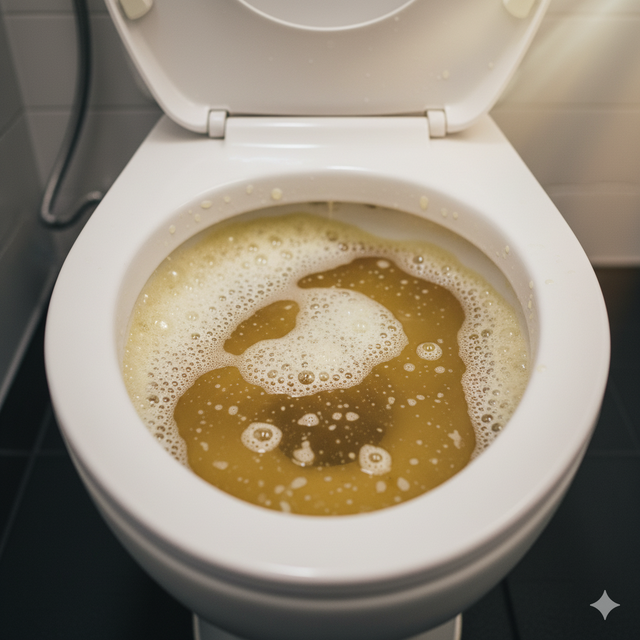
Foamy urine after urination is a phenomenon that should not be taken lightly.
Illustration: AI
Warning signs of kidney disease
Foamy urine doesn't directly damage the kidneys, but it can reflect disorders that weaken this organ.
When protein consistently appears in the urine, known as proteinuria, it indicates damage to the glomeruli. Over time, this protein leakage leads to decreased kidney function and chronic kidney disease.
Certain medical conditions, such as glomerulonephritis or inherited tubular disorders, can cause proteins or amino acids to leak out of the urine.
When the kidney's filtering membrane is damaged, large protein molecules like albumin leak into the urine, creating foam.
The impact of proteinuria
Proteinuria is not only a warning sign, but it also accelerates the progression of kidney damage.
When proteins leak out of the bloodstream, they stimulate inflammatory responses and fibrosis in the kidneys, causing their filtering function to progressively weaken.
Proteinuria can also lead to other consequences such as swelling in the legs or around the eyes, malnutrition, dyslipidemia, and an increased risk of cardiovascular disease.
When foamy urine appears along with other symptoms such as swelling of the legs, ankles, or around the eyes, unexplained fatigue, dark urine, frequent urination, or high blood pressure, patients should seek medical attention promptly. These are signs that the kidneys may be affected.
Other causes besides kidney disease
Not all cases of foamy urine are due to kidney disease. Certain natural substances in urine can also cause foaming.
Proteins and amino acids act as natural foaming agents, while phospholipids produced from cell breakdown can cause foam to appear in cases of mild infection or minor bleeding.
Bile salts in liver or gallbladder diseases, or due to the use of medications and dietary supplements, can also cause similar symptoms.
Additionally, fatty acids and other small compounds in concentrated urine also create bubbles, especially when the body is dehydrated or has metabolic disorders.
Understanding these causes helps patients avoid unnecessary anxiety when there is no actual kidney damage.
Ways to prevent and protect your kidneys.
Preventing foamy urine primarily focuses on addressing the underlying cause. Drinking enough water, about 1,500-2,000 ml per day depending on individual needs, helps reduce urine concentration and minimize foaming.
People with chronic conditions such as diabetes, hypertension, or a family history of kidney disease should have their kidney function checked regularly.
A balanced diet, limiting excessive protein intake when advised by a doctor, and avoiding the overuse of medications that harm the liver and kidneys are important factors in protecting these organs.
Source: https://thanhnien.vn/nuoc-tieu-co-bot-canh-bao-dieu-gi-18525110310591723.htm








































































































Comment (0)